Advantages and Challenges of Geothermal Power Plants Explained
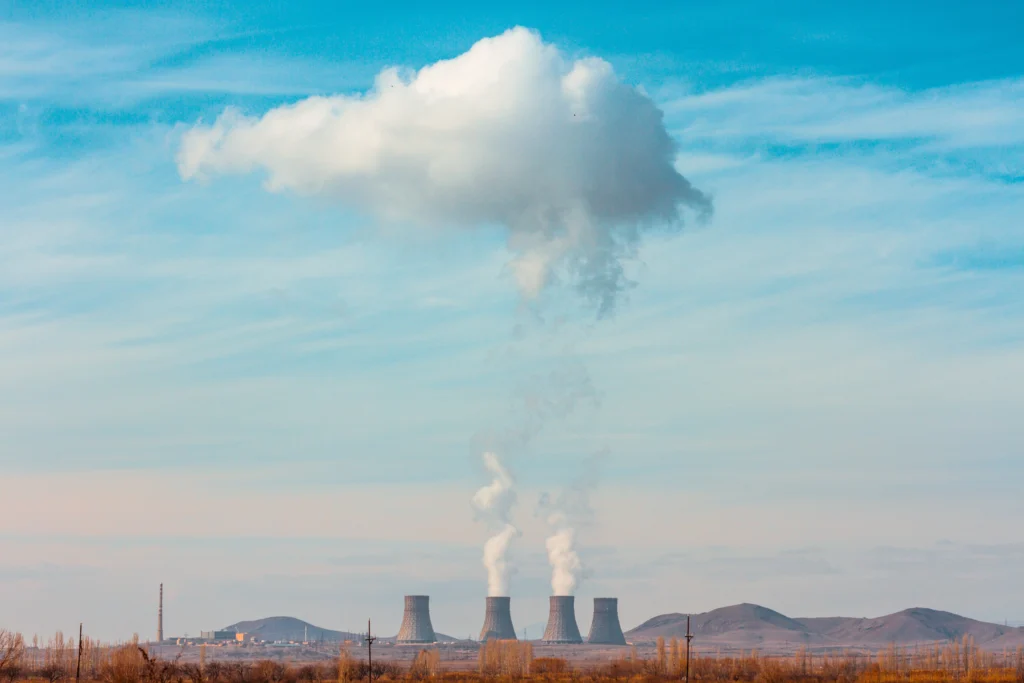
As the global demand for clean and sustainable energy grows, renewable sources are gaining increasing attention. Among them, geothermal power plants stand out as a reliable and environmentally friendly option. Unlike solar or wind energy, geothermal energy is available around the clock, making it a dependable solution for base-load power generation. However, despite its many advantages, geothermal power plants also face certain technical, environmental, and economic challenges. This blog explores both the benefits and limitations of geothermal power plants to provide a balanced understanding of this powerful renewable energy source.
What Are Geothermal Power Plants?
Geothermal power plants generate electricity by harnessing heat stored beneath the Earth’s surface. This heat comes from molten rock (magma) and hot water reservoirs found deep underground. By drilling wells into geothermal reservoirs, hot steam or water is brought to the surface to drive turbines connected to generators, producing electricity.
There are three main types of geothermal power plants: dry steam plants, flash steam plants, and binary cycle plants. Each uses geothermal heat differently, but all aim to convert underground thermal energy into usable power efficiently.
Advantages of Geothermal Power Plants
1. Renewable and Sustainable Energy Source
One of the biggest advantages of geothermal power plants is that they rely on a renewable energy source. The Earth continuously produces heat, ensuring a long-term and sustainable supply of energy when managed properly. Unlike fossil fuels, geothermal resources do not deplete quickly and can be replenished naturally over time.
2. Reliable and Consistent Power Generation
Unlike solar and wind energy, geothermal power plants are not dependent on weather conditions. They operate 24/7, providing a stable and consistent electricity supply. This reliability makes geothermal energy ideal for meeting base-load power demands and supporting grid stability.
3. Low Greenhouse Gas Emissions
Geothermal power plants emit significantly fewer greenhouse gases compared to coal, oil, or natural gas power plants. While small amounts of carbon dioxide and sulfur compounds may be released, the overall environmental footprint is minimal. This makes geothermal energy a strong contributor to climate change mitigation efforts.
4. Small Land Footprint
Compared to other renewable energy installations, geothermal power plants require relatively less land. Once drilling is complete, most infrastructure is compact, making geothermal projects suitable even in areas with limited available land.
5. Long Operational Life
Geothermal power plants have long operational lifespans, often exceeding 30 to 50 years. With proper reservoir management and maintenance, these plants can deliver consistent energy output for decades, making them a cost-effective investment in the long run.
6. Economic Benefits and Job Creation
The development and operation of geothermal power plants create local employment opportunities, including drilling, engineering, plant operations, and maintenance. Additionally, geothermal projects can boost regional economies by reducing reliance on imported fuels.
Challenges of Geothermal Power Plants
Despite their advantages, geothermal power plants face several challenges that limit widespread adoption.
1. High Initial Investment Costs
One of the primary barriers to geothermal development is the high upfront cost. Exploration, drilling, and reservoir assessment require significant capital investment. Drilling deep wells involves financial risk, as there is no guarantee of discovering a productive geothermal reservoir.
2. Location-Specific Resources
Geothermal power plants can only be built in regions with suitable geothermal activity, such as tectonic plate boundaries or volcanic zones. This geographic limitation restricts their global potential compared to solar or wind energy, which can be deployed more widely.
3. Risk of Induced Seismic Activity
In some cases, geothermal drilling and fluid injection can trigger small earthquakes, known as induced seismicity. Although these events are usually minor, they raise concerns among local communities and require careful monitoring and regulation.
4. Environmental Concerns
While geothermal energy is clean, geothermal power plants may release trace amounts of gases such as hydrogen sulfide, which can cause odor issues if not properly managed. Additionally, improper handling of geothermal fluids may lead to water contamination or land subsidence.
5. Resource Depletion Risks
If geothermal reservoirs are not managed sustainably, excessive extraction of heat or fluids can reduce energy output over time. Proper reinjection of fluids and reservoir monitoring are essential to maintain long-term productivity.
6. Technical Complexity
Geothermal power plants require advanced technology and skilled expertise to operate efficiently. Maintenance of equipment exposed to high temperatures and corrosive fluids can be challenging and increase operational costs.
The Future of Geothermal Power Plants
Technological advancements are helping address many of the challenges associated with geothermal power plants. Enhanced Geothermal Systems (EGS), for example, allow energy extraction from deeper and less naturally permeable rock formations, expanding the potential geographic reach of geothermal energy.
Countries around the world are investing in geothermal research and development to improve efficiency, reduce costs, and minimize environmental risks. With increasing focus on decarbonization and energy security, geothermal power plants are expected to play a larger role in the global renewable energy mix.
Conclusion
Geothermal power plants offer a reliable, renewable, and low-emission energy solution with significant long-term benefits. Their ability to provide continuous electricity, minimal land use, and low environmental impact makes them an attractive alternative to conventional power generation. However, challenges such as high initial costs, location limitations, and environmental risks must be carefully managed.
By investing in advanced technologies and sustainable practices, geothermal power plants can overcome these challenges and contribute significantly to a cleaner and more resilient energy future. As the world transitions toward renewable energy, geothermal power plants stand as a powerful and dependable option worth exploring.