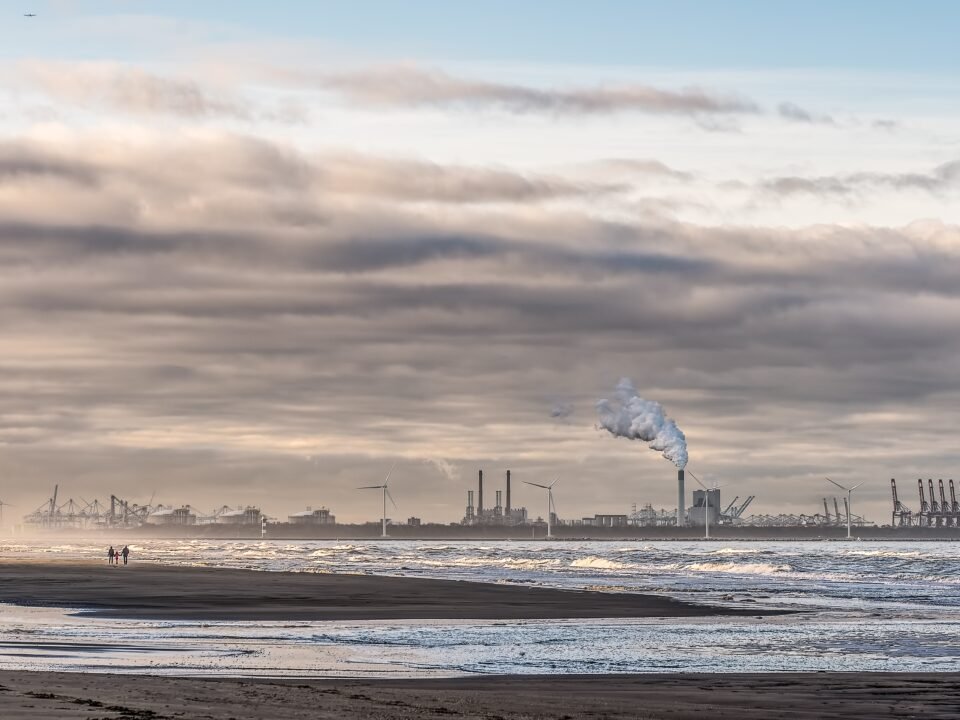
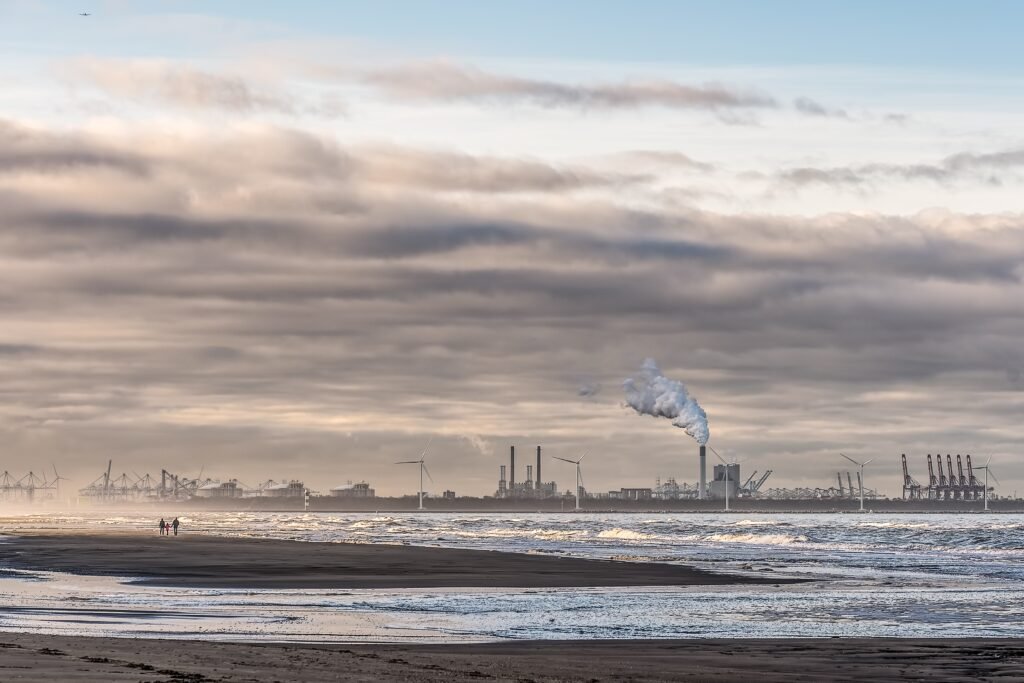
Difference Between Conventional and Non Conventional Sources of Energy
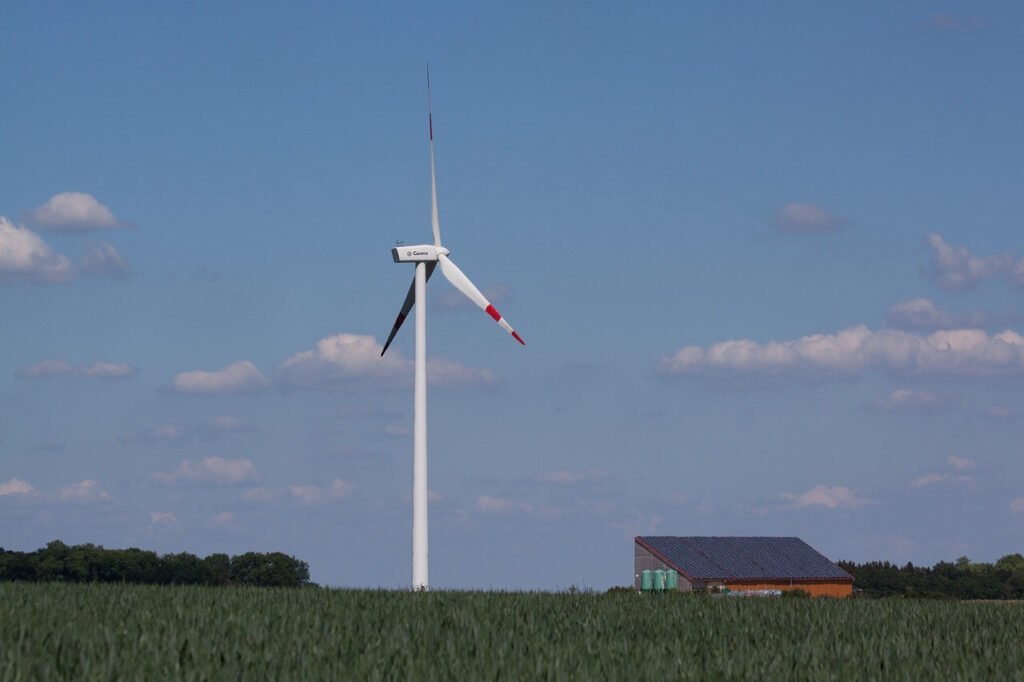
Energy is the backbone of modern civilization. From powering industries and transportation to meeting household needs, energy plays a crucial role in economic and social development. Over time, humans have relied on various energy sources, which are broadly categorized into conventional and non conventional sources of energy. Understanding the difference between conventional and non conventional sources of energy is essential as the world moves toward more sustainable and environmentally friendly solutions.
This blog explores the meaning, characteristics, examples, advantages, disadvantages, and key differences between conventional and non conventional sources of energy, highlighting why the transition toward non-conventional energy is becoming increasingly important.
What Are Conventional Sources of Energy?
Conventional sources of energy are traditional energy resources that have been used for a long time to meet energy demands. These sources are mostly non-renewable, meaning they exist in limited quantities and cannot be replenished quickly.
Examples of Conventional Sources of Energy
- Coal
- Petroleum (oil)
- Natural gas
- Firewood
- Nuclear energy (often included due to traditional large-scale use)
Characteristics of Conventional Sources of Energy
- Limited availability
- High energy output
- Established technology and infrastructure
- Major contributors to environmental pollution
Conventional energy sources have powered industrial growth for decades, but their overuse has led to serious environmental and economic challenges.
What Are Non Conventional Sources of Energy?
Non conventional sources of energy refer to renewable and sustainable energy sources that are relatively new in widespread usage. These sources are naturally replenished and have minimal environmental impact.
Examples of Non Conventional Sources of Energy
- Solar energy
- Wind energy
- Hydropower
- Biomass energy
- Geothermal energy
- Tidal and wave energy
Characteristics of Non Conventional Sources of Energy
- Renewable and sustainable
- Environmentally friendly
- Low greenhouse gas emissions
- Suitable for decentralized power generation
As energy demand rises and fossil fuels decline, non-conventional energy sources are emerging as a reliable alternative.
Difference Between Conventional and Non Conventional Sources of Energy
The difference between conventional and non conventional sources of energy can be clearly understood by comparing their availability, environmental impact, cost, and sustainability.
1. Availability
Conventional sources of energy are finite and will eventually be exhausted. Fossil fuels like coal and petroleum take millions of years to form. In contrast, non conventional sources of energy such as solar and wind are abundant and continuously replenished by nature.
2. Environmental Impact
One of the biggest drawbacks of conventional sources is pollution. Burning fossil fuels releases carbon dioxide, sulfur dioxide, and other harmful gases that cause climate change and air pollution. Non conventional sources of energy produce little to no pollution, making them eco-friendly.
3. Cost and Infrastructure
Conventional energy sources require expensive extraction, transportation, and refining processes. However, their initial setup costs are lower because the infrastructure already exists. Non conventional sources may have high initial installation costs but offer lower operating and maintenance costs in the long run.
4. Sustainability
Conventional and non conventional sources of energy differ significantly in sustainability. Conventional energy is unsustainable due to limited reserves, whereas non conventional energy is sustainable and supports long-term energy security.
5. Energy Efficiency
Conventional sources often provide high and consistent energy output. Non conventional sources may depend on natural conditions like sunlight and wind, but advancements in storage technology are improving their reliability.
Advantages of Conventional Sources of Energy
- High power generation capacity
- Reliable and continuous energy supply
- Well-developed technology
- Easy storage and transportation
Despite these advantages, the environmental cost of conventional energy is too high to ignore.
Disadvantages of Conventional Sources of Energy
- Causes air, water, and land pollution
- Contributes to global warming and climate change
- Limited availability
- Health hazards due to emissions
- Increasing extraction costs
These disadvantages highlight the urgent need to reduce dependence on conventional sources.
Advantages of Non Conventional Sources of Energy
- Renewable and inexhaustible
- Environmentally friendly
- Reduces carbon footprint
- Low operating costs
- Promotes energy independence
- Suitable for rural and remote areas
Non conventional sources of energy play a key role in achieving sustainable development goals.
Disadvantages of Non Conventional Sources of Energy
- High initial installation cost
- Energy generation depends on natural conditions
- Requires advanced technology and storage systems
- Land and space requirements in some cases
However, continuous innovation is reducing these limitations rapidly.
Importance of Transitioning to Non Conventional Sources of Energy
The growing global population and industrialization have increased energy demand dramatically. Relying solely on conventional sources of energy is no longer viable due to resource depletion and environmental damage. Shifting to non conventional sources of energy helps:
- Combat climate change
- Reduce dependence on fossil fuel imports
- Improve air quality
- Create green jobs
- Ensure long-term energy security
Countries worldwide are investing heavily in renewable energy to build a cleaner and more resilient future.
Role of Conventional and Non Conventional Sources of Energy in the Future
While non conventional sources of energy are gaining prominence, conventional sources will continue to play a transitional role in meeting immediate energy demands. A balanced energy mix combining both conventional and non conventional sources of energy is essential during this transition phase.
Governments, industries, and individuals must work together to promote renewable energy adoption through supportive policies, technological innovation, and public awareness.
Conclusion
Understanding the difference between conventional and non conventional sources of energy is crucial in today’s energy-driven world. Conventional sources have supported economic growth for decades but come with serious environmental and sustainability challenges. On the other hand, non conventional sources of energy offer a cleaner, renewable, and future-ready solution.
As the world faces climate change and resource depletion, the shift toward non conventional sources of energy is no longer optional—it is a necessity. Embracing renewable energy today will ensure a healthier planet and a sustainable energy future for generations to come.