Top American Renewable Energy Companies Transforming the Energy Sector

The global energy landscape is undergoing a historic transformation, and the United States is playing a leading role in this shift. As climate concerns grow and the demand for sustainable power rises, American renewable energy companies are reshaping how electricity is generated, distributed, and consumed. These companies are not only reducing dependence on fossil fuels but also driving innovation, job creation, and long-term economic growth.
This blog explores how American renewable energy companies are transforming the energy sector, the technologies they focus on, and why their impact matters for the future of clean power.
The Rise of Renewable Energy in the United States
Over the past two decades, renewable energy has moved from a niche market to a central pillar of the U.S. energy mix. Government incentives, declining technology costs, and increased public awareness have accelerated adoption. Solar and wind power, in particular, have seen rapid expansion across multiple states.
American renewable energy companies have been at the forefront of this change, investing heavily in research, infrastructure, and large-scale projects. Their efforts have helped make renewable energy more affordable and reliable than ever before.
Key Types of Renewable Energy Driving the Sector
Before diving into the companies themselves, it’s important to understand the main renewable technologies shaping the industry.
Solar Energy
Solar power has experienced explosive growth due to falling panel costs and improved efficiency. Utility-scale solar farms and rooftop installations are now common across the U.S., especially in states like California, Texas, and Arizona.
Wind Energy
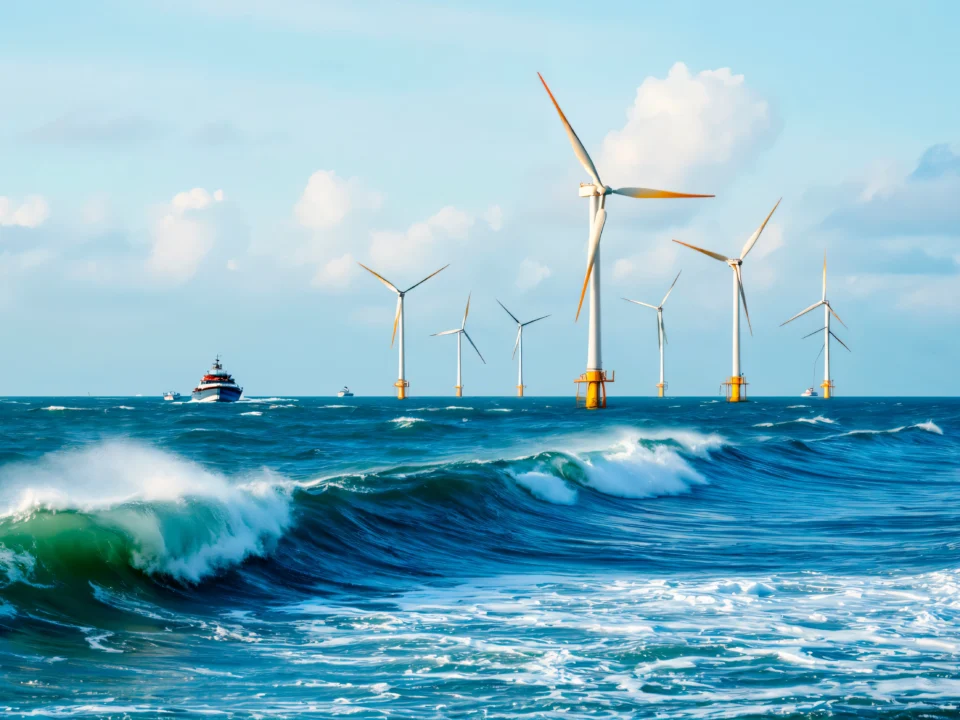
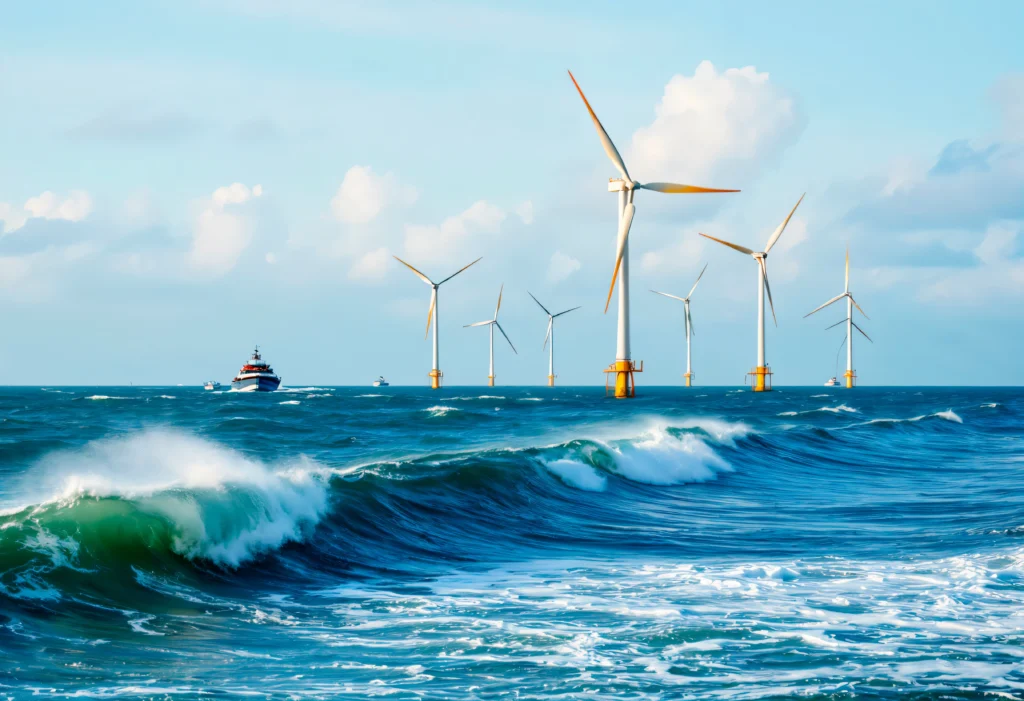
Wind energy is another major contributor, particularly in the Midwest and coastal regions. Advances in turbine design have increased power output while reducing environmental impact.
Hydropower and Geothermal
While more established, hydropower and geothermal energy continue to provide reliable, baseload renewable electricity. American renewable energy companies are modernizing these technologies to improve efficiency and sustainability.
Energy Storage
Energy storage is a critical piece of the renewable puzzle. Batteries help balance supply and demand, making intermittent sources like solar and wind more dependable.
Leading American Renewable Energy Companies Making an Impact
Several American renewable energy companies stand out for their scale, innovation, and influence on the energy sector.
NextEra Energy
NextEra Energy is widely recognized as one of the largest renewable energy producers in the world. Through its subsidiaries, the company has invested heavily in wind and solar projects across the United States. Its commitment to clean energy has set industry benchmarks for capacity, innovation, and long-term planning.
First Solar
First Solar is a major player in the solar manufacturing space. Unlike many competitors, it focuses on advanced thin-film solar technology, which offers high efficiency and a lower carbon footprint during production. The company’s utility-scale solar projects support large energy consumers and public utilities.
Vestas Wind Systems (U.S. Operations)
Although Vestas is a global company, its U.S. operations have made it a significant force among American renewable energy companies. It plays a key role in wind turbine manufacturing, installation, and maintenance across the country.
Duke Energy Renewables
Duke Energy Renewables focuses on expanding clean energy portfolios through wind, solar, and battery storage projects. Its investments support grid stability while helping communities transition to cleaner power sources.
Orsted North America
Orsted has become a leader in offshore wind development in the U.S. By bringing European offshore wind expertise to American shores, the company is helping unlock massive renewable potential along the East Coast.
How American Renewable Energy Companies Are Transforming the Sector
Driving Technological Innovation
One of the most significant contributions of American renewable energy companies is innovation. From more efficient solar panels to smarter wind turbines and advanced battery systems, these companies are constantly improving performance and reducing costs.
Creating Jobs and Economic Growth
The renewable energy sector is a major job creator. Manufacturing, installation, operations, and maintenance roles support local economies across the country. American renewable energy companies are helping build a skilled workforce for the future.
Reducing Carbon Emissions
By replacing fossil fuel-based power generation, renewable energy significantly cuts greenhouse gas emissions. This transition supports national and global climate goals while improving air quality and public health.
Strengthening Energy Independence
Renewable energy reduces reliance on imported fuels. With abundant natural resources like sunlight and wind, the U.S. can produce more of its own energy, enhancing national energy security.
Challenges Facing the Renewable Energy Industry
Despite impressive progress, American renewable energy companies still face challenges.
- Grid Integration: Aging grid infrastructure must be upgraded to handle distributed and variable power sources.
- Energy Storage Costs: While improving, large-scale storage solutions still require further cost reductions.
- Policy Uncertainty: Changes in government incentives and regulations can impact long-term investment decisions.
- Land and Environmental Concerns: Large projects must balance development with environmental protection and community interests.
Addressing these challenges will require collaboration between companies, governments, and consumers.
The Future Outlook for American Renewable Energy Companies
The future looks promising for American renewable energy companies. Continued declines in technology costs, combined with stronger climate commitments from corporations and governments, are expected to drive further growth.
Emerging trends such as green hydrogen, advanced battery storage, and smart grids will open new opportunities. Companies that invest early in these areas are likely to lead the next phase of the clean energy transition.
Why American Renewable Energy Companies Matter
American renewable energy companies are more than just power producers—they are catalysts for change. Their work supports environmental sustainability, economic resilience, and technological leadership. As the world moves toward a low-carbon future, these companies will play a critical role in shaping a cleaner, more reliable energy system.
Conclusion
The transformation of the energy sector is well underway, and American renewable energy companies are at the heart of this shift. Through innovation, investment, and commitment to sustainability, they are redefining how energy is produced and consumed in the United States.
As renewable technologies continue to evolve, the influence of American renewable energy companies will only grow stronger. Their efforts today are laying the foundation for a cleaner, more secure, and more sustainable energy future for generations to come.