Conventional Energy and Non Conventional Energy Which Is Better for the Future?

Energy is the backbone of modern civilization. From powering industries and transportation to lighting homes and running digital infrastructure, our daily lives depend heavily on energy availability. For decades, the global energy system has relied mainly on conventional energy and non conventional energy sources, each playing a distinct role in economic growth and development. However, with rising energy demand, climate change concerns, and resource depletion, an important question arises: which type of energy is better for the future?
This article explores conventional energy and non conventional energy in detail, compares their advantages and disadvantages, and evaluates which option offers a more sustainable path forward.
Understanding Conventional Energy and Non Conventional Energy
To understand the future of energy, it is essential to first define conventional energy and non conventional energy.
What Is Conventional Energy?
Conventional energy refers to traditional energy sources that have been used extensively for a long time. These sources are mostly non-renewable and are available in limited quantities. Common examples include:
- Coal
- Petroleum (oil)
- Natural gas
- Nuclear energy (often grouped with conventional sources)
These energy sources are formed over millions of years and cannot be replenished quickly once exhausted.
What Is Non Conventional Energy?
Non conventional energy refers to renewable and alternative energy sources that are naturally replenished and have gained attention in recent decades. Examples include:
- Solar energy
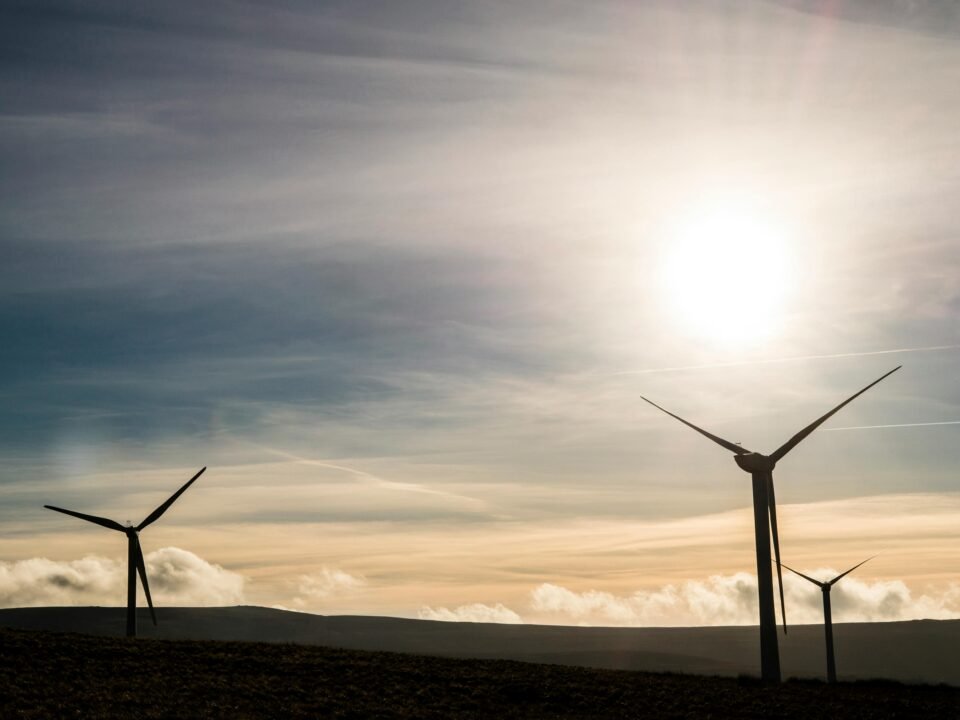
- Wind energy
- Hydropower
- Biomass energy
- Geothermal energy
- Tidal and wave energy
Non conventional energy is considered cleaner and more sustainable compared to conventional sources.
Key Differences Between Conventional Energy and Non Conventional Energy
Understanding the differences between conventional energy and non conventional energy helps highlight why the global energy landscape is changing.
Availability and Renewability
Conventional energy sources are limited and will eventually run out. Coal, oil, and natural gas reserves are being depleted at a rapid rate due to growing global demand. In contrast, non conventional energy sources such as sunlight and wind are abundant and renewable, making them suitable for long-term energy planning.
Environmental Impact
One of the biggest drawbacks of conventional energy is its environmental impact. Burning fossil fuels releases greenhouse gases like carbon dioxide, contributing to air pollution, global warming, and climate change. Oil spills and coal mining also cause severe ecological damage.
Non conventional energy produces little to no greenhouse gas emissions during operation. Solar panels and wind turbines generate electricity without burning fuel, making them environmentally friendly options.
Cost and Infrastructure
Conventional energy infrastructure is well-established and historically cheaper to implement, especially in regions rich in fossil fuel resources. However, fluctuating fuel prices and increasing extraction costs are making conventional energy more expensive over time.
Non conventional energy often requires high initial investment for installation, such as solar panels or wind farms. However, operational and maintenance costs are relatively low, and technology advancements continue to reduce overall costs.
Advantages of Conventional Energy
Despite its environmental concerns, conventional energy still offers several advantages.
- Reliable and Consistent Supply
Conventional energy sources provide a stable and continuous power supply, making them suitable for meeting base-load energy demands. - High Energy Density
Fossil fuels contain a high amount of energy per unit, allowing large-scale electricity generation and industrial use. - Established Technology
Power plants, refineries, and distribution networks for conventional energy are well-developed and widely available.
Limitations of Conventional Energy
The limitations of conventional energy raise serious concerns about its long-term viability.
- Resource Depletion: Fossil fuels are finite and will eventually be exhausted.
- Environmental Pollution: Air, water, and soil pollution negatively impact ecosystems and human health.
- Climate Change: Greenhouse gas emissions contribute significantly to global warming.
- Energy Security Risks: Dependence on imported fossil fuels can lead to geopolitical and economic instability.
Advantages of Non Conventional Energy
Non conventional energy offers multiple benefits that align with global sustainability goals.
- Renewable and Sustainable
Sources like solar and wind are naturally replenished, ensuring long-term availability. - Eco-Friendly
Non conventional energy reduces carbon emissions and helps combat climate change. - Energy Independence
Countries can generate energy locally, reducing reliance on imported fuels. - Job Creation and Innovation
The renewable energy sector creates new employment opportunities and drives technological innovation.
Challenges of Non Conventional Energy
While promising, non conventional energy also faces challenges.
- Intermittency: Solar and wind energy depend on weather conditions, leading to variable power generation.
- High Initial Costs: Installation costs can be a barrier, especially for developing regions.
- Storage Limitations: Efficient energy storage solutions are still evolving.
- Land and Resource Use: Large-scale renewable projects may require significant land areas.
Conventional Energy and Non Conventional Energy in the Future
The future of energy is not likely to rely solely on one type. Instead, a balanced approach combining conventional energy and non conventional energy may be necessary during the transition phase.
In the short term, conventional energy will continue to play a role in meeting growing energy demands, particularly in industrial and developing economies. However, increasing environmental regulations and public awareness are accelerating the shift toward cleaner alternatives.
In the long term, non conventional energy is expected to dominate the global energy mix. Technological advancements in energy storage, smart grids, and efficiency are making renewable energy more reliable and accessible. Governments worldwide are investing heavily in renewable energy to achieve climate targets and reduce carbon footprints.
Which Is Better for the Future?
When comparing conventional energy and non conventional energy, the answer becomes clear from a sustainability perspective. Conventional energy has powered global development for centuries, but its environmental and resource limitations make it unsuitable as a long-term solution.
Non conventional energy, on the other hand, offers a cleaner, renewable, and more resilient energy future. While challenges remain, continuous innovation and supportive policies are steadily overcoming these barriers.
Conclusion
The debate between conventional energy and non conventional energy reflects a broader global transition toward sustainability. Conventional energy has been essential for economic growth, but its negative environmental impact and finite nature limit its future potential. Non conventional energy represents a cleaner, safer, and more sustainable alternative capable of meeting future energy needs.
As the world moves toward a low-carbon economy, investing in non conventional energy while gradually reducing dependence on conventional sources will be key to ensuring energy security, environmental protection, and long-term prosperity.