Eco Friendly Energy Sources Explained: Benefits, Types, and Uses
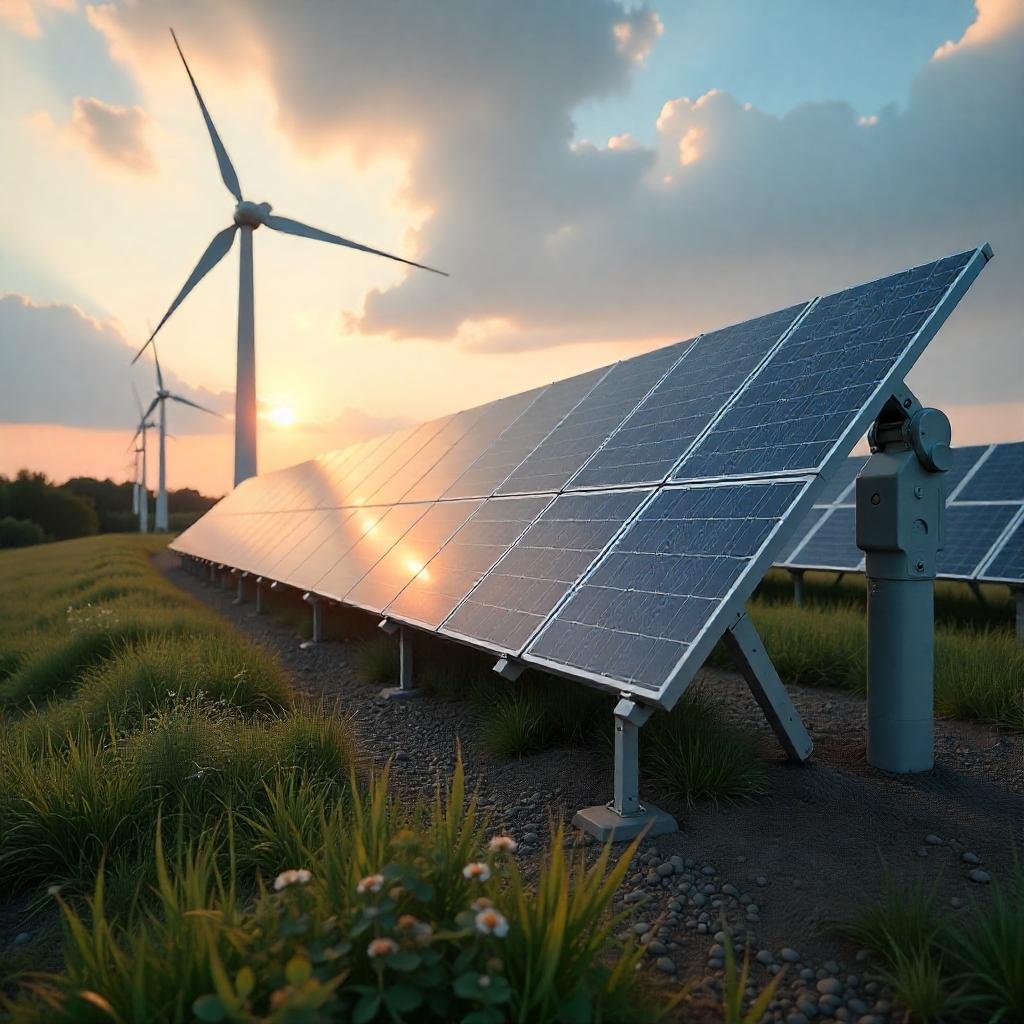
As the world faces rising energy demands and increasing environmental challenges, eco friendly energy sources have become essential for a sustainable future. These energy sources produce power with minimal harm to the environment, reduce greenhouse gas emissions, and help conserve natural resources. Governments, businesses, and households are rapidly adopting cleaner alternatives to traditional fossil fuels to combat climate change and ensure long-term energy security.
In this blog, we will explore what eco friendly energy sources are, their key benefits, the different types available, and how they are used across various sectors.
What Are Eco Friendly Energy Sources?
Eco friendly energy sources are forms of energy generation that have a low environmental impact compared to conventional fuels like coal, oil, and natural gas. They rely on naturally replenished resources such as sunlight, wind, water, and heat from the Earth. These sources generate electricity and heat while producing little to no air pollution or carbon emissions.
The primary goal of eco friendly energy sources is to meet present energy needs without compromising the ability of future generations to meet theirs.
Why Eco Friendly Energy Sources Matter
The growing use of fossil fuels has led to climate change, air pollution, and depletion of natural resources. Eco friendly energy sources offer a cleaner and more sustainable solution. Their importance lies in:
- Reducing carbon emissions
- Improving air and water quality
- Enhancing energy independence
- Supporting economic growth through green jobs
As energy consumption increases globally, transitioning to cleaner sources is no longer optional—it is necessary.
Benefits of Eco Friendly Energy Sources
1. Environmental Protection
Eco friendly energy sources significantly reduce greenhouse gas emissions and air pollutants. This helps slow climate change, protect ecosystems, and preserve biodiversity.
2. Renewable and Sustainable
Most eco friendly energy sources are renewable, meaning they are naturally replenished and will not run out. Sunlight, wind, and water flow are continuously available.
3. Reduced Energy Costs
Although initial installation costs can be high, operating costs are generally low. Over time, solar panels, wind turbines, and other systems can lead to significant savings on energy bills.
4. Energy Security
Using local eco friendly energy sources reduces dependence on imported fuels. This improves national energy security and stabilizes energy prices.
5. Economic Growth
The clean energy sector creates millions of jobs worldwide in manufacturing, installation, maintenance, and research.
Types of Eco Friendly Energy Sources
1. Solar Energy
Solar energy is one of the most popular eco friendly energy sources. It uses photovoltaic panels or solar thermal systems to capture energy from the sun.
Key Uses:
- Residential and commercial electricity generation
- Water heating
- Solar-powered street lighting
Advantages:
- Abundant and widely available
- Low maintenance
- Suitable for both urban and rural areas
2. Wind Energy
Wind energy converts the kinetic energy of moving air into electricity using wind turbines. It is widely used in coastal regions, open plains, and offshore locations.
Key Uses:
- Large-scale power generation
- Supplying electricity to remote areas
Advantages:
- Zero fuel cost
- High energy output in windy regions
- Scalable from small to large projects
3. Hydropower
Hydropower uses flowing or falling water to generate electricity. It is one of the oldest and most reliable eco friendly energy sources.
Key Uses:
- Grid-scale electricity generation
- Water storage and flood control
Advantages:
- Consistent power supply
- Long system lifespan
- High efficiency
4. Geothermal Energy
Geothermal energy harnesses heat from beneath the Earth’s surface to produce electricity or provide direct heating.
Key Uses:
- Power plants in geothermal-rich regions
- Heating buildings and greenhouses
Advantages:
- Reliable and continuous energy
- Minimal land footprint
- Low emissions
5. Biomass Energy
Biomass energy is produced from organic materials such as agricultural waste, wood, and animal manure. It can be converted into electricity, heat, or biofuels.
Key Uses:
- Electricity generation
- Cooking and heating
- Biofuels for transportation
Advantages:
- Reduces waste
- Can be carbon-neutral if managed sustainably
6. Tidal and Wave Energy
These eco friendly energy sources use the movement of ocean tides and waves to generate electricity. Although still developing, they hold great potential.
Key Uses:
- Coastal power generation
Advantages:
- Highly predictable
- Vast untapped energy potential
Uses of Eco Friendly Energy Sources Across Sectors
Residential Sector
Homeowners use eco friendly energy sources like solar panels and biogas plants to reduce electricity bills and carbon footprints. Solar rooftops and solar water heaters are becoming increasingly common.
Commercial and Industrial Sector
Businesses adopt clean energy to lower operational costs and meet sustainability goals. Wind farms, rooftop solar systems, and biomass plants are widely used in industries.
Agriculture
Farmers use solar pumps, biogas systems, and wind energy for irrigation, lighting, and equipment operation, reducing fuel dependency.
Transportation
Eco friendly energy sources support electric vehicles, biofuels, and hydrogen fuel technologies, helping reduce emissions from transportation.
Challenges in Adopting Eco Friendly Energy Sources
Despite their benefits, eco friendly energy sources face some challenges:
- High initial installation costs
- Dependence on weather conditions
- Need for energy storage solutions
- Infrastructure and grid integration issues
However, technological advancements and government incentives are rapidly addressing these barriers.
The Future of Eco Friendly Energy Sources
The future of energy lies in sustainability. As technology improves and costs continue to decline, eco friendly energy sources will play a dominant role in global energy systems. Innovations in battery storage, smart grids, and hybrid renewable systems will make clean energy more reliable and accessible.
Countries worldwide are setting ambitious renewable energy targets, indicating a strong global shift toward cleaner alternatives.
Conclusion
Eco friendly energy sources are transforming the way we produce and consume energy. By reducing environmental impact, enhancing energy security, and supporting economic growth, they offer a sustainable solution to today’s energy challenges. From solar and wind to geothermal and biomass, these clean energy options are shaping a greener future.
Adopting eco friendly energy sources is not just an environmental responsibility—it is a smart investment in a cleaner, healthier, and more sustainable world.