Energy Is Future of Sustainable Living in 2026 and Beyond
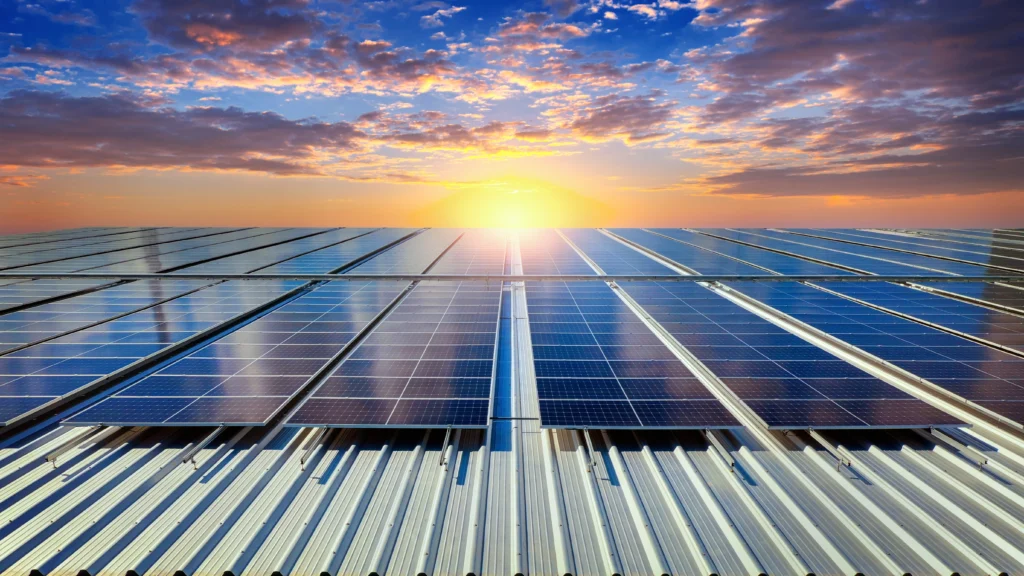
In 2026, the global conversation around sustainability has reached a defining moment. Climate change, rising energy demands, and environmental challenges have pushed societies to rethink how energy is produced, distributed, and consumed. At the center of this transformation lies a powerful truth: energy is future. This simple yet impactful idea reflects a shift toward cleaner, smarter, and more sustainable living.
As the world moves forward, energy is no longer just a resource—it has become the foundation of economic growth, environmental protection, and technological innovation. In this blog, we explore why energy is future, how it is shaping sustainable living, and what lies ahead in the coming years.
The Growing Importance of Energy in Modern Life
Energy powers everything—from homes and transportation to industries and digital infrastructure. As populations grow and urbanization accelerates, global energy consumption continues to rise. Traditional energy sources like coal, oil, and natural gas have supported development for decades, but they come with serious environmental costs.
This is where the concept that energy is future becomes critical. The future depends on transitioning to energy systems that are not only efficient but also environmentally responsible. Sustainable living cannot exist without clean and renewable energy sources.
Transition to Renewable Energy
One of the biggest shifts proving that energy is future is the rapid adoption of renewable energy. Solar, wind, hydro, and geothermal power are becoming more accessible and affordable worldwide.
Solar Energy Expansion
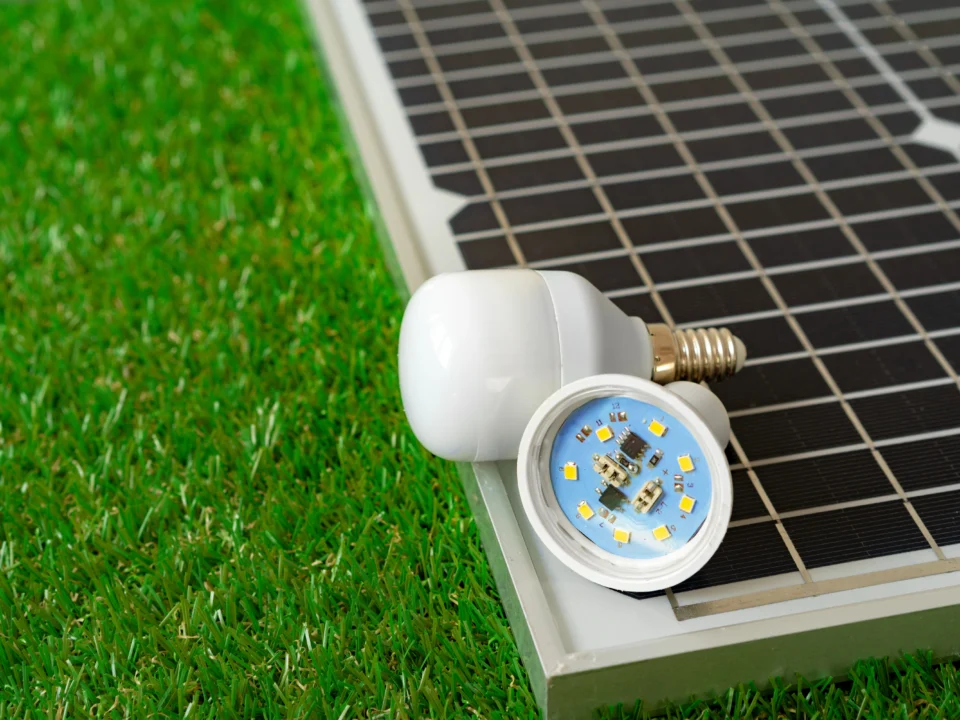
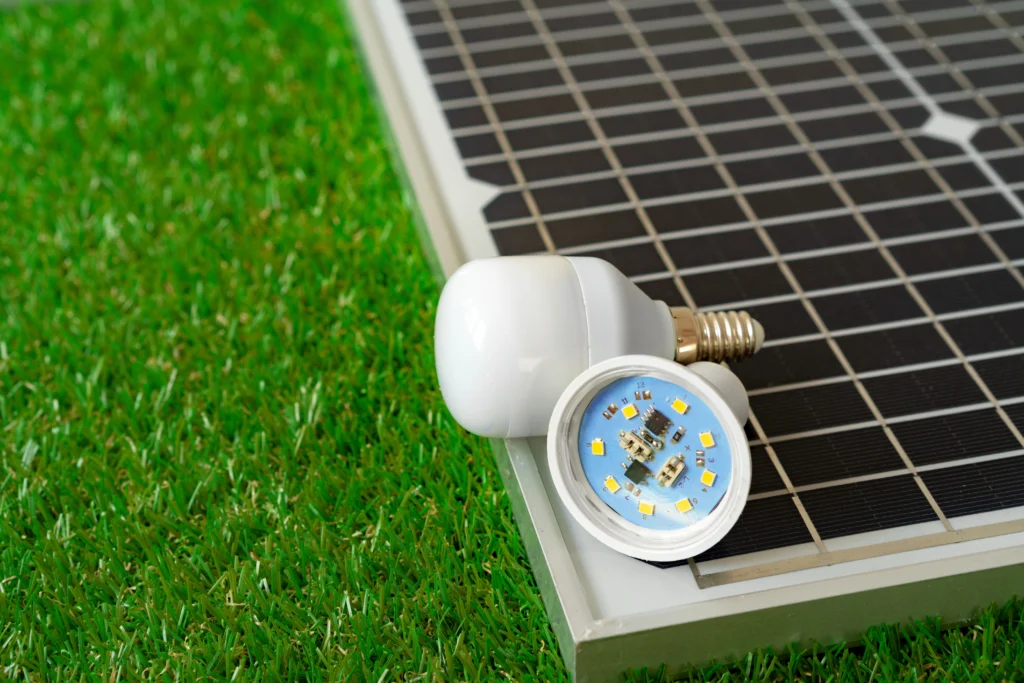
Solar power has seen tremendous growth due to declining costs and improved technology. Residential rooftops, solar farms, and even floating solar panels are now common. In 2026, solar energy is a key player in reducing carbon emissions and promoting self-sufficient households.
Wind Energy Advancements
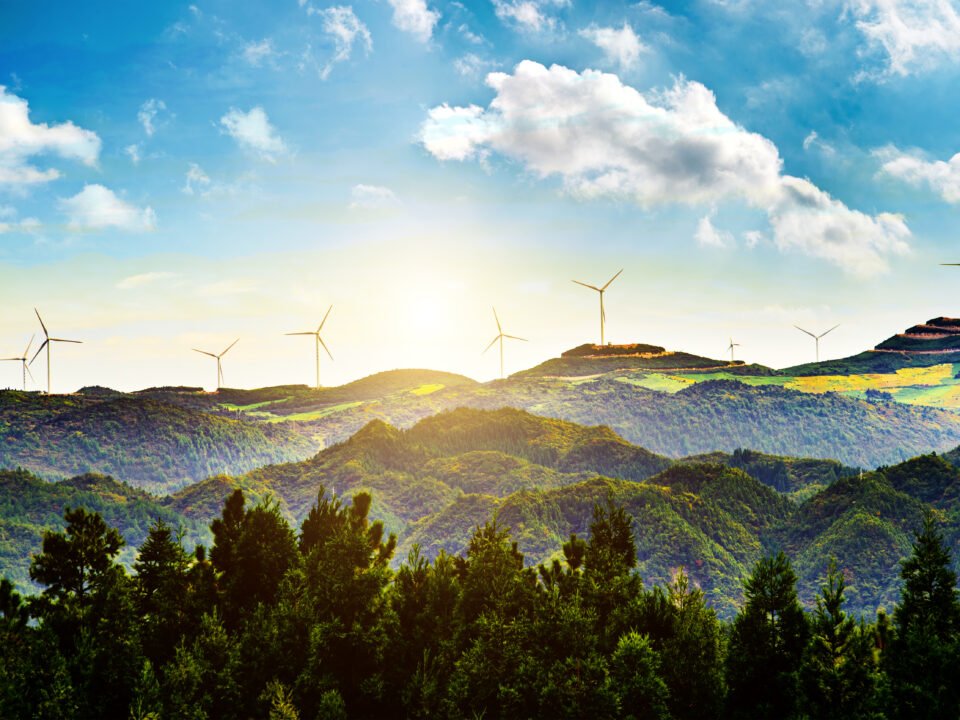
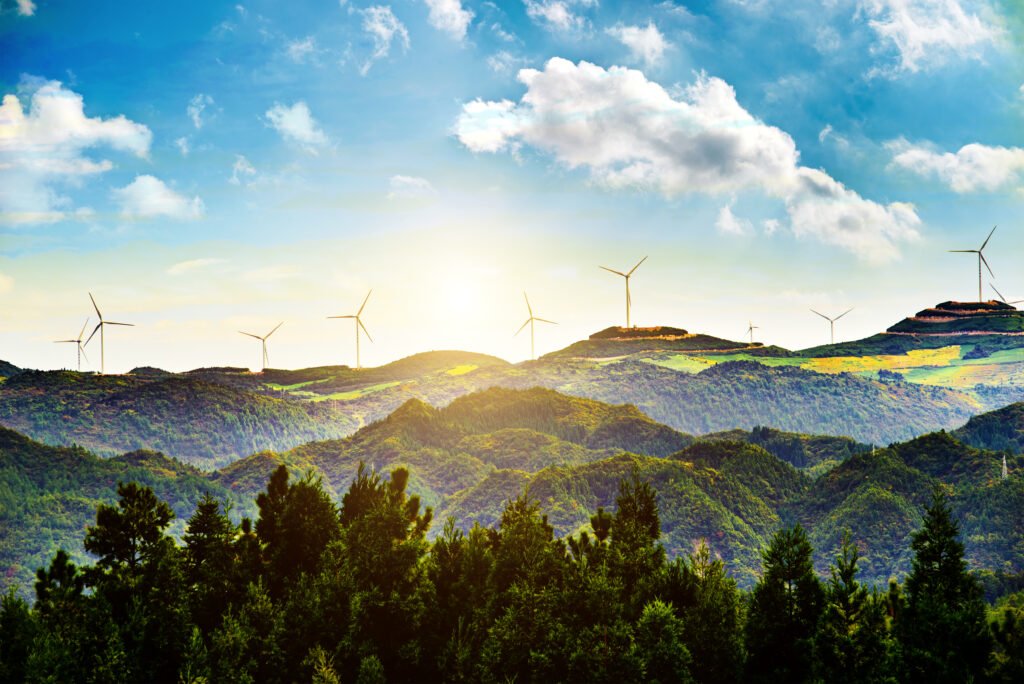
Wind turbines are becoming more efficient and capable of generating energy even at lower wind speeds. Offshore wind farms are expanding, providing large-scale clean electricity to urban areas.
Hydropower and Beyond
Hydropower remains a stable and reliable energy source, while emerging technologies like tidal and wave energy are gaining attention.
These developments reinforce the idea that energy is future, driven by renewable solutions that protect the environment while meeting global demands.
Smart Energy Systems and Technology
Technology plays a crucial role in shaping the future of energy. Smart grids, artificial intelligence, and the Internet of Things (IoT) are transforming how energy is managed.
Smart Grids
Smart grids allow real-time monitoring and efficient distribution of electricity. They reduce energy waste and improve reliability, making sustainable living more achievable.
Energy Storage Solutions
Battery technologies, especially lithium-ion and next-generation solid-state batteries, are solving the problem of energy storage. These innovations ensure that renewable energy can be stored and used even when the sun isn’t shining or the wind isn’t blowing.
AI and Automation
Artificial intelligence helps optimize energy usage by predicting demand and improving efficiency. Smart homes now automatically adjust lighting, heating, and cooling to conserve energy.
Clearly, technology is proving that energy is future, enabling smarter and more sustainable lifestyles.
Energy Efficiency and Sustainable Living
Sustainable living is not just about producing clean energy—it’s also about using it wisely. Energy efficiency has become a major focus in modern homes and industries.
Green Buildings
Buildings are being designed with energy efficiency in mind. Features like insulation, natural lighting, and energy-efficient appliances reduce consumption significantly.
Electric Vehicles (EVs)
Transportation is undergoing a massive shift with the rise of electric vehicles. EVs reduce dependence on fossil fuels and contribute to cleaner air in cities.
Lifestyle Changes
Consumers are becoming more conscious of their energy usage. From switching to LED lighting to using energy-efficient devices, small changes collectively make a big impact.
These efforts highlight how energy is future, influencing everyday decisions and encouraging a more sustainable way of living.
Economic and Environmental Benefits
The transition to sustainable energy is not just good for the planet—it also offers significant economic advantages.
Job Creation
The renewable energy sector is creating millions of jobs worldwide. From manufacturing solar panels to maintaining wind turbines, new opportunities are emerging rapidly.
Cost Savings
Renewable energy sources are becoming more cost-effective than traditional fuels. Over time, households and businesses can save money by adopting clean energy solutions.
Reduced Carbon Footprint
Switching to renewable energy significantly reduces greenhouse gas emissions, helping combat climate change and protect ecosystems.
These benefits further strengthen the belief that energy is future, driving both economic growth and environmental sustainability.
Challenges to Overcome
While the future of energy looks promising, several challenges remain:
- Infrastructure Development: Upgrading existing energy systems requires significant investment.
- Energy Storage Limitations: Although improving, storage technology still needs advancement for large-scale use.
- Policy and Regulations: Government policies must support renewable energy adoption and innovation.
- Public Awareness: More awareness is needed to encourage individuals and businesses to embrace sustainable practices.
Addressing these challenges is essential to fully realize the vision that energy is future.
The Role of Governments and Global Initiatives
Governments and international organizations are playing a vital role in accelerating the transition to sustainable energy.
Policy Support
Subsidies, tax incentives, and renewable energy targets are encouraging investment in clean energy.
Global Agreements
Climate agreements and sustainability goals are pushing countries to reduce emissions and adopt greener energy solutions.
Public-Private Partnerships
Collaboration between governments and private companies is driving innovation and large-scale energy projects.
These efforts ensure that the idea energy is future is not just a concept but a global movement.
What the Future Holds
Looking ahead, the future of energy is filled with possibilities:
- Hydrogen Energy: Green hydrogen could become a major clean fuel source.
- Fusion Power: Scientists are working on nuclear fusion as a nearly limitless energy solution.
- Decentralized Energy Systems: Communities generating their own energy through microgrids.
- Advanced Storage Technologies: More efficient and affordable energy storage systems.
As these innovations evolve, they will further solidify the idea that energy is future, shaping a world that is cleaner, smarter, and more sustainable.
Conclusion
The phrase energy is future perfectly captures the direction in which the world is heading. Sustainable living in 2026 and beyond depends on how effectively we transition to clean, efficient, and innovative energy solutions.
From renewable energy adoption and smart technologies to energy-efficient lifestyles and supportive policies, every step contributes to a better future. While challenges remain, the progress made so far is a clear indication that change is not only possible—it is already happening.
As individuals, businesses, and governments continue to embrace this transformation, one thing becomes certain: energy is future, and it holds the key to a sustainable and prosperous world.