Top Green Energy Topics You Should Know in 2026

As the world moves toward a cleaner and more sustainable future, green energy topics are gaining more attention than ever before. Governments, businesses, and individuals are focusing on renewable solutions to reduce carbon emissions, lower energy costs, and protect the environment. In 2026, the conversation around green energy is not just about solar panels and wind turbines—it’s about innovation, storage, smart systems, and global cooperation.
In this blog, we will explore the most important green energy topics you should know in 2026 and understand how they are shaping the future of the energy sector.
1. Solar Energy Advancements
Solar power continues to dominate discussions around green energy topics. Thanks to improved photovoltaic technology, solar panels are becoming more efficient and affordable. Innovations such as bifacial panels, perovskite solar cells, and solar roof tiles are changing how we generate electricity.
Large-scale solar farms are expanding worldwide, and residential solar installations are increasing rapidly. Countries like India and China are investing heavily in solar infrastructure to meet their renewable energy targets.
In 2026, solar energy is not just an alternative—it’s becoming a primary power source for many regions.
2. Wind Energy Expansion
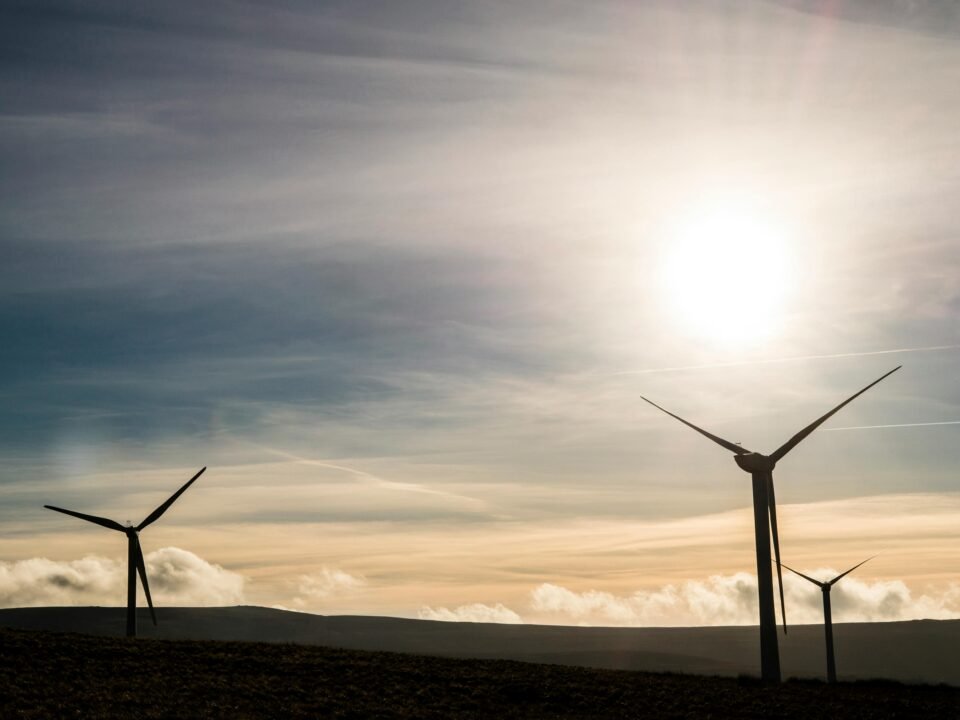
Wind energy remains one of the most reliable renewable sources. Offshore wind farms are particularly gaining attention because they can generate more power due to stronger and consistent wind speeds at sea.
Countries such as United Kingdom and Denmark are leading in offshore wind development. Floating wind turbines are also emerging as a revolutionary technology, allowing energy generation in deeper waters.
Among trending green energy topics, wind power integration into national grids is a major focus, ensuring consistent electricity supply even when wind speeds fluctuate.
3. Energy Storage Solutions
One of the biggest challenges in renewable energy is storage. Solar and wind energy are intermittent, meaning they do not produce electricity constantly. That’s why energy storage is one of the most discussed green energy topics in 2026.
Lithium-ion batteries are widely used, but new technologies like solid-state batteries and flow batteries are gaining momentum. Large-scale battery storage projects are being implemented to stabilize power grids and store excess renewable energy for later use.
Energy storage advancements are making renewable energy more reliable and practical for everyday use.
4. Green Hydrogen Revolution
Green hydrogen is emerging as a breakthrough solution for decarbonizing industries. It is produced using renewable electricity to split water into hydrogen and oxygen, resulting in zero carbon emissions.
Countries such as Germany and Japan are investing heavily in hydrogen infrastructure. Green hydrogen can be used in heavy industries, transportation, and power generation.
In 2026, green hydrogen stands out as one of the most transformative green energy topics because it has the potential to replace fossil fuels in sectors where electrification is difficult.
5. Electric Vehicles and Charging Infrastructure
Transportation plays a significant role in global carbon emissions. Electric vehicles (EVs) are rapidly becoming mainstream, making them one of the hottest green energy topics today.
Governments are offering incentives to encourage EV adoption, and companies are expanding charging networks. Improvements in battery technology are increasing vehicle range and reducing charging time.
In countries like United States and Norway, EV adoption rates are growing quickly, showing a strong shift toward sustainable transportation.
6. Smart Grids and Digital Energy Management
Another important area within green energy topics is smart grid technology. Smart grids use digital communication and automation to manage electricity flow efficiently.
They allow better integration of renewable energy sources, reduce power outages, and optimize energy consumption. With artificial intelligence and data analytics, utilities can predict demand patterns and improve energy distribution.
Smart grids are especially important as renewable energy capacity increases worldwide.
7. Energy Efficiency and Green Buildings
Energy efficiency remains a key strategy in reducing overall energy consumption. Modern green buildings are designed with better insulation, efficient lighting systems, and renewable energy integration.
Certifications like LEED (Leadership in Energy and Environmental Design) encourage sustainable construction practices. Energy-efficient appliances and smart home systems are also helping households reduce electricity usage.
In 2026, energy efficiency continues to be one of the most practical and impactful green energy topics for both individuals and businesses.
8. Carbon Capture and Storage (CCS)
While renewable energy is expanding, fossil fuels are still part of the global energy mix. Carbon Capture and Storage (CCS) technology captures carbon dioxide emissions from power plants and industrial processes before they reach the atmosphere.
Captured carbon can be stored underground or reused in industrial applications. Although still developing, CCS is considered a supportive technology in the transition to green energy.
It is frequently included in discussions about green energy topics because it helps reduce emissions during the transition period.
9. Bioenergy and Waste-to-Energy
Bioenergy uses organic materials such as agricultural waste, wood pellets, and biodegradable waste to produce electricity and heat. Waste-to-energy plants convert municipal waste into usable power.
This approach not only generates renewable energy but also reduces landfill waste. Bioenergy is especially beneficial for rural areas and agricultural economies.
As part of major green energy topics in 2026, sustainable bioenergy development focuses on balancing energy production with environmental conservation.
10. Government Policies and Global Commitments
Policies and international agreements play a critical role in advancing renewable energy. Many countries have set ambitious net-zero targets to reduce greenhouse gas emissions.
The United Nations continues to promote climate action through global frameworks and sustainability goals. Governments are introducing subsidies, tax incentives, and renewable purchase obligations to accelerate clean energy adoption.
Policy-driven growth ensures that green energy topics remain at the center of economic and environmental planning worldwide.
11. Community Solar and Decentralized Energy
Decentralized energy systems allow communities to generate their own electricity locally. Community solar projects enable multiple households to share the benefits of a single solar installation.
This model increases accessibility for people who cannot install solar panels on their own properties. It also strengthens energy independence and grid resilience.
Decentralized energy solutions are becoming increasingly important among modern green energy topics, particularly in developing economies.
12. Climate Finance and Green Investments
Investment in renewable energy is growing rapidly. Green bonds, climate funds, and ESG (Environmental, Social, and Governance) investing are directing capital toward sustainable projects.
Financial institutions are prioritizing renewable energy infrastructure, electric mobility, and sustainable development initiatives. Investors now see green energy as both environmentally responsible and financially promising.
As a result, climate finance is one of the most influential green energy topics shaping global markets in 2026.
Conclusion
The energy landscape in 2026 is evolving at an unprecedented pace. From solar and wind advancements to green hydrogen, smart grids, and climate finance, green energy topics are more diverse and impactful than ever before.
The shift toward renewable energy is not just a trend—it is a global transformation aimed at building a cleaner, more resilient future. Businesses, governments, and individuals all play a role in this transition.
By staying informed about the latest green energy topics, you can better understand the direction of the energy industry and how it affects the economy, the environment, and everyday life. The future of energy is green, innovative, and full of opportunity.