How the Ministry of Renewable Energy Is Shaping India’s Green Future

India stands at a decisive moment in its energy transition journey, and at the heart of this transformation lies the Ministry of Renewable Energy. As global concerns around climate change intensify, India has stepped forward as one of the world’s fastest-growing clean energy markets. The Ministry plays a pivotal role in guiding policies, driving large-scale renewable installations, supporting innovation, and creating a sustainable future for millions. This blog explores how the Ministry of Renewable Energy is shaping India’s green future through strategic initiatives, innovative programs, and long-term vision.
1. The Growing Importance of the Ministry of Renewable Energy
The Ministry of Renewable Energy (MNRE) is responsible for formulating and implementing policies related to solar, wind, hydro, bioenergy, green hydrogen, and other clean power technologies. As India aims to achieve 500 GW of renewable energy capacity by 2030, this Ministry has become central to national development plans.
Its importance has grown due to several reasons:
- Climate commitments under the Paris Agreement
- Rising electricity demand with rapid urbanization
- Need for energy independence, reducing dependence on fossil fuel imports
- Global competition in renewable technology and manufacturing
With these driving forces, the Ministry’s direction significantly shapes India’s energy landscape.
2. Key Policy Initiatives Powering India’s Transition
a. National Solar Mission
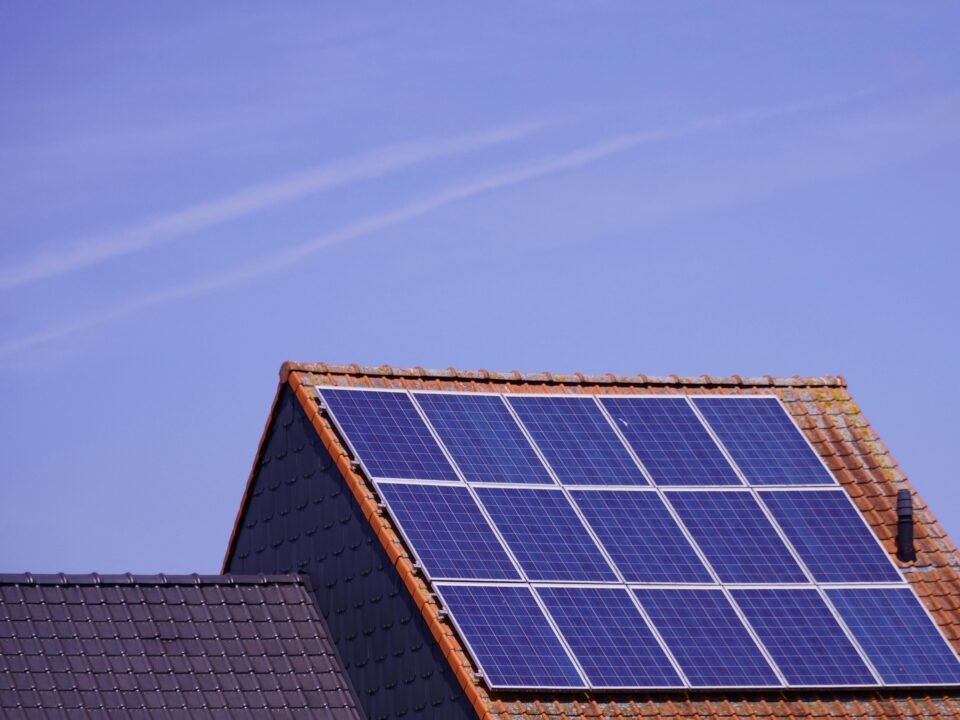
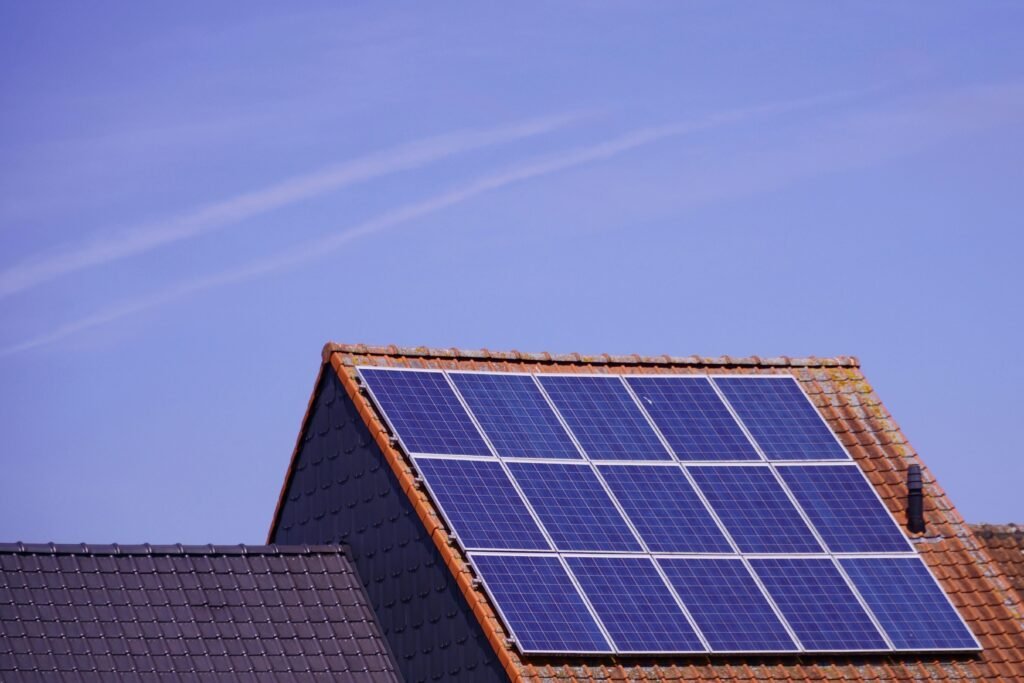
One of ministry of renewable energy flagship programs, the National Solar Mission, has made India one of the world’s largest solar energy markets. From rooftop solar incentives to large utility-scale solar parks, the Ministry has implemented supportive policies that attract both domestic and global investments.
b. Wind Energy Development Programs
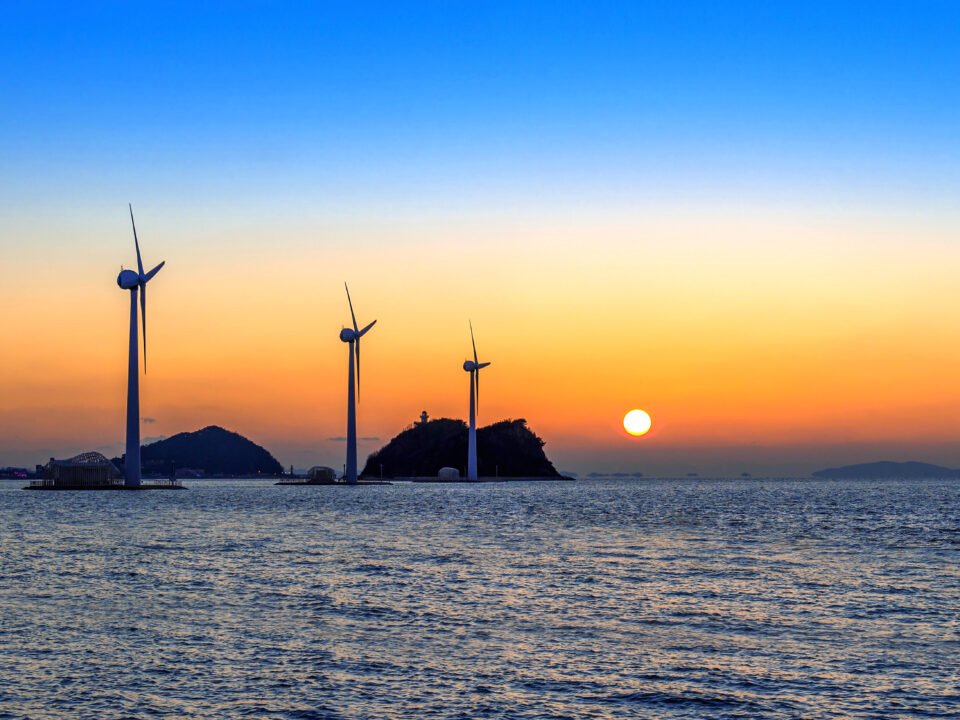
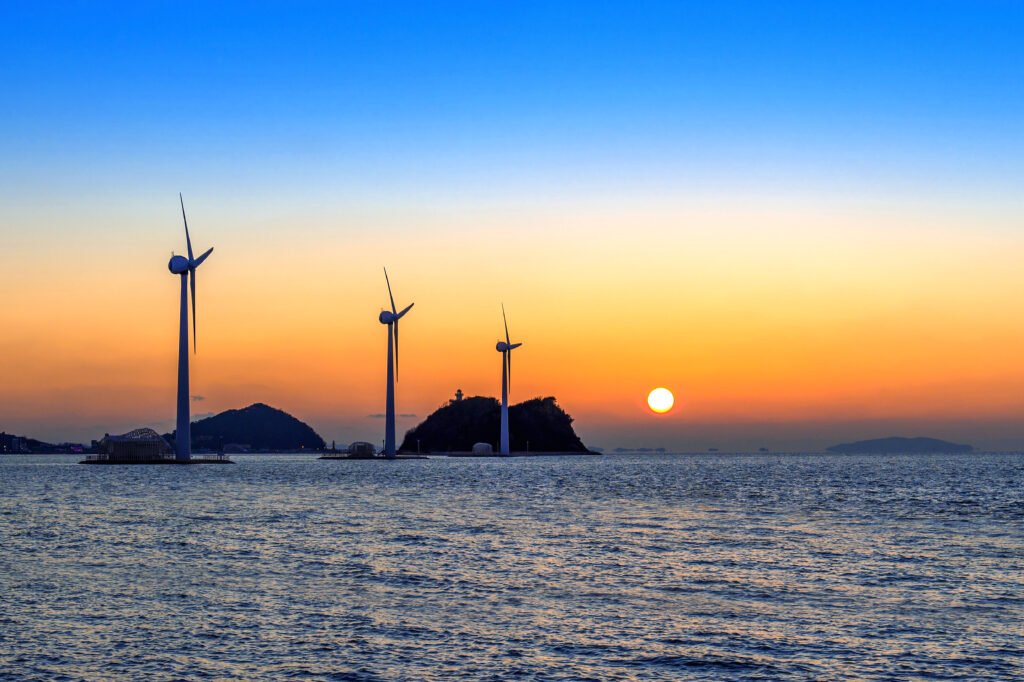
India’s coastal states—Tamil Nadu, Gujarat, Karnataka, and Maharashtra—have witnessed massive wind power growth due to MNRE’s supportive initiatives like competitive bidding, wind potential mapping, and repowering of older turbines.
c. Green Hydrogen Mission
In 2023, the Ministry unveiled the National Green Hydrogen Mission to position India as a global manufacturing and export hub. This mission aims to reduce dependence on fossil fuels, decarbonize heavy industries, and create new job opportunities across the value chain.
d. Bioenergy Initiatives
MNRE promotes biofuels, biomass-based power plants, waste-to-energy projects, and biogas production. These initiatives help rural communities generate power locally while managing agricultural waste sustainably.
e. Off-Grid and Decentralized Renewable Energy
Under this mission, the Ministry pushes for solar pumps, microgrids, and decentralized systems in rural regions. These programs not only improve energy access but also boost local livelihoods.
3. India’s Renewable Capacity Growth Under MNRE
The Ministry of Renewable Energy has led India’s clean energy capacity to remarkable growth:
- India is now among the top 3 largest renewable energy producers globally.
- Solar capacity has seen more than tenfold growth in the last decade.
- Wind power continues to be a strong contributor to the grid, supported by new policies for hybrid generation and offshore wind.
MNRE also promotes hybrid energy systems, where solar and wind work together to ensure efficiency and grid stability.
4. Boosting Local Manufacturing and Innovation
Recognizing the importance of self-reliance, MNRE supports large-scale manufacturing of solar modules, inverters, wind turbines, and related components through programs like:
- Production Linked Incentive (PLI) schemes
- Encouraging domestic R&D in battery storage and efficiency improvements
- Partnering with academic institutions and startups
- Launching pilot projects for cutting-edge technologies
This push for innovation strengthens India’s position in global renewable markets and reduces reliance on imported components.
5. Creating Jobs and Supporting Local Economies
The renewable sector is one of the largest job creators across the world. In India, the Ministry of Renewable Energy has supported millions of direct and indirect jobs in:
- Solar and wind farm construction
- Manufacturing of renewable components
- Operation and maintenance roles
- Rural employment through bioenergy and off-grid solutions
For many communities, renewable energy projects have brought economic stability and sustainable income sources.
6. Focus on Green Mobility and Electric Vehicles
The Ministry works closely with other government departments, including NITI Aayog and the Ministry of Power, to complement India’s transition to electric mobility. By supporting renewable-powered charging infrastructure and grid integration, MNRE ensures that the EV transition aligns with clean energy targets.
7. Strengthening India’s Power Grid for Renewables
One of the Ministry’s crucial responsibilities is to enhance grid infrastructure so that it can handle large-scale renewable power. Through the Green Energy Corridor (GEC) projects, MNRE supports:
- New transmission lines dedicated to renewable-rich regions
- Upgraded substations
- Smart grid technology
- Improved forecasting and scheduling tools
These measures ensure that renewable power reaches consumers efficiently and reliably.
8. Encouraging State-Level Renewable Energy Development
While MNRE provides national guidelines, states play a major role in implementation. The Ministry collaborates closely with state governments to standardize policies, encourage private investments, and resolve regulatory challenges.
States like Rajasthan, Gujarat, Tamil Nadu, Karnataka, and Maharashtra have become renewable energy leaders partly due to strong coordination with MNRE.
9. International Collaboration and Global Leadership
India is a co-founder of the International Solar Alliance (ISA) and has emerged as an advocate for clean energy in global forums. The Ministry of Renewable Energy represents India in key international collaborations, enabling:
- Technology knowledge sharing
- Joint research
- Cross-border energy partnerships
- Climate finance and investment support
This global leadership further cements India’s position in the renewable revolution.
10. The Road Ahead: India’s Vision for a Green Future
As India marches toward its 2030 and 2070 climate goals, the Ministry of Renewable Energy will play an increasingly important role. The future focus areas include:
- Rapid expansion of offshore wind
- Scaling up green hydrogen production
- Energy storage and battery innovation
- Deep integration of AI and digital technologies
- Greater participation from private investors
With clear goals and determined execution, MNRE is building the foundation for a resilient, clean, and economically strong India.
Conclusion
The Ministry of Renewable Energy stands as a cornerstone in India’s clean energy revolution. Through ambitious policies, innovation-driven initiatives, and nationwide programs, it is shaping a green future where sustainable power is accessible to all. As global attention shifts toward renewable growth, India—led by MNRE—is proving that economic development and environmental sustainability can go hand in hand.