National Renewable Energy Lab Breakthroughs Transforming Renewable Technologies
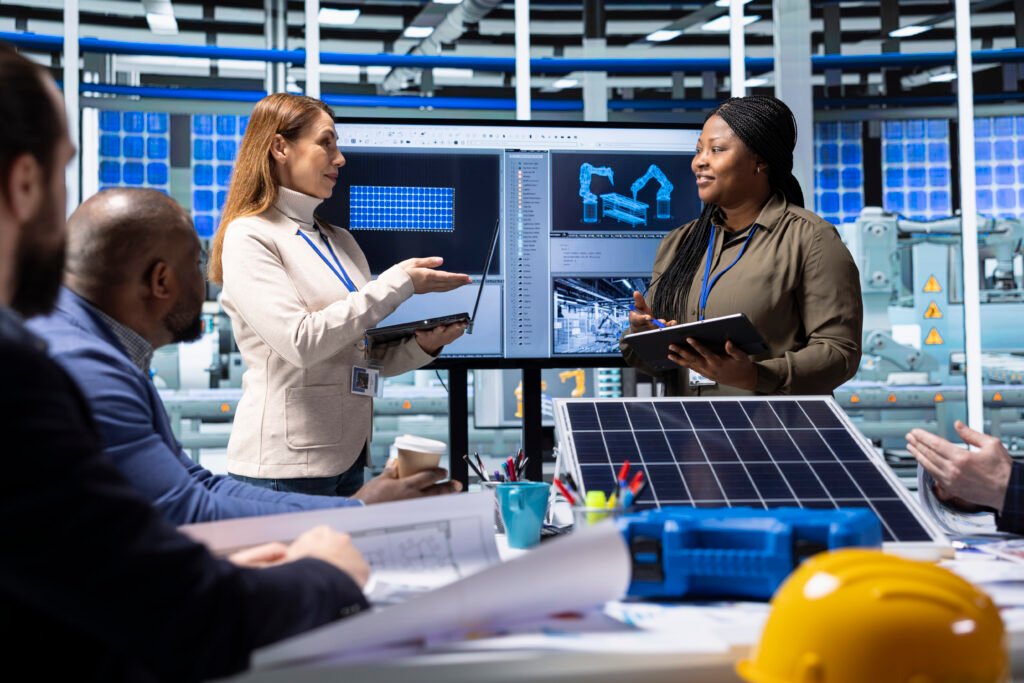
The national renewable energy lab has become a global symbol of innovation in clean power, sustainable infrastructure, and next-generation energy systems. As countries accelerate their transition away from fossil fuels, research institutions play a crucial role in developing reliable, scalable, and cost-effective renewable technologies. Among them, the National Renewable Energy Laboratory (NREL) stands at the forefront of scientific discovery and practical implementation.
From advanced solar cells to hydrogen fuel research and smart grid modernization, the national renewable energy lab continues to shape the future of global energy systems. This blog explores its major breakthroughs, research areas, and the transformative impact it has on renewable technologies worldwide.
The Mission Behind the National Renewable Energy Lab
The national renewable energy lab operates under the U.S. Department of Energy with a clear objective: advancing energy efficiency and renewable energy technologies. Located in Golden, the lab serves as a hub for researchers, engineers, and industry leaders working together to build sustainable energy solutions.
Its mission focuses on:
- Developing affordable renewable energy technologies
- Improving energy storage systems
- Enhancing grid resilience and modernization
- Reducing greenhouse gas emissions
- Accelerating clean energy commercialization
The national renewable energy lab combines scientific research with industry collaboration to ensure that innovations move beyond laboratories into real-world applications.
Solar Energy Breakthroughs
One of the most significant contributions of the national renewable energy lab lies in solar energy advancements. Solar power remains one of the fastest-growing renewable sources globally, and NREL has consistently pushed its efficiency boundaries.
High-Efficiency Solar Cells
The lab has achieved record-breaking efficiencies in photovoltaic (PV) cell technologies. Through innovations in multi-junction solar cells and perovskite materials, researchers have improved how sunlight converts into electricity.
These advancements mean:
- Higher power output from smaller panels
- Lower installation costs
- Greater adoption of rooftop and utility-scale solar systems
The national renewable energy lab also works on durability testing to ensure solar modules can withstand extreme weather conditions and last decades.
Solar Manufacturing Innovation
Beyond laboratory research, NREL supports domestic manufacturing by improving production methods. Automation, material optimization, and supply chain research help reduce the cost of solar modules, making renewable energy more accessible.
Wind Energy Advancements
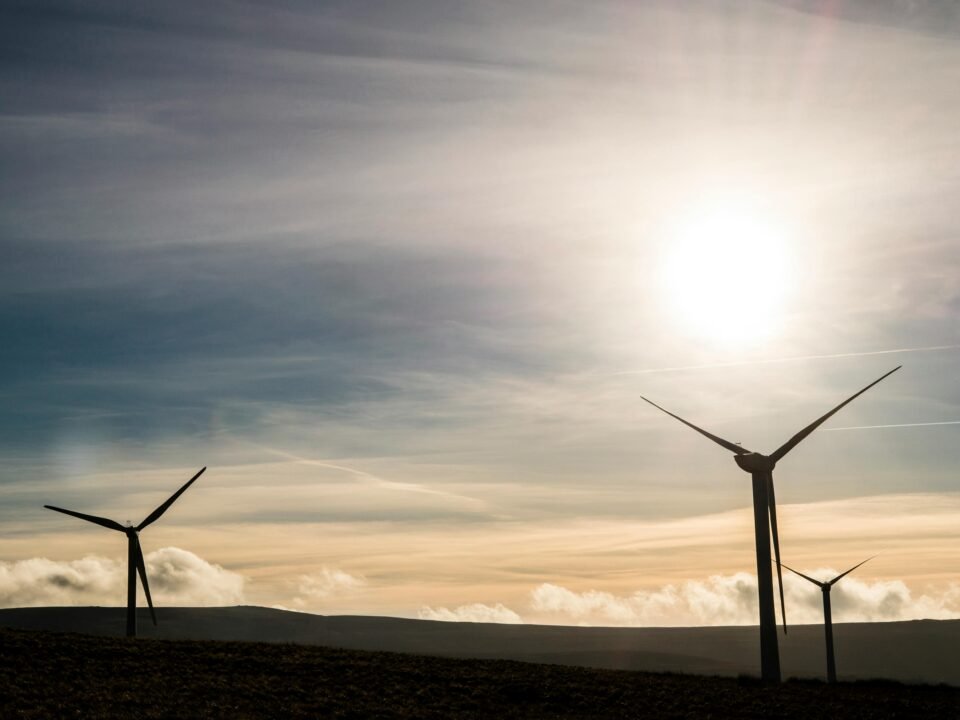
Wind power plays a crucial role in global clean energy strategies. The national renewable energy lab has developed advanced simulation tools and turbine designs that increase performance and reliability.
Larger and Smarter Turbines
Modern wind turbines are taller and more efficient than ever. Through aerodynamic modeling and materials research, NREL helps manufacturers design blades that capture more wind energy while reducing wear and tear.
Offshore Wind Development
Offshore wind farms are expanding rapidly. The lab provides critical data analysis, environmental impact assessments, and engineering solutions that support safe and efficient offshore deployment.
As wind power scales up, innovations from the national renewable energy lab ensure optimal performance and reduced operational costs.
Energy Storage Innovations
Renewable energy sources like solar and wind are intermittent. Energy storage systems are essential to ensure consistent electricity supply. The national renewable energy lab leads groundbreaking research in battery and storage technologies.
Advanced Battery Research
NREL focuses on:
- Lithium-ion battery improvements
- Solid-state battery development
- Long-duration storage solutions
- Recycling and sustainability of battery materials
These efforts enhance battery lifespan, safety, and energy density. Long-duration storage solutions are particularly important for maintaining grid stability during low renewable production periods.
Grid-Scale Storage Systems
The national renewable energy lab develops simulation platforms to test grid-scale storage integration. These systems help utilities balance supply and demand efficiently.
Hydrogen and Clean Fuels Research
Hydrogen is emerging as a powerful clean fuel for industries that are difficult to electrify. The national renewable energy lab conducts cutting-edge research in hydrogen production, storage, and utilization.
Green Hydrogen Production
Green hydrogen is produced using renewable electricity to split water into hydrogen and oxygen. NREL’s research aims to:
- Improve electrolyzer efficiency
- Reduce hydrogen production costs
- Enhance storage technologies
This work supports decarbonization in sectors like heavy transport, aviation, and industrial manufacturing.
Bioenergy and Sustainable Fuels
In addition to hydrogen, the lab researches biofuels made from agricultural waste, algae, and other renewable resources. These alternatives reduce reliance on fossil-based fuels and lower overall carbon emissions.
Grid Modernization and Smart Energy Systems
As renewable adoption increases, traditional power grids must evolve. The national renewable energy lab plays a vital role in designing modern, resilient, and intelligent grid systems.
Smart Grid Technologies
NREL develops digital tools that allow:
- Real-time energy monitoring
- Distributed energy resource management
- Cybersecurity enhancements
- Microgrid implementation
Smart grids enable better integration of rooftop solar, electric vehicles, and community energy storage systems.
Energy Systems Integration Facility
The lab’s Energy Systems Integration Facility (ESIF) allows researchers to test renewable technologies under real-world grid conditions. This ensures smooth integration without disrupting existing infrastructure.
Electric Vehicle and Transportation Innovation
Transportation accounts for a significant portion of global emissions. The national renewable energy lab works extensively on electrification strategies and infrastructure planning.
EV Charging Infrastructure
The lab designs and tests advanced charging networks that improve speed, accessibility, and reliability. Research focuses on:
- Fast-charging technologies
- Grid impact analysis
- Vehicle-to-grid (V2G) systems
These innovations help create seamless integration between electric vehicles and renewable-powered grids.
Collaboration with Industry and Government
One of the strongest aspects of the national renewable energy lab is its collaborative ecosystem. The lab partners with:
- Private companies
- Universities
- Government agencies
- International organizations
Through cooperative research agreements and technology transfer programs, innovations reach commercial markets faster. This collaboration accelerates global renewable adoption.
Economic and Environmental Impact
The breakthroughs achieved by the national renewable energy lab extend beyond technology. They have significant economic and environmental implications.
Job Creation and Industry Growth
By supporting renewable energy industries, the lab indirectly contributes to:
- Clean energy job creation
- Domestic manufacturing expansion
- Investment in green infrastructure
Emission Reductions
Technologies developed and tested by the national renewable energy lab help reduce carbon emissions on a large scale. Solar, wind, hydrogen, and storage innovations collectively contribute to global climate goals.
The Future Vision of the National Renewable Energy Lab
Looking ahead, the national renewable energy lab continues to explore emerging technologies such as:
- Artificial intelligence in energy management
- Advanced materials for energy efficiency
- Carbon capture and utilization
- Climate-resilient infrastructure
With growing global energy demand and increasing climate challenges, research from the national renewable energy lab will remain essential for building a cleaner, smarter, and more sustainable world.
Conclusion
The national renewable energy lab is more than a research institution—it is a driving force behind the renewable energy revolution. From record-breaking solar efficiencies to advanced hydrogen systems and grid modernization strategies, its breakthroughs are transforming renewable technologies worldwide.
As nations strive to meet climate targets and ensure energy security, the work conducted at the National Renewable Energy Laboratory will continue to play a vital role in shaping the global energy landscape.
The transition to sustainable energy is no longer a distant goal—it is an ongoing transformation. And at the heart of this transformation stands the national renewable energy lab, powering innovation for a cleaner tomorrow.