Top New Energy Sources That Will Power the World in 2026 and Beyond
The global demand for sustainable and reliable power is growing rapidly. As countries aim to reduce carbon emissions and fight climate change, the search for new energy sources has become more important than ever. Traditional fossil fuels like coal, oil, and natural gas are not only limited but also contribute significantly to environmental pollution.
In response, scientists, governments, and energy companies are investing heavily in innovative technologies and alternative solutions. These new energy sources are cleaner, more sustainable, and capable of powering the world for generations to come. In this article, we will explore the most promising new energy sources that are expected to shape the future of global energy in 2026 and beyond.
Why New Energy Sources Are Important
The world currently relies heavily on fossil fuels, which are responsible for a large share of greenhouse gas emissions. As environmental concerns increase, there is a global push toward cleaner alternatives.
Developing new energy sources offers several important benefits:
- Reducing carbon emissions and air pollution
- Decreasing dependence on fossil fuels
- Ensuring long-term energy security
- Supporting economic growth and technological innovation
These factors are driving rapid research and development in modern energy technologies.
1. Green Hydrogen Energy
One of the most exciting new energy sources emerging today is green hydrogen. Hydrogen is the most abundant element in the universe and can be used as a clean fuel.
Green hydrogen is produced by splitting water into hydrogen and oxygen using renewable electricity. Unlike traditional hydrogen production methods, this process produces no carbon emissions.
Benefits of Green Hydrogen
- Zero carbon emissions when used as fuel
- Can store large amounts of renewable energy
- Suitable for industries, transportation, and power generation
Countries around the world are investing heavily in hydrogen infrastructure. It is expected to become a major component of the future energy system.
2. Advanced Solar Power
Solar energy has been around for decades, but new technologies are making it more efficient and affordable than ever. Advanced solar panels, including perovskite solar cells and bifacial panels, are transforming solar power into one of the most powerful new energy sources.
Key Innovations in Solar Energy
- Higher energy conversion efficiency
- Lower production costs
- Flexible and lightweight solar materials
Solar farms, rooftop systems, and solar-integrated buildings are becoming common worldwide. With continued innovation, solar energy will play a major role in the global energy mix.
3. Offshore Wind Energy
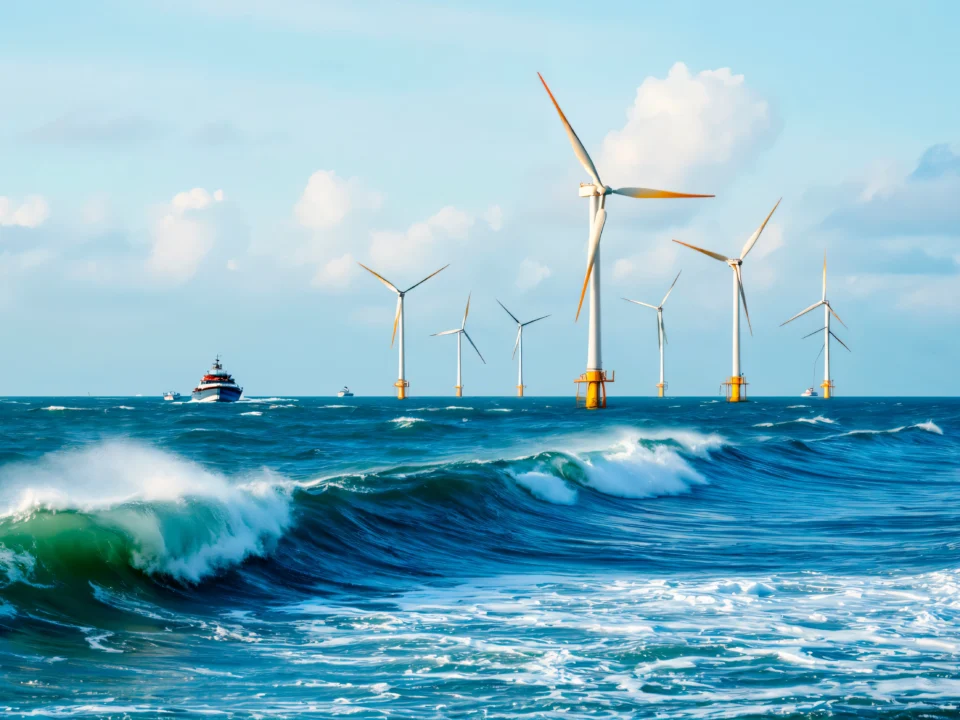
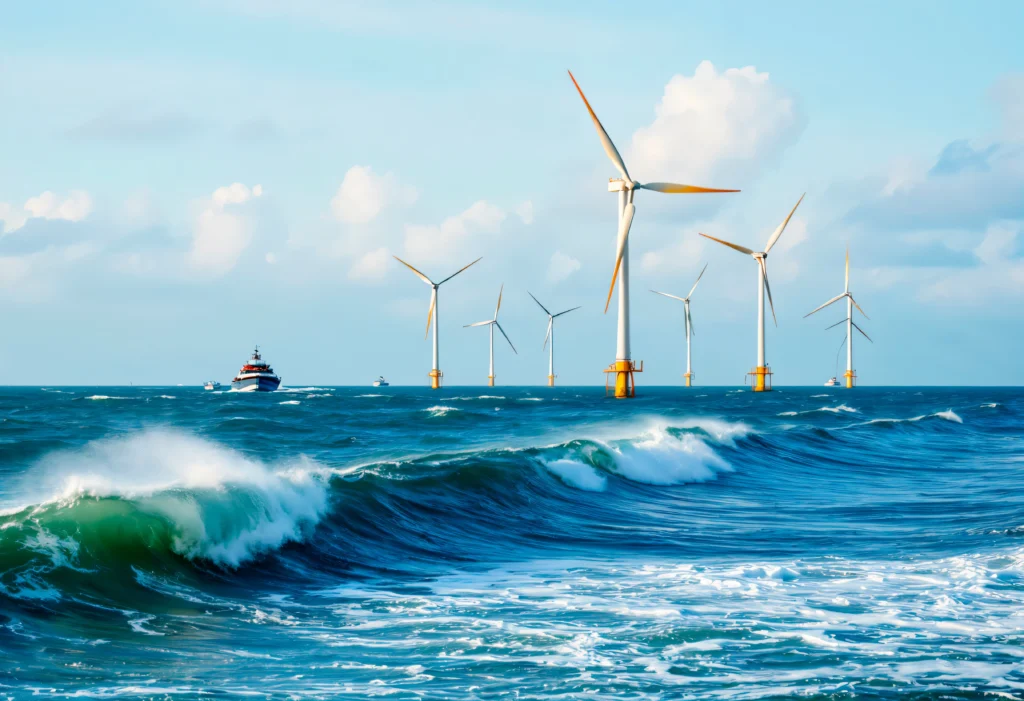
Wind power is another rapidly expanding renewable technology. While traditional wind farms are built on land, offshore wind farms are installed in oceans where wind speeds are stronger and more consistent.
This makes offshore wind one of the most reliable new energy sources available today.
Advantages of Offshore Wind
- Higher power generation compared to onshore turbines
- Minimal land usage
- Large-scale energy production capacity
Many countries are investing in floating wind turbine technology, which allows wind farms to be installed even in deep ocean waters.
4. Tidal and Wave Energy
The oceans contain a massive amount of untapped energy. Tidal and wave energy systems convert the movement of water into electricity, making them promising new energy sources for coastal regions.
Tidal energy works by using underwater turbines that spin with the movement of tides. Wave energy devices capture energy from the surface motion of ocean waves.
Why Tidal Energy Is Promising
- Highly predictable energy generation
- Minimal environmental impact
- Long operational lifespan
Although still in the early stages of development, tidal and wave energy technologies could become major contributors to global electricity production.
5. Geothermal Energy Innovations
Geothermal energy uses heat from beneath the Earth’s surface to generate electricity and provide heating. While geothermal plants have existed for many years, new drilling technologies are unlocking deeper and hotter geothermal resources.
These advancements are turning geothermal power into one of the most reliable new energy sources for the future.
Benefits of Geothermal Energy
- Continuous energy supply (24/7 power generation)
- Very low emissions
- Small land footprint
Enhanced geothermal systems (EGS) allow geothermal energy to be developed even in areas that previously lacked natural geothermal reservoirs.
6. Bioenergy and Advanced Biofuels
Bioenergy is produced from organic materials such as agricultural waste, algae, and plant residues. New technologies are making bioenergy cleaner and more efficient than traditional biomass fuels.
Advanced biofuels are now being developed to power airplanes, ships, and heavy industries. This makes bioenergy one of the most versatile new energy sources available.
Examples of Bioenergy Sources
- Algae-based biofuels
- Agricultural waste biomass
- Renewable natural gas
These fuels can significantly reduce greenhouse gas emissions while utilizing waste materials that would otherwise be discarded.
7. Nuclear Fusion Energy
Nuclear fusion is often considered the “holy grail” of energy production. Unlike traditional nuclear power, fusion generates energy by combining atomic nuclei rather than splitting them.
Fusion reactions produce enormous amounts of energy without long-term radioactive waste, making them one of the most promising new energy sources.
Advantages of Nuclear Fusion
- Virtually limitless fuel supply
- No carbon emissions
- Extremely high energy output
Although fusion technology is still under development, scientists believe commercial fusion power plants could become a reality in the coming decades.
Challenges in Developing New Energy Sources
While new energy sources offer many advantages, there are still challenges that need to be addressed.
1. High Initial Costs
Many advanced energy technologies require large investments for research, infrastructure, and deployment.
2. Energy Storage Limitations
Renewable energy sources such as solar and wind depend on weather conditions, making energy storage solutions essential.
3. Infrastructure Development
New transmission networks, hydrogen pipelines, and charging systems are required to support emerging energy technologies.
Despite these challenges, continued innovation and global collaboration are accelerating the transition toward cleaner energy systems.
The Future of Global Energy
The global energy landscape is undergoing a massive transformation. Governments, businesses, and researchers are working together to accelerate the adoption of new energy sources.
By 2026 and beyond, we can expect:
- Rapid expansion of renewable energy infrastructure
- Increased investment in green hydrogen projects
- Breakthroughs in energy storage technologies
- Wider adoption of electric transportation
These developments will help create a cleaner, more sustainable, and resilient energy future.
Conclusion
The transition to new energy sources is essential for addressing climate change and ensuring long-term energy security. Technologies such as green hydrogen, advanced solar power, offshore wind energy, geothermal systems, biofuels, and nuclear fusion are reshaping the global energy landscape.
While challenges remain, ongoing research and technological innovation are bringing these solutions closer to widespread adoption. As the world moves toward cleaner and more sustainable energy systems, these new energy sources will play a crucial role in powering the planet in 2026 and beyond.
The future of energy is not only renewable but also smarter, more efficient, and environmentally responsible.