Exploring Ocean Renewable Energy Technologies Transforming the Blue Economy
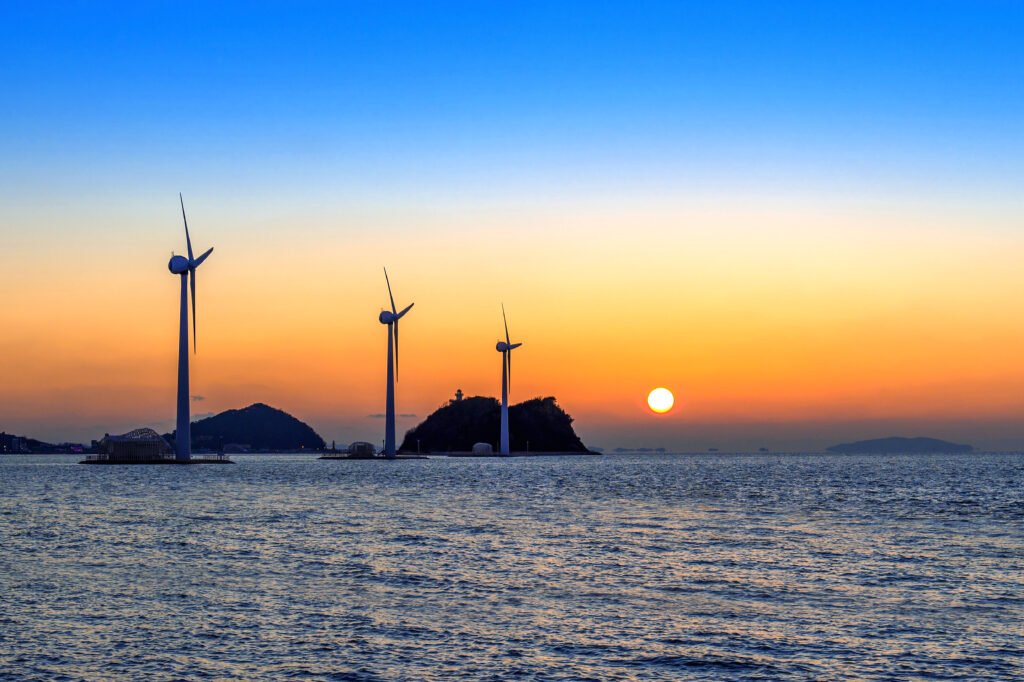
As the world races toward cleaner and more reliable power systems, the vast oceans—covering more than 70% of Earth’s surface—have emerged as one of the most promising frontiers for sustainable energy. Ocean renewable energy refers to a range of technologies that harness the power of waves, tides, currents, temperature differences, and offshore winds to generate electricity. With growing global demand for clean energy and the accelerating transition away from fossil fuels, ocean-based solutions are quickly becoming essential pillars of the emerging blue economy.
In this blog, we explore the different types of ocean renewable energy technologies, their benefits, real-world applications, and the role they play in transforming coastal development and global sustainability.
Understanding Ocean Renewable Energy
Ocean renewable energy comprises several distinct technologies, each leveraging a different natural phenomenon from the marine environment:
- Wave Energy – Generated by the movement of surface waves.
- Tidal Energy – Extracted from predictable tides caused by gravitational forces.
- Ocean Thermal Energy Conversion (OTEC) – Utilizes the temperature gradient between warm surface water and cold deep water.
- Salinity Gradient Power – Produced from the difference in salt concentration between seawater and freshwater.
- Offshore Wind Energy – Harnesses strong and consistent winds at sea.
Collectively, these technologies unlock a massive, mostly untapped energy resource—one that could provide stable, predictable, and clean power across the globe.
1. Wave Energy: Power from the Motion of the Ocean
Wave energy converters (WECs) capture energy from the rise and fall of waves. Devices such as oscillating water columns, point absorbers, and attenuators are installed nearshore, offshore, or onshore, depending on design.
Why Wave Energy Matters
- Waves are continuous and abundant.
- Energy output is relatively predictable and consistent.
- Infrastructure can be co-located with marine farms or desalination units.
Countries like Portugal, Australia, and the UK have already deployed several pilot projects demonstrating the potential of wave-based ocean renewable energy systems.
2. Tidal Energy: Predictable and Highly Reliable
Among all marine energy sources, tidal energy is one of the most predictable. Tidal turbines—similar to underwater wind turbines—convert the kinetic energy of tidal currents into electricity. Tidal barrages and lagoons also trap water during high tide and release it through turbines at low tide.
Benefits of Tidal Power
- Completely predictable energy forecasts.
- High capacity factor compared to solar or wind.
- Minimal visual impact as installations are underwater.
The world’s largest tidal power station in South Korea and various projects in Europe highlight how tidal systems can contribute significantly to national grids.
3. Ocean Thermal Energy Conversion (OTEC): Energy from Temperature Differences
OTEC is a process that leverages the natural temperature gradient between warm surface seawater and cold deep seawater to run a heat engine and generate power. It is especially effective in tropical regions where the temperature difference is ideal.
Advantages of OTEC
- Provides baseload power—continuous and stable.
- Can support freshwater generation, aquaculture, and cooling systems.
- Offers additional byproducts like hydrogen production.
Although still evolving, OTEC holds tremendous potential for island nations that depend heavily on expensive diesel-based energy.
4. Offshore Wind Energy: Scaling the Future of Marine Power
Offshore wind—now a dominant part of the ocean renewable energy landscape—uses high-speed maritime winds to operate large-scale wind turbines. Floating offshore wind farms are currently revolutionizing the sector by allowing installations in deeper waters.
Why Offshore Wind Is Growing Rapidly
- Higher and more consistent wind speeds at sea.
- Ability to host large turbines not feasible on land.
- Minimal land-use conflicts.
Countries including the UK, China, Denmark, and the US are rapidly expanding offshore wind capacity, making it a major driver of global renewable energy goals.
5. Salinity Gradient Power: Energy from Saltwater and Freshwater Mix
Also known as blue energy, this form of ocean renewable energy generates power from the chemical potential difference when freshwater meets seawater. Technologies like pressure-retarded osmosis (PRO) and reverse electrodialysis (RED) are being tested globally.
Key Benefits
- Ideal for estuaries where rivers meet oceans.
- Clean and environmentally friendly.
- Operates continuously, independent of weather.
Though still emerging, it has the potential to add significant power in regions with large river systems.
How Ocean Renewable Energy Supports the Blue Economy
The blue economy focuses on the sustainable use of ocean resources for economic growth, improved livelihoods, and ocean ecosystem health. As coastal nations increasingly prioritize sustainable development, ocean energy technologies offer multiple social, economic, and environmental benefits.
1. Creating Jobs and Economic Opportunities
Manufacturing, installation, maintenance, research, and marine logistics generate thousands of skilled jobs. Regions with strong maritime industries are especially well-positioned to benefit.
2. Reducing Carbon Emissions
Ocean renewable energy significantly cuts reliance on fossil fuels. Its adoption supports climate commitments and accelerates the path toward net-zero emissions.
3. Powering Remote and Island Communities
Many island nations face high electricity costs due to diesel imports. Ocean energy provides a stable, local energy source that enhances energy security and reduces costs.
4. Supporting Marine Conservation
Innovation in marine energy has led to improved ocean monitoring systems, habitat protection, and sustainable marine spatial planning.
5. Enabling Multi-Use Offshore Platforms
Ocean energy installations can be combined with:
- Aquaculture farms
- Desalination plants
- Marine research stations
- Carbon capture systems
These integrations optimize ocean space while supporting sustainable development.
Challenges Facing Ocean Renewable Energy
While promising, ocean energy technologies face notable challenges:
Technical Challenges
Marine environments are harsh, leading to corrosion, biofouling, and structural fatigue. Advanced materials and design improvements are under development to address these.
High Initial Costs
Although operating costs are low, early-stage projects require significant investment for design, testing, and deployment.
Environmental Considerations
Projects must ensure minimal impact on marine life, fisheries, and coastal ecosystems. Modern monitoring systems and eco-friendly designs are enhancing sustainability.
Limited Large-Scale Deployment
Most technologies are still in pilot or demonstration phases. Scaling up will require supportive policies, R&D funding, and industry partnerships.
The Future of Ocean Renewable Energy
The global energy transition is accelerating, and ocean renewable energy is expected to play a transformative role in diversifying the energy mix. With ongoing research, technological breakthroughs, and declining deployment costs, the sector is poised for rapid expansion.
Future developments may include:
- Fully integrated offshore energy hubs combining wind, wave, and hydrogen production.
- AI-based monitoring systems for smart marine operations.
- Large-scale OTEC plants in tropical regions.
- Advanced floating platforms supporting multi-use infrastructure.
As nations work toward climate resilience and economic sustainability, oceans will stand at the center of the clean-energy revolution.
Conclusion
Ocean renewable energy represents a powerful, sustainable, and largely untapped resource capable of fueling the blue economy for generations to come. Its diverse technologies—wave, tidal, OTEC, salinity gradient, and offshore wind—offer reliable, clean solutions to global energy challenges. By investing in innovation and responsible development, the world can unlock the immense potential of ocean ecosystems while protecting the planet for future generations.