Why Renewable Resources Matter for Economic and Environmental Growth
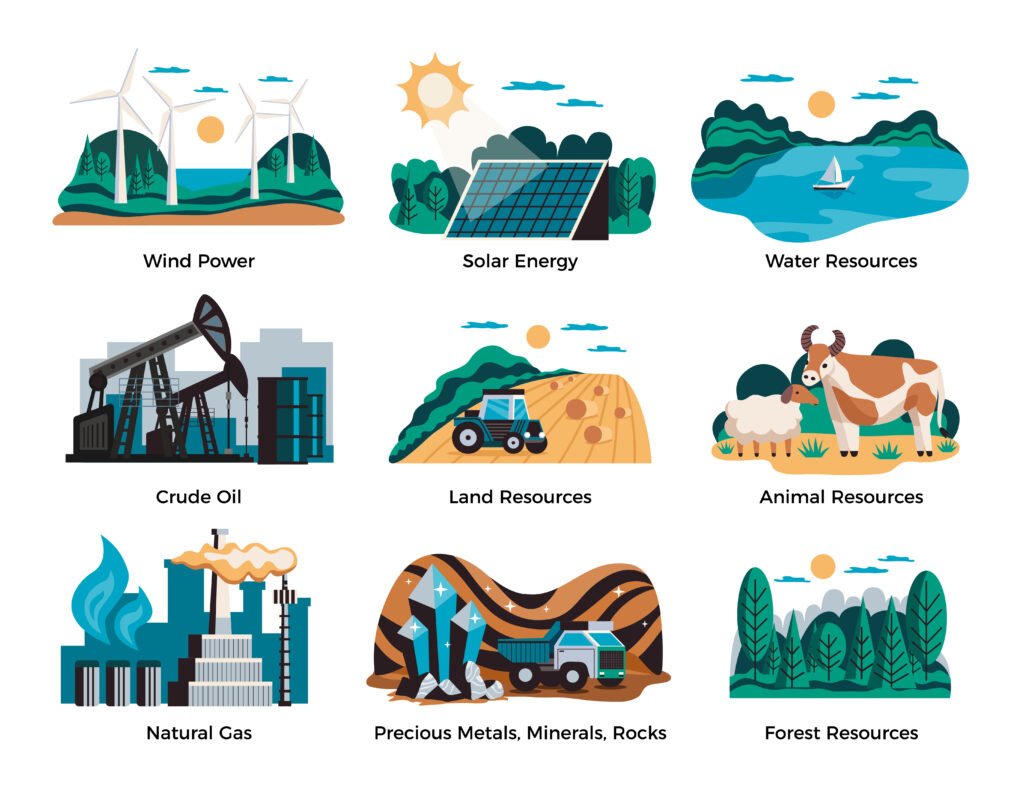
Renewable resources are rapidly becoming the backbone of a sustainable global economy. As nations face the dual challenges of climate change and economic uncertainty, the shift toward offers a powerful solution that supports both environmental protection and long-term economic growth. From solar and wind to hydropower and biomass, are reshaping how energy is produced, consumed, and valued across industries.
This growing focus onis not just an environmental trend—it is a strategic economic move that promises resilience, innovation, and inclusive development.
Understanding Renewable Resources
Renewable resources are natural resources that can be replenished naturally over a short period of time. Unlike fossil fuels, which take millions of years to form and are finite in supply, such as sunlight, wind, water, and organic materials are continuously available when managed responsibly.
Common examples of renewable resources include:
- Solar energy
- Wind energy
- Hydropower
- Biomass energy
- Geothermal energy
These resources are central to building cleaner energy systems that reduce pollution while meeting growing global energy demands.
Environmental Benefits of Renewable Resources
One of the most compelling reasonsmatter is their positive impact on the environment. Traditional energy sources like coal and oil are major contributors to greenhouse gas emissions, air pollution, and ecosystem damage. In contrast, generate energy with minimal environmental harm.
Reducing Carbon Emissions
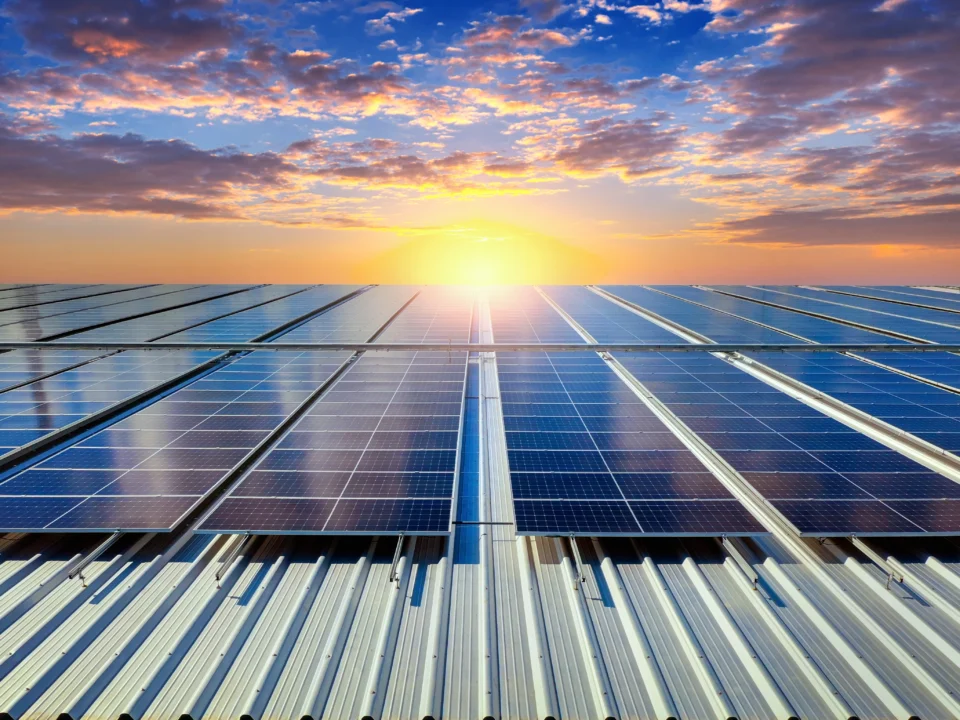
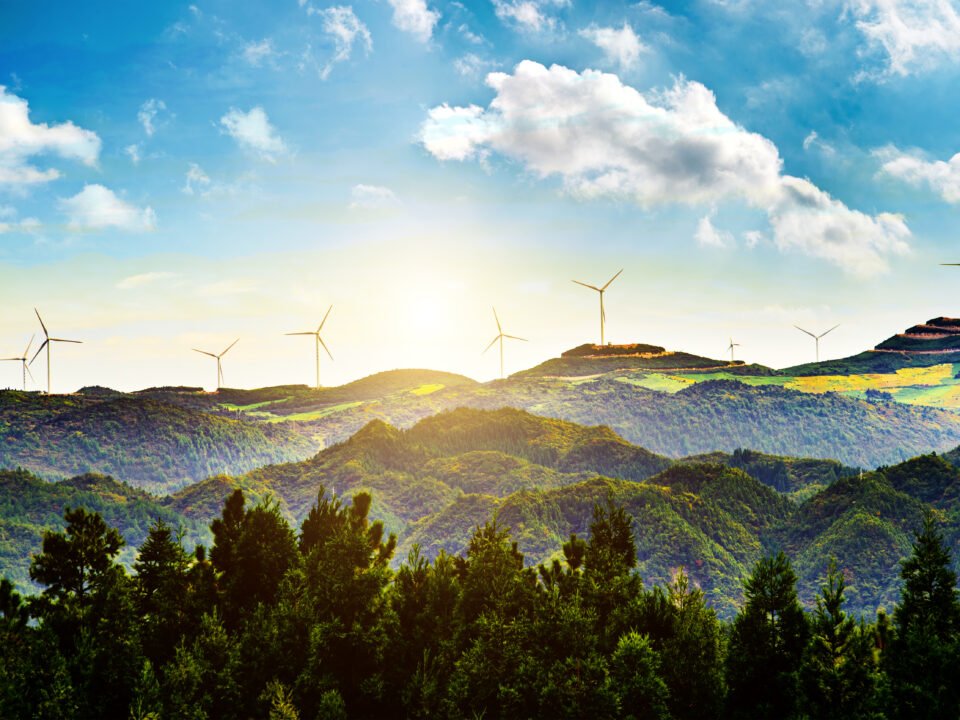
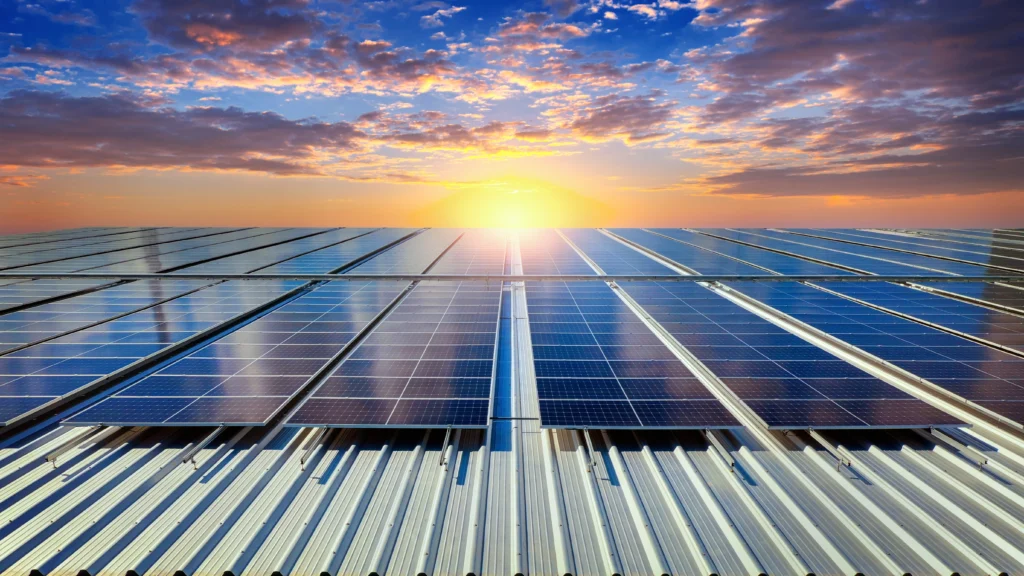
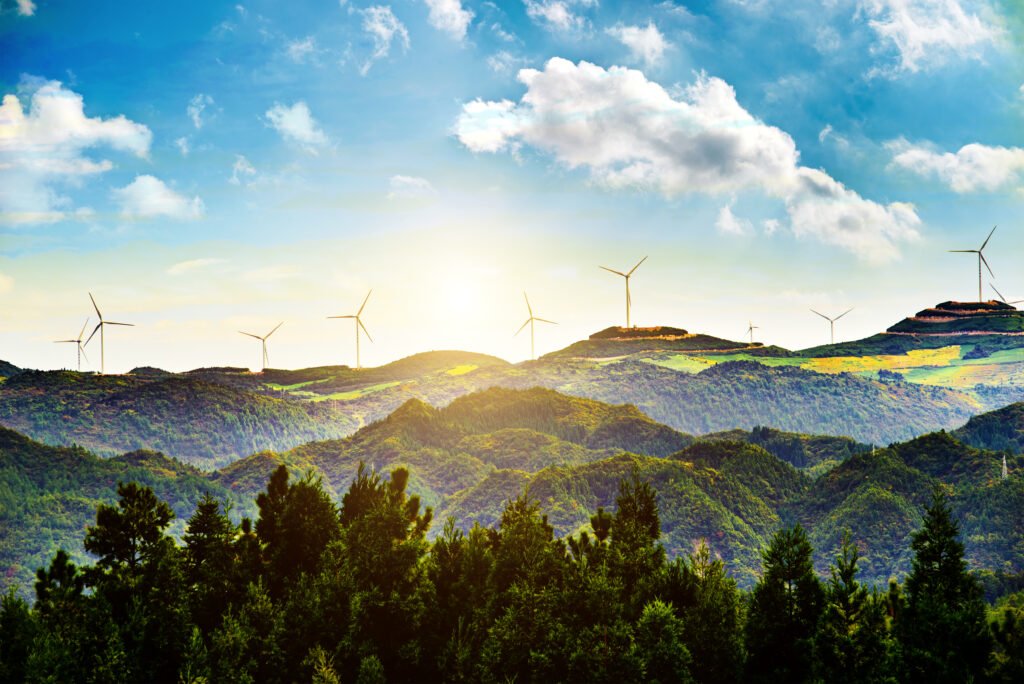
Renewable resources play a critical role in lowering carbon emissions. Solar panels and wind turbines produce electricity without releasing carbon dioxide, helping slow global warming and reduce the severity of climate-related disasters.
Protecting Natural Ecosystems
Fossil fuel extraction often leads to deforestation, water contamination, and habitat loss. , when carefully planned and managed, significantly reduce these risks and help preserve biodiversity.
Improving Air and Water Quality
Cleaner energy from renewable resources results in fewer pollutants such as sulfur dioxide and nitrogen oxides. This leads to improved air quality, reduced health risks, and cleaner water systems, especially in densely populated regions.
Economic Growth Driven by Renewable Resources
Beyond environmental protection, are powerful engines of economic growth. Investments in renewable energy infrastructure stimulate job creation, technological advancement, and energy independence.
Job Creation and Skill Development
The renewable energy sector creates jobs across manufacturing, installation, maintenance, research, and project management. As s expand, they offer employment opportunities for both skilled and semi-skilled workers, supporting inclusive economic development.
Lower Energy Costs Over Time
Although initial investments in can be high, operational costs are relatively low. Solar and wind energy, in particular, benefit from free fuel sources, which helps stabilize electricity prices and protect economies from volatile fossil fuel markets.
Encouraging Innovation and Investment
Renewable resources drive innovation in energy storage, smart grids, and efficiency technologies. Governments and private investors increasingly fund renewable projects, attracting capital and encouraging entrepreneurship in green industries.
Energy Security and Independence
Renewable resources contribute significantly to national energy security. Countries that rely heavily on imported fossil fuels are vulnerable to price fluctuations and geopolitical tensions. By developing domestic , nations can reduce dependence on imports and strengthen energy independence.
Decentralized renewable systems such as rooftop solar panels and local wind farms also improve resilience by reducing the risk of large-scale power outages. This reliability is especially valuable for rural and remote areas.
Renewable Resources and Sustainable Development
Renewable resources are closely linked to sustainable development goals. They support economic growth while ensuring that future generations can meet their own needs.
Supporting Rural and Local Economies
Renewable energy projects often benefit rural communities by providing local jobs, infrastructure development, and access to reliable power. Biomass and small hydropower projects, for example, can boost local economies while utilizing region-specific renewable resources.
Promoting Social Equity
Access to affordable energy is essential for education, healthcare, and economic opportunity. help expand energy access in underserved regions, reducing inequality and improving quality of life.
Challenges in Adopting Renewable Resources
While renewable resources offer many advantages, challenges remain. Intermittency, storage limitations, land use concerns, and initial capital costs can slow adoption. However, continuous technological advancements and supportive government policies are addressing these barriers.
Energy storage solutions like batteries and pumped hydro systems are improving reliability, while smart grids help balance supply and demand more efficiently. As innovation continues, are becoming more accessible and cost-effective.
The Role of Policy and Public Awareness
Government policies play a crucial role in accelerating the adoption of renewable resources. Incentives such as tax benefits, subsidies, and renewable energy targets encourage investment and innovation. Public awareness and community participation are equally important in building support for renewable projects.
Educating consumers about the long-term economic and environmental benefits of helps drive demand and fosters a culture of sustainability.
The Future of Renewable Resources
The future of renewable resources is promising. As technology advances and costs continue to decline, renewable energy is expected to dominate global power generation. Innovations in green hydrogen, offshore wind, and next-generation solar technologies will further expand the potential of renewable resources.
For businesses, governments, and individuals alike, investing in is no longer optional—it is essential for sustainable economic and environmental growth.
Conclusion
Renewable resources matter because they offer a balanced solution to two of the world’s most pressing challenges: economic development and environmental protection. By reducing emissions, creating jobs, enhancing energy security, and supporting sustainable development, renewable resources lay the foundation for a cleaner and more resilient future.
As the global transition accelerates, embracingwill be key to achieving long-term prosperity while safeguarding the planet for generations to come.