How Round-the-Clock Renewable Energy Is Transforming India’s Power Sector
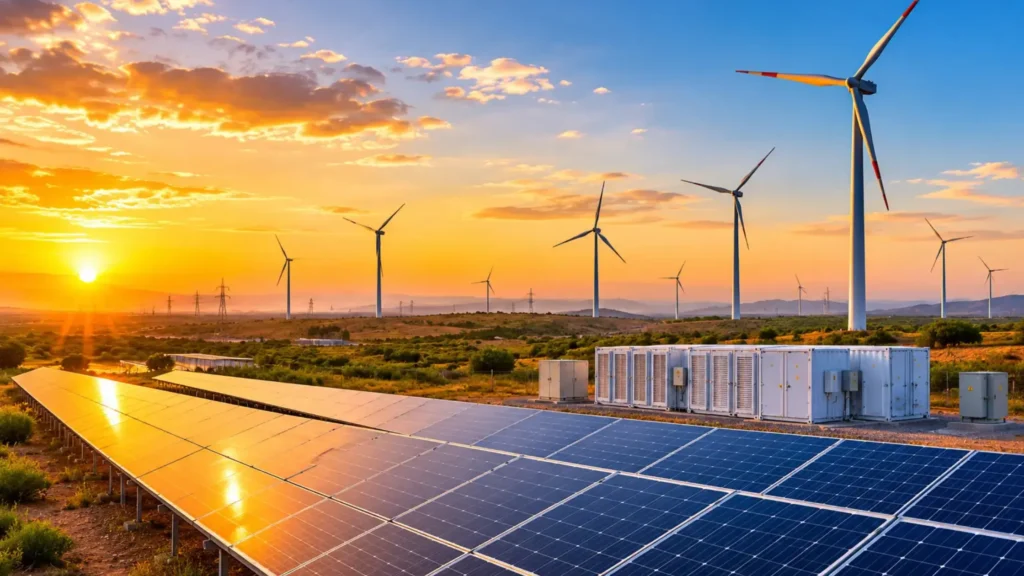
For most of the last decade, renewable energy in India has carried one honest caveat: the sun sets, and the wind doesn’t always blow on schedule. That gap between “clean” and “reliable” has long been the strongest argument against a faster coal phase-down. In 2026, that argument is losing ground fast. A new category of power plant, one that pairs solar, wind, and battery storage into a single dispatchable unit, is moving from pilot project to national tender pipeline. It’s called round-the-clock (RTC) or firm and dispatchable renewable energy (FDRE), and it’s quietly becoming the most consequential renewable energy trend in India this year.
What Is Round-the-Clock Renewable Energy?
Round-the-clock renewable energy describes a hybrid power plant, usually solar and wind co-located with battery storage, that supplies electricity against a fixed schedule rather than whatever the weather happens to produce. Instead of a distribution company (discom) taking power whenever a solar or wind asset generates it, the developer commits to delivering an agreed amount of power during specific hours, often a four-hour evening peak window, every single day.
The Ministry of Power formalized this model under its FDRE guidelines in June 2023, built around a specific performance metric: the Demand Fulfillment Ratio (DFR). Developers are typically required to hit a minimum DFR of around 90% on a monthly basis, measured as power actually scheduled and injected against the demand the buying discom specified for that time block. Fall short too often, and the developer pays a penalty. It’s a fundamentally different risk profile from a standard solar or wind power purchase agreement, and that’s the point: it turns renewable energy into something a grid operator can plan around, not just something it has to absorb.
Why 2026 Is the Turning Point
This shift has been building for a while, but the numbers explain why it’s accelerating now. India’s renewable energy capacity crossed roughly 288 GW by early 2026, with solar alone contributing about 150 GW and wind around 56 GW. As that share of weather-dependent generation climbs, grid stability stops being a theoretical concern and becomes an operational one, especially during the evening ramp when solar output drops off just as household demand rises.
Since the 2023 guidelines, central and state agencies including SECI, SJVN, NHPC, and NTPC have floated more than ten FDRE tenders totaling over 14 GW of capacity, with roughly 10 GW already under construction. That’s a meaningful share of India’s renewable pipeline now being built specifically for firmness and dispatchability, not just capacity addition.
Proof It Works: 2026’s Milestone Projects
This year produced the first hard evidence that the model works at scale. Juniper Green Energy became the first developer in the country to begin commissioning an FDRE project: an integrated 259 MWp solar, 280 MW wind, and 200 MWh battery storage facility spanning Rajasthan and Gujarat, built under SJVN’s FDRE scheme to supply Haryana just as summer demand peaks.
The pipeline behind it is significant. In June 2026, SECI launched its FDRE-IX tender seeking 1,200 MW of firm capacity paired with 4,800 MWh of co-located battery storage — the largest storage-linked renewable tender the country has seen, with bids due by July 20. Days later, Serentica Renewables signed a power purchase agreement with SECI for a separate 600 MW FDRE project, a sign this is now a competitive field with multiple serious developers, not a one-off experiment.
The Economics Are Starting to Work Too
Firm renewable power used to carry an obvious cost penalty next to standalone solar or wind. That gap is narrowing quickly. Recent FDRE tenders have discovered tariffs of around INR 4.76–4.77 per kWh, already below the average power procurement cost most states paid in 2024–25 (about INR 5.38 per kWh). FDRE projects also commission in roughly two to two-and-a-half years, compared with five to seven years for new thermal capacity, letting developers add firm power to the grid on a fraction of the timeline.
Research from the International Institute for Sustainable Development and CSTEP suggests FDRE could reach full cost parity with new thermal generation by 2030, and is arguably already cheaper than coal once thermal power’s full social and health costs are counted. Much of that competitiveness comes from developers deliberately oversizing their renewable and storage capacity, then selling the surplus on the open market outside the guaranteed supply window — turning a compliance obligation into a second revenue stream.
Where This Leaves Developers Like Alfa Infraprop
FDRE tenders are, almost by design, built for companies that already operate both solar and wind assets rather than a single technology. A developer with only a solar portfolio, or only wind, typically needs to bring in a partner or add storage from scratch to bid competitively. Companies already running utility-scale solar PV and wind farms across multiple states start from a structural advantage.
It’s also worth viewing this model alongside thermal power rather than simply against it. FDRE was built to answer the exact question thermal capacity has traditionally solved: how do you guarantee power during a fixed demand window, not just when the resource happens to be available? As tender volumes grow and costs keep falling, FDRE is increasingly a faster, lower-carbon route to that same answer, and one worth watching closely for any developer weighing both renewable expansion and new thermal capacity.
What Still Needs to Be Solved
None of this makes FDRE a universal replacement for standalone renewables. Early tenders exposed real uncertainty around the optimal ratio of solar, wind, and storage capacity, and the DFR penalty structure adds a layer of performance risk that plain solar or wind PPAs don’t carry. Battery costs and supply chains remain a genuine constraint too, though India has started addressing this directly, including a basic customs duty exemption on capital goods for lithium-ion cell manufacturing running from February 2026 through March 2028, aimed at reducing reliance on imported battery packs.
Because guaranteeing firm delivery costs more, FDRE isn’t meant to replace every solar or wind project on the grid either. It works best where a discom’s demand profile specifically calls for it, alongside continued growth in standalone renewables, storage, and smarter grid management elsewhere.
The Road Ahead
Round-the-clock renewable energy is the clearest sign yet that India’s clean energy sector is maturing past the “add more capacity” phase and into the harder, more valuable work of matching that capacity to actual demand. With over 14 GW already tendered, the first projects live on the grid, and costs falling toward parity with thermal, FDRE is on track to become a standard part of how utility-scale solar and wind get built in India, not a niche pilot program. For developers with both solar and wind already in their portfolio, the opportunity is less about entering a new market and more about being ready for a tender pipeline that’s already here.
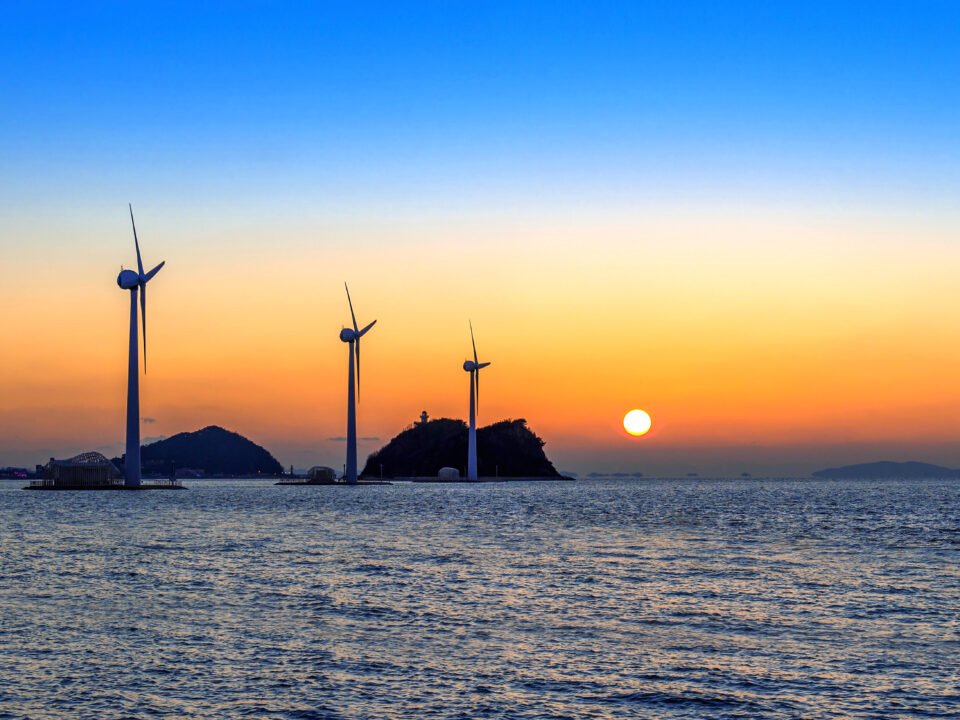
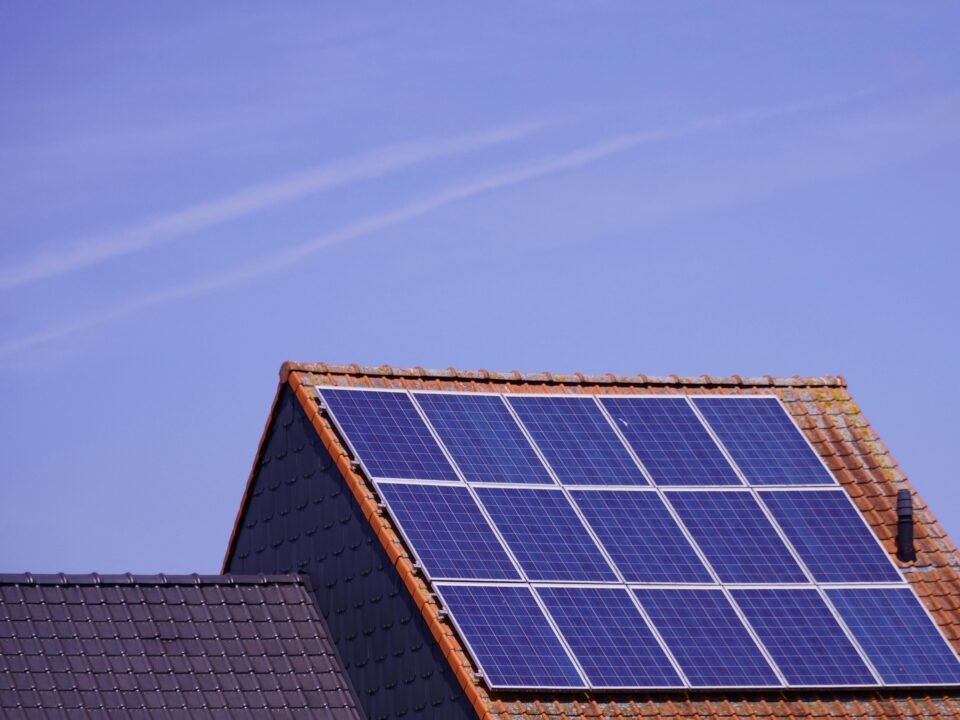
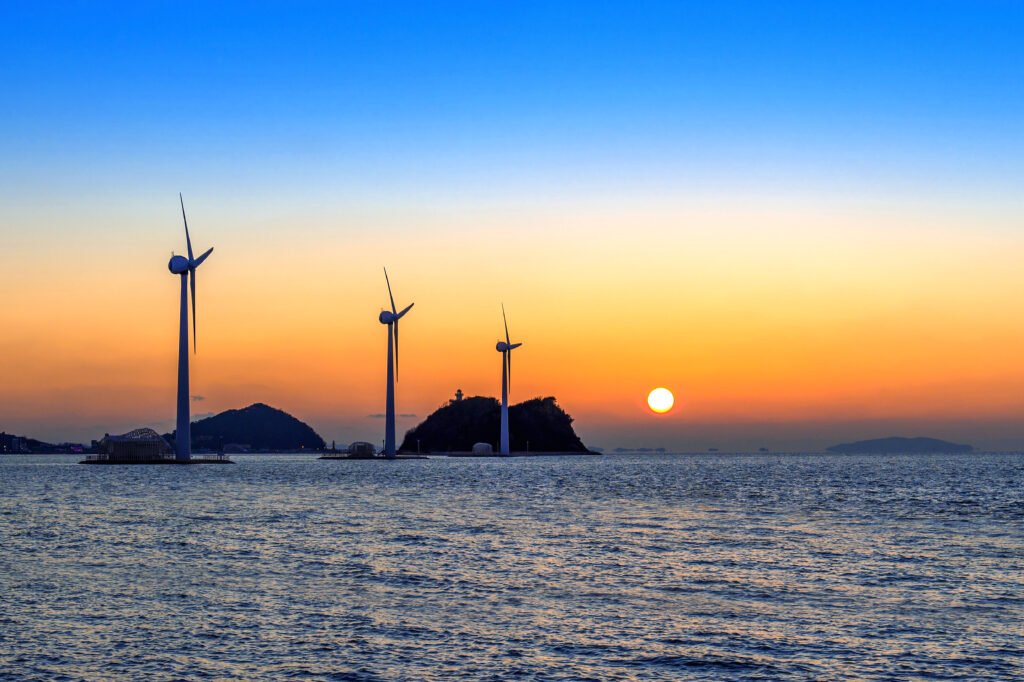
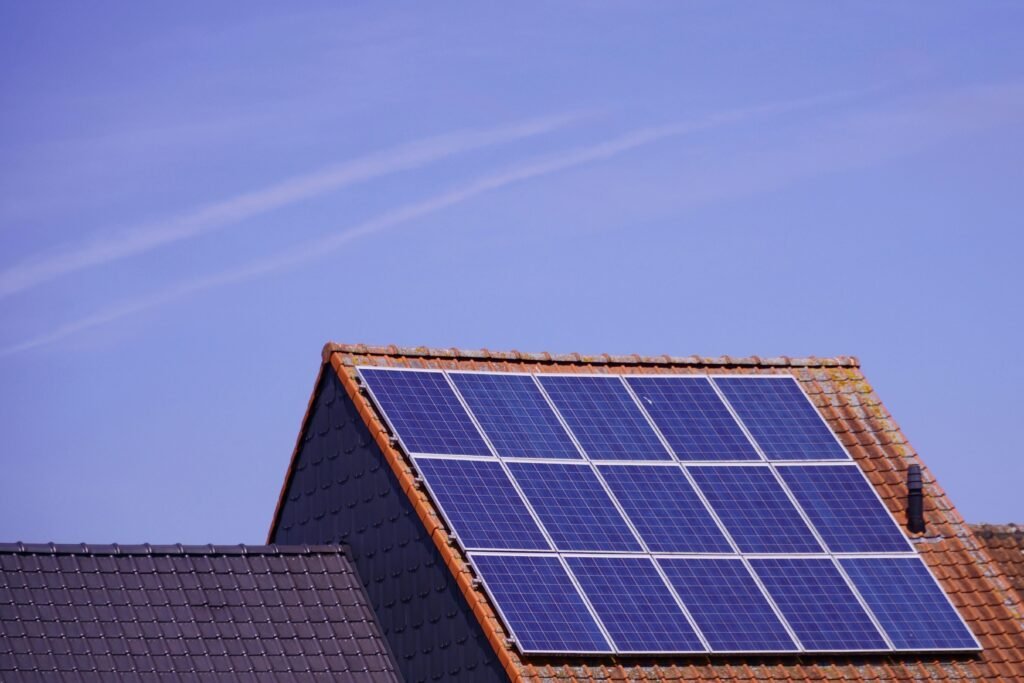
Production notes: Suggested featured image — a split or composite shot showing solar panels and wind turbines at the same site (visually reinforces the “hybrid” angle better than stock photos of either technology alone). Internal-link opportunities: your existing posts on energy storage in utility-scale solar/wind and green energy in India policy would both pair naturally with this one.