How the Share of Renewable Energy in India Is Growing Year by Year
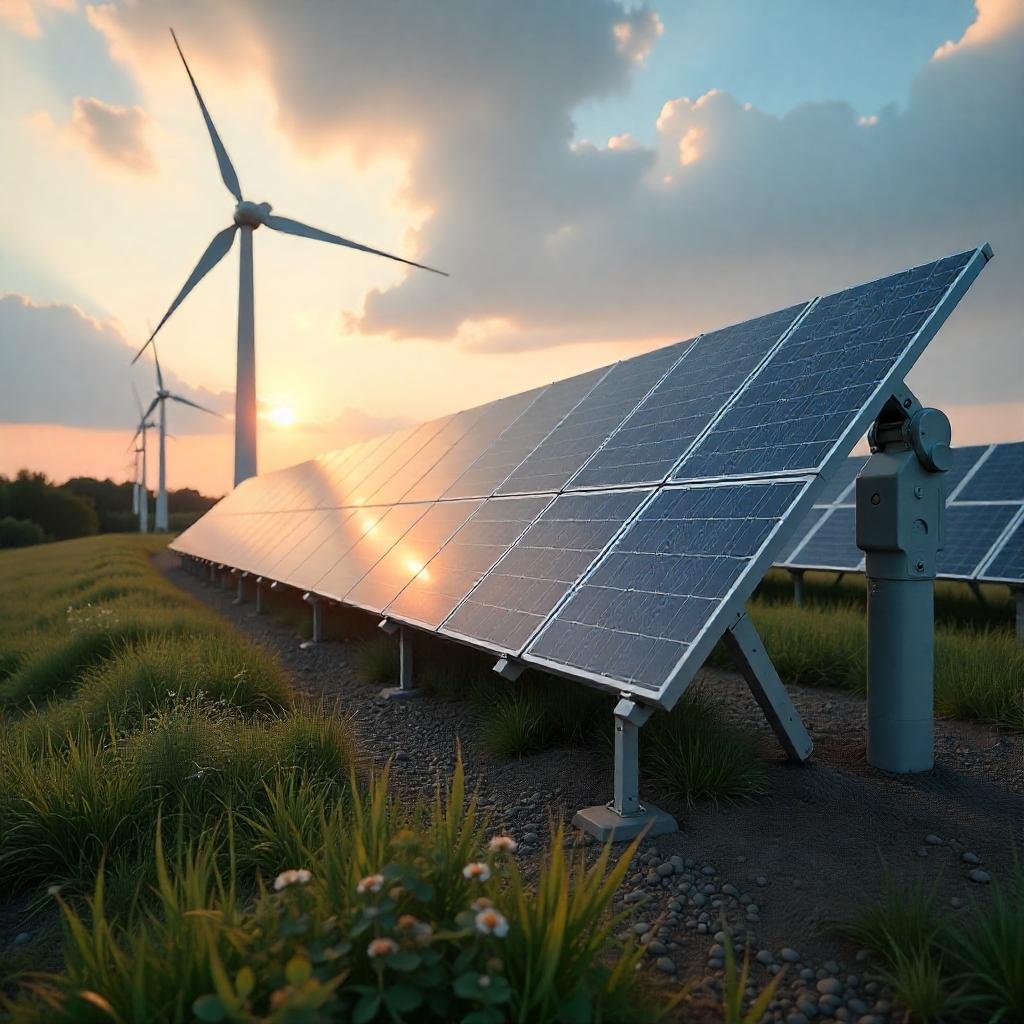
India is witnessing a major transformation in its energy landscape. As concerns over climate change, energy security, and rising fuel costs grow, the country is steadily shifting away from fossil fuels toward cleaner alternatives. At the heart of this transformation is the increasing share of renewable energy in India, which has expanded significantly over the past decade. This growth reflects strong policy support, technological advancements, and rising awareness of sustainable development.
Understanding Renewable Energy in the Indian Context
Renewable energy refers to energy derived from natural sources such as sunlight, wind, water, biomass, and geothermal heat. In India, renewable energy primarily includes solar power, wind power, hydropower, biomass, and small hydro projects. These sources are naturally replenished and produce minimal greenhouse gas emissions compared to coal or oil-based power generation.
The share of renewable energy in India has become a key indicator of the country’s progress toward a low-carbon economy. With a rapidly growing population and increasing electricity demand, India’s focus on renewables is not just an environmental necessity but also an economic and strategic one.
Historical Growth of Renewable Energy in India
In the early 2000s, renewable energy contributed only a small fraction of India’s total power generation capacity. Coal dominated the energy mix, and renewable technologies were relatively expensive and less efficient. However, things began to change with supportive government policies, falling technology costs, and global commitments to reduce carbon emissions.
Over the years, the share of renewable energy in India has steadily increased. Solar and wind power have emerged as the fastest-growing segments, supported by large-scale investments and ambitious national targets. Today, India ranks among the world’s top countries in installed renewable energy capacity.
Government Policies Driving Growth
One of the main reasons behind the rising share of renewable energy in India is strong policy support from the government. Several initiatives have played a crucial role, including:
- National Solar Mission, which aims to make solar energy affordable and widely available
- Renewable Purchase Obligations (RPOs) that require power distributors to buy a certain percentage of renewable power
- Production Linked Incentive (PLI) schemes to promote domestic manufacturing of solar modules
- Green Energy Corridors to improve transmission infrastructure for renewable power
These policies have created a favorable environment for investment and innovation, accelerating the growth of renewable energy year by year.
Solar Energy: The Biggest Contributor
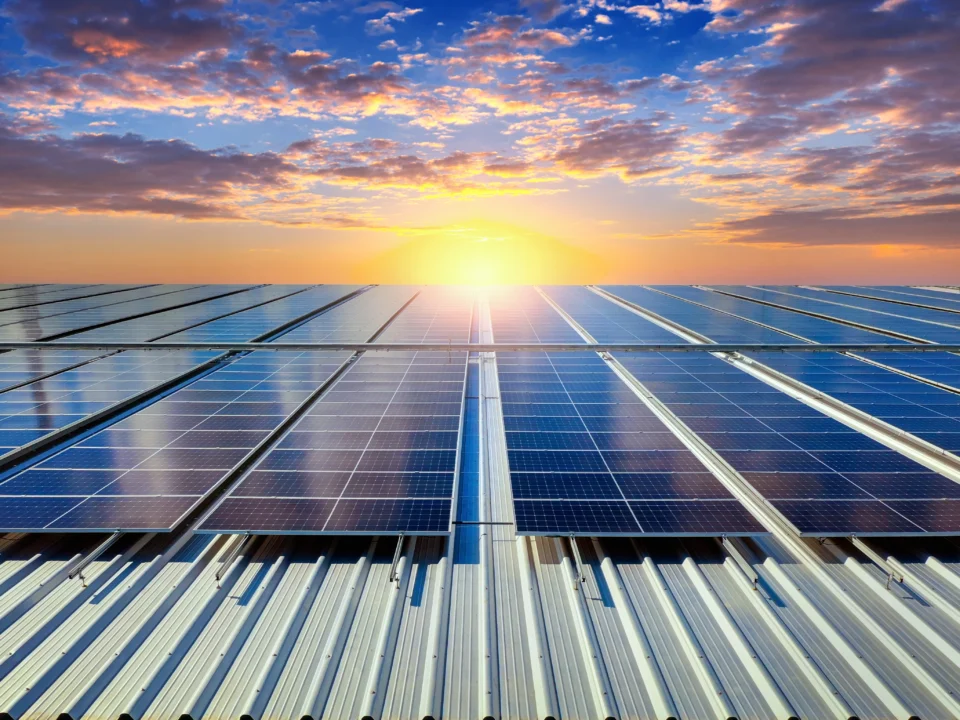
Solar power has been the largest driver behind the growing share of renewable energy in India. With abundant sunlight across most regions, India has immense solar potential. Large-scale solar parks, rooftop solar installations, and off-grid solar solutions have expanded rapidly.
The falling cost of solar panels and improved efficiency have made solar energy one of the cheapest sources of electricity in the country. As a result, solar power now contributes a significant portion of India’s renewable energy capacity and continues to grow at a rapid pace.
Wind Energy and Other Renewable Sources
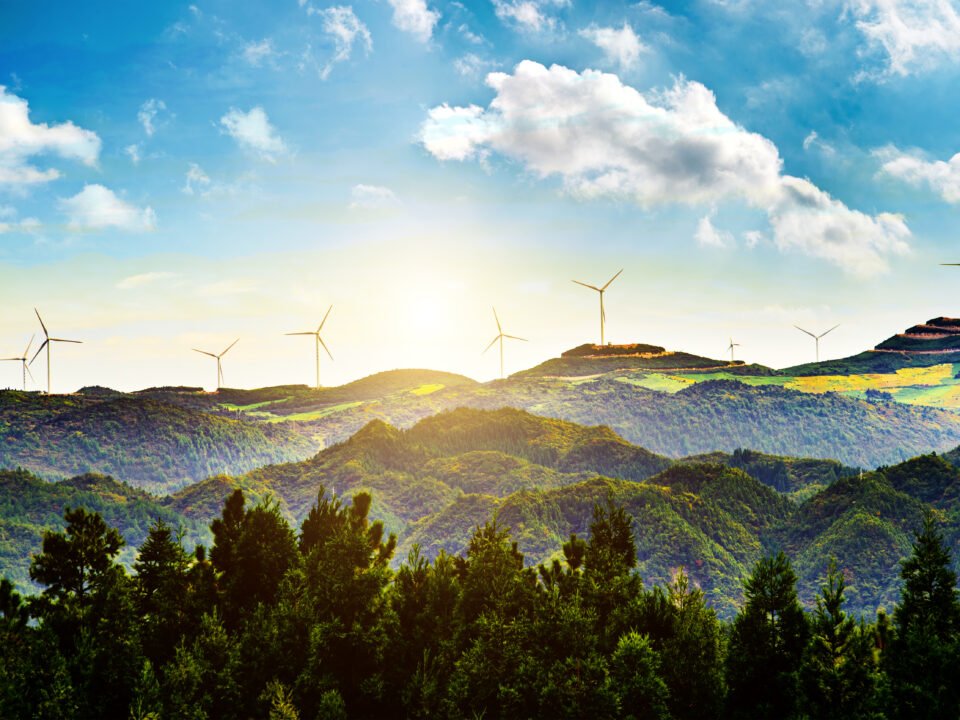
Wind energy is another major contributor to the share of renewable energy in India. States like Tamil Nadu, Gujarat, Karnataka, and Maharashtra have strong wind resources and host large wind farms. Offshore wind projects are also being explored to further expand capacity.
Hydropower, biomass, and small hydro projects add diversity to India’s renewable energy mix. While large hydropower has faced environmental and social challenges, small hydro and biomass projects continue to support rural electrification and energy access.
Economic and Environmental Benefits
The increasing share of renewable energy in India brings multiple benefits. Environmentally, it helps reduce greenhouse gas emissions, improve air quality, and conserve natural resources. Economically, renewable energy reduces dependence on imported fossil fuels, improving energy security and saving foreign exchange.
Additionally, the renewable energy sector has become a major source of employment. From manufacturing and installation to operation and maintenance, renewables are creating millions of jobs across urban and rural areas.
Challenges in Expanding Renewable Energy Share
Despite impressive growth, increasing the share of renewable energy in India is not without challenges. Renewable energy sources like solar and wind are intermittent, meaning they depend on weather conditions. This creates issues for grid stability and energy storage.
Land acquisition, transmission infrastructure, and financing also remain key challenges. Integrating renewable power into the existing grid requires significant upgrades, including battery storage systems and smart grid technologies.
Role of Technology and Innovation
Technological advancements are playing a crucial role in overcoming these challenges. Improvements in battery storage, hybrid renewable systems, and digital energy management are helping stabilize power supply. Innovations such as green hydrogen are also expected to boost the share of renewable energy in India by providing clean fuel alternatives for industries and transport.
As technology continues to evolve, renewable energy will become more reliable, efficient, and cost-effective, further accelerating its adoption.
Future Outlook for Renewable Energy in India
Looking ahead, the future of renewable energy in India appears promising. The government has set ambitious targets for renewable capacity expansion, signaling a long-term commitment to clean energy. With continued policy support, private sector participation, and technological innovation, the share of renewable energy in India is expected to rise significantly in the coming years.
This transition will not only help India meet its climate commitments but also support sustainable economic growth and energy independence.
Conclusion
The year-by-year growth in the share of renewable energy in India highlights the country’s determination to build a cleaner and more sustainable energy future. While challenges remain, the progress achieved so far demonstrates that renewable energy is no longer a niche option but a central pillar of India’s power sector. As investments increase and technologies improve, renewable energy will continue to play a vital role in shaping India’s development journey.