The Growing Importance of Non Conventional Sources of Energy in Modern Living

In today’s rapidly evolving world, energy demands are increasing at an unprecedented pace. Traditional sources like coal, oil, and natural gas have dominated global energy consumption for centuries, but their limitations—environmental degradation, price fluctuations, and finite availability—have paved the way for alternative solutions. This is where non conventional sources of energy are emerging as a game-changing force. These renewable and eco-friendly energy sources are not only helping nations diversify their energy mix but are also shaping a sustainable future for generations to come.
As climate change intensifies and global carbon emissions continue to rise, countries worldwide are prioritizing cleaner and greener options. Whether it’s solar energy powering homes, wind farms lighting cities, or biomass driving rural economies, non conventional sources of energy are revolutionizing the way the world thinks about power generation.
Understanding Non Conventional Sources of Energy
Non conventional sources of energy refer to renewable, sustainable, and environmentally friendly sources that are naturally replenished. Unlike conventional fossil fuels, these alternatives do not contribute heavily to pollution or global warming. Some of the most widely adopted non conventional energy sources include:
1. Solar Energy
Solar energy is one of the most abundant and accessible non conventional sources of energy. Sunlight is captured using photovoltaic panels or solar thermal systems to generate electricity or heat. With falling solar installation costs and increasing efficiency, solar power is rapidly becoming a preferred choice for both residential and commercial use. Countries like India are investing heavily in solar parks and rooftop solar setups to meet rising energy demands sustainably.
2. Wind Energy
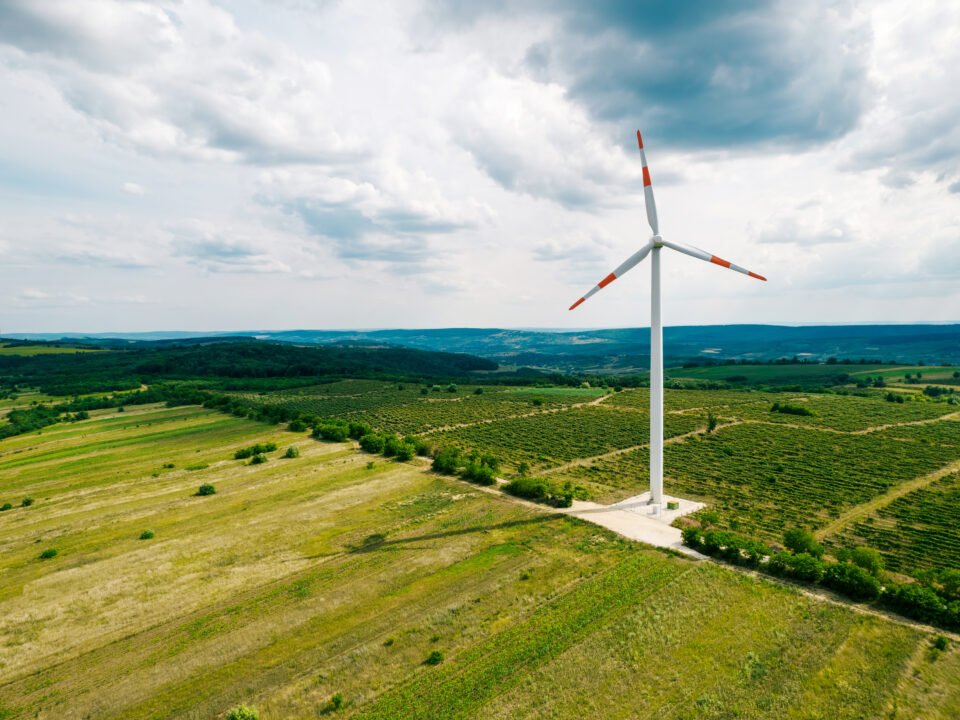
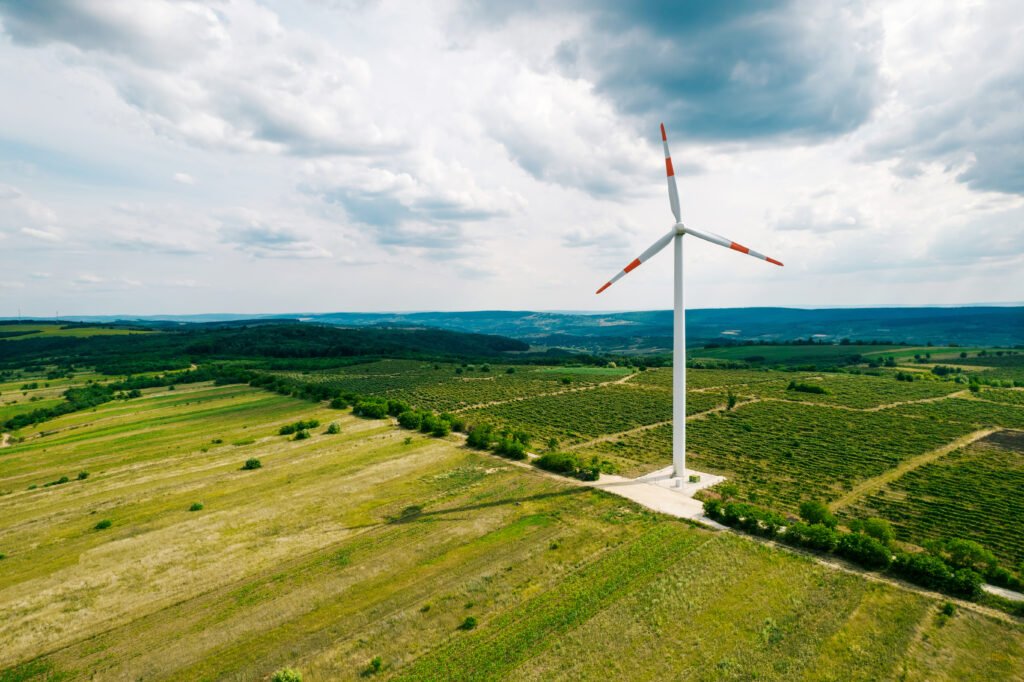
Wind power harnesses the kinetic energy of the wind using turbines. Large-scale wind farms are now common in both coastal and high-altitude regions. Innovations such as floating wind turbines are expanding possibilities even further. As a clean and reliable power source, wind energy significantly reduces carbon footprints and dependence on fossil fuels.
3. Hydropower
Hydropower has been a trusted renewable energy source for decades. It uses the force of moving water—rivers, waterfalls, or tides—to generate electricity. Modern advancements in micro-hydel power plants and tidal power stations are making hydro energy even more efficient and accessible.
4. Biomass Energy
Biomass energy is produced from organic materials such as agricultural waste, wood, and animal dung. In rural regions, this energy source plays a crucial role in cooking, heating, and even electricity production. The use of biomass helps reduce waste, minimize pollution, and provide a sustainable livelihood to farmers.
5. Geothermal Energy
Geothermal energy taps into the heat stored beneath the Earth’s crust. It is a reliable and consistent power source, especially in geologically active regions. Geothermal plants provide baseload power with minimal environmental impact, making it an important contributor to renewable energy portfolios.
Why Non Conventional Sources of Energy Matter Today
The growing importance of non conventional sources of energy is closely linked to global sustainability goals. Here are some of the key reasons why these energy sources are becoming essential in modern living:
1. Environmental Protection
One of the biggest advantages of adopting non conventional energy sources is the significant reduction in greenhouse gas emissions. Solar, wind, and hydro energy generate electricity without releasing harmful pollutants, helping countries combat air pollution and global warming.
2. Energy Security
Overdependence on fossil fuels can leave countries vulnerable to supply shortages, geopolitical tensions, and price volatility. Non conventional energy sources are locally available and renewable, ensuring long-term energy security and stability.
3. Cost Efficiency
While the initial setup cost for renewable energy systems may be high, the long-term operational costs are significantly lower. Solar panels, for instance, require minimal maintenance and offer free energy once installed. Governments around the world are also offering incentives, subsidies, and tax benefits to encourage adoption.
4. Employment Generation
The renewable energy sector creates millions of green jobs globally. From manufacturing and installation to maintenance and research, the shift towards non conventional sources of energy is boosting employment opportunities and strengthening economies.
5. Technological Advancement
Rapid innovation in energy storage systems, smart grids, and AI-driven energy management is enhancing the efficiency and reliability of renewable technologies. These advancements are making non conventional sources more practical and scalable for everyday use.
Non Conventional Energy in Modern Living
As urbanization expands and lifestyles evolve, the role of non conventional energy is becoming more prominent. Whether in households, industries, or transportation, renewable sources are driving cleaner and smarter solutions.
1. Homes Powered by Solar Rooftops
Solar-powered homes are increasingly common, thanks to declining solar panel costs and government incentives. Rooftop solar systems allow households to generate their own electricity, reduce dependence on the grid, and significantly cut energy bills.
2. Electric Vehicles and Clean Mobility
The transportation sector is rapidly shifting towards clean mobility. Electric vehicles (EVs), powered by renewable energy-based charging stations, are helping reduce carbon emissions and promote sustainable transport solutions.
3. Smart Cities and Green Infrastructure
Smart cities are embracing non conventional sources of energy through intelligent lighting systems, energy-efficient buildings, and renewable-powered public services. Green infrastructure based on renewable energy is improving urban resilience and sustainability.
4. Industries Going Green
Manufacturing units, tech companies, and data centers are increasingly adopting renewable power to meet their energy needs. Many corporate giants have pledged to run fully on renewable energy in the coming decades, setting benchmarks for environmental responsibility.
Challenges and the Road Ahead
Despite their benefits, non conventional sources of energy still face some challenges, such as intermittency (in the case of solar and wind), storage limitations, and high initial investment costs. However, ongoing innovation, stronger policies, and global collaboration are steadily addressing these issues.
Looking ahead, the future of energy undoubtedly lies in renewable solutions. With continuous advancements in technology, improved efficiency, and growing environmental awareness, non conventional sources of energy will play a central role in shaping sustainable development.
Conclusion
The world is at a crucial turning point, and the choices we make today will determine the future of our planet. Non conventional sources of energy offer a cleaner, greener, and more sustainable path forward. They reduce pollution, boost energy security, create economic opportunities, and support a healthier environment. As governments, industries, and individuals embrace renewable energy solutions, modern living is becoming smarter, more efficient, and environmentally conscious.
The shift toward non conventional sources is not just a trend—it is a necessity for a brighter and more sustainable future.