The Role of Energy Innovations in Building a Greener Planet
Introduction
Energy is essential for modern life, powering homes, businesses, transportation, industries, and communication systems. However, traditional energy sources such as coal, oil, and natural gas contribute to air pollution, greenhouse gas emissions, and climate change. As the global demand for electricity continues to grow, finding cleaner and more sustainable ways to produce and consume energy has become increasingly important. This is where energy innovations play a vital role in building a greener planet.
Energy innovations include new technologies, improved systems, and creative solutions that make energy production, distribution, storage, and consumption more efficient and environmentally friendly. From advanced solar panels and wind turbines to green hydrogen, smart grids, and battery storage, these developments are transforming the global energy landscape.
By adopting innovative energy solutions, countries can reduce their dependence on fossil fuels, protect natural resources, create employment opportunities, and move toward a sustainable future. Understanding these advancements helps individuals, businesses, and governments make informed decisions about energy use and environmental protection.
1. Understanding Energy Innovations
Energy innovations refer to technological advancements and new approaches that improve how energy is generated, stored, distributed, and used. These innovations focus on reducing environmental damage while improving efficiency, reliability, and affordability.
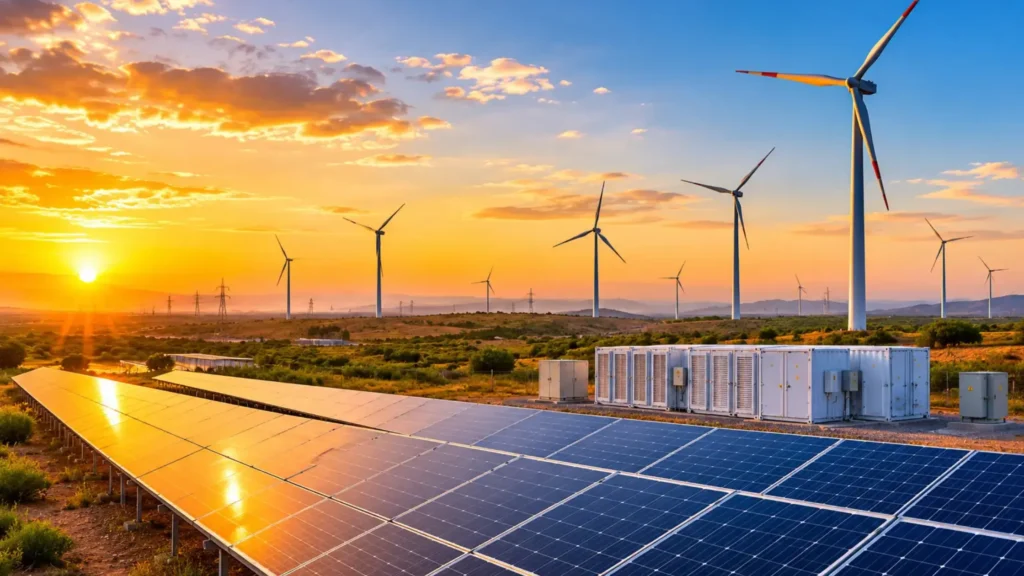
Renewable energy technologies are among the most important examples. Solar photovoltaic systems convert sunlight into electricity, while wind turbines use moving air to generate power. Hydropower, geothermal energy, and sustainable bioenergy also contribute to cleaner electricity and heating.
Other important developments include advanced batteries, smart electricity meters, energy-efficient appliances, and artificial intelligence systems that help manage energy consumption.
The purpose of energy innovations is not limited to producing renewable electricity. It also involves improving existing infrastructure, reducing energy waste, supporting cleaner transportation, and making reliable energy accessible to more communities.
2. Solar Energy Innovations for a Sustainable Future
Solar power is one of the most widely recognized renewable energy solutions. Recent technological improvements are making solar systems more efficient, adaptable, and accessible for homes and businesses.
Modern photovoltaic panels can convert sunlight into electricity with improved efficiency. Bifacial solar panels capture sunlight from both sides, while building-integrated photovoltaics incorporate solar technology into roofs, facades, and other building materials.
Solar energy innovations also include floating solar farms, which use water surfaces to host solar panels where suitable. These installations can help reduce pressure on available land and may limit water evaporation in certain settings.
Combining solar panels with battery storage allows households and businesses to store excess electricity for use when sunlight is unavailable. This improves energy independence and can reduce reliance on conventional power sources.
As technology advances and installation processes become more efficient, solar energy can support cleaner electricity generation and help communities reduce their carbon footprints.
3. Wind Energy Innovations and Clean Electricity
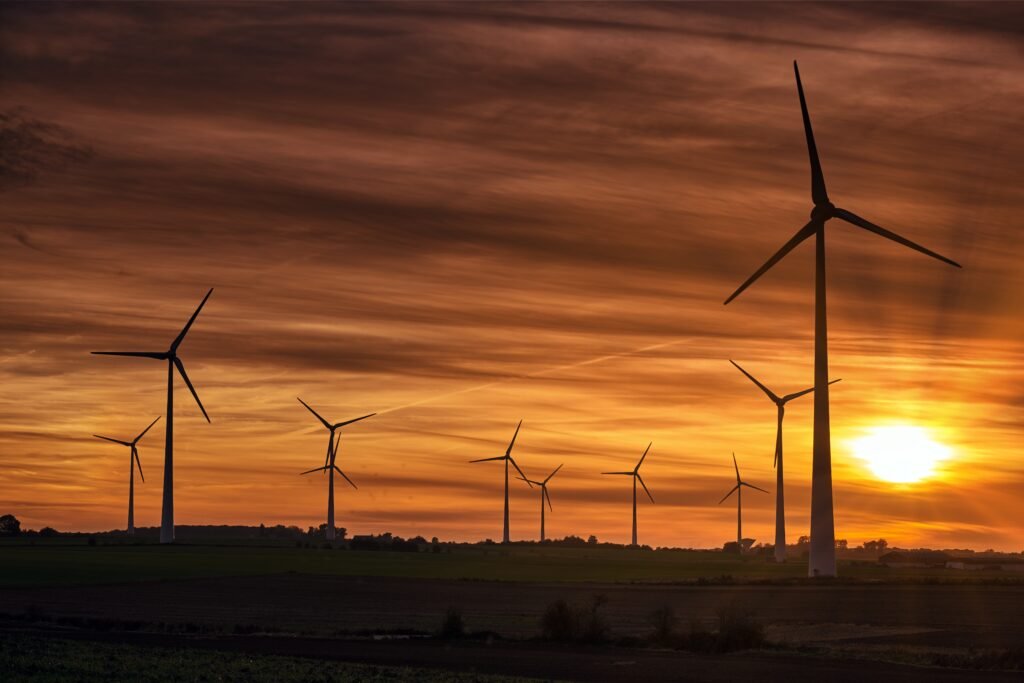
Wind energy is another important contributor to the transition toward sustainable power. Wind turbines convert the kinetic energy of moving air into electricity without directly burning fossil fuels during operation.
Innovations in turbine design have improved performance, reliability, and the ability to operate in different wind conditions. Larger turbines can capture more wind energy, while improved materials and aerodynamic blades help increase electricity generation.
Offshore wind farms offer another promising opportunity. Winds over the ocean can be strong and relatively consistent, making offshore projects valuable in suitable locations. Floating offshore turbines may also allow development in deeper waters where fixed foundations are impractical.
Digital monitoring systems help operators identify maintenance needs and optimize turbine performance. These improvements can reduce downtime and support more reliable electricity production.
By expanding wind power alongside solar energy and storage, countries can diversify their electricity supplies and reduce their dependence on carbon-intensive fuels.
4. Green Hydrogen and Advanced Energy Storage
Green hydrogen is gaining attention as a potential solution for sectors that are difficult to electrify directly. It is produced by splitting water through electrolysis using renewable electricity. Its environmental benefits depend on how the electricity is generated and how the hydrogen is produced, transported, and used.
Industries such as steel manufacturing, chemical production, and certain heavy transport applications may benefit from hydrogen technologies where direct electrification is challenging. However, high costs, infrastructure requirements, and energy losses remain important barriers.
Energy storage is equally important. Solar and wind power depend on weather conditions, so electricity generation does not always match demand. Batteries can store surplus electricity and release it when production falls or demand rises.
Other storage technologies, including pumped-storage hydropower and emerging long-duration storage systems, can support grid reliability over different time periods.
Together, hydrogen and energy storage can help integrate renewable electricity into energy systems, although each technology must be applied where it offers practical environmental and economic benefits.
5. Smart Grids and Artificial Intelligence
Traditional electricity grids were primarily designed to deliver power from large generating stations to consumers. Modern energy systems need greater flexibility because electricity may come from thousands of distributed sources, including rooftop solar panels, wind farms, and battery systems.
Smart grids use digital communication, sensors, automated controls, and real-time information to improve the management of electricity networks. They can help utilities identify faults, balance supply and demand, and integrate renewable energy more effectively.
Artificial intelligence can strengthen these capabilities by analyzing energy consumption patterns, forecasting renewable electricity generation, and predicting equipment failures.
For example, a smart building system can automatically adjust heating, cooling, and lighting according to occupancy and electricity demand. Businesses can schedule certain energy-intensive operations when renewable electricity is more readily available or electricity prices are lower.
These energy innovations can reduce waste, improve operational efficiency, and make electricity networks more resilient. However, cybersecurity, data privacy, and the cost of upgrading existing infrastructure must also be addressed.
6. Energy Innovations in Transportation
Transportation is a significant source of greenhouse gas emissions, particularly when vehicles depend on petrol and diesel. New energy technologies are helping the sector move toward cleaner alternatives.
Electric vehicles use rechargeable batteries rather than internal combustion engines. When charged with low-carbon electricity, they can substantially reduce emissions over their life cycle compared with conventional vehicles.
Advancements in battery chemistry, charging infrastructure, and energy management are improving the practicality of electric cars, buses, and commercial vehicles. Smart charging systems can also coordinate charging times to reduce pressure on electricity grids.
In addition, sustainable aviation fuels, renewable hydrogen, and electrified rail systems may help reduce emissions in transportation segments where conventional battery-electric solutions are less practical.
The environmental benefits depend on electricity sources, manufacturing processes, vehicle efficiency, and battery recycling. Combining cleaner vehicles with renewable electricity and better public transportation can create a more sustainable mobility system.
7. Improving Energy Efficiency in Homes and Industries
Producing clean energy is only one part of building a greener planet. Using energy efficiently is equally important because the cleanest unit of energy is often the one that does not need to be consumed.
Energy-efficient appliances, LED lighting, improved insulation, heat pumps, and automated building controls can reduce electricity and heating requirements. Smart meters help consumers understand their energy consumption and identify opportunities to save.
Industries can benefit from efficient motors, waste-heat recovery, advanced process controls, and electrification of suitable industrial equipment. Regular energy audits can reveal inefficiencies and guide investments toward the most effective improvements.
Energy innovations in efficiency often deliver two benefits simultaneously: lower operating costs and reduced environmental impact. They can also reduce pressure on electricity infrastructure, making it easier to meet future demand with renewable sources.
8. The Role of Energy Innovations in India
India has significant opportunities to use energy innovations to support economic development while addressing environmental challenges. Its growing electricity demand makes cleaner and more efficient energy systems increasingly important.
Solar power, wind energy, pumped-storage hydropower, battery storage, green hydrogen, and smart-grid technologies can contribute to a more diverse energy system.
Rooftop solar installations can help households, commercial buildings, and institutions generate electricity locally. Agricultural solar pumps may reduce dependence on diesel-powered irrigation where suitable infrastructure and financing are available.
Innovative technologies can also support rural electrification, improve power reliability, and create skilled employment in manufacturing, installation, maintenance, and research.
However, India must address challenges such as financing, land availability, transmission capacity, energy storage costs, and the recycling of solar panels and batteries. Effective policies, workforce training, private investment, and research partnerships will be essential to ensure that these technologies deliver lasting benefits.
9. Challenges in Adopting Energy Innovations
Despite their advantages, new energy technologies face several challenges. High initial investment costs can prevent households and small businesses from adopting cleaner systems. Some renewable technologies also require suitable locations, improved transmission networks, or additional storage capacity.
The production of solar panels, batteries, and wind turbines requires materials and energy. Responsible mining, sustainable manufacturing, recycling, and proper waste management are therefore essential.
Another challenge is ensuring that communities and workers can adapt to changes in the energy sector. Training programs, accessible financing, and supportive public policies can help make the transition more inclusive.
Governments, researchers, businesses, and consumers must work together to overcome these barriers. A balanced approach that considers environmental impact, affordability, reliability, and social benefits will help accelerate the adoption of sustainable technologies.
10. The Future of Energy Innovations
The future of energy will likely involve a combination of renewable generation, energy storage, electrification, digital management, and improved efficiency. Emerging technologies such as advanced geothermal systems, next-generation batteries, floating offshore wind, and more efficient solar materials may create additional opportunities.
Research into sustainable aviation fuels, industrial electrification, and low-emission manufacturing could help reduce emissions in sectors that are difficult to transform.
Circular-economy practices will also become increasingly important. Designing equipment for repair, reuse, and recycling can reduce waste and make better use of valuable materials.
No single technology can solve every energy challenge. The most effective approach will combine different solutions according to local resources, infrastructure, economic conditions, and energy needs.
Continued research, international cooperation, responsible investment, and public awareness will help turn promising ideas into practical solutions that support long-term environmental sustainability.
Conclusion
Energy innovations are essential for building a greener planet because they provide new ways to generate clean electricity, reduce energy waste, improve transportation, and strengthen the reliability of energy systems. Solar power, wind energy, green hydrogen, advanced batteries, smart grids, and energy-efficient technologies are helping transform how societies produce and consume energy.
Although challenges such as investment costs, infrastructure limitations, and resource management remain, continued innovation and responsible implementation can make sustainable energy more accessible and effective.
Governments can support research and clean-energy infrastructure, businesses can adopt efficient technologies, and individuals can reduce unnecessary consumption and consider renewable energy options.
Ultimately, energy innovations are not just about developing advanced technologies. They are about creating a cleaner, more resilient, and more sustainable world for present and future generations. By embracing these solutions today, society can make meaningful progress toward a greener planet and a more secure energy future.