Top 10 Uses of Wind Power in Everyday Life and Industry
Introduction
Wind power is one of the most important renewable energy sources in the world. It uses the natural movement of air to generate electricity and perform various mechanical tasks. As countries look for cleaner and more sustainable alternatives to fossil fuels, wind energy is becoming an essential part of the global energy transition. From powering homes and industries to supporting agriculture and transportation, the uses of wind power are expanding across many sectors.
Wind energy is renewable, widely available in suitable locations, and produces no direct greenhouse gas emissions during electricity generation. Modern wind turbines can convert wind movement into electricity that supplies homes, businesses, factories, and public infrastructure. In addition, traditional windmills continue to demonstrate how wind can support activities such as pumping water and grinding grain.
Understanding the uses of wind power helps individuals, businesses, and governments recognize its potential to reduce pollution, improve energy security, and promote sustainable development. Let us explore ten important applications of wind energy in everyday life and industry.
1. Generating Electricity for Homes
One of the most common uses of wind power is generating electricity for residential properties. Wind turbines convert the kinetic energy of moving air into electrical energy, which can then be supplied to the electricity grid or used locally.
Large wind farms generate electricity for thousands of households. In suitable locations, small wind turbines can also provide electricity to individual homes, farms, and remote properties.
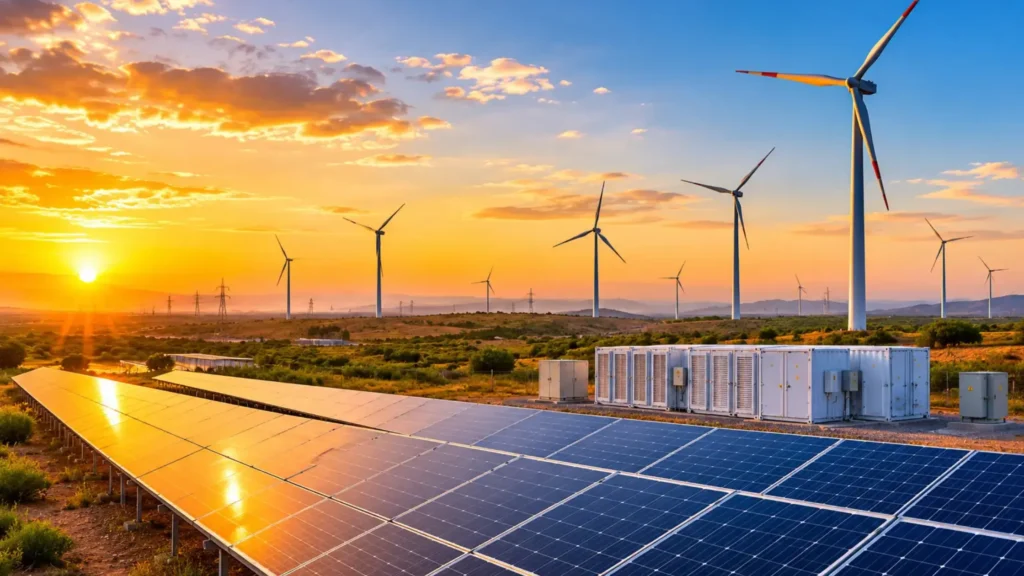
Homeowners can use wind-generated electricity for lighting, fans, refrigerators, air conditioners, computers, and other appliances. When wind energy is combined with solar panels and battery storage, it can help provide a more reliable renewable energy supply.
Although wind conditions and installation costs influence its suitability, residential wind energy can reduce dependence on conventional electricity sources.
2. Powering Industrial Operations
Industries consume significant amounts of electricity for manufacturing, processing, machinery, and other operations. Wind energy offers businesses an opportunity to obtain cleaner electricity and reduce their reliance on fossil fuels.
Factories, manufacturing plants, and industrial facilities can purchase electricity generated by wind farms or invest in renewable energy projects. Sectors such as cement, steel, textiles, and food processing can benefit from using wind-generated electricity as part of their decarbonization strategies.
The uses of wind power in industry extend beyond environmental benefits. Long-term renewable electricity contracts can help businesses manage energy costs and reduce exposure to fluctuations in fossil fuel prices.
As renewable energy technologies develop, wind power is becoming an increasingly valuable option for industries seeking sustainable and competitive operations.
3. Supporting Agriculture and Farming
Agriculture is another important sector that benefits from wind energy. Farmers require electricity for irrigation, crop processing, refrigeration, lighting, and operating agricultural equipment.
Wind-powered systems can provide electricity to farms located in areas with suitable wind conditions. Small wind turbines may support irrigation pumps, livestock facilities, and farm buildings, particularly where grid electricity is expensive or difficult to access.
Windmills have also been used traditionally to pump groundwater for livestock and agricultural purposes. Modern wind-powered pumping systems can reduce dependence on diesel-powered pumps in appropriate locations.
Additionally, farmers may earn extra income by leasing suitable land for wind turbine installations. Agricultural activities can often continue around wind turbines, depending on the site layout and safety requirements.
4. Pumping Water for Different Applications
Water pumping is one of the oldest and most practical uses of wind power. Traditional windmills used mechanical energy from rotating blades to lift water from wells and underground sources.
Today, wind-powered water pumps can support livestock watering, irrigation, community water supplies, and certain industrial applications. They are particularly useful in remote areas where extending the electricity grid may be expensive.
Mechanical wind pumps can operate without converting wind energy into electricity, while electric pumping systems use wind turbines to power motors.
However, wind-powered pumping depends on local wind conditions and water requirements. Storage tanks can help maintain water availability when the wind is weak or unavailable.
These systems can provide a sustainable alternative to conventional pumping methods when properly designed and maintained.
5. Providing Electricity to Remote Areas
Many rural communities, islands, and isolated locations face challenges in accessing reliable electricity. Extending power lines to these areas can be costly, making decentralized renewable energy systems an attractive alternative.
Wind turbines can supply electricity to remote homes, small businesses, telecommunications equipment, and community facilities. In locations with consistent wind resources, standalone wind systems may provide a practical energy solution.
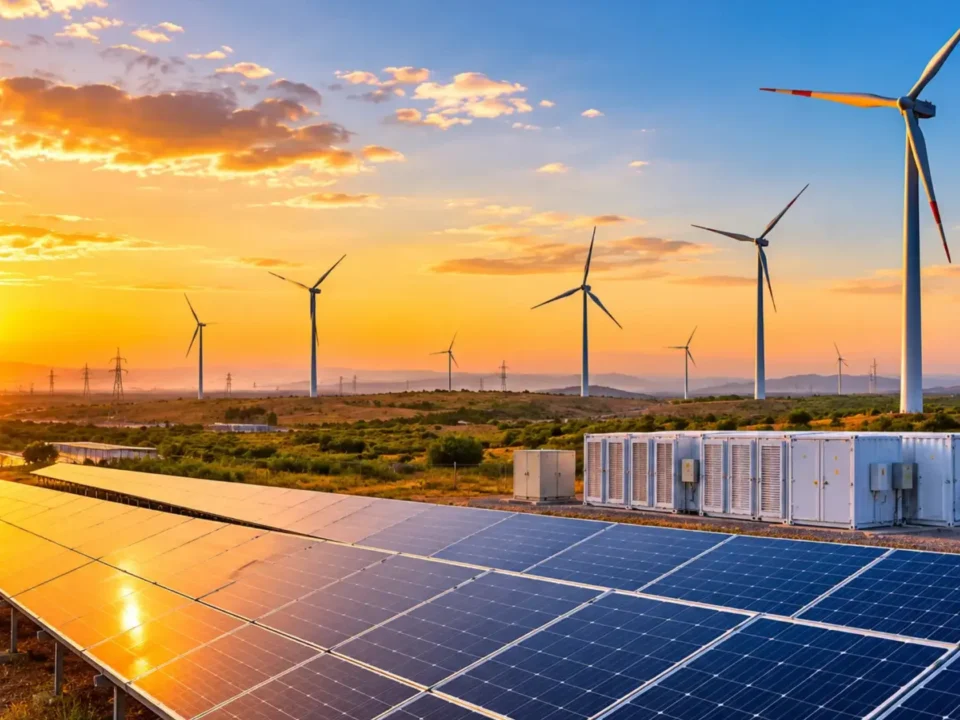
Hybrid systems that combine wind turbines, solar panels, batteries, and backup generators can improve reliability. Solar power often produces more energy during sunny periods, while wind generation may complement it when wind conditions are favorable.
These systems can support schools, healthcare centers, water facilities, and other essential services. As a result, wind energy can contribute to rural development and improve access to modern energy services.
6. Supporting Electric Vehicle Charging
The growth of electric vehicles has increased demand for cleaner electricity. Wind power can help meet this demand by supplying renewable electricity to charging stations and vehicle charging networks.
Electric vehicle charging stations may obtain wind-generated electricity directly through dedicated renewable energy systems or indirectly through the electricity grid. Businesses can also use renewable energy contracts to support the electricity consumption of their vehicle fleets.
For example, logistics companies operating electric delivery vehicles can use wind-powered electricity as part of their strategy to reduce transportation-related emissions.
Wind energy does not directly power most electric vehicles while they are moving. Instead, it generates electricity that can charge their batteries.
Combining renewable electricity with electric transportation can reduce dependence on fossil fuels and contribute to cleaner urban environments.
7. Powering Commercial Buildings
Offices, shopping centers, hotels, educational institutions, and hospitals require substantial electricity for daily operations. Wind power can help these buildings reduce the environmental impact of their energy consumption.
Commercial buildings can purchase renewable electricity from wind farms or participate in renewable energy procurement programs. Organizations with suitable land and wind conditions may also consider installing small wind turbines.
Wind-generated electricity can support lighting, ventilation, computers, elevators, heating and cooling systems, and other building services.
Businesses that use renewable electricity may also strengthen their sustainability commitments and make progress toward emissions reduction targets.
Although installing a wind turbine directly at a building is not practical everywhere, purchasing electricity from wind projects makes this renewable resource accessible to a wider range of commercial users.
8. Supporting Telecommunications and Infrastructure
Telecommunications networks depend on a continuous electricity supply to keep mobile towers, communication equipment, and data transmission systems operating.
In remote locations, wind turbines can provide electricity for mobile network towers, radio communication stations, and monitoring equipment. These systems can be particularly useful where grid connections are limited.
Wind power can also contribute electricity to public infrastructure, including remote weather stations, navigation equipment, and certain monitoring systems.
Battery storage and backup power sources are often necessary because wind speeds fluctuate. A properly designed hybrid system can improve reliability and reduce diesel fuel consumption.
By supporting essential communication infrastructure, wind energy can help maintain connectivity in rural, coastal, and isolated regions.
9. Producing Green Hydrogen
Green hydrogen is produced by splitting water into hydrogen and oxygen through electrolysis powered by renewable electricity. Wind power can supply the electricity needed for this process.
The hydrogen produced can serve as an energy carrier and industrial feedstock. Potential applications include fertilizer production, certain industrial processes, energy storage, and selected transportation uses.
For example, renewable hydrogen may help reduce emissions in industrial sectors where direct electrification is difficult. It can also store some renewable energy for later use, depending on the production and storage system.
However, green hydrogen production requires significant electricity and suitable infrastructure. Its environmental benefits depend on the source of electricity, production efficiency, and the overall supply chain.
As renewable energy capacity expands, wind-powered hydrogen production could support the development of a lower-carbon industrial economy.
10. Supporting Coastal and Offshore Energy Projects
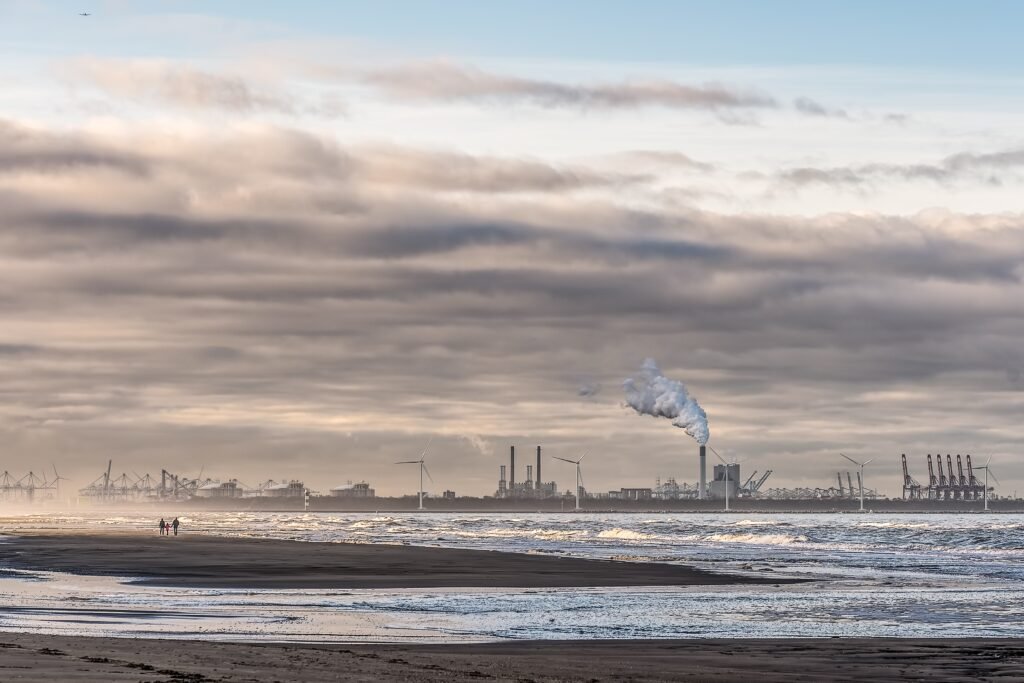
Offshore wind farms are installed in bodies of water, usually in coastal seas, where wind resources can be strong and suitable for large-scale electricity generation.
These projects use turbines mounted on fixed foundations or floating platforms, depending on water depth and site conditions. Electricity generated offshore is transmitted to land through subsea cables and connected to the power grid.
Offshore wind farms can supply electricity to coastal cities, industrial facilities, ports, and commercial buildings. They can also create employment opportunities in engineering, construction, manufacturing, maintenance, and marine services.
Although offshore projects often require higher upfront investment and specialized infrastructure, they can access valuable wind resources and contribute substantial electricity generation capacity.
Their development requires careful planning to address marine ecosystems, shipping routes, fisheries, and other environmental considerations.
Benefits of Wind Power in Everyday Life and Industry
The growing uses of wind power offer several important advantages:
- Renewable energy supply: Wind is naturally replenished and does not depend on finite fossil fuel reserves.
- Reduced emissions: Wind turbines generate electricity without direct carbon dioxide emissions during operation.
- Energy security: Domestic wind resources can diversify electricity supplies and reduce dependence on imported fuels.
- Economic opportunities: Wind projects support jobs in manufacturing, installation, engineering, and maintenance.
- Lower operating costs: Once installed, wind turbines generally have relatively low fuel and operating costs compared with conventional power plants.
- Rural development: Wind projects can support local infrastructure and provide additional income opportunities for landowners.
Despite these advantages, wind power also has limitations. Electricity generation varies with wind speed, and projects require suitable sites, grid connections, and initial investment. Careful planning, energy storage, and complementary renewable resources can help address these challenges.
Conclusion
The uses of wind power extend far beyond generating electricity. Wind energy supports homes, industries, agriculture, water pumping, remote communities, electric vehicle charging, commercial buildings, telecommunications, green hydrogen production, and offshore energy projects.
As technology improves and renewable energy infrastructure expands, wind power is expected to play an increasingly important role in meeting global energy demand. Its ability to generate cleaner electricity and support multiple economic sectors makes it a valuable part of the transition toward sustainable development.
By investing in appropriate wind energy projects, improving grid infrastructure, and combining wind with other renewable technologies, countries can reduce emissions, strengthen energy security, and create new economic opportunities. Wind power is not simply an alternative energy source; it is an important tool for building a cleaner and more sustainable future.