World Green Energy Growth and Its Impact on Global Sustainability

Introduction
The world is experiencing a significant transformation in how energy is produced, distributed, and consumed. With increasing concerns about climate change, environmental pollution, and the depletion of natural resources, countries are gradually moving toward cleaner and more sustainable energy solutions. World green energy has become an important part of this transformation, offering opportunities to reduce carbon emissions, improve energy security, and support economic development.
Green energy includes renewable energy sources such as solar, wind, hydropower, geothermal energy, and sustainably produced biomass. These sources help reduce dependence on fossil fuels while supporting long-term environmental sustainability. Governments, businesses, and individuals worldwide are investing in green energy technologies to create a cleaner and healthier future.
Understanding the growth of world green energy and its impact on global sustainability is essential for recognizing the opportunities and challenges associated with the global energy transition.
Understanding World Green Energy
World green energy refers to energy generated from environmentally friendly sources that produce little or no greenhouse gas emissions during operation. Unlike coal, petroleum, and natural gas, renewable energy sources are naturally replenished and can support energy production over extended periods.
Solar energy uses sunlight to generate electricity through photovoltaic panels. Wind energy converts the movement of air into electricity using wind turbines. Hydropower generates electricity from flowing water, while geothermal energy utilizes heat from beneath the Earth’s surface.
Biomass energy uses organic materials such as agricultural waste, wood residues, and other biological resources to produce heat, electricity, or fuels.
The increasing availability of these technologies is helping countries diversify their energy systems and reduce their environmental impact.
Global Growth of Green Energy
The growth of world green energy has accelerated over the past decade. Many countries have introduced renewable energy policies, financial incentives, and infrastructure development programs to encourage clean energy adoption.
Solar and wind power have become particularly important because of technological improvements and declining installation costs. Large solar farms, offshore wind projects, and rooftop solar systems are expanding across different regions.
Countries such as China, India, Germany, the United States, and Brazil are investing heavily in renewable energy infrastructure. These investments are helping increase renewable electricity generation while supporting industrial development.
The private sector is also contributing to green energy growth. Businesses are installing solar panels, purchasing renewable electricity, and adopting energy-efficient technologies to reduce operating costs and environmental footprints.
International cooperation, climate agreements, and sustainability initiatives are further encouraging the transition toward cleaner energy systems.
Major Sources Driving World Green Energy
1. Solar Energy
Solar energy is one of the fastest-growing renewable energy sources worldwide. Solar panels convert sunlight into electricity, making this technology suitable for residential, commercial, and industrial applications.
Solar power plants can generate electricity on a large scale, while rooftop installations help households reduce electricity bills. Solar energy is especially valuable in regions with abundant sunlight.
Its scalability, declining technology costs, and low operational emissions make it a major contributor to world green energy development.
2. Wind Energy
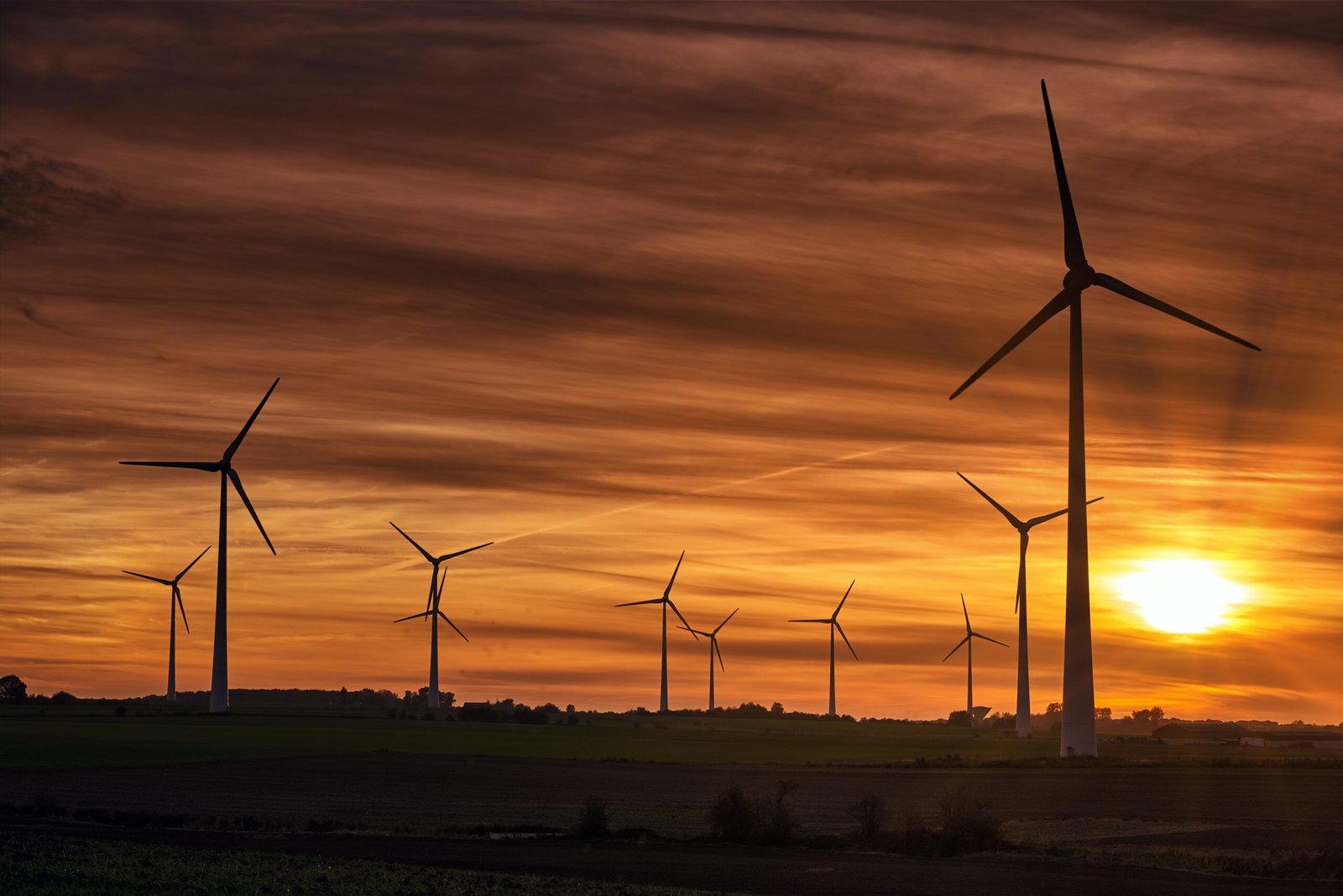
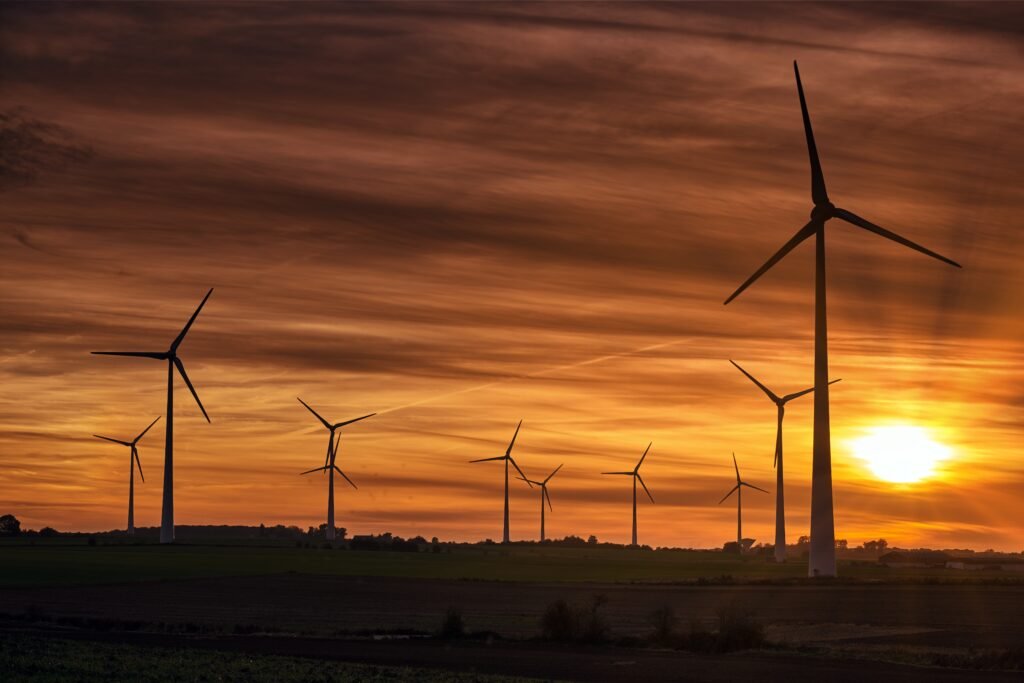
Wind energy generates electricity through turbines that capture the movement of air. Onshore wind farms are commonly installed in open landscapes, while offshore wind farms operate in coastal waters.
Wind energy provides a clean electricity source without requiring fuel combustion during operation. Technological improvements in turbine design are increasing efficiency and enabling wind farms to generate more electricity.
3. Hydropower
Hydropower uses flowing or falling water to generate electricity. It remains an important renewable energy source in many countries.
Large hydroelectric plants can provide substantial electricity generation, while smaller systems can support rural communities and remote locations.
Hydropower can also help balance electricity supply when combined with other renewable technologies, although projects must carefully consider environmental and social impacts.
4. Geothermal Energy
Geothermal energy uses heat stored beneath the Earth’s surface. It can provide electricity, heating, and cooling in suitable locations.
Unlike solar and wind energy, geothermal power can operate continuously under favorable conditions. This makes it valuable for providing reliable energy and supporting balanced renewable electricity systems.
Impact of World Green Energy on Global Sustainability
Reducing Carbon Emissions
One of the most significant benefits of world green energy is its ability to reduce greenhouse gas emissions.
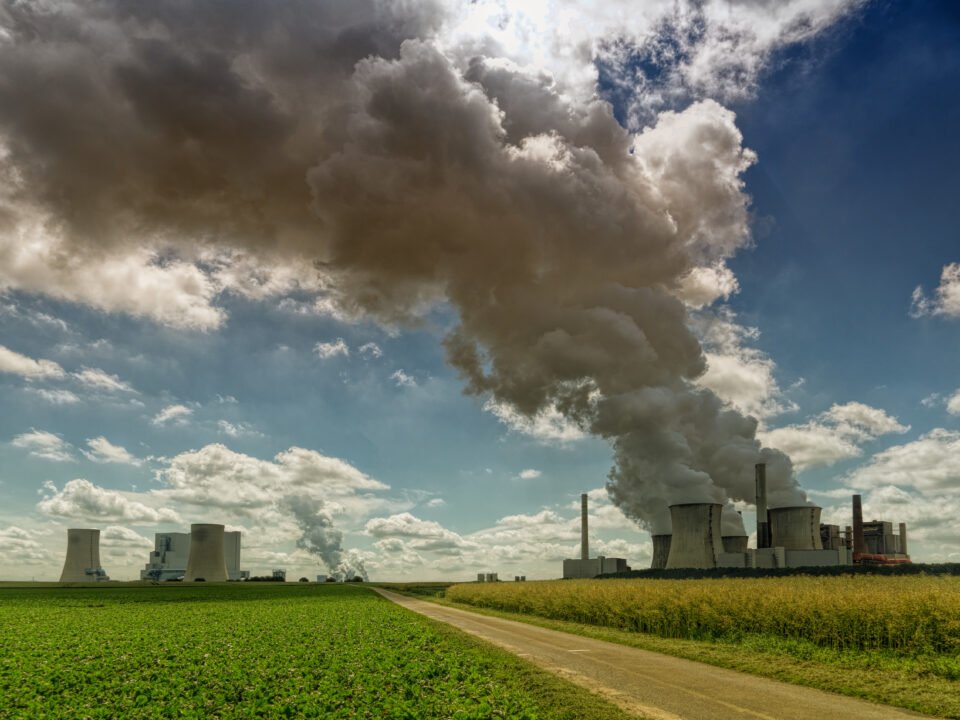
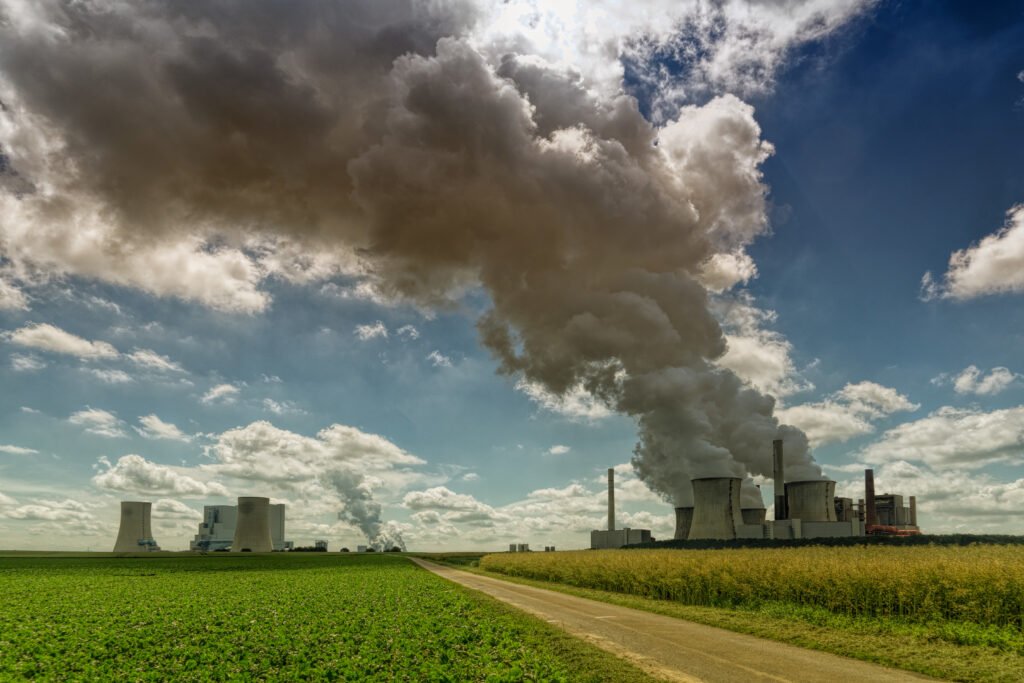
Traditional fossil fuel power plants release carbon dioxide and other pollutants into the atmosphere. Renewable energy technologies generally produce substantially lower lifecycle greenhouse gas emissions.
Replacing fossil fuel-based electricity with renewable energy can help countries achieve climate targets and reduce the effects of global warming.
Protecting Natural Resources
Green energy reduces dependence on finite resources such as coal, oil, and natural gas.
Solar, wind, and geothermal resources can support long-term energy production without continuously extracting conventional fuels. This helps conserve natural resources for future generations.
Responsible renewable energy development also encourages improved resource management and sustainable industrial practices.
Improving Air Quality
Fossil fuel combustion contributes to air pollution, which can affect human health and ecosystems.
Green energy technologies produce little or no air pollution during operation. Increasing renewable electricity generation can help reduce harmful emissions and improve air quality in urban and industrial areas.
Cleaner energy systems can contribute to healthier communities and lower environmental risks.
Supporting Economic Growth
World green energy development creates opportunities for economic growth and investment.
Renewable energy projects require workers for manufacturing, installation, engineering, maintenance, and project management. These activities support employment across multiple industries.
Green energy investments can also encourage technological innovation, improve infrastructure, and create opportunities for local businesses.
Strengthening Energy Security
Countries that depend heavily on imported fossil fuels may experience energy price fluctuations and supply disruptions.
Renewable energy allows countries to utilize locally available resources such as sunlight, wind, and water. This can reduce dependence on imported fuels and improve energy independence.
Distributed renewable energy systems can also provide electricity to remote communities and strengthen energy access.
Challenges Facing Global Green Energy Development
Despite its advantages, world green energy faces several challenges.
The availability of solar and wind energy depends on weather conditions and time of day. Energy storage systems, improved transmission networks, and flexible electricity grids are necessary to manage fluctuations in renewable generation.
Initial installation costs can also be significant, particularly in developing countries with limited access to financing.
Another challenge involves land availability, environmental protection, and the responsible sourcing of materials used in renewable energy equipment.
Governments must address these concerns through effective policies, technological innovation, and sustainable project planning.
Expanding international cooperation and improving access to renewable energy financing can help overcome these barriers.
The Role of Technology in Green Energy Growth
Technological innovation is making green energy more efficient, affordable, and accessible.
Advanced battery storage systems allow renewable electricity to be stored and used when needed. Artificial intelligence helps optimize energy production, forecast weather conditions, and improve grid management.
Smart grids enable better communication between electricity producers and consumers. Green hydrogen technologies may also help decarbonize industries that are difficult to electrify, including steel production and certain transportation applications.
These developments are expected to improve the reliability and effectiveness of renewable energy systems.
Future of World Green Energy
The future of world green energy depends on continued investment, technological development, and global cooperation.
Governments are expected to strengthen renewable energy policies, while businesses increasingly adopt sustainable energy practices. Residential solar systems, electric vehicles, energy storage, and smart energy management technologies will become increasingly important.
Developing countries have significant opportunities to expand electricity access through renewable energy infrastructure. International partnerships can help provide financing, technical expertise, and modern technologies.
The transition will require coordinated efforts from governments, industries, communities, and individuals.
Conclusion
World green energy is playing an essential role in building a sustainable global future. Solar, wind, hydropower, geothermal, and biomass technologies are helping reduce emissions, conserve natural resources, improve air quality, and support economic development.
Although challenges such as energy storage, financing, and infrastructure remain, technological advancements and international cooperation are creating new opportunities for renewable energy expansion.
By investing in clean energy technologies and adopting sustainable practices, countries can strengthen energy security and reduce environmental damage. The continued growth of world green energy will be essential for achieving global sustainability and creating a cleaner, healthier planet for future generations.