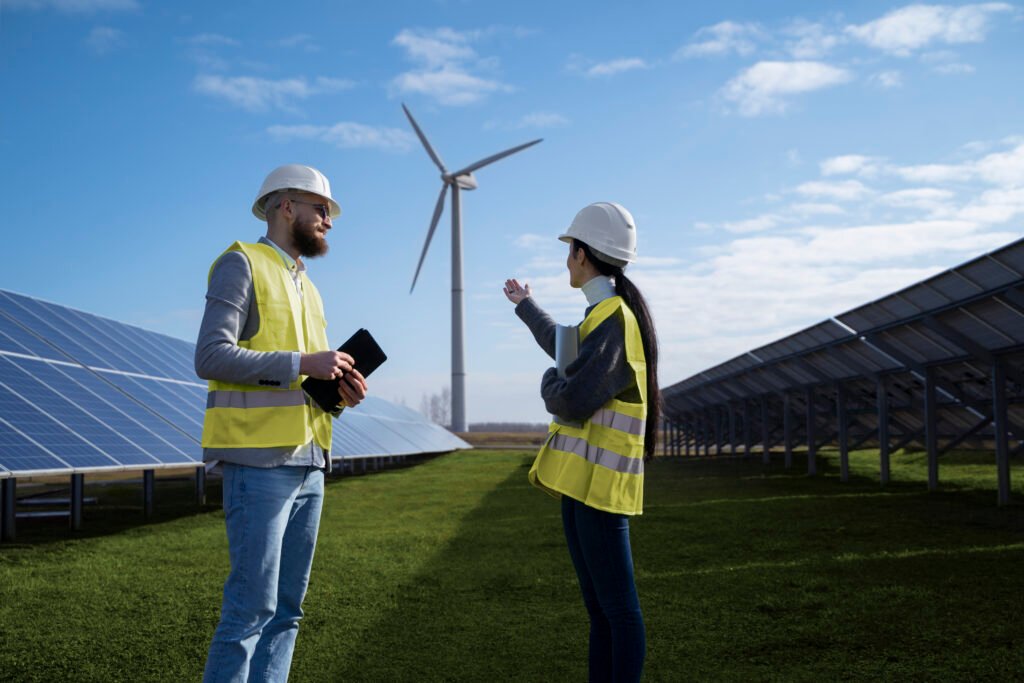
Challenges and Opportunities in the Alternative Energy Industry
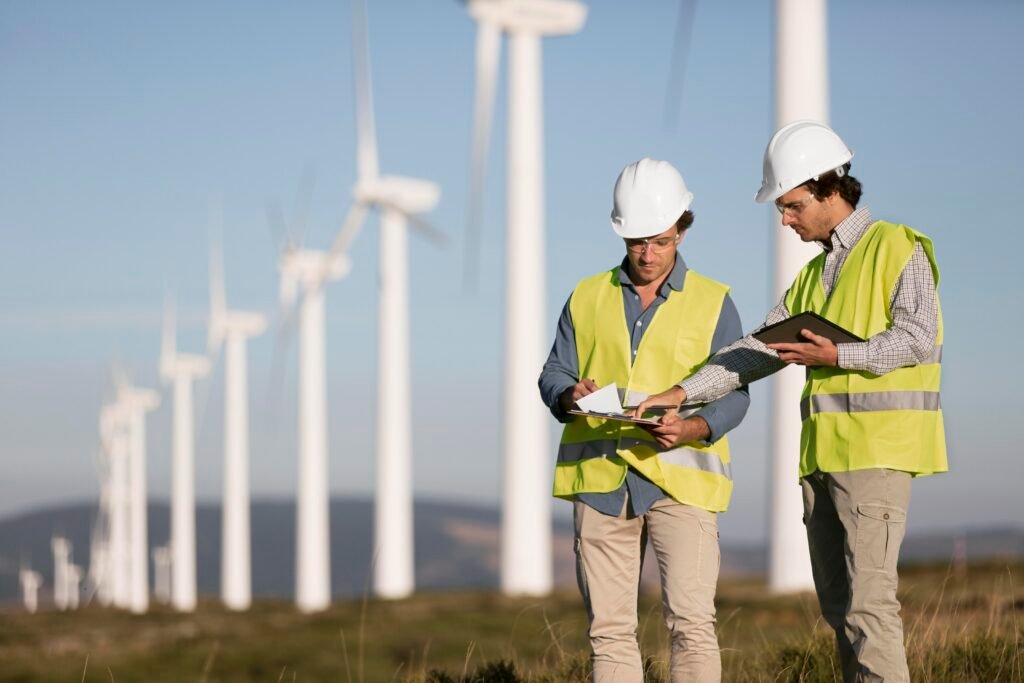
The alternative energy industry has emerged as one of the most transformative forces shaping the global energy landscape. As nations seek sustainable solutions to climate change, rising energy demands, and depleting fossil fuel reserves, alternative energy sources such as solar, wind, hydro, biomass, and green hydrogen are gaining unprecedented attention. While the industry offers immense promise for economic growth and environmental protection, it also faces significant challenges that must be addressed to unlock its full potential.
This blog explores the key challenges and opportunities in the alternative energy industry and highlights why it is poised to play a critical role in the future of global energy systems.
Understanding the Alternative Energy Industry
The alternative energy industry refers to the sector focused on generating power from renewable and low-carbon sources that reduce dependence on fossil fuels. Unlike conventional energy, alternative energy sources are generally cleaner, more sustainable, and environmentally friendly. Governments, corporations, and investors worldwide are increasingly prioritizing this industry as part of long-term energy transition strategies.
Technological advancements, supportive policies, and growing environmental awareness are accelerating the shift toward alternative energy solutions. However, the transition is complex and requires overcoming technical, financial, and regulatory barriers.
Key Challenges in the Alternative Energy Industry
1. High Initial Investment Costs
One of the major challenges in the alternative energy industry is the high upfront cost of infrastructure development. Solar farms, wind turbines, energy storage systems, and grid upgrades require significant capital investment. While operational costs are relatively low over time, the initial financial burden can deter small businesses and developing regions from adopting alternative energy solutions.
2. Intermittency and Energy Storage Issues
Many alternative energy sources, especially solar and wind, are intermittent by nature. Power generation depends on weather conditions and time of day, making energy storage a critical requirement. Although battery and storage technologies are improving, they remain expensive and technologically challenging at large scales. Without efficient storage systems, maintaining a reliable energy supply becomes difficult.
3. Grid Integration and Infrastructure Limitations
Existing power grids were primarily designed for centralized fossil fuel-based power plants. Integrating decentralized renewable energy sources into these grids presents technical challenges. Grid instability, transmission losses, and limited capacity can slow down the expansion of the alternative energy industry, especially in regions with outdated infrastructure.
4. Regulatory and Policy Uncertainty
The growth of the alternative energy industry heavily depends on government policies, subsidies, and incentives. Inconsistent regulations, sudden policy changes, or lack of long-term planning can create uncertainty for investors and developers. Clear and stable regulatory frameworks are essential for sustained industry growth.
5. Resource Availability and Environmental Concerns
Although alternative energy is cleaner than fossil fuels, it is not entirely free from environmental impact. Large-scale solar and wind projects require land, raw materials, and minerals such as lithium and rare earth elements. Mining and disposal processes must be managed responsibly to ensure sustainability across the entire lifecycle.
Major Opportunities in the Alternative Energy Industry
1. Rapid Technological Advancements
Innovation is one of the strongest drivers of growth in the alternative energy industry. Advances in solar panel efficiency, wind turbine design, smart grids, and energy storage technologies are reducing costs and improving performance. Emerging technologies like green hydrogen, floating solar plants, and offshore wind farms are opening new avenues for clean energy generation.
2. Strong Government Support and Climate Commitments
Governments across the world are setting ambitious renewable energy targets to meet climate goals. Policies such as tax incentives, feed-in tariffs, renewable purchase obligations, and carbon pricing mechanisms are creating a favorable environment for industry expansion. These initiatives significantly lower investment risks and encourage private sector participation.
3. Economic Growth and Job Creation
The alternative energy industry is a major contributor to economic development. It generates employment across manufacturing, installation, operations, research, and maintenance. As the industry grows, it creates millions of skilled and semi-skilled jobs, supporting local economies and promoting inclusive growth.
4. Energy Security and Reduced Dependence on Imports
By investing in domestic renewable resources, countries can enhance their energy security and reduce dependence on imported fossil fuels. The alternative energy industry allows nations to diversify their energy mix, stabilize energy prices, and protect their economies from global fuel price volatility.
5. Rising Corporate and Consumer Demand
Businesses and consumers are increasingly prioritizing sustainability. Many corporations are committing to net-zero emissions and sourcing power from renewable energy. This growing demand is driving large-scale investments and long-term power purchase agreements, further strengthening the alternative energy industry.
The Role of Emerging Markets
Emerging economies play a crucial role in shaping the future of the alternative energy industry. With rapidly growing energy needs and abundant renewable resources, these markets present enormous growth potential. Investments in alternative energy can help address energy access challenges while supporting sustainable development goals.
Digitalization, smart energy management systems, and decentralized renewable solutions such as rooftop solar and microgrids are particularly impactful in rural and remote areas.
Future Outlook of the Alternative Energy Industry
The future of the alternative energy industry looks promising despite existing challenges. Continuous innovation, falling technology costs, and increasing global collaboration are accelerating the energy transition. As storage solutions improve and grid systems modernize, alternative energy is expected to become more reliable and scalable.
Public-private partnerships, increased research funding, and long-term policy commitments will be key to overcoming barriers and maximizing opportunities. The industry’s evolution will not only reshape how energy is produced and consumed but also redefine economic and environmental sustainability worldwide.
Conclusion
The alternative energy industry stands at a critical crossroads, balancing significant challenges with extraordinary opportunities. While high costs, infrastructure limitations, and regulatory hurdles remain, the benefits of clean energy—economic growth, environmental protection, and energy security—far outweigh the obstacles.
With strong policy support, technological innovation, and growing global demand, the alternative energy industry is set to become the backbone of a sustainable energy future. Embracing these opportunities today will help build a cleaner, more resilient, and energy-secure world for generations to come.