National Renewable Energy Laboratory Innovations Powering the Clean Energy Future

The transition toward sustainable power systems is accelerating across the world. Governments, companies, and researchers are investing heavily in technologies that reduce carbon emissions and increase energy efficiency. One organization that plays a critical role in this transformation is the National Renewable Energy Laboratory. Through groundbreaking research and advanced technologies, the national renewable energy laboratory continues to shape the future of clean energy.
From solar breakthroughs to energy storage innovations, the national renewable energy laboratory has become a global leader in renewable energy research. Its work supports the development of reliable, affordable, and sustainable energy systems that can power modern societies while protecting the environment.
What Is the National Renewable Energy Laboratory?
The national renewable energy laboratory (often called NREL) is a research institution operated by the United States Department of Energy. Located in Golden, Colorado, the laboratory focuses on advancing renewable energy technologies and improving energy efficiency across various sectors.
Established in 1977 as the Solar Energy Research Institute and later renamed the National Renewable Energy Laboratory in 1991, the organization has grown into one of the world’s most respected clean energy research facilities. Scientists and engineers at the national renewable energy laboratory work on cutting-edge solutions in areas such as solar power, wind energy, bioenergy, hydrogen, and advanced energy systems.
Driving Solar Energy Innovation
Solar energy is one of the most important renewable resources available today, and the national renewable energy laboratory has played a major role in improving solar technology. Researchers at the laboratory have helped develop high-efficiency photovoltaic (PV) cells that convert sunlight into electricity more effectively than earlier designs.
Innovations in solar materials, manufacturing techniques, and system integration have significantly reduced the cost of solar power over the past two decades. Thanks in part to research conducted at the national renewable energy laboratory, solar energy has become one of the most affordable sources of electricity in many regions.
The laboratory also studies how solar systems can be integrated into homes, businesses, and large-scale power grids. These advancements help make solar power more reliable and accessible to communities around the world.
Advancing Wind Energy Technologies
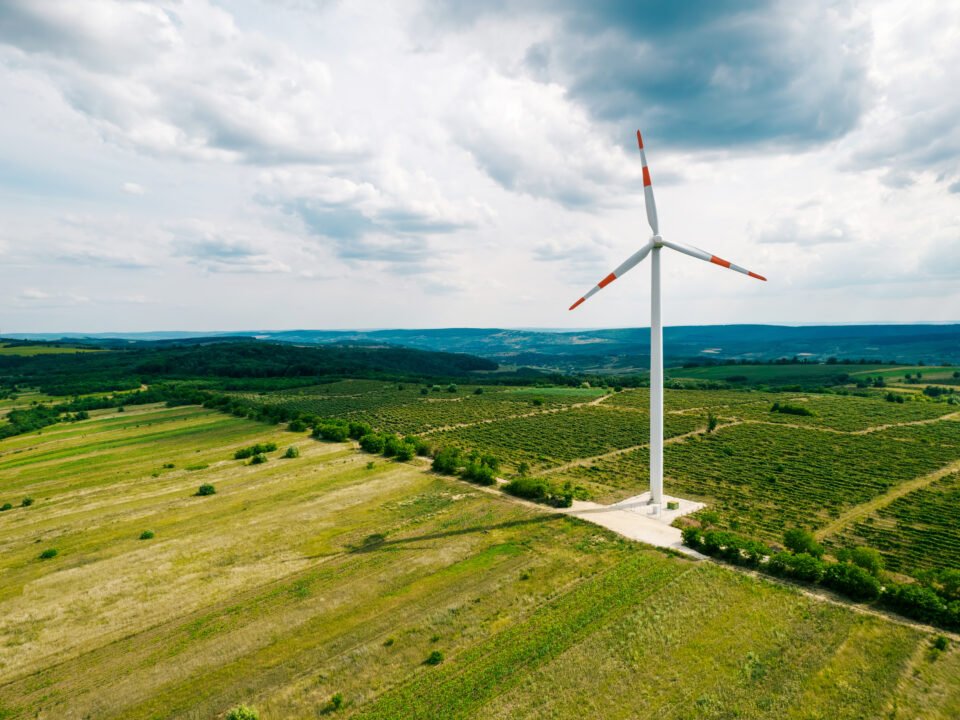
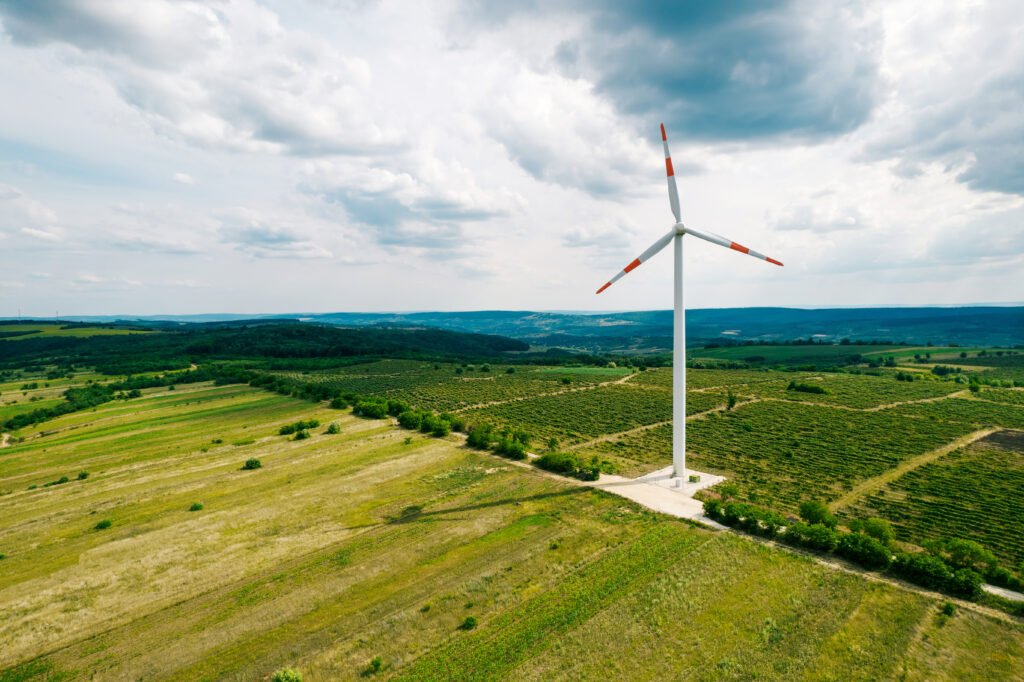
Another key focus of the national renewable energy laboratory is wind energy. Wind turbines are now capable of producing large amounts of electricity, but researchers continue to explore ways to make them more efficient and durable.
At the national renewable energy laboratory, scientists test new turbine designs, analyze wind patterns, and develop technologies that increase energy output while lowering maintenance costs. These improvements help expand wind power adoption both onshore and offshore.
Wind energy research at the laboratory also includes studying how wind farms interact with power grids and other renewable sources. By improving grid integration, the national renewable energy laboratory supports the growth of stable and resilient renewable energy systems.
Breakthroughs in Energy Storage
One of the biggest challenges in renewable energy is energy storage. Solar and wind power are intermittent resources, meaning they do not produce electricity continuously. To address this challenge, the national renewable energy laboratory conducts extensive research into advanced battery technologies and other storage solutions.
Energy storage systems allow excess electricity generated during peak production periods to be stored and used later when demand increases. This capability improves grid stability and ensures a consistent energy supply even when renewable generation fluctuates.
Researchers at the national renewable energy laboratory are exploring next-generation battery materials, longer-lasting storage systems, and innovative methods for storing renewable energy at large scales.
Hydrogen and Alternative Fuels
Hydrogen energy is gaining attention as a clean fuel that can power vehicles, industries, and electricity generation without producing harmful emissions. The national renewable energy laboratory is actively researching hydrogen production, storage, and distribution technologies.
By developing efficient methods to produce hydrogen using renewable electricity, the laboratory is helping create a sustainable hydrogen economy. Hydrogen fuel cells could play a key role in reducing emissions in sectors that are difficult to electrify, such as heavy transportation and industrial manufacturing.
In addition to hydrogen, the national renewable energy laboratory also studies biofuels and other renewable fuel alternatives that can reduce dependence on fossil fuels.
Modernizing the Power Grid
As renewable energy adoption increases, power grids must evolve to manage new energy sources effectively. The national renewable energy laboratory is working on advanced grid technologies that allow renewable systems to operate smoothly alongside traditional power infrastructure.
Researchers use sophisticated modeling and simulation tools to analyze how renewable energy sources interact within large electricity networks. These studies help utilities design smarter, more flexible power systems capable of handling higher levels of renewable generation.
Smart grids, advanced forecasting systems, and digital energy management tools developed by the national renewable energy laboratory are helping utilities maintain reliability while transitioning to cleaner energy sources.
Collaboration with Industry and Governments
The impact of the national renewable energy laboratory extends beyond research laboratories. The organization collaborates with private companies, universities, and government agencies to bring clean energy technologies to the market.
Through partnerships and technology transfer programs, the laboratory helps accelerate innovation and commercialization. Many renewable energy companies have benefited from research conducted at the national renewable energy laboratory, enabling them to develop more efficient products and solutions.
These collaborations ensure that scientific discoveries translate into real-world applications that benefit economies and communities worldwide.
Supporting Global Climate Goals
Countries around the world are working to reduce greenhouse gas emissions and meet international climate targets. The national renewable energy laboratory plays an important role in supporting these efforts by providing scientific expertise and data-driven insights.
By developing affordable renewable technologies and improving energy efficiency, the laboratory helps governments and industries transition toward low-carbon energy systems. The research conducted at the national renewable energy laboratory also informs policy decisions and strategic planning for sustainable development.
The Future of Clean Energy Innovation
Looking ahead, the national renewable energy laboratory will continue to lead the development of technologies that transform the global energy landscape. Emerging fields such as artificial intelligence for energy management, advanced materials for solar cells, and integrated renewable systems are expected to play a major role in future research.
As the demand for clean energy grows, the work of the national renewable energy laboratory will remain essential in building a sustainable energy future. By combining scientific expertise, technological innovation, and collaborative partnerships, the laboratory is helping the world move toward a cleaner and more resilient energy system.
Conclusion
The global transition to renewable energy requires innovation, research, and collaboration. The national renewable energy laboratory stands at the forefront of this movement, developing technologies that improve solar power, wind energy, energy storage, and alternative fuels.
Through its groundbreaking work, the national renewable energy laboratory is not only advancing clean energy technologies but also shaping the future of sustainable power systems. As nations seek reliable solutions to climate and energy challenges, the innovations emerging from this leading research institution will continue to power the clean energy future for generations to come.