Benefits of Choosing Budget Renewable Energy Solutions

The transition toward cleaner energy is becoming increasingly important for households, businesses, and communities. However, the cost of renewable energy systems can sometimes discourage people from making the switch. Fortunately, budget renewable energy solutions are making clean power more accessible by offering practical and affordable alternatives to conventional energy systems. These solutions can help users reduce electricity expenses while supporting environmental sustainability.
From solar panels and small wind turbines to energy-efficient equipment and biomass systems, budget-friendly renewable technologies are available for different energy requirements. Choosing the right solution depends on factors such as location, energy consumption, available resources, installation costs, and long-term goals.
What Is Budget Renewable Energy?
Budget renewable energy refers to renewable energy solutions designed to provide clean power while keeping initial and ongoing costs manageable. The objective is not simply to choose the cheapest equipment but to find an energy system that provides good value over its useful life.
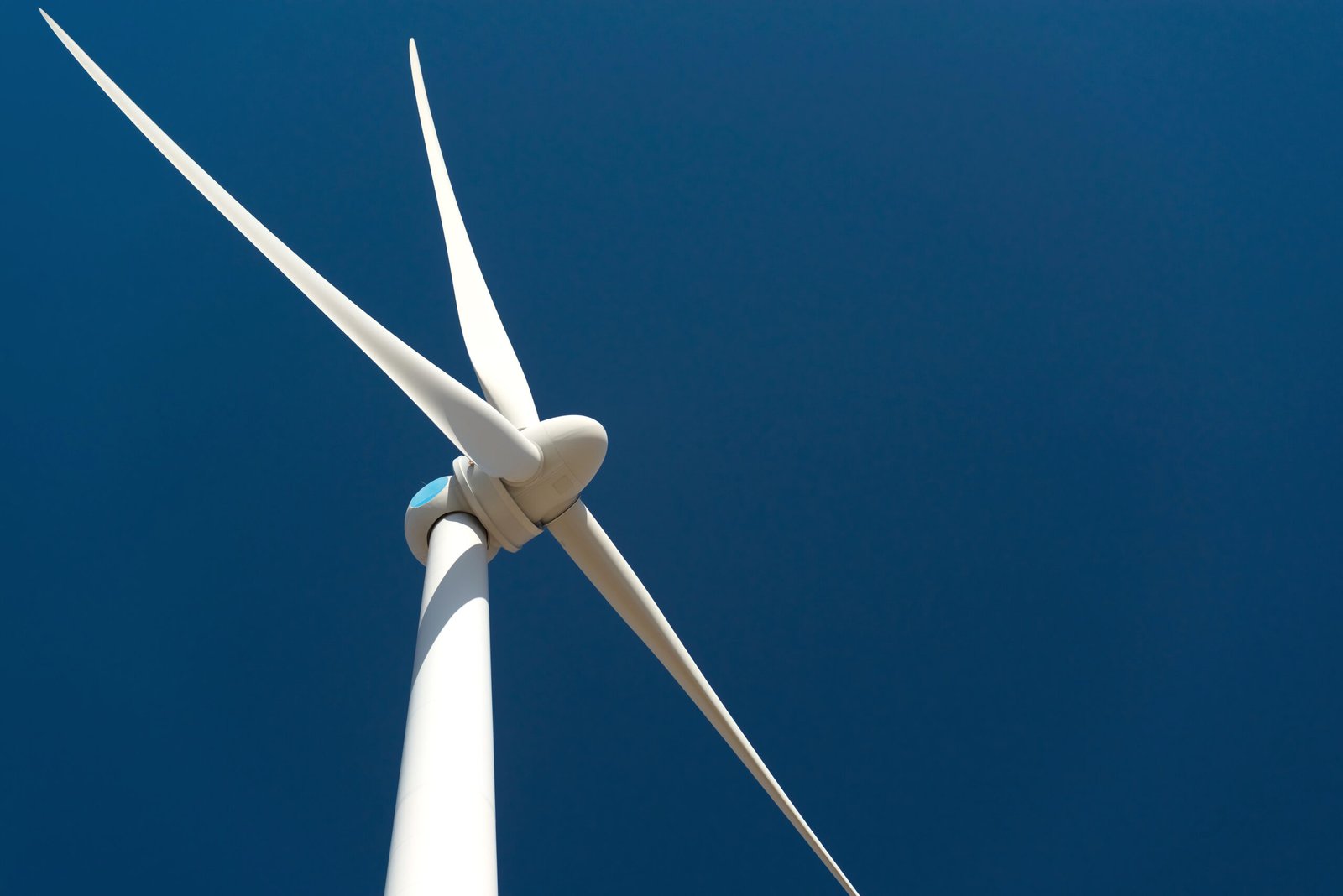
Solar energy is one of the most accessible options because solar photovoltaic systems can be installed at different scales. Small rooftop systems, solar water heaters, solar lighting, and solar-powered appliances can provide useful energy without requiring a large investment. Similarly, small wind turbines can be suitable for locations with consistent wind resources.
Other options include biomass energy, micro-hydropower, and hybrid renewable systems. The best choice depends on the resources available in a particular location.
Lower Initial Energy Costs
One of the major benefits of budget renewable energy solutions is the opportunity to reduce energy costs over time. Although renewable systems can require an upfront investment, many technologies generate electricity from naturally available resources such as sunlight and wind.
For example, a properly designed solar power system can generate electricity for many years after installation. Once the system is operational, the cost of generating additional electricity can be relatively low because sunlight itself does not need to be purchased.
For households and businesses that consume significant amounts of electricity, reducing dependence on grid electricity can contribute to long-term savings. The actual financial benefit depends on system size, electricity prices, installation costs, maintenance requirements, and available incentives.
Reduced Dependence on Conventional Energy
Energy prices can change because of fuel costs, market conditions, demand, and other factors. Renewable energy can provide users with greater control over a portion of their energy supply.
A budget-friendly solar system, for instance, can produce electricity directly at the point of consumption. When combined with appropriate energy management practices, this can reduce dependence on conventional electricity sources.
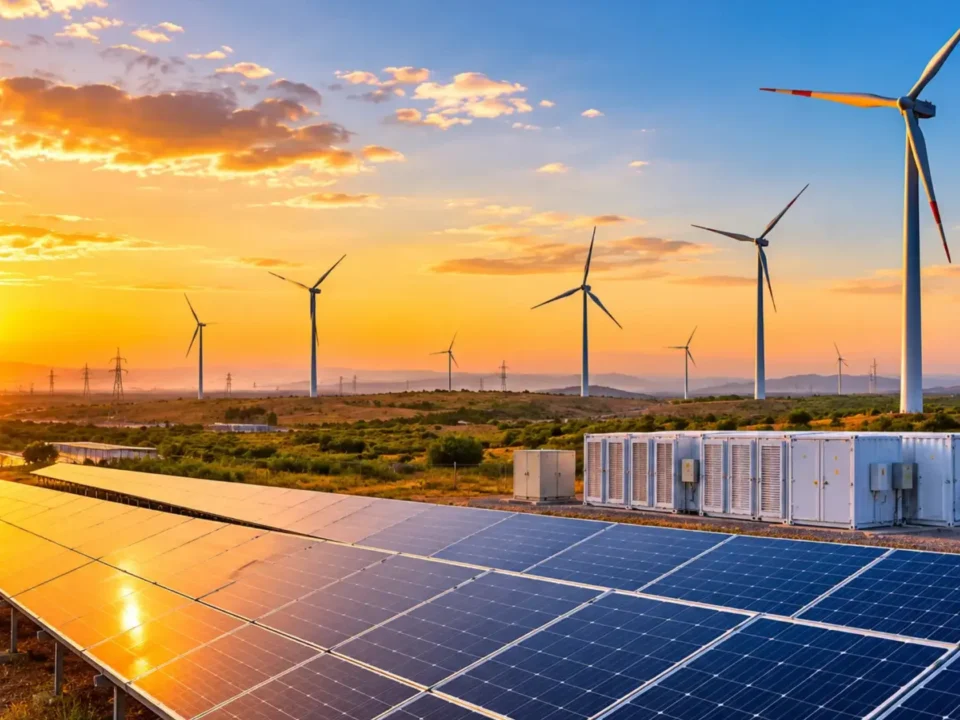
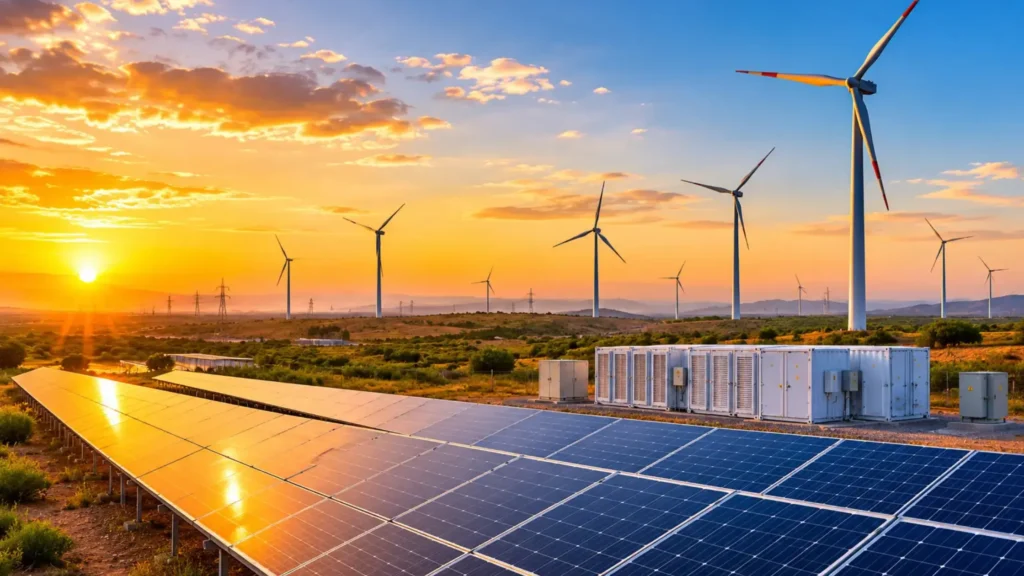
Hybrid systems can provide another option. Solar panels may be combined with battery storage, grid electricity, or other renewable technologies. Such systems can be designed according to the user’s energy requirements and financial capacity.
Environmentally Friendly Energy Production
Another important advantage of budget renewable energy is its contribution to cleaner energy production. Renewable resources such as sunlight and wind are naturally replenished, unlike finite fossil fuels.
Solar and wind energy systems generate electricity without directly burning coal, oil, or natural gas during operation. Increasing the use of renewable energy can therefore help reduce dependence on fossil fuels and support efforts to lower greenhouse gas emissions.
Even smaller renewable installations can contribute to broader sustainability goals when adopted across many homes, businesses, farms, and communities.
Flexible Solutions for Different Budgets
A common misconception is that renewable energy requires a large investment from the beginning. In reality, systems can often be developed in stages.
For example, a homeowner may start with solar lighting or a small rooftop solar system and expand capacity later. A business may install renewable generation for a specific section of its facility before considering a larger project.
This flexibility makes budget renewable energy suitable for users with different financial capabilities. Instead of purchasing the largest possible system, consumers can focus on their most important energy needs and expand gradually.
Lower Operating and Maintenance Requirements
Many renewable energy technologies have relatively simple operating requirements. Solar photovoltaic systems, for example, generally have no moving parts in the panels themselves. Routine cleaning, inspections, monitoring, and occasional component replacement can help maintain performance.
Small renewable systems can also reduce some of the maintenance associated with conventional generators. Fuel-based generators require regular fuel supplies, engine maintenance, oil changes, and other servicing.
However, renewable energy systems are not maintenance-free. Inverters, batteries, electrical connections, turbines, and other components may require attention depending on the technology. Selecting reliable equipment and arranging appropriate maintenance can improve the overall value of the investment.
Energy Access for Remote Areas
Budget renewable energy can also support electricity access in locations where extending conventional power infrastructure is difficult or expensive.
Off-grid solar systems can provide electricity for lighting, communication devices, water pumping, refrigeration, and other essential applications. Small wind or hybrid renewable systems may also be useful where local environmental conditions are suitable.
For rural communities, farms, and remote facilities, decentralized renewable energy can offer an alternative to relying entirely on long-distance electricity infrastructure or diesel generators.
Support for Energy-Efficient Homes and Businesses
Renewable energy works particularly well when combined with energy efficiency. Before investing in a large renewable system, users can reduce unnecessary electricity consumption through efficient lighting, appliances, insulation, smart controls, and improved energy management.
Lower energy consumption means a smaller renewable system may be sufficient to meet a significant portion of electricity needs. This can make the overall project more affordable.
For example, replacing inefficient lighting and appliances can reduce electricity demand. A smaller solar installation can then provide a larger percentage of the property’s total electricity consumption.
Potential for Long-Term Savings
The financial value of budget renewable energy should be considered over the entire life of a system rather than only its purchase price. A low-cost system that performs poorly may provide less value than a slightly more expensive system with better efficiency, reliability, and durability.
Consumers should consider the total cost of ownership, including equipment, installation, maintenance, replacement components, financing, and potential energy savings.
Comparing expected electricity generation with total project costs can help users understand the potential payback period. Local electricity tariffs and renewable energy incentives can also influence the economics of a project.
Creating Economic Opportunities
The expansion of affordable renewable energy can create opportunities across the clean energy sector. Solar installation, equipment manufacturing, system maintenance, engineering, project management, and energy consulting all require skilled workers.
As demand for renewable energy grows, affordable systems can encourage more consumers and businesses to participate in the clean energy transition. This can support local service providers and contribute to the development of renewable energy markets.
How to Choose the Right Budget Renewable Energy Solution
Choosing a cost-effective renewable energy system requires careful planning. Users should first assess their current electricity consumption and identify where energy savings are possible.
Next, available renewable resources should be evaluated. Solar systems require adequate sunlight, while wind systems require suitable wind conditions. Biomass and micro-hydropower depend on locally available resources.
It is also important to compare equipment quality, warranties, installation services, maintenance requirements, and expected system performance. Purchasing solely on the basis of the lowest price can result in higher costs later.
Professional assessment can help determine the appropriate system size and technology. Consumers should also check applicable government programs, financing options, and incentives that may reduce the overall cost.
Conclusion
Budget renewable energy solutions offer a practical way for households, businesses, farms, and communities to participate in the transition toward cleaner power without necessarily making an extremely large initial investment. Solar, wind, biomass, micro-hydropower, and hybrid systems can provide different options depending on local resources and energy requirements.
The benefits can include lower long-term energy costs, reduced dependence on conventional fuels, environmental advantages, flexible installation options, and improved energy access. However, affordability should always be considered alongside reliability, efficiency, durability, and total ownership costs.
As renewable technologies continue to develop, more cost-conscious energy solutions are likely to become available. By assessing energy needs carefully and choosing appropriate technologies, consumers can make informed investments that balance affordability, performance, and sustainability.