New Energy Source Ideas That Could Power the Next Generation

The global demand for clean and reliable power is growing rapidly. As populations increase and industries expand, the search for every possible new energy source has become more important than ever. Traditional fossil fuels such as coal, oil, and natural gas have powered the world for decades, but they also contribute heavily to pollution and climate change. Because of this, scientists, governments, and energy companies are investing in innovative technologies that can deliver cleaner and more sustainable electricity.
Today, the world is entering a new era of energy innovation. From hydrogen fuel to ocean power, modern solutions are transforming how electricity is produced and consumed. These advancements are not only reducing environmental damage but also creating economic opportunities and improving energy security.
In this blog, we will explore some of the most promising new energy source ideas that could power the next generation.
Why the World Needs a New Energy Source
Energy powers almost every aspect of modern life. Homes, transportation systems, factories, and digital infrastructure all depend on electricity. However, relying too heavily on fossil fuels creates several challenges, including:
- Rising carbon emissions
- Air pollution
- Limited fuel reserves
- Increasing energy costs
- Climate-related disasters
A sustainable new energy source can solve many of these issues by producing cleaner electricity while reducing dependence on non-renewable resources. Countries around the world are now focusing on renewable and innovative energy systems to build a greener future.
Solar Energy Innovations
Solar power is already one of the fastest-growing renewable technologies, but researchers continue to improve its efficiency and affordability. Modern solar systems can generate electricity even in low-light conditions, making them more practical for everyday use.
Emerging Solar Technologies
1. Floating Solar Farms
Floating solar panels are installed on lakes, reservoirs, and other water bodies. These systems save land space while improving panel efficiency because water helps keep them cool.
2. Solar Windows
Scientists are developing transparent solar panels that can be integrated into windows. Buildings equipped with solar windows could generate electricity without requiring rooftop panels.
3. Space-Based Solar Power
One futuristic new energy source idea involves collecting solar energy in space and transmitting it wirelessly back to Earth. Since sunlight in space is stronger and uninterrupted, this technology could provide constant clean power.
Solar innovation continues to expand, making it one of the most practical renewable solutions for the future.
Hydrogen Energy
Hydrogen is gaining attention as a major new energy source because it can produce electricity without harmful emissions. When hydrogen is used in fuel cells, the only byproduct is water vapor.
Types of Hydrogen
- Green Hydrogen: Produced using renewable electricity
- Blue Hydrogen: Created from natural gas with carbon capture
- Gray Hydrogen: Produced from fossil fuels without emission control
Green hydrogen is considered the cleanest option and could play a significant role in powering vehicles, industries, and power plants.
Benefits of Hydrogen Energy
- Zero carbon emissions during use
- High energy efficiency
- Useful for transportation and heavy industries
- Easy to store for long periods
Many countries are investing heavily in hydrogen infrastructure because it offers long-term energy flexibility.
Ocean Energy
The oceans contain enormous untapped energy potential. Scientists are now exploring several ways to convert ocean movement into electricity.
Tidal Energy
Tidal systems use the natural rise and fall of ocean tides to generate power. Since tides are predictable, tidal energy can provide a reliable source of electricity.
Wave Energy
Wave energy converters capture the motion of ocean waves and transform it into usable power. Coastal regions could benefit greatly from this technology.
Ocean Thermal Energy
Ocean Thermal Energy Conversion (OTEC) uses temperature differences between warm surface water and cold deep water to produce electricity.
Ocean-based technologies represent an exciting new energy source that could support global electricity needs while reducing carbon emissions.
Geothermal Energy Advancements
Geothermal energy uses heat from beneath the Earth’s surface to generate electricity. While geothermal plants already exist in volcanic regions, modern innovations are making this technology accessible in more locations.
Enhanced Geothermal Systems (EGS)
Enhanced geothermal systems involve drilling deep underground and injecting water into hot rock formations. The resulting steam powers turbines that generate electricity.
Advantages of Geothermal Energy
- Reliable 24/7 electricity
- Minimal land use
- Low emissions
- Long operational lifespan
As drilling technologies improve, geothermal energy may become a mainstream new energy source worldwide.
Nuclear Fusion Energy
Nuclear fusion is one of the most exciting future energy concepts. Unlike traditional nuclear fission, fusion combines atomic nuclei to release massive amounts of energy.
Fusion is the same process that powers the sun. Scientists believe it could provide nearly unlimited clean electricity once commercial technology becomes viable.
Potential Benefits
- Extremely high energy output
- No greenhouse gas emissions
- Minimal radioactive waste
- Abundant fuel supply
Although fusion technology is still under development, it could eventually become the ultimate new energy source for future generations.
Bioenergy and Biomass
Bioenergy uses organic materials such as agricultural waste, wood, algae, and food waste to produce fuel and electricity.
Popular Biomass Sources
- Crop residues
- Animal waste
- Algae
- Forestry waste
- Municipal organic waste
Modern bioenergy systems are becoming more efficient and environmentally friendly. Algae-based fuels, in particular, are gaining attention because algae grow quickly and absorb carbon dioxide during production.
Bioenergy offers a renewable new energy source that also helps reduce waste disposal problems.
Wind Energy Evolution
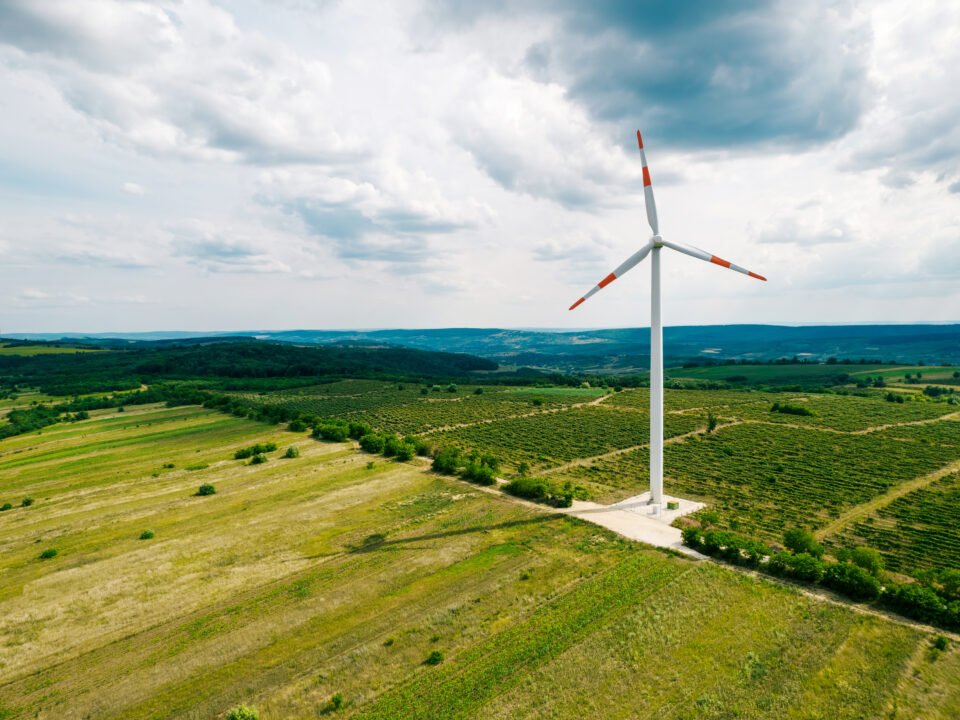
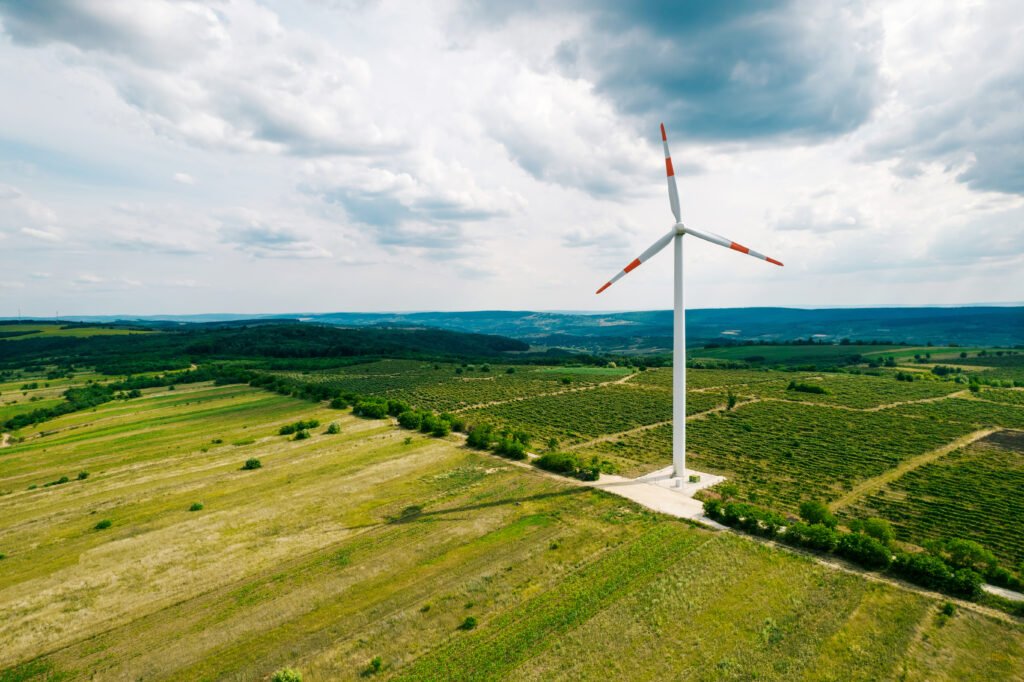
Wind power has already transformed renewable electricity generation, but next-generation wind technologies are making it even more efficient.
Offshore Wind Farms
Offshore wind turbines capture stronger and more consistent winds compared to land-based systems.
Airborne Wind Energy
Some companies are developing flying turbines and kite-based systems that generate electricity at high altitudes where winds are stronger.
Vertical Axis Turbines
These turbines operate efficiently in urban environments and changing wind conditions.
Wind energy remains a powerful new energy source that continues to evolve with advanced engineering solutions.
Artificial Photosynthesis
Artificial photosynthesis is an innovative technology inspired by nature. Scientists are developing systems that mimic plant photosynthesis to convert sunlight, water, and carbon dioxide into usable fuel.
This futuristic process could produce clean hydrogen fuel while reducing greenhouse gases in the atmosphere.
Although still experimental, artificial photosynthesis could become a revolutionary new energy source in the future.
The Role of Energy Storage
Developing a new energy source alone is not enough. Efficient energy storage systems are equally important for ensuring stable power supply.
Emerging Storage Technologies
- Solid-state batteries
- Flow batteries
- Hydrogen storage
- Gravity-based storage systems
Improved storage allows renewable electricity to be saved and used when demand is highest, making clean energy more dependable.
Challenges Facing New Energy Technologies
Despite rapid innovation, several challenges still exist:
- High development costs
- Infrastructure limitations
- Technology scalability
- Energy transmission challenges
- Government policy and regulation
However, continued investment and research are helping overcome these obstacles. As technologies mature, clean energy systems are becoming more affordable and accessible.
The Future of Energy
The future of energy will likely involve a combination of multiple renewable technologies rather than a single solution. Solar, wind, hydrogen, geothermal, and advanced storage systems will work together to create sustainable electricity networks.
Governments, businesses, and consumers all have important roles to play in supporting cleaner energy adoption. Investments in research and infrastructure today will determine how successfully future generations transition away from fossil fuels.
Every breakthrough in a new energy source brings the world closer to a cleaner, safer, and more energy-independent future.
Conclusion
The search for a reliable new energy source is shaping the future of global power generation. From hydrogen fuel and geothermal systems to ocean energy and nuclear fusion, innovative technologies are opening new possibilities for sustainable living.
These emerging energy solutions can reduce pollution, improve energy security, and support economic growth while protecting the environment. Although challenges remain, ongoing advancements continue to push the world toward cleaner and smarter energy systems.
As renewable technologies become more efficient and affordable, the next generation could experience an energy revolution unlike anything seen before. The future of clean power is already beginning, and every new innovation moves humanity one step closer to a sustainable world.