Smart Cities Powered by New Technology Green Energy
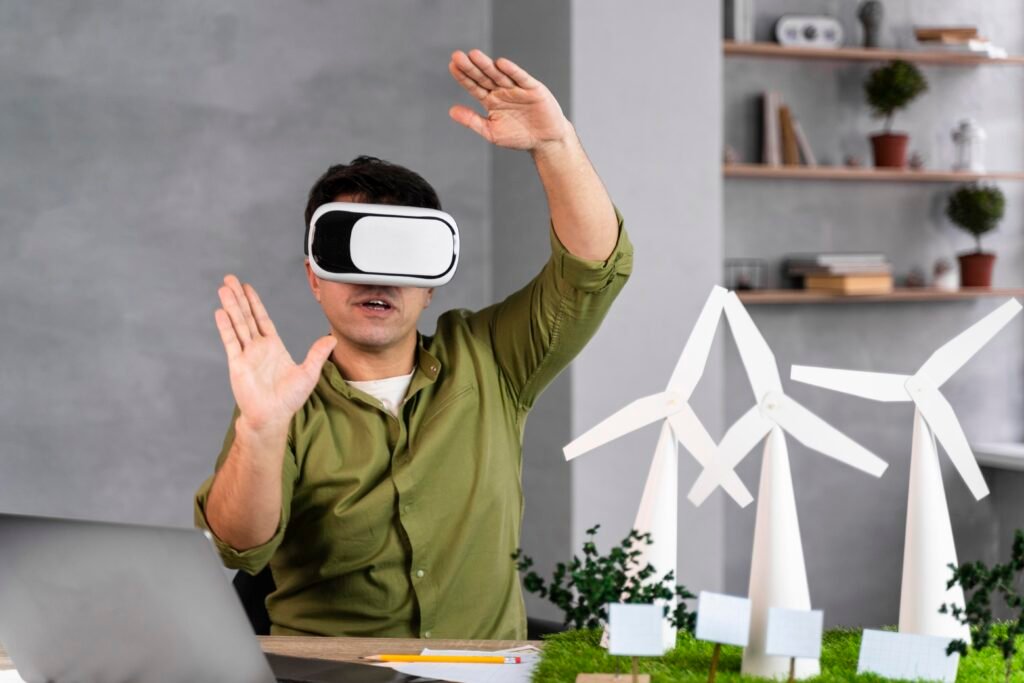
The rapid growth of urban populations is creating new challenges for cities around the world. Rising energy demand, pollution, traffic congestion, and environmental concerns are forcing governments and industries to rethink how cities operate. This is where new technology green energy is transforming the future. Smart cities powered by sustainable technologies are becoming the foundation for cleaner, safer, and more efficient urban living.
Modern smart cities combine digital innovation, renewable energy, automation, and intelligent infrastructure to improve the quality of life for citizens while reducing environmental impact. From solar-powered buildings to AI-driven traffic systems, the role of new technology green energy is expanding rapidly across transportation, housing, public utilities, and industrial operations.
What Is New Technology Green Energy?
New technology green energy refers to advanced renewable energy solutions that use innovative technologies to produce clean and sustainable power. Unlike traditional fossil fuels, green energy sources generate electricity with minimal environmental damage.
These technologies include:
- Solar energy systems
- Wind power solutions
- Smart power grids
- Energy storage batteries
- Hydrogen fuel technology
- Electric transportation
- Internet of Things (IoT) energy management
- Artificial intelligence for energy optimization
By integrating these systems into urban infrastructure, cities can reduce carbon emissions and create sustainable development models for the future.
The Rise of Smart Cities
A smart city uses technology and data to manage resources efficiently. Sensors, connected devices, and automation systems collect information in real time to improve public services and reduce waste. When combined with new technology green energy, smart cities become more sustainable and environmentally friendly.
Governments across the world are investing heavily in smart city projects to address challenges such as:
- Air pollution
- High energy consumption
- Traffic congestion
- Water shortages
- Waste management problems
- Climate change
The goal is to create cities that are energy-efficient, digitally connected, and environmentally responsible.
Renewable Energy at the Core of Smart Cities
Renewable energy is the backbone of smart city development. Traditional power generation methods contribute heavily to greenhouse gas emissions. Smart cities replace fossil fuels with cleaner alternatives powered by new technology green energy.
Solar Power Integration
Solar panels are now installed on residential buildings, commercial complexes, schools, and public infrastructure. Advanced solar technology allows buildings to generate electricity while reducing dependence on centralized power grids.
Smart solar systems can:
- Track sunlight automatically
- Store excess energy in batteries
- Monitor energy usage through mobile apps
- Reduce electricity bills significantly
Solar-powered streetlights and parking systems are also becoming common in urban areas.
Wind Energy Solutions
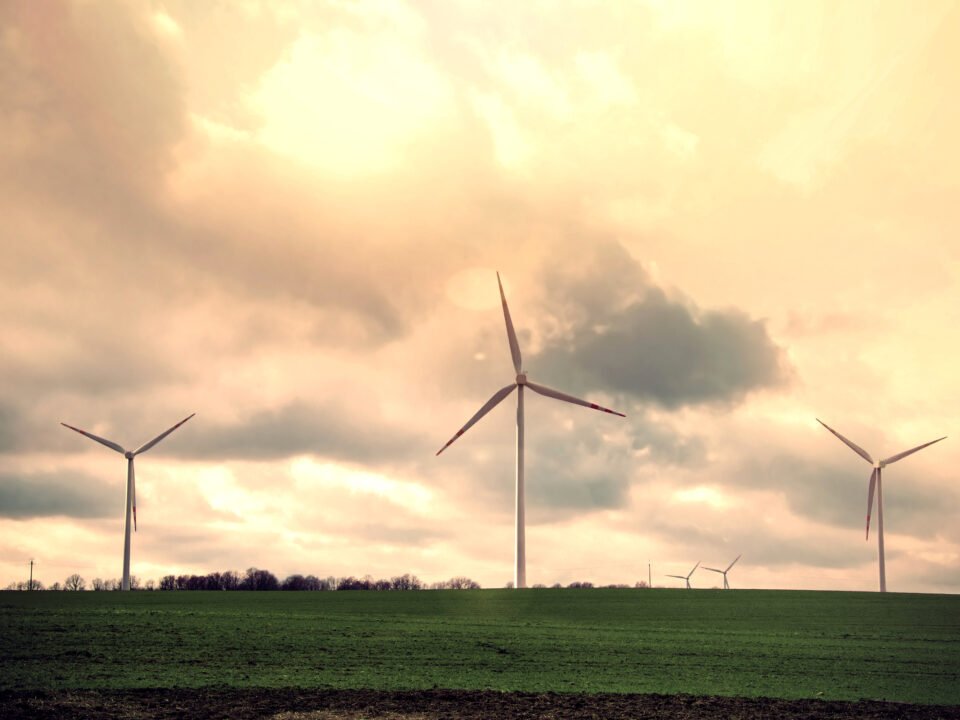
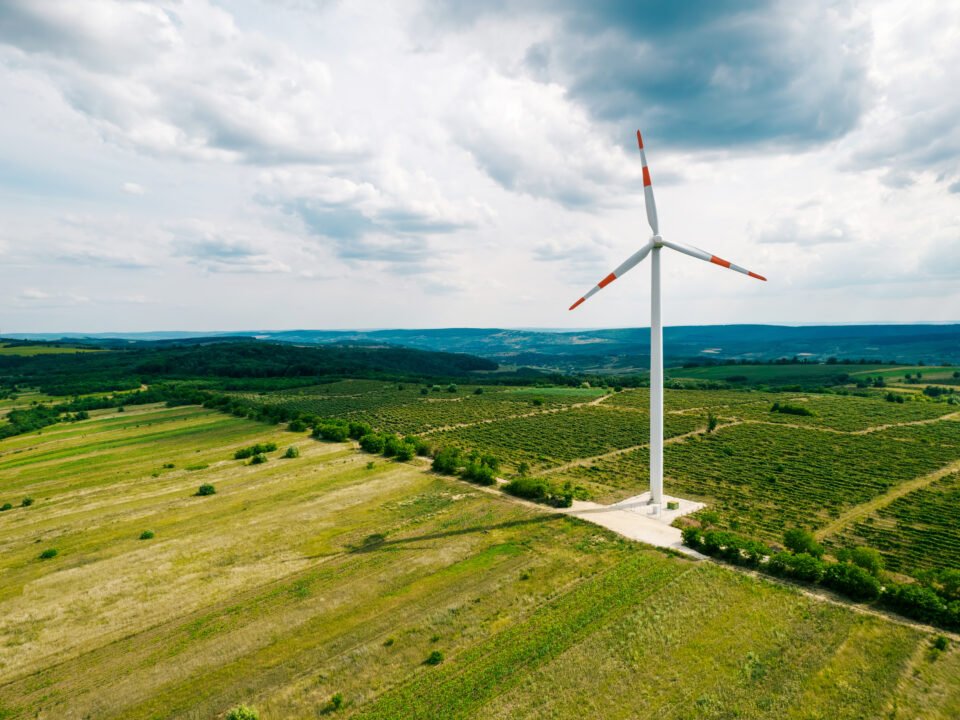
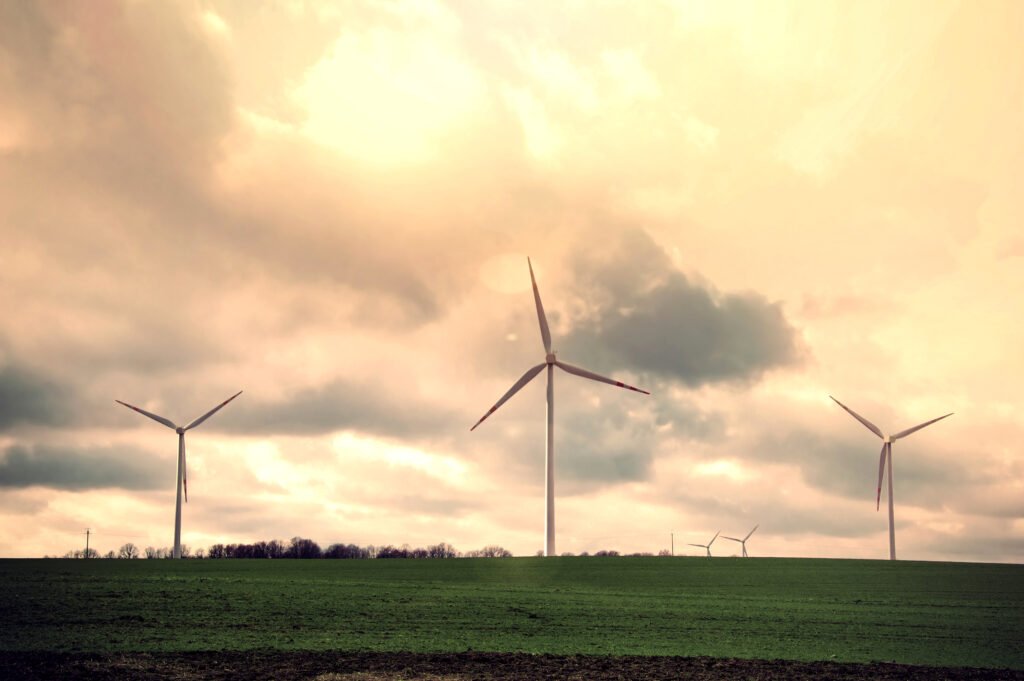
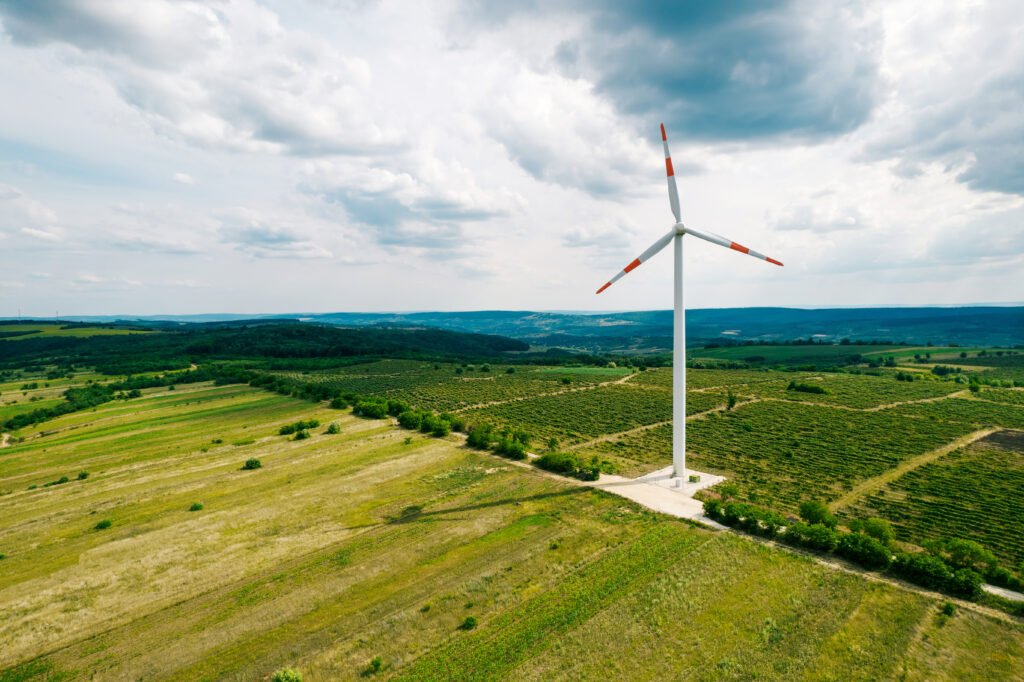
Urban wind turbines are another important component of new technology green energy systems. Modern turbines are quieter, more efficient, and suitable for both residential and commercial environments.
Cities located near coastal regions or open landscapes are increasingly using wind farms to supply clean electricity to households and industries.
Smart Energy Grids
Traditional power grids often waste energy due to inefficient distribution. Smart grids use digital communication systems to monitor electricity demand and supply in real time.
Benefits of smart grids include:
- Reduced power outages
- Better energy efficiency
- Faster fault detection
- Integration of renewable energy sources
- Lower operational costs
Smart grids help cities balance electricity consumption while maximizing renewable energy usage.
Electric Transportation and Green Mobility
Transportation is one of the largest contributors to urban pollution. Smart cities are using new technology green energy to create cleaner transportation systems.
Electric Vehicles
Electric vehicles (EVs) are becoming increasingly popular because they produce zero tailpipe emissions. Governments are supporting EV adoption by building charging infrastructure and offering subsidies.
Benefits of EVs include:
- Reduced air pollution
- Lower fuel costs
- Less noise pollution
- Improved energy efficiency
Many smart cities are replacing diesel buses with electric public transport systems to improve urban air quality.
Smart Traffic Management
Artificial intelligence and IoT sensors help manage traffic flow efficiently. Smart traffic lights adjust automatically based on road congestion, reducing fuel wastage and travel time.
This technology contributes to lower emissions and smoother transportation systems.
Shared Mobility Services
Bike-sharing programs, electric scooters, and carpooling services are helping reduce the number of private vehicles on roads. These systems support sustainable urban mobility while lowering traffic congestion.
Green Buildings and Sustainable Infrastructure
Buildings consume a large percentage of urban energy. Smart cities are designing eco-friendly buildings powered by new technology green energy solutions.
Energy-Efficient Construction
Modern green buildings use advanced materials and technologies to reduce energy consumption. Features include:
- Smart lighting systems
- Automated temperature control
- Solar rooftops
- Rainwater harvesting
- Natural ventilation systems
These buildings consume less electricity while providing comfortable living environments.
Smart Home Technology
Smart homes allow residents to control appliances, lighting, and energy usage remotely through smartphones or voice assistants.
Energy-saving technologies include:
- Motion-sensor lighting
- Smart thermostats
- Automated power management
- AI-based energy monitoring
These innovations help households reduce electricity consumption and lower utility bills.
Waste Management Powered by Green Technology
Waste management is another major challenge in urban areas. Smart cities are using new technology green energy to improve recycling and waste disposal systems.
Waste-to-Energy Plants
Waste-to-energy technology converts garbage into electricity or fuel. This reduces landfill usage while generating renewable power.
Benefits include:
- Reduced environmental pollution
- Cleaner urban spaces
- Renewable electricity generation
- Lower methane emissions
Smart Waste Collection
IoT-enabled waste bins can monitor garbage levels and notify collection teams when they are full. This improves efficiency and reduces fuel consumption in waste collection vehicles.
Water Conservation Through Smart Systems
Water scarcity is becoming a global concern. Smart cities are implementing intelligent water management systems powered by new technology green energy.
Technologies include:
- Smart water meters
- Leak detection sensors
- Solar-powered water purification systems
- Automated irrigation systems
These systems reduce water wastage and ensure sustainable resource management.
Artificial Intelligence and Data Analytics
Artificial intelligence plays a major role in optimizing energy usage in smart cities. AI systems analyze large amounts of data to improve efficiency across multiple sectors.
Applications include:
- Predicting energy demand
- Optimizing power distribution
- Monitoring pollution levels
- Managing public transportation
- Improving emergency response systems
AI-driven decision-making helps cities operate more sustainably and efficiently.
Benefits of Smart Cities Powered by New Technology Green Energy
The integration of new technology green energy into smart cities offers several long-term advantages.
Environmental Benefits
- Reduced carbon emissions
- Improved air quality
- Lower dependence on fossil fuels
- Better climate protection
Economic Benefits
- Reduced energy costs
- Increased job opportunities in green industries
- Improved infrastructure efficiency
- Long-term financial savings
Social Benefits
- Healthier living environments
- Better public services
- Improved transportation systems
- Enhanced quality of life
These benefits make smart cities more attractive for businesses, investors, and residents.
Challenges in Implementing Smart Green Cities
Despite the advantages, several challenges remain.
High Initial Investment
Developing smart infrastructure and renewable energy systems requires significant financial investment.
Cybersecurity Risks
Connected systems and IoT devices can become targets for cyberattacks if security measures are weak.
Technology Integration
Combining multiple technologies into one seamless urban system can be complex.
Public Awareness
Citizens must understand and support sustainable practices for smart city initiatives to succeed.
Governments and private organizations must work together to overcome these challenges.
The Future of Smart Cities
The future of urban development depends heavily on new technology green energy. As renewable technologies become more affordable and efficient, more cities will transition toward sustainable models.
Emerging innovations such as hydrogen energy, advanced battery storage, carbon capture systems, and AI-powered infrastructure will further improve urban sustainability.
Countries around the world are already investing in smart city projects to achieve climate goals and create resilient urban environments. In the coming years, smart cities powered by green energy will become the global standard for sustainable development.
Conclusion
Smart cities are reshaping the future of urban living by combining technology, sustainability, and renewable energy solutions. The integration of new technology green energy into transportation, buildings, utilities, and public services is helping cities become cleaner, safer, and more efficient.
As environmental concerns continue to grow, governments, industries, and citizens must embrace sustainable innovation to create a greener future. Smart cities powered by renewable technologies are not just a vision for tomorrow—they are becoming a reality today.