Why Replaceable Energy Is Essential for Reducing Carbon Emissions

Climate change has become one of the most pressing challenges facing the world today. Rising temperatures, unpredictable weather patterns, and increasing pollution levels have forced governments, businesses, and households to rethink how energy is produced and consumed. One of the most effective solutions is the adoption of replaceable energy. As nations work toward sustainability goals, replaceable energy has emerged as a critical component in reducing carbon emissions and building a cleaner future.
Understanding Replaceable Energy
Replaceable energy refers to energy sources that can naturally replenish themselves over time and do not run out like traditional fossil fuels. These energy sources include solar power, wind energy, hydroelectric power, geothermal systems, and biomass energy. Unlike coal, oil, and natural gas, sources can continuously generate electricity without significantly depleting natural resources.
The increasing demand for electricity and industrial growth has made it essential to shift toward cleaner alternatives. provides a long-term solution that supports economic growth while protecting the environment.
The Connection Between Carbon Emissions and Traditional Energy
Most carbon emissions come from burning fossil fuels. Coal-fired power plants, transportation systems, industrial facilities, and heating systems release enormous amounts of carbon dioxide into the atmosphere. These emissions trap heat and contribute directly to global warming.
Traditional energy systems depend heavily on finite resources that produce greenhouse gases during extraction, transportation, and consumption. As global populations continue to grow, relying solely on fossil fuels creates greater environmental risks.
This is where becomes important. By reducing dependence on fossil fuels, carbon emissions can be significantly lowered across multiple industries.
How Replaceable Energy Reduces Carbon Emissions
1. Produces Electricity Without Burning Fossil Fuels
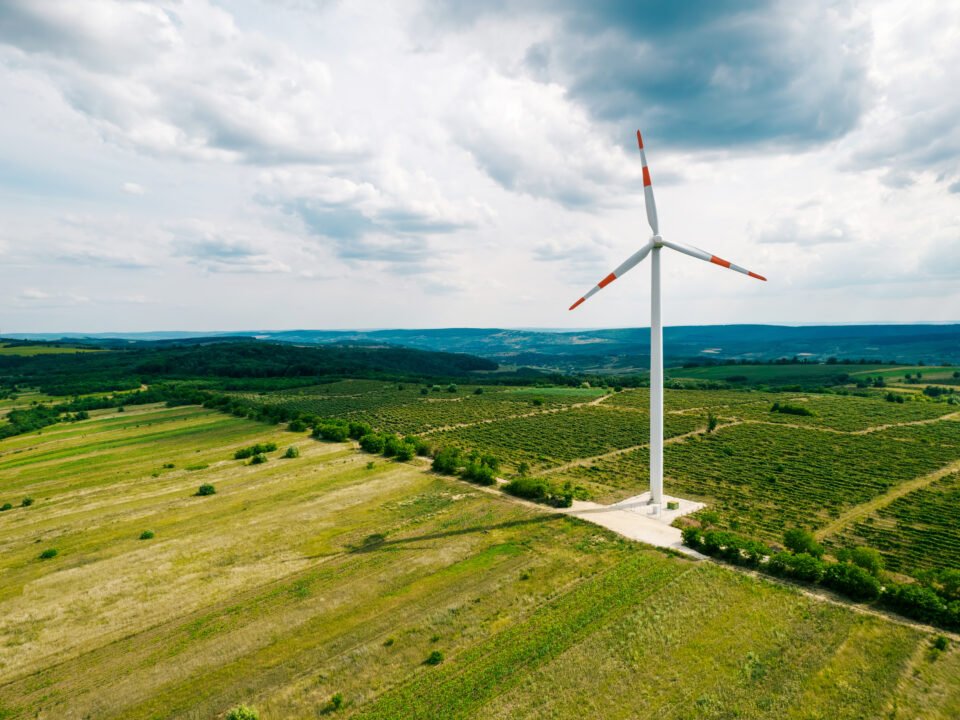
Solar panels and wind turbines generate electricity without combustion. Since there is no burning process involved, carbon emissions remain extremely low compared to conventional energy sources.
For example, a solar-powered electricity system can generate power for decades while producing only minimal environmental impact during operation.
2. Reduces Industrial Pollution
Industrial sectors are among the largest contributors to carbon emissions. Factories, manufacturing facilities, and processing plants require massive amounts of electricity.
Replacing conventional electricity with replaceable energy allows industries to reduce emissions while maintaining productivity. Many companies now invest in renewable infrastructure to meet sustainability targets and reduce operational costs.
3. Supports Cleaner Transportation
Electric vehicles powered by replaceable energy systems create fewer emissions compared to gasoline or diesel vehicles.
As charging networks increasingly integrate renewable electricity sources, transportation systems become significantly more environmentally friendly.
4. Encourages Decentralized Energy Production
Traditional energy systems rely heavily on centralized power plants. Replaceable energy enables local power generation through rooftop solar systems, community wind projects, and microgrids.
This reduces transmission losses and lowers overall carbon output.
Environmental Benefits Beyond Carbon Reduction
The advantages of replaceable energy extend beyond reducing emissions.
Improved Air Quality
Burning fossil fuels releases pollutants that contribute to respiratory diseases and environmental damage. Cleaner energy sources reduce harmful pollutants and improve public health.
Reduced Water Consumption
Many traditional power plants require large amounts of water for cooling systems. Solar and wind technologies generally consume much less water, helping preserve valuable water resources.
Protection of Natural Ecosystems
Extracting coal, oil, and gas often damages landscapes and ecosystems. Replaceable energy systems usually have smaller environmental footprints and reduce resource extraction pressures.
Economic Benefits of Replaceable Energy
Many people assume sustainable energy solutions are expensive. However, replaceable energy often creates significant financial benefits.
Lower Operating Costs
Once installed, solar panels and wind systems have relatively low operating expenses. Fuel costs are minimal because sunlight and wind are naturally available.
Job Creation
The clean energy sector creates employment opportunities across manufacturing, installation, maintenance, engineering, and research.
As demand grows, replaceable energy continues creating new economic opportunities.
Greater Energy Independence
Countries that depend heavily on imported fuels face energy security risks. Investing in domestic replaceable energy resources reduces dependence on foreign suppliers and stabilizes energy prices.
Challenges Facing Replaceable Energy Adoption
Although replaceable energy offers many benefits, some challenges remain.
Initial Installation Costs
Solar systems, wind turbines, and battery storage often require large upfront investments. However, falling technology costs continue improving affordability.
Energy Storage Limitations
Some replaceable energy sources depend on weather conditions. Solar generation decreases at night, while wind production varies.
Advanced battery storage systems are helping address these limitations by storing excess electricity for later use.
Infrastructure Upgrades
Many electricity grids were originally designed for centralized fossil fuel power plants. Modernizing infrastructure requires investment and planning.
Despite these challenges, technological improvements continue making replaceable energy more practical and accessible.
The Role of Governments and Businesses
Governments play an important role in accelerating replaceable energy adoption through incentives, regulations, and infrastructure investment.
Businesses also contribute by:
- Investing in renewable electricity
- Improving energy efficiency
- Reducing operational emissions
- Supporting sustainable supply chains
Collaboration between governments, industries, and consumers creates faster progress toward lower emissions.
What Individuals Can Do
Reducing carbon emissions is not limited to governments and corporations. Individuals can contribute through everyday decisions.
Some practical actions include:
- Installing solar systems where possible
- Choosing energy-efficient appliances
- Supporting sustainable products
- Using electric transportation options
- Reducing unnecessary electricity consumption
Small actions across millions of households create meaningful environmental impact.
The Future of Replaceable Energy
The future of global energy systems increasingly depends on replaceable energy solutions. Technology improvements continue lowering costs while increasing efficiency and reliability.
As countries pursue climate targets and sustainable development goals, replaceable energy will become central to reducing carbon emissions.
The transition may take time, but momentum continues growing. Investment, innovation, and public awareness are accelerating the shift toward cleaner energy systems.
Conclusion
Replaceable energy is no longer simply an environmental preference—it has become an essential strategy for reducing carbon emissions and creating sustainable economic growth. From lowering pollution and improving air quality to increasing energy security and creating jobs, the benefits extend across society.
As climate challenges continue increasing, the importance of replaceable energy will only grow. Investing in cleaner energy today creates a healthier environment, stronger economies, and a more sustainable future for generations to come.