The Growth of the Green Energy Sector and Its Benefits

The green energy sector has become one of the most important parts of the global energy transition. As countries, businesses, and communities look for cleaner alternatives to fossil fuels, renewable energy technologies are receiving greater investment and attention. Solar, wind, hydropower, geothermal energy, biomass, and other clean technologies are helping transform the way electricity is generated, distributed, and consumed.
The growth of the green energy sector is being driven by several factors, including climate concerns, technological innovation, falling renewable energy costs, government policies, and increasing demand for sustainable power. This transition is not only changing the energy industry but also creating economic, environmental, and social opportunities.
What Is the Green Energy Sector?
The green energy sector includes industries involved in producing energy from renewable and environmentally sustainable sources. Unlike fossil fuels such as coal, oil, and natural gas, renewable resources are naturally replenished and generally produce significantly fewer greenhouse gas emissions during operation.
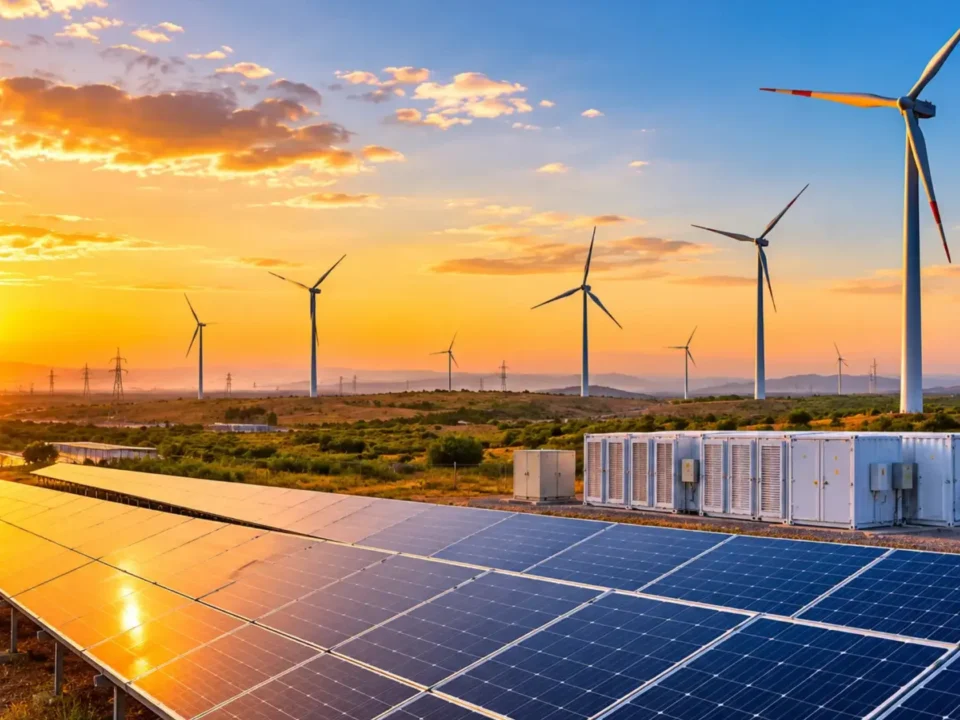
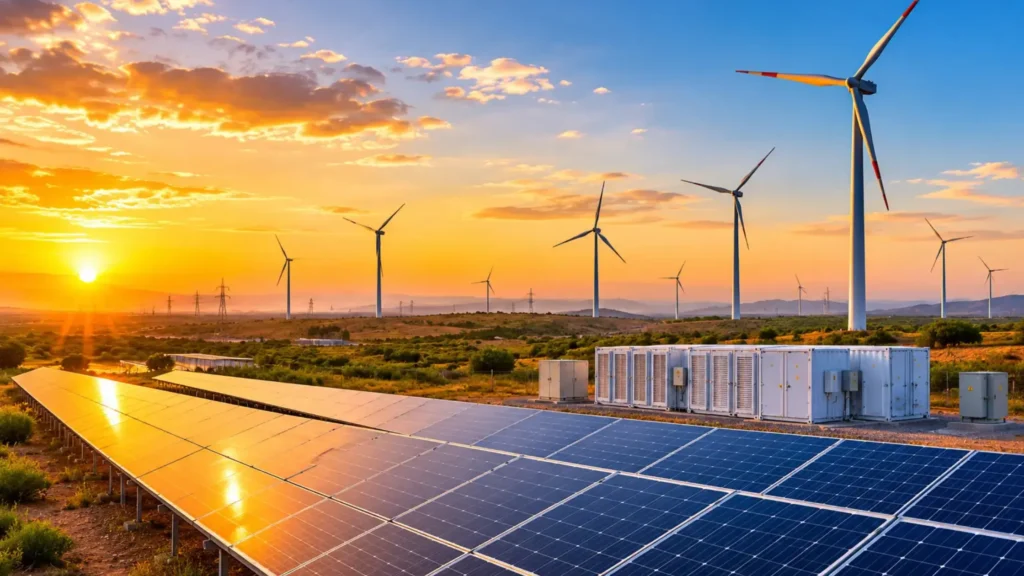
Solar photovoltaic systems convert sunlight into electricity, while wind turbines use moving air to generate power. Hydropower plants use flowing or falling water, geothermal systems utilize heat from beneath the Earth’s surface, and biomass can convert organic materials into useful energy.
The sector also includes supporting technologies such as battery storage, smart grids, energy-efficient equipment, electric vehicles, renewable fuels, and hydrogen technologies. Together, these technologies are helping build a more flexible and sustainable energy system.
Factors Driving the Growth of Green Energy
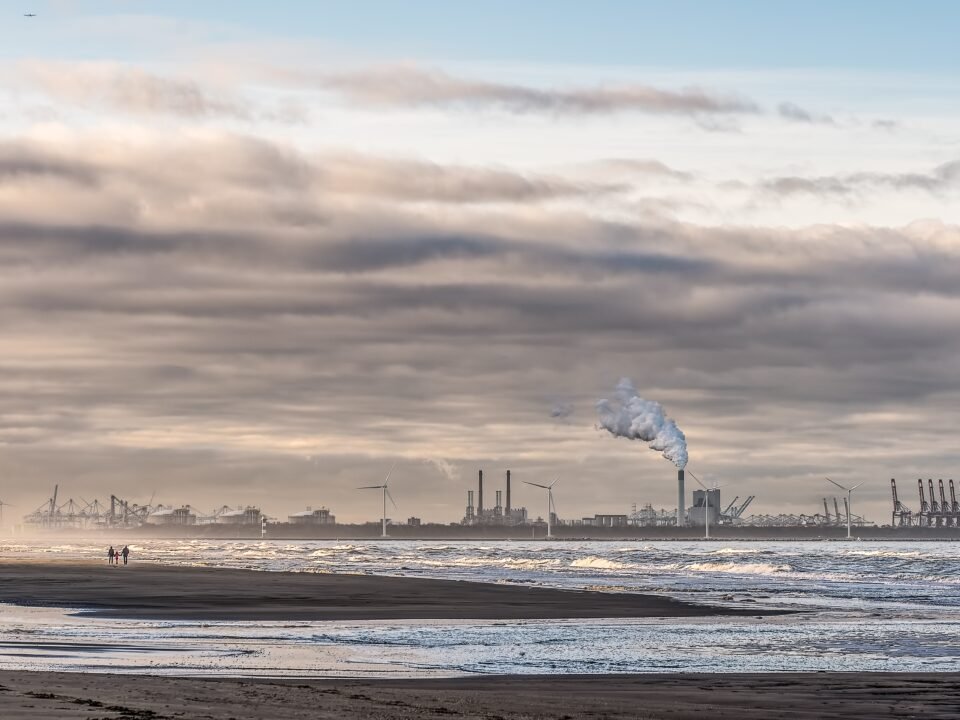
One of the biggest reasons for the expansion of the green energy sector is the global effort to reduce greenhouse gas emissions. Burning fossil fuels for electricity, transportation, and industrial activities contributes substantially to climate change. Renewable energy offers a pathway toward reducing emissions while meeting growing energy demand.
Technological advancement is another major factor. Solar panels have become more efficient, wind turbines have increased in size and capability, and battery storage technologies continue to improve. These developments can make renewable energy projects more competitive and reliable.
Government policies are also supporting growth. Many countries provide incentives, renewable energy targets, auctions, tax benefits, and other measures designed to encourage clean energy investment. Public and private organizations are increasingly setting sustainability and emissions-reduction goals, further increasing demand for renewable electricity.
At the same time, consumers are becoming more environmentally conscious. Businesses are adopting renewable power to reduce emissions, manage long-term energy costs, and strengthen their sustainability strategies.
Major Areas of the Green Energy Sector
Solar energy is one of the fastest-growing areas of the green energy sector. Solar photovoltaic technology can be deployed on residential rooftops, commercial buildings, utility-scale solar farms, and other locations. Its modular nature allows solar systems to serve both small consumers and large electricity networks.
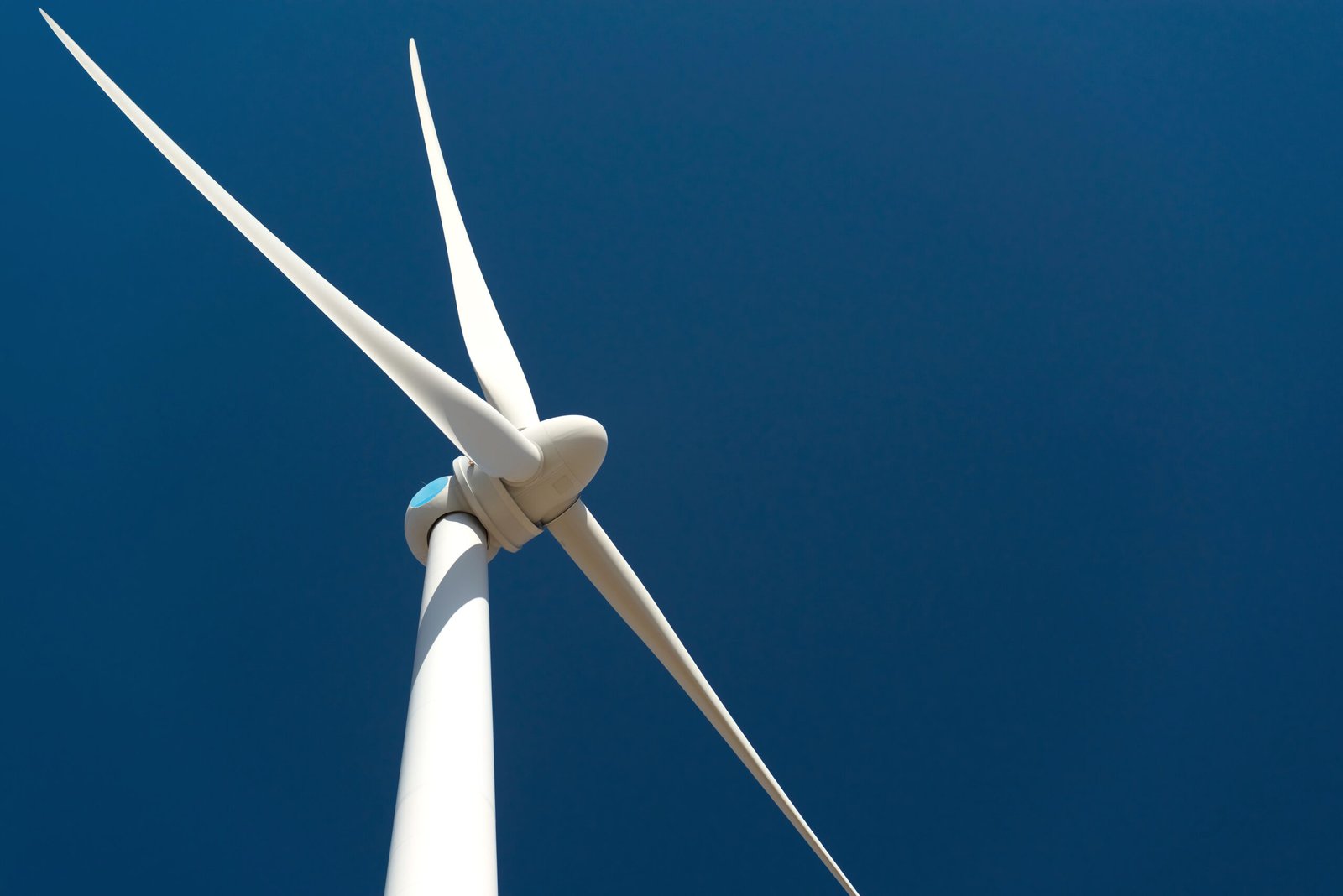
Wind energy is another important contributor. Onshore and offshore wind farms can generate substantial amounts of electricity without burning fuel during operation. Improvements in turbine technology are allowing projects to operate efficiently across a wider range of locations.
Hydropower remains an established renewable energy source and can provide dependable electricity in suitable regions. Geothermal energy offers another valuable option, particularly in areas with accessible underground heat resources.
Biomass and renewable fuels also have a role to play, especially in sectors where direct electrification can be challenging. In addition, emerging technologies such as green hydrogen may support industrial processes, long-distance transportation, and energy storage in the future.
Economic Benefits
The expansion of the green energy sector can create significant economic opportunities. Renewable energy projects require engineers, technicians, construction workers, project managers, manufacturers, researchers, and other professionals. As the industry expands, new employment opportunities can emerge throughout the energy supply chain.
Investment in renewable energy can also support local economies. Large projects may generate construction activity, land-lease income, tax revenues, and demand for local services. Manufacturing facilities for solar equipment, wind components, batteries, and other technologies can further strengthen industrial development.
Another economic benefit is energy diversification. Countries that rely heavily on imported fossil fuels can increase energy security by developing domestic renewable resources. Solar and wind resources, for example, are available in many regions and can reduce dependence on imported fuels.
Environmental Benefits
Environmental protection is one of the most important advantages of the green energy sector. Renewable energy technologies generally produce fewer operational greenhouse gas emissions than conventional fossil-fuel power generation.
Greater use of renewable electricity can help reduce air pollution associated with coal and other fossil fuels. Cleaner energy can contribute to healthier communities, particularly in areas affected by emissions from conventional power plants.
Renewable resources also provide a long-term alternative to finite fossil fuel reserves. Although renewable projects have environmental impacts of their own, responsible planning, efficient land use, recycling, and improved project design can help minimize those impacts.
Benefits for Energy Security
Energy security is becoming increasingly important as countries seek reliable and affordable electricity. The green energy sector can contribute to a more diversified energy mix by combining different renewable resources and energy-storage technologies.
Solar and wind generation can be supported by batteries, flexible power systems, transmission networks, hydropower, and other resources. A diversified system can reduce dependence on a single fuel source and improve resilience against fuel-price volatility.
Distributed renewable systems can also provide electricity closer to where it is consumed. Rooftop solar, microgrids, and community renewable projects can contribute to local energy resilience when appropriately designed and managed.
Challenges Facing the Green Energy Sector
Despite its rapid growth, the green energy sector faces several challenges. Solar and wind generation can vary depending on weather conditions, creating a need for better energy storage, forecasting, transmission, and grid management.
Infrastructure development is another challenge. Expanding renewable capacity often requires new transmission lines, substations, storage facilities, and upgraded electricity networks.
Supply chains also require attention. Renewable technologies depend on various minerals, components, manufacturing capabilities, and global logistics. Developing recycling systems, diversified supply chains, and responsible sourcing practices will become increasingly important.
Workforce development is equally important. As energy systems change, workers need training in renewable technologies, electrical systems, digital monitoring, maintenance, and energy management.
The Future of the Green Energy Sector
The future of the green energy sector is closely connected with continued technological innovation and investment. Solar and wind power are expected to remain important parts of electricity generation, while batteries and other storage technologies can help balance variable renewable production.
Digital technologies are also changing energy management. Smart meters, advanced forecasting, automated controls, and artificial intelligence can help utilities and consumers manage electricity more efficiently.
Green hydrogen, advanced geothermal technologies, long-duration energy storage, and renewable fuels may provide additional solutions for difficult-to-decarbonize sectors. As these technologies develop, the renewable energy ecosystem is likely to become more integrated and flexible.
Businesses will also play a major role. Companies can purchase renewable electricity, install on-site generation, improve energy efficiency, and invest in cleaner technologies. These actions can support both sustainability objectives and long-term business resilience.
Conclusion
The growth of the green energy sector represents a major transformation in the global energy industry. Driven by technological progress, environmental concerns, supportive policies, investment, and rising demand for sustainable energy, renewable technologies are becoming increasingly important.
The benefits extend beyond cleaner electricity. The sector can create jobs, encourage investment, improve energy security, support innovation, reduce emissions, and contribute to more sustainable economic development. Although challenges involving grid infrastructure, storage, supply chains, and workforce skills remain, continued innovation and coordinated investment can help address them.
As countries and organizations continue their transition toward cleaner energy systems, the green energy sector is positioned to play a central role in shaping a more sustainable, resilient, and economically dynamic energy future.