The Role of Energy Development in Achieving Global Climate Goals
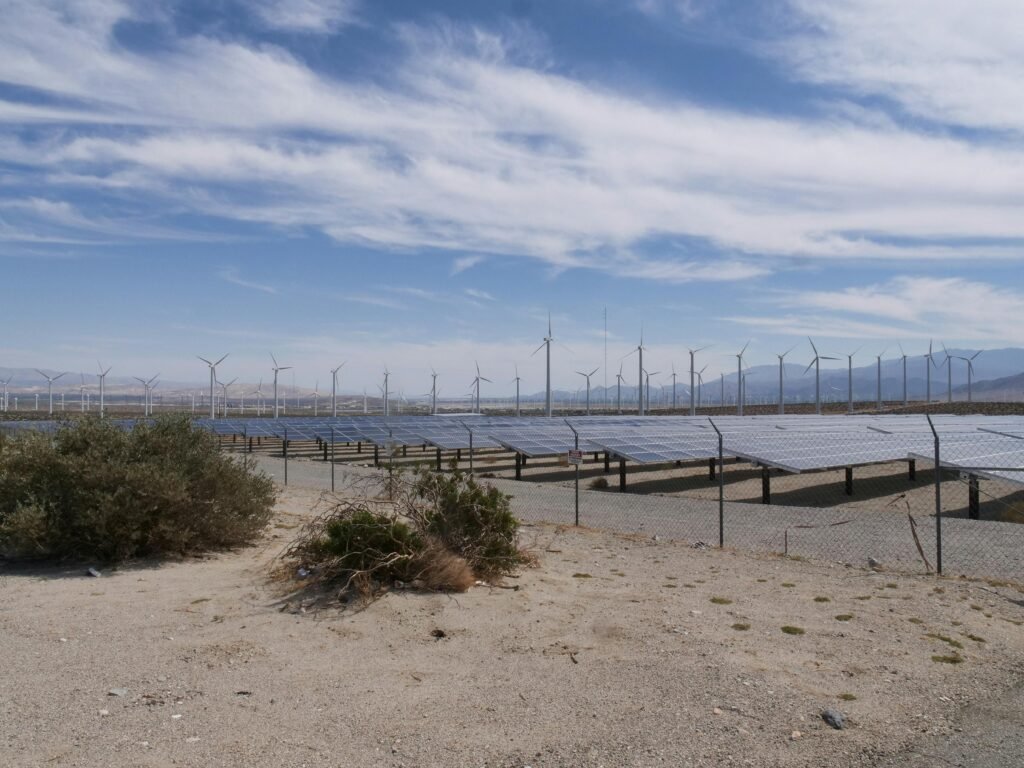
Climate change has become one of the most pressing challenges facing humanity today. Rising global temperatures, extreme weather events, and increasing carbon emissions are forcing governments, businesses, and communities to rethink how energy is produced and consumed. In this context, energy development plays a critical role in achieving global climate goals and creating a sustainable future for generations to come.
Energy is the foundation of modern society. It powers homes, industries, transportation systems, healthcare facilities, and digital infrastructure. However, traditional energy sources such as coal, oil, and natural gas have contributed significantly to greenhouse gas emissions. To meet international climate targets, countries must focus on sustainable energy development that promotes clean, reliable, and affordable energy solutions.
Understanding Energy Development
Energy development refers to the process of exploring, producing, improving, and distributing energy resources to meet growing demand. This includes investments in renewable energy technologies, energy infrastructure, research and innovation, and policies that support sustainable energy systems.
Historically, energy development relied heavily on fossil fuels because they were abundant and cost-effective. While these resources fueled economic growth, they also created environmental challenges, including air pollution and climate change. Today, the focus is shifting toward renewable energy sources such as solar, wind, hydropower, geothermal, and biomass.
Modern energy development aims to balance economic growth, energy security, and environmental sustainability. By adopting cleaner technologies, nations can reduce emissions while maintaining access to the energy needed for development.
The Connection Between Energy Development and Climate Goals
Global climate agreements, including the Paris Agreement, emphasize the need to limit global warming and reduce carbon emissions. Since the energy sector accounts for a large share of global greenhouse gas emissions, effective energy development is essential for achieving these goals.
Renewable energy projects help replace carbon-intensive power generation with cleaner alternatives. Solar farms, wind turbines, and hydroelectric facilities generate electricity with minimal emissions, making them crucial tools in the fight against climate change.
Furthermore, energy development supports the transition to electrified transportation systems, smart grids, and energy-efficient buildings. These innovations help reduce overall energy consumption and environmental impact while supporting economic growth.
Expanding Renewable Energy Capacity
One of the most important aspects of energy development is the expansion of renewable energy capacity. Over the past decade, renewable technologies have become more affordable and efficient, making them increasingly competitive with traditional energy sources.
Solar energy has experienced remarkable growth due to falling installation costs and improved panel efficiency. Wind energy has also expanded significantly, particularly in regions with strong wind resources. Hydropower remains a reliable source of renewable electricity, while geothermal energy offers a stable and continuous power supply.
Investments in renewable energy development not only reduce carbon emissions but also create jobs, stimulate economic activity, and improve energy access in underserved communities.
Supporting Energy Efficiency
Energy efficiency is another key component of successful energy development. Improving efficiency means using less energy to perform the same tasks, thereby reducing waste and lowering emissions.
Energy-efficient technologies can be applied across multiple sectors, including:
- Residential buildings
- Commercial facilities
- Manufacturing industries
- Transportation systems
- Public infrastructure
Examples include LED lighting, smart thermostats, energy-efficient appliances, and advanced industrial equipment. Governments and businesses that prioritize energy efficiency can significantly reduce energy consumption while saving money and lowering environmental impacts.
Strengthening Energy Infrastructure
Achieving climate goals requires more than simply generating renewable energy. Countries must also invest in modern infrastructure that supports the efficient distribution and storage of clean energy.
Modern energy development involves upgrading transmission networks, deploying smart grid technologies, and expanding energy storage systems. Battery storage solutions are becoming increasingly important because they help balance supply and demand, especially when renewable energy generation fluctuates due to weather conditions.
A resilient energy infrastructure improves reliability, reduces energy losses, and enables greater integration of renewable energy sources into national power systems.
Promoting Innovation and Technology
Technological innovation is a driving force behind effective energy development. Advances in energy technologies are making clean energy more accessible, affordable, and efficient.
Emerging innovations include:
- Advanced battery storage systems
- Green hydrogen production
- Carbon capture and storage technologies
- Smart grid management systems
- Artificial intelligence for energy optimization
- Next-generation solar panels
Research and development efforts continue to improve energy performance while reducing costs. These innovations can accelerate the global transition toward low-carbon energy systems and help countries meet ambitious climate targets.
Enhancing Energy Access Worldwide
Despite significant progress, millions of people around the world still lack access to reliable electricity. Sustainable energy development can address this challenge while supporting climate objectives.
Renewable energy technologies are particularly valuable in remote and rural areas where extending traditional power grids may be expensive or impractical. Solar microgrids, small-scale wind systems, and community-based renewable projects provide clean and affordable electricity to underserved populations.
Improved energy access contributes to better healthcare, education, economic opportunities, and overall quality of life. At the same time, it supports sustainable development without increasing dependence on fossil fuels.
The Economic Benefits of Energy Development
Many people view climate action as an economic challenge, but strategic energy development can create substantial economic benefits.
Investments in renewable energy projects generate employment opportunities in manufacturing, construction, maintenance, and research. Clean energy industries are becoming major drivers of economic growth in many countries.
Additionally, renewable energy reduces dependence on imported fuels, improving energy security and protecting economies from fluctuations in global energy markets. Businesses that adopt clean energy solutions can also reduce operating costs and enhance their sustainability credentials.
As demand for clean energy continues to grow, countries that invest early in energy development may gain significant competitive advantages in the global economy.
Government Policies and International Cooperation
Governments play a crucial role in guiding energy development through policies, incentives, and regulations. Supportive measures may include:
- Renewable energy subsidies
- Tax incentives for clean energy projects
- Carbon pricing mechanisms
- Energy efficiency standards
- Research and development funding
- Infrastructure investment programs
International cooperation is equally important. Climate change is a global issue that requires coordinated action among nations. Sharing technology, expertise, and financial resources can accelerate the adoption of sustainable energy solutions worldwide.
Collaborative efforts help ensure that developing countries have access to the tools and resources needed to pursue low-carbon growth pathways.
Conclusion
The path to achieving global climate goals depends heavily on effective energy development. By expanding renewable energy, improving energy efficiency, modernizing infrastructure, supporting innovation, and increasing energy access, countries can significantly reduce greenhouse gas emissions while promoting economic growth and social progress.
As the world works toward a more sustainable future, energy development will remain a cornerstone of climate action. Governments, businesses, and communities must continue investing in clean energy solutions that balance environmental responsibility with economic opportunity. Through strategic and sustainable energy development, humanity can move closer to achieving its climate goals and securing a healthier planet for future generations.