GRN Power and Its Role in the Future of Renewable Energy

As the world shifts toward cleaner and more sustainable energy solutions, GRN Power has become an important part of the renewable energy conversation. Governments, businesses, and individuals are actively investing in renewable energy technologies to reduce carbon emissions, improve energy security, and create a greener future. Whether through solar, wind, hydro, or other clean energy sources, GRN Power represents the growing commitment to environmentally responsible electricity generation.
In this blog, we will explore what GRN Power is, its importance in the renewable energy sector, key technologies driving its growth, benefits, challenges, and why it will play a significant role in shaping the future of global energy.
What Is GRN Power?
GRN Power refers to energy generated from renewable and sustainable sources that have minimal environmental impact. Unlike fossil fuels such as coal, oil, and natural gas, renewable energy sources replenish naturally and produce significantly fewer greenhouse gas emissions.
The main sources contributing to GRN Power include:
- Solar energy
- Wind energy
- Hydropower
- Biomass energy
- Geothermal energy
These renewable resources provide reliable electricity while helping reduce dependence on non-renewable fuels.
Why GRN Power Matters
Climate change has become one of the world’s biggest challenges. Rising temperatures, extreme weather events, and increasing carbon emissions have accelerated the need for cleaner energy solutions. GRN Power offers an effective pathway to reducing environmental pollution while supporting economic growth.
Some of the key reasons why GRN Power is important include:
1. Reduces Carbon Emissions
Renewable energy technologies generate electricity with little or no carbon dioxide emissions. This helps countries meet climate goals and reduce their environmental footprint.
2. Improves Energy Security
Countries that invest in GRN Power reduce dependence on imported fossil fuels. Local renewable resources provide greater energy independence and long-term stability.
3. Supports Sustainable Development
Renewable energy projects create jobs, encourage innovation, and promote sustainable economic development while protecting natural resources.
4. Meets Growing Energy Demand
As global electricity demand increases, GRN Power provides scalable solutions capable of supplying clean electricity to homes, industries, and businesses.
Major Technologies Behind GRN Power
Several renewable technologies are driving the rapid expansion of GRN Power across the globe.
Solar Energy
Solar power converts sunlight into electricity using photovoltaic (PV) panels. Continuous improvements in panel efficiency and declining installation costs have made solar one of the fastest-growing renewable energy sources.
Advantages include:
- Low maintenance
- Zero fuel costs
- Suitable for residential and commercial applications
- Long operational lifespan
Wind Energy
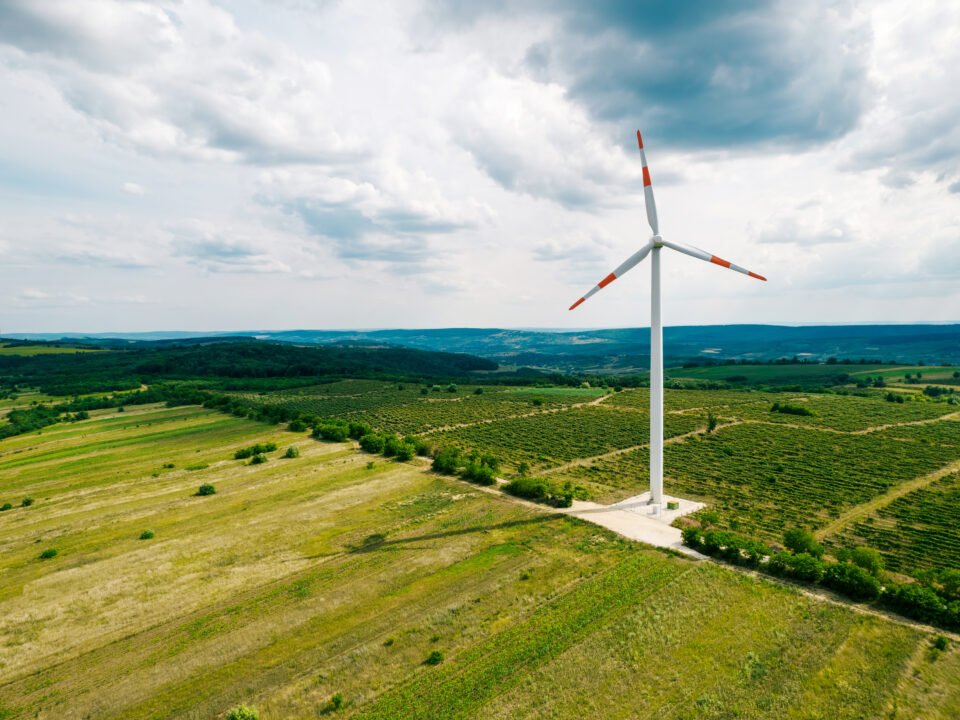
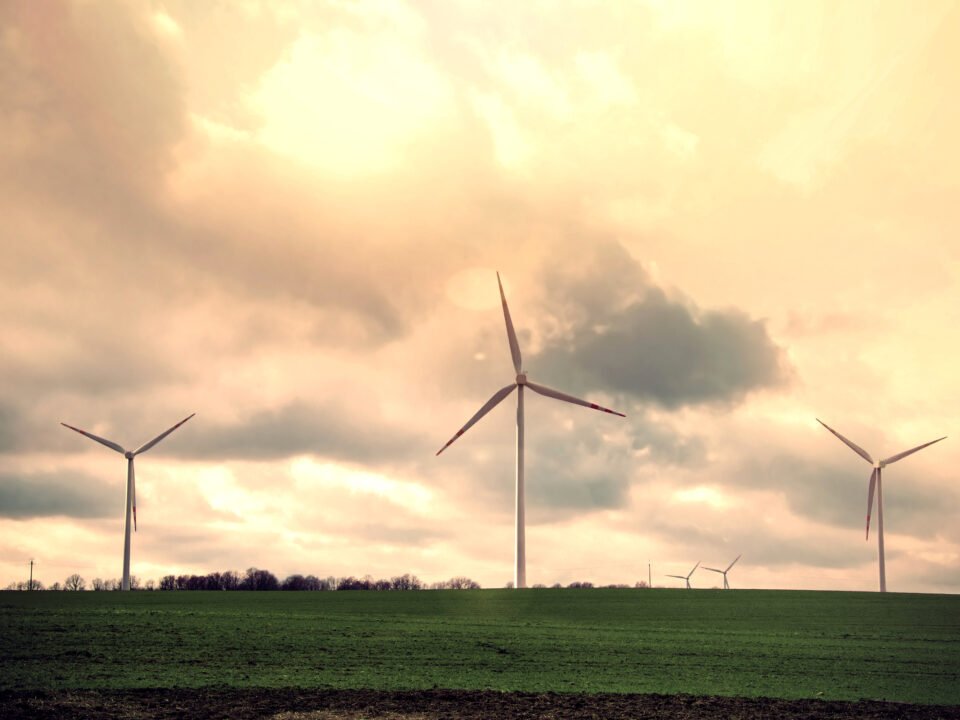
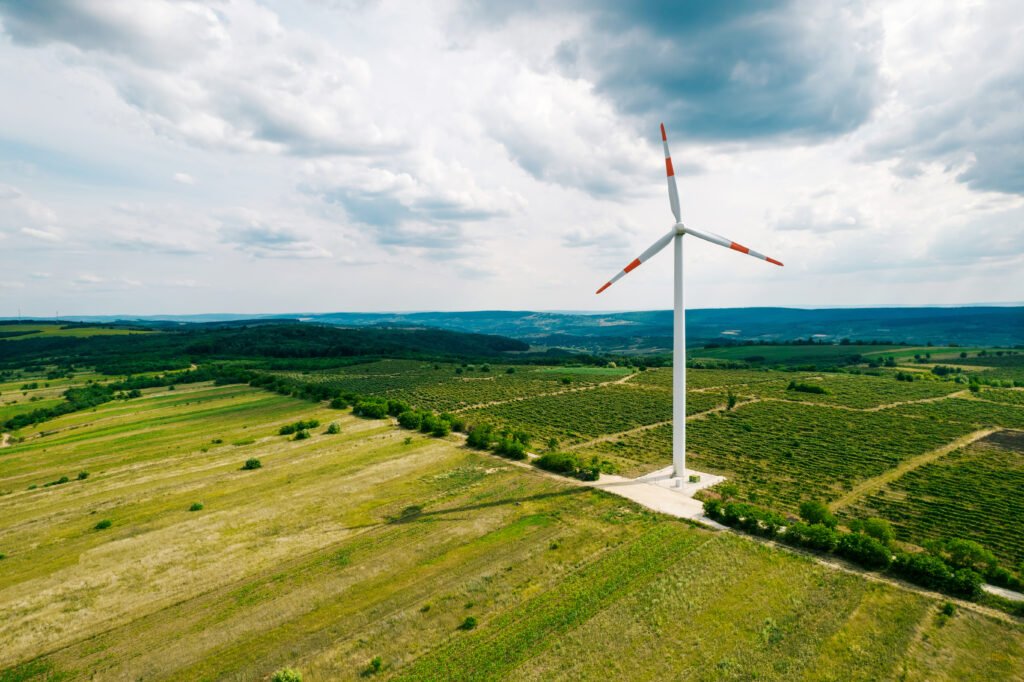
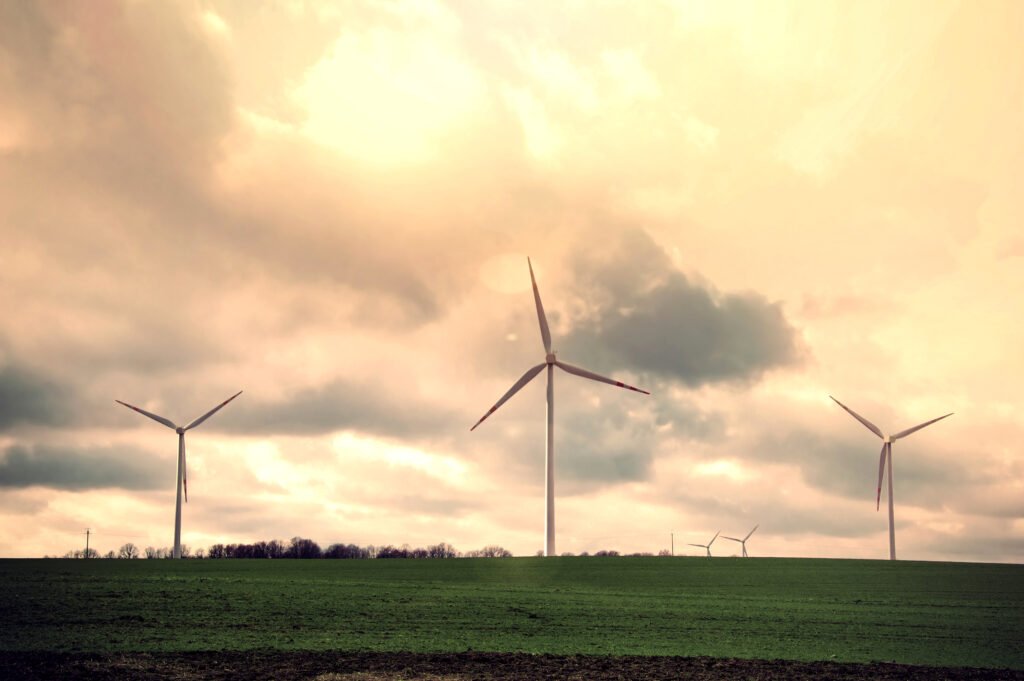
Wind turbines generate electricity by converting wind energy into mechanical power and then into electrical energy. Both onshore and offshore wind farms contribute significantly to GRN Power generation.
Benefits include:
- Clean electricity production
- Low operating costs
- Large-scale energy generation
- Reduced greenhouse gas emissions
Hydropower
Hydroelectric plants produce electricity by utilizing flowing water. Hydropower remains one of the largest renewable energy sources worldwide due to its high efficiency and dependable performance.
Biomass Energy
Biomass uses organic materials such as agricultural waste, wood, and biodegradable materials to generate electricity and heat. Properly managed biomass systems help reduce waste while producing renewable energy.
Geothermal Energy
Geothermal plants harness heat stored beneath the Earth’s surface to produce electricity and heating. Since underground temperatures remain stable, geothermal systems provide reliable year-round energy.
Benefits of GRN Power
The rapid adoption of GRN Power delivers numerous environmental, economic, and social benefits.
Environmental Benefits
Renewable energy significantly reduces:
- Air pollution
- Greenhouse gas emissions
- Water contamination
- Fossil fuel consumption
This contributes to healthier ecosystems and cleaner air for future generations.
Economic Benefits
Investments in GRN Power stimulate economic growth through:
- Job creation
- Infrastructure development
- Technology innovation
- Lower long-term electricity costs
Renewable energy industries continue creating employment opportunities across manufacturing, installation, maintenance, and research sectors.
Energy Cost Stability
Unlike fossil fuels, renewable energy sources do not rely on fluctuating fuel prices. Once installed, renewable energy systems have relatively predictable operating costs.
Improved Public Health
Cleaner electricity generation reduces harmful emissions responsible for respiratory illnesses and other health problems associated with fossil fuel combustion.
Challenges Facing GRN Power
Although GRN Power continues expanding rapidly, several challenges still need to be addressed.
Intermittent Energy Production
Solar and wind energy depend on weather conditions. Electricity production varies depending on sunlight and wind availability.
Battery storage technologies and smart grids help overcome these limitations by storing excess energy for later use.
High Initial Investment
Renewable energy projects often require substantial upfront investment. However, decreasing technology costs and government incentives continue improving affordability.
Grid Integration
Integrating renewable electricity into existing power grids requires modern infrastructure capable of managing variable energy production.
Many countries are upgrading transmission systems to accommodate growing renewable energy capacity.
Land Requirements
Large-scale solar and wind farms require considerable land area. Careful planning helps minimize environmental impacts while maximizing electricity generation.
The Future of GRN Power
The future of GRN Power looks extremely promising as governments worldwide continue investing in clean energy initiatives.
Several trends are expected to shape future renewable energy development:
Advanced Energy Storage
Improved battery technology will enable renewable electricity to become more reliable by storing excess energy during peak production periods.
Smart Power Grids
Artificial intelligence, digital monitoring, and automated grid management will improve electricity distribution and system efficiency.
Green Hydrogen
Renewable electricity can produce green hydrogen through electrolysis, creating clean fuel for transportation, heavy industries, and power generation.
Electric Vehicle Growth
The increasing adoption of electric vehicles will further drive demand for GRN Power, ensuring transportation becomes cleaner and more sustainable.
Corporate Sustainability
Many companies are committing to 100% renewable electricity, accelerating investment in renewable energy infrastructure.
GRN Power Around the World
Countries across the globe are rapidly increasing renewable energy investments.
Examples include:
- Large solar parks in sunny regions
- Offshore wind farms in coastal nations
- Hydroelectric projects supporting national grids
- Community-based renewable energy systems
- Smart cities powered by renewable electricity
These developments demonstrate how GRN Power is becoming central to national energy strategies.
How Individuals Can Support GRN Power
Everyone can contribute to renewable energy adoption by:
- Installing rooftop solar panels
- Choosing green electricity providers
- Improving home energy efficiency
- Supporting renewable energy policies
- Purchasing electric vehicles
- Reducing unnecessary electricity consumption
Small individual actions collectively create significant environmental benefits.
Conclusion
GRN Power represents far more than simply generating electricity from renewable resources. It symbolizes the global transition toward cleaner, more sustainable, and environmentally responsible energy systems. As technology continues advancing and renewable energy costs decline, GRN Power will become increasingly essential for meeting future energy demands while reducing carbon emissions.
Solar, wind, hydropower, biomass, and geothermal technologies are already transforming the global energy landscape. Combined with innovations in battery storage, smart grids, and green hydrogen, renewable energy will continue driving economic growth, environmental protection, and energy security.
The future of renewable energy depends on continued investment, technological innovation, supportive government policies, and public participation. By embracing GRN Power, individuals, businesses, and nations can work together to build a cleaner, healthier, and more sustainable world for generations to come.