Wood Biomass Production Methods and Their Applications
As the world moves toward cleaner and more sustainable energy sources, biomass has become an important alternative to conventional fossil fuels. Among the different types of biomass, wood biomass is one of the most widely available and versatile resources. It is obtained from trees, forests, wood-processing industries, agricultural residues, and specially managed energy crops. Because wood can be converted into heat, electricity, fuels, and useful industrial products, it plays an important role in the transition toward renewable energy.
What Is Wood Biomass?
Wood biomass refers to organic material derived from woody plants that can be used as a source of renewable energy or as a raw material for various applications. It can include logs, branches, bark, sawdust, wood chips, forest residues, and waste wood from manufacturing processes.
Unlike fossil fuels, wood is considered renewable when forests and other biomass resources are managed responsibly. Trees absorb carbon dioxide while growing, and this carbon is released when wood is burned or converted into energy. Sustainable harvesting and replanting are therefore important for maintaining the environmental benefits of biomass.
Major Wood Biomass Production Methods
There are several methods used to produce and prepare wood biomass for energy and industrial applications. The method selected depends on the type of raw material, intended use, and available technology.
1. Forestry Residue Collection
Forestry operations generate significant amounts of branches, bark, treetops, and other leftover materials. Instead of leaving these residues to decompose or treating them as waste, they can be collected and processed into useful biomass fuel.
Forestry residues are commonly chipped or shredded before transportation. This method helps utilize materials that would otherwise have limited economic value while supporting efficient resource management.
2. Wood Processing Residues
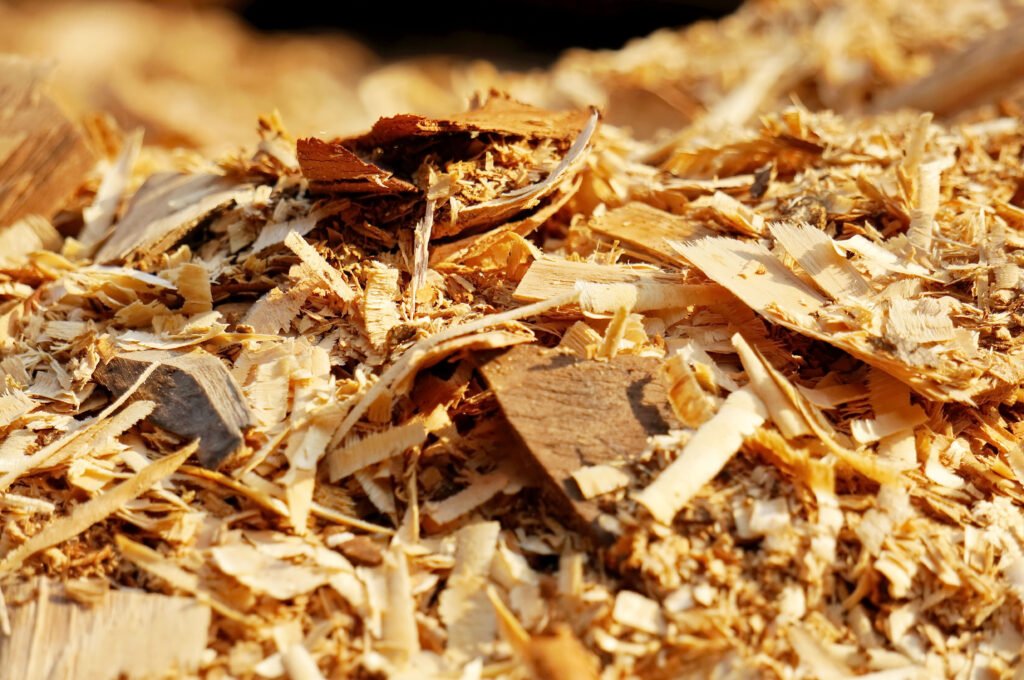
Sawmills, furniture factories, plywood manufacturers, and other wood-processing facilities produce large quantities of sawdust, wood shavings, bark, and offcuts. These materials are valuable sources of wood biomass because they are already concentrated at industrial locations.
Processing residues can be dried and converted into wood pellets or briquettes. Their consistent size and relatively low moisture content make them suitable for automated heating systems and biomass boilers.
3. Dedicated Energy Crops
Some fast-growing tree species can be cultivated specifically for biomass production. Species such as willow, poplar, and eucalyptus may be grown in suitable climates because they can produce substantial amounts of woody material over relatively short periods.
Dedicated energy plantations can provide a predictable biomass supply. However, careful land and water management is essential to avoid competition with food production, biodiversity, or natural forests.
4. Short-Rotation Coppice
Short-rotation coppice involves planting fast-growing woody species and harvesting them on relatively short cycles. After harvesting, the plants can regrow from their established root systems.
This method can provide repeated biomass production without completely replanting the crop after every harvest. The harvested material is generally chipped and transported to biomass facilities for further processing.
5. Production of Wood Pellets
Wood pellets are small, dense cylindrical fuel products manufactured from materials such as sawdust and wood shavings. The raw material is dried, ground, compressed, and formed into pellets under high pressure.
Pellets have several advantages, including uniform size, easy handling, and relatively high energy density. They can be transported efficiently and used in residential heating systems, commercial boilers, and large-scale power plants.
6. Production of Wood Briquettes
Wood briquettes are another compressed form of biomass fuel. Dry sawdust, wood chips, and other residues are compressed into blocks or logs.
Briquettes are generally easier to store and transport than loose biomass. They can be used in industrial furnaces, boilers, heating systems, and certain cooking applications.
Conversion Technologies for Wood Biomass
After production and preparation, biomass can be converted into useful energy through several technologies.
Direct Combustion
Direct combustion is one of the simplest methods. Prepared biomass is burned in a controlled system to generate heat. The heat can be used directly for industrial processes or to produce steam for electricity generation.
Modern biomass boilers can improve combustion efficiency and reduce unwanted emissions compared with traditional burning systems.
Gasification
Gasification converts biomass into a combustible gas called syngas by heating it at high temperatures with a controlled amount of oxygen or another gasifying agent. Syngas can be used for heat and electricity generation and, with additional processing, may serve as a feedstock for producing fuels and chemicals.
Pyrolysis
Pyrolysis involves heating biomass in the absence or near-absence of oxygen. It can produce biochar, bio-oil, and combustible gases.
Biochar may be used in soil-related applications, while bio-oil can potentially be upgraded into fuels or industrial feedstocks. The gases produced during pyrolysis can also provide process energy.
Applications of Wood Biomass
The versatility of wood biomass allows it to serve many purposes across residential, commercial, and industrial sectors.
Heating
One of the most established applications is heat production. Wood pellets, chips, logs, and briquettes can be used in boilers, furnaces, and heating systems. Biomass heating can provide an alternative to heating systems that depend on coal, oil, or natural gas.
Electricity Generation
Biomass power plants can burn wood-based fuels to produce steam, which drives turbines connected to generators. Biomass electricity can complement other renewable sources such as solar and wind, particularly when reliable fuel supplies are available.
Combined Heat and Power
Combined heat and power, or CHP, systems produce electricity and useful heat from the same biomass fuel. The heat can be supplied to factories, buildings, district heating networks, or industrial processes.
This approach can improve overall energy utilization and make biomass projects more economically attractive.
Industrial Applications
Industries such as food processing, paper manufacturing, textiles, and wood products can use biomass boilers to generate process heat. Wood residues produced within an industrial facility can sometimes be used directly, reducing waste management requirements and dependence on purchased fuels.
Biofuels and Bioproducts
Advanced conversion technologies can transform woody biomass into intermediate products that may be used to manufacture renewable fuels, chemicals, and other materials. As biorefinery technologies continue to develop, woody resources could become increasingly important beyond traditional energy production.
Environmental and Economic Benefits
Responsible use of wood biomass can provide several benefits. It can reduce dependence on fossil fuels, create markets for forestry and wood-processing residues, and support rural employment. Biomass projects can also encourage productive use of materials that might otherwise become waste.
However, sustainability is essential. Unsustainable harvesting can contribute to deforestation, habitat loss, soil degradation, and biodiversity problems. Transportation and processing also consume energy and can generate emissions.
For these reasons, biomass systems should prioritize sustainably sourced materials, efficient conversion technologies, responsible forest management, and appropriate emissions controls.
Future of Wood Biomass
The future of wood biomass will depend on improvements in technology, sustainability practices, and resource management. Modern pellet production, advanced gasification, pyrolysis, and biomass-based CHP systems are creating new opportunities for efficient utilization.
As countries seek to diversify their renewable energy portfolios, woody biomass can complement solar, wind, hydropower, and other clean energy technologies. Digital monitoring, improved supply chains, and better forest management can further increase the efficiency and sustainability of biomass production.
Conclusion
Wood biomass is a versatile renewable resource with applications ranging from household heating to industrial energy production and advanced biofuel development. Forestry residues, wood-processing waste, energy crops, pellets, and briquettes provide multiple pathways for producing usable biomass.
When sourced and managed responsibly, wood-based resources can contribute to renewable energy development, waste reduction, rural economic activity, and lower dependence on fossil fuels. With continued technological innovation and strong sustainability standards, wood biomass can remain an important part of a diversified and evolving clean energy system.