BrightNight Power Advancing Renewable Energy Solutions

The global energy sector is undergoing a major transformation as countries, businesses, and communities look for cleaner, more reliable, and sustainable sources of electricity. Renewable energy has become an important part of this transition, with solar, wind, energy storage, and other technologies helping reduce dependence on conventional fossil fuels. Within this evolving industry, brightnight power represents an approach focused on developing large-scale renewable energy solutions that can support a more resilient and sustainable electricity system.
Understanding BrightNight Power
BrightNight Power is associated with the development of utility-scale renewable energy projects designed to deliver clean electricity while addressing the changing needs of modern power systems. Its approach combines renewable generation with technologies and planning strategies intended to improve reliability and make clean energy more useful to power grids.
Unlike traditional power generation, renewable projects depend on natural resources such as sunlight and wind. This creates both opportunities and challenges. The ability to combine different renewable technologies, storage systems, transmission infrastructure, and advanced project planning can help create a more dependable energy supply.
The growing importance of brightnight power reflects the broader shift toward energy systems that balance sustainability, reliability, affordability, and long-term environmental goals.
The Importance of Renewable Energy Development
Electricity demand continues to evolve as industries adopt digital technologies, transportation becomes increasingly electrified, and communities seek cleaner energy sources. Renewable energy can help meet this demand without relying entirely on coal, oil, or natural gas.
Solar and wind power are among the most widely deployed renewable technologies because they can generate electricity without directly producing carbon emissions during operation. However, their variable nature means that renewable projects need to be carefully planned and integrated with the broader electricity network.
This is where companies and developers working in advanced renewable energy can play an important role. BrightNight Power focuses on the idea that renewable energy should not simply add generating capacity but should also contribute to a more dependable and flexible electricity system.
Combining Solar and Wind Resources
One of the important features of modern renewable energy development is the ability to combine different technologies. Solar power typically produces the most electricity during daylight hours, while wind generation can vary throughout the day and night depending on local weather conditions.
A project that combines solar and wind resources can potentially create a more balanced generation profile than relying on only one technology. This can help improve the utilization of transmission infrastructure and provide electricity across a wider range of operating conditions.
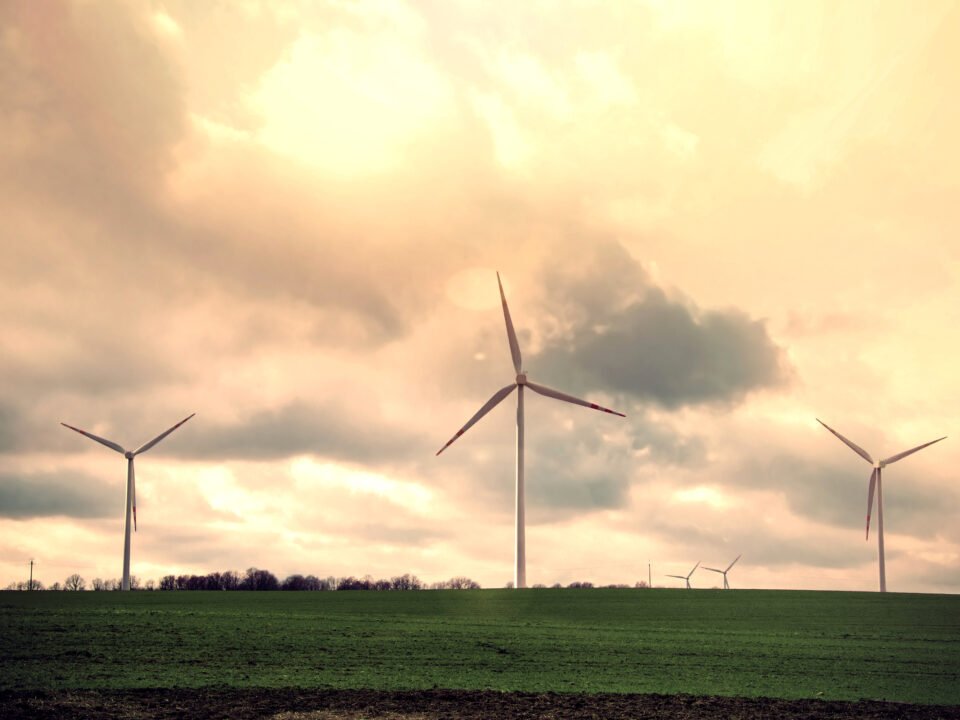
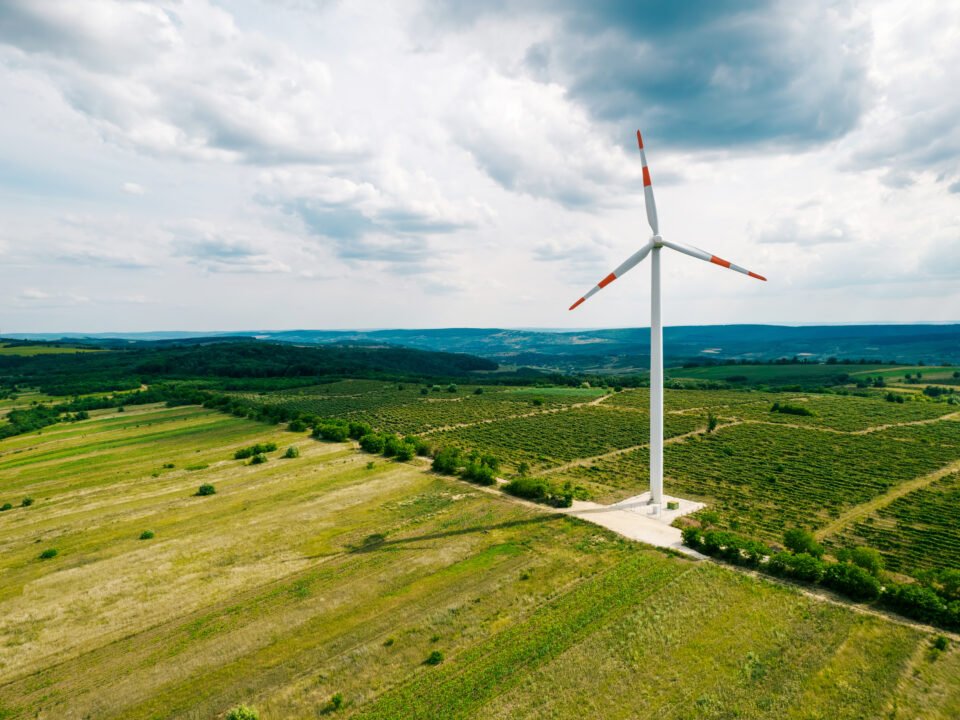
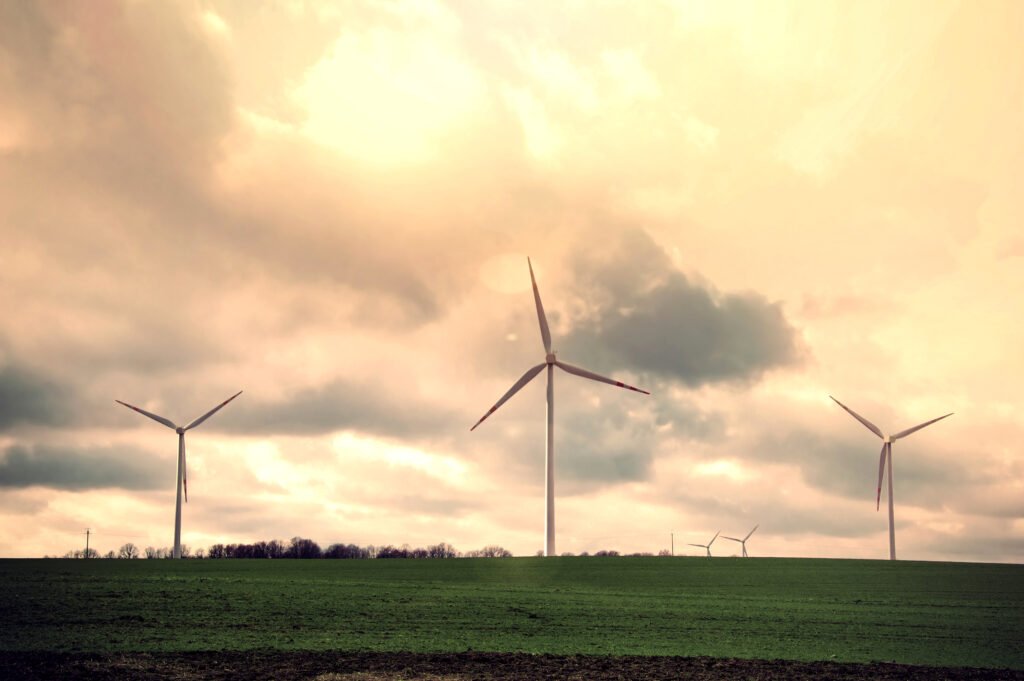
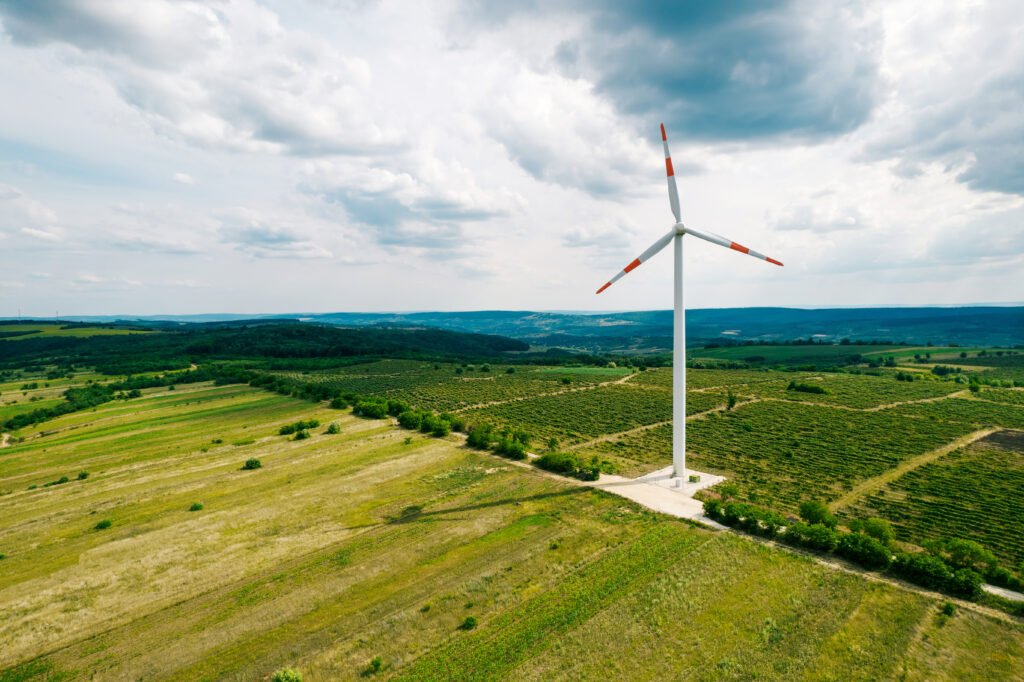
Wind turbines convert the kinetic energy of moving air into mechanical rotation, which is then converted into electrical energy by a generator. Solar photovoltaic systems work differently by converting sunlight directly into electricity. Together, these technologies form an important foundation for modern renewable energy portfolios.
The Role of Energy Storage
Energy storage is becoming increasingly important as renewable generation expands. Batteries can store electricity when renewable generation is high and release it when electricity demand rises or renewable output decreases.
For example, excess solar electricity generated during the afternoon can potentially be stored and used during the evening when solar production falls. Storage can therefore improve the flexibility of renewable projects and help match electricity supply with changing demand.
For developers such as brightnight power, integrating energy storage into renewable projects can provide additional opportunities to improve grid performance. Storage can also support energy management, reduce periods of renewable curtailment, and provide services that contribute to grid stability.
Supporting Grid Reliability
A successful renewable energy project must do more than generate electricity. It must also connect effectively to the power grid and operate within the technical requirements of that system.
Grid infrastructure is therefore a critical part of renewable energy development. Transmission lines, substations, interconnection facilities, forecasting systems, and energy management technologies all influence how effectively renewable electricity reaches consumers.
BrightNight Power emphasizes an integrated approach in which renewable generation and supporting infrastructure are considered together. This approach can help address some of the challenges associated with increasing amounts of variable renewable electricity on power networks.
Economic Benefits of Renewable Projects
Renewable energy development can provide economic benefits in addition to environmental advantages. Large-scale projects can create employment during development, construction, operation, and maintenance. They can also generate economic activity for local suppliers and service providers.
Renewable projects may provide additional revenue opportunities for landowners and communities, depending on project structures and local agreements. Over time, increased renewable generation can also contribute to energy diversification and reduce exposure to fluctuations in fossil-fuel markets.
The development model represented by brightnight power highlights how clean energy investments can support both environmental objectives and broader economic development.
Advancing Sustainable Energy Goals
Climate change and environmental concerns have accelerated the global transition toward lower-carbon energy systems. Governments and organizations are establishing renewable energy targets, improving electricity infrastructure, and encouraging investment in clean technologies.
Utility-scale renewable energy can make a significant contribution to these goals because large projects can supply substantial amounts of electricity to the grid. When developed responsibly, they can also help reduce the environmental impact associated with conventional electricity generation.
BrightNight Power fits into this wider movement by focusing on renewable energy projects that can contribute to long-term decarbonization while considering reliability and system requirements.
Technology and Innovation
Technology is transforming almost every stage of renewable energy development. Advanced forecasting can help developers predict solar and wind generation more accurately. Digital monitoring systems can improve equipment performance and maintenance. Data analytics can help identify operational issues before they become significant problems.
Battery technology is also advancing rapidly, offering new possibilities for managing variable renewable generation. Improvements in power electronics, grid controls, and energy-management software are further supporting the integration of clean electricity.
For renewable developers, combining these technologies with strong project planning can create more efficient and flexible energy assets. This technological approach is an important part of the future represented by brightnight power.
Challenges Facing Renewable Energy
Despite its advantages, renewable energy development faces several challenges. Project developers must navigate land requirements, permitting processes, environmental considerations, grid interconnection constraints, supply-chain issues, and changing market conditions.
Transmission availability can be particularly important because the best renewable resources are not always located near major electricity demand centers. Building new transmission infrastructure can require substantial investment and long development timelines.
Renewable projects must therefore be designed with a long-term perspective. Careful site selection, engineering, environmental planning, community engagement, and grid coordination are essential for successful development.
The Future of BrightNight Power
The future of renewable energy will likely involve a combination of generation technologies rather than dependence on a single source. Solar, wind, battery storage, advanced grid infrastructure, and other emerging technologies can work together to create a more flexible electricity system.
As electricity demand grows and organizations continue pursuing cleaner energy, developers will have an important role in delivering projects that are both environmentally responsible and technically reliable.
BrightNight Power illustrates the direction of this transition: renewable energy development is increasingly moving beyond simply building individual solar or wind facilities toward creating integrated energy solutions capable of supporting the needs of modern power grids.
Conclusion
The renewable energy transition is reshaping the way electricity is produced, delivered, and consumed. Solar and wind power are expanding rapidly, while battery storage, digital technologies, and improved grid infrastructure are making renewable electricity increasingly flexible and useful.
BrightNight Power represents this broader evolution toward integrated renewable energy solutions. By focusing on large-scale clean energy development, technological innovation, grid reliability, and sustainable growth, the approach can contribute to a cleaner and more resilient energy future.
As countries and businesses continue to increase their commitment to renewable electricity, innovative developers will remain essential to turning clean energy ambitions into practical infrastructure. The continued development of renewable projects can help diversify energy systems, support economic opportunities, and move the world closer to a more sustainable electricity future.