Benefits of Domestic Renewable Energy for Homeowners
As energy costs continue to rise and environmental concerns become more important, homeowners are increasingly looking for cleaner and more affordable ways to power their homes. Domestic renewable energy offers an effective solution by allowing households to generate electricity and heat from naturally replenished resources such as sunlight, wind, water, and biomass. These technologies can reduce dependence on conventional energy sources while helping homeowners manage long-term energy expenses.
From rooftop solar panels to small wind turbines and renewable heating systems, there are several ways households can adopt clean energy. Beyond reducing electricity bills, renewable energy can improve energy independence, increase property value, and contribute to a more sustainable future. Understanding these benefits can help homeowners decide which renewable solution best suits their property and energy requirements.
What Is Domestic Renewable Energy?
Domestic renewable energy refers to the use of renewable resources to meet the energy requirements of a home. Unlike fossil fuels, renewable resources are naturally replenished and can be used repeatedly without being permanently depleted. Common domestic applications include solar photovoltaic systems, solar water heaters, small wind turbines, heat pumps, and biomass heating systems.
Solar energy is one of the most accessible options for homeowners because many properties have suitable rooftop or open-space areas. Solar panels convert sunlight into electricity that can be used for household appliances, lighting, heating, and other electrical needs. Excess electricity may also be stored in batteries or, where regulations and utility arrangements permit, exported to the electricity grid.
1. Lower Household Energy Bills
One of the biggest advantages of domestic renewable energy is the potential to reduce monthly energy expenses. When homeowners generate their own electricity, they can purchase less electricity from the grid.
For example, a properly designed rooftop solar system can generate significant electricity during daylight hours. The amount of savings depends on system size, local sunlight conditions, household consumption, electricity tariffs, and available incentives. Over time, reduced grid consumption can help offset the initial investment in renewable energy equipment.
Energy-efficient appliances combined with renewable generation can further improve household savings.
2. Greater Energy Independence
Traditional homes generally depend heavily on electricity supplied by centralized power networks. Grid electricity can be affected by changing fuel prices, infrastructure problems, or unexpected interruptions.
Domestic renewable energy gives homeowners greater control over where their energy comes from. Solar panels combined with battery storage, for example, can provide electricity even when grid power is unavailable, depending on the system design and backup configuration.
Greater energy independence can be particularly valuable in locations where power interruptions are frequent or where extending grid infrastructure is difficult.
3. Reduced Environmental Impact
Another important benefit is the potential reduction in household carbon emissions. Conventional electricity generation often depends on coal, natural gas, or other fossil fuels that produce greenhouse gas emissions.
Renewable technologies generate energy using resources such as sunlight and wind, without requiring continuous combustion of fossil fuels during operation. By replacing part of their conventional energy consumption with renewable generation, homeowners can reduce the environmental impact associated with household electricity use.
Wider adoption across communities can also contribute to cleaner energy systems and support national and global sustainability objectives.
4. Long-Term Energy Cost Protection
Energy prices can change over time because of fuel costs, market conditions, regulations, and other factors. Producing a portion of household electricity from renewable sources can reduce exposure to some of these fluctuations.
Although renewable systems require an upfront investment, the cost of generating electricity from an installed system can become more predictable over its useful life. Solar panels, for example, can continue producing electricity for many years when properly installed and maintained.
This long-term perspective makes renewable energy an attractive consideration for homeowners planning to remain in their properties for an extended period.
5. Potential Increase in Property Value
Energy-efficient and renewable features can make residential properties more attractive to environmentally conscious buyers. A home equipped with solar panels, efficient heating technology, battery storage, or other clean-energy systems may offer future occupants lower operating costs.
The effect on property value varies depending on location, market conditions, system quality, ownership arrangements, and buyer preferences. Nevertheless, energy improvements can strengthen the overall appeal of a property by combining sustainability with practical financial benefits.
6. Support for a Sustainable Future
Homeowners play an important role in the transition toward cleaner energy. While individual systems may appear small compared with large power plants, widespread household adoption can have a meaningful cumulative effect.
As more homes generate electricity locally, communities can increase the amount of renewable energy in their overall energy mix. Distributed generation can also complement larger renewable projects and encourage greater awareness of energy consumption.
Choosing domestic renewable energy is therefore not only a household decision but also a contribution to broader sustainability efforts.
7. Diverse Renewable Options for Different Homes
Not every home has the same energy requirements or physical characteristics. Fortunately, domestic renewable energy includes several technologies.
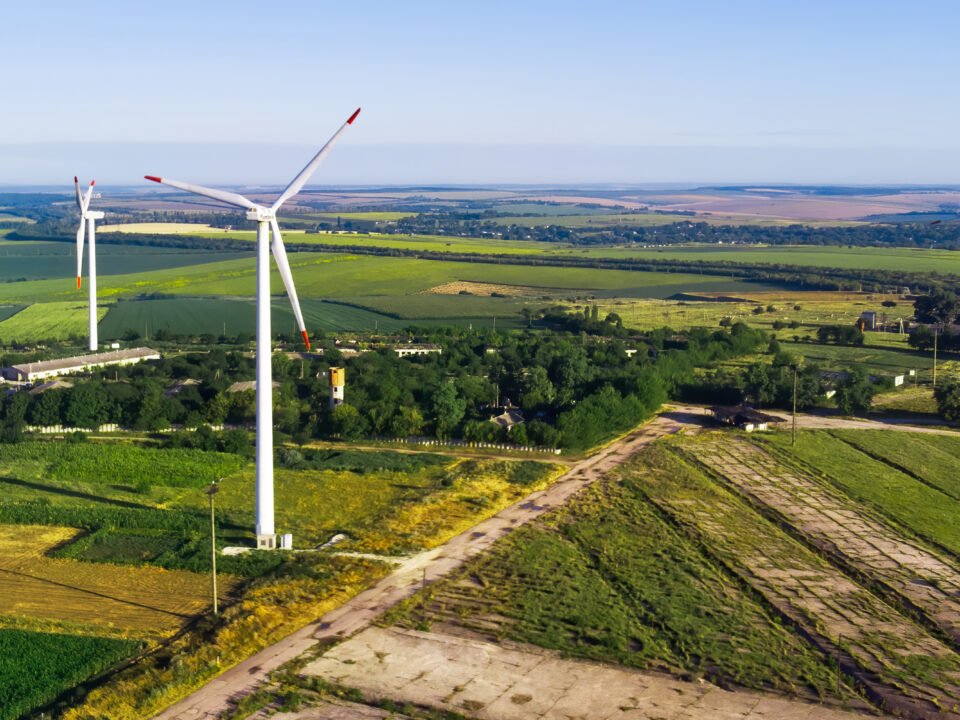
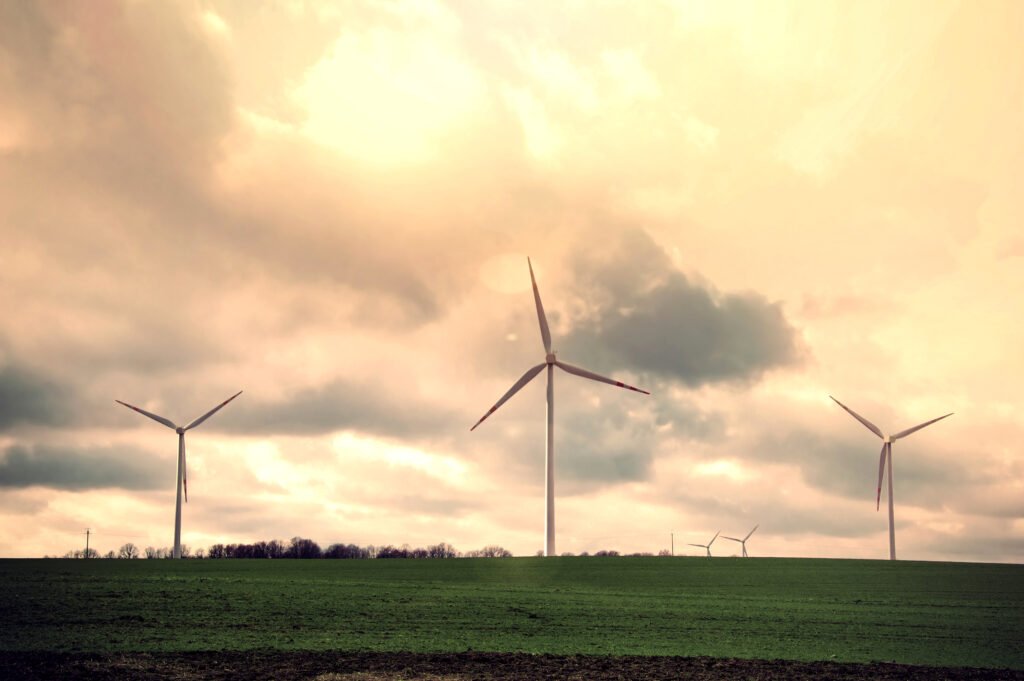
Solar photovoltaic panels are suitable for many homes with adequate roof space and sunlight. Solar water heating can help reduce the energy needed to produce hot water. Small wind systems may be appropriate for properties with suitable wind resources and sufficient space. Heat pumps can provide efficient heating and cooling by transferring heat rather than generating it directly through fuel combustion.
Homeowners can also combine technologies. A solar-plus-storage system, for example, can help increase the amount of generated electricity that is consumed within the home.
8. Government Incentives and Financing Opportunities
In many regions, governments and utilities support renewable energy adoption through incentives, rebates, tax benefits, financing programs, or other mechanisms. The availability and eligibility requirements vary by location and can change over time.
Homeowners should research current local programs before purchasing equipment. Comparing installation costs, expected energy generation, maintenance requirements, warranties, financing terms, and potential incentives can provide a clearer picture of the overall investment.
Professional installers can also help homeowners understand system sizing and local requirements.
9. Improved Awareness of Energy Consumption
Installing renewable technology can encourage homeowners to pay closer attention to how and when they use electricity. Monitoring systems can show energy generation and consumption, helping households identify inefficient appliances or unnecessary energy use.
This awareness can encourage practical habits such as using high-energy appliances during periods of strong solar generation, improving insulation, switching to LED lighting, and choosing energy-efficient appliances.
Renewable generation therefore works best when combined with broader household energy-efficiency measures.
Things Homeowners Should Consider
Although renewable energy offers many advantages, homeowners should carefully evaluate their property before investing. Roof orientation, available space, shading, local weather conditions, electricity consumption, system size, installation costs, and maintenance requirements can all affect performance.
It is also important to choose qualified installers and reliable equipment. Homeowners should compare warranties and expected system life while checking local regulations, permits, grid-connection requirements, and available financial incentives.
A professional assessment can help determine whether a particular renewable technology is technically and financially suitable.
The Future of Home Energy
The role of domestic renewable energy is expected to become increasingly important as households seek cleaner, smarter, and more resilient energy solutions. Advances in solar technology, battery storage, smart energy management, heat pumps, and home energy monitoring are making renewable systems increasingly practical for residential applications.
Future homes may combine renewable generation, energy storage, efficient appliances, electric vehicles, and intelligent controls into integrated energy systems. Such homes can potentially produce more of their own energy while using electricity more efficiently.
Conclusion
Domestic renewable energy provides homeowners with an opportunity to reduce energy costs, improve energy independence, lower environmental impact, and support the transition toward sustainable energy. Technologies such as rooftop solar, battery storage, solar water heating, small wind systems, and renewable heating can be adapted to different residential needs.
The best solution depends on the home’s location, energy consumption, available space, budget, and local regulations. By combining renewable generation with energy efficiency and smart consumption, homeowners can create more sustainable and potentially more cost-effective homes.
As technology continues to advance and renewable energy becomes increasingly accessible, adopting clean energy at the household level can benefit both individual homeowners and the wider environment.