Geothermal Sources and Their Role in Clean Energy
As the world looks for cleaner and more reliable ways to meet growing energy demand, geothermal energy is becoming an increasingly important part of the renewable energy landscape. Unlike solar and wind power, which depend heavily on weather conditions, geothermal energy can provide a consistent supply of heat and electricity. At the center of this technology are geothermal sources, natural reservoirs of heat located beneath the Earth’s surface.
Geothermal sources have existed for millions of years because heat continuously moves from the Earth’s interior toward the surface. This natural heat can be captured and converted into useful energy for electricity generation, heating, cooling, and industrial applications. With appropriate technologies and responsible development, geothermal resources can contribute to a more diverse and sustainable energy system.
What Are Geothermal Sources?
Geothermal sources are underground areas where naturally occurring heat from the Earth’s interior can be accessed and used. The word “geothermal” comes from the Greek words for Earth and heat. These sources may include hot water reservoirs, steam fields, heated rocks, and naturally warm groundwater.
The Earth’s interior contains enormous amounts of thermal energy. Some of this heat comes from the planet’s original formation, while another portion is continuously produced through the radioactive decay of minerals deep underground. In certain geological areas, this heat is concentrated close enough to the surface to be economically useful.
Common examples include hot springs, geysers, fumaroles, and underground geothermal reservoirs. However, many geothermal sources cannot be seen at the surface and require geological surveys and drilling to identify them.
How Do Geothermal Sources Work?
The basic principle behind geothermal energy is relatively simple. Heat beneath the Earth’s surface warms underground water or other fluids. Wells can be drilled into suitable reservoirs to bring hot water or steam to the surface.
In geothermal power plants, the extracted heat is used to drive turbines connected to generators. Depending on the characteristics of the resource, different types of geothermal power plants can be used.
Dry steam plants use naturally occurring steam directly to turn a turbine. Flash steam plants bring high-pressure hot water to the surface, where the pressure reduction causes some of the water to turn into steam. Binary cycle plants use geothermal heat to warm a secondary fluid with a lower boiling point, which then drives a turbine.
After the heat is extracted, geothermal fluids can often be reinjected into the underground reservoir. This approach can help maintain reservoir pressure and support long-term resource management.
Major Types of Geothermal Sources
There are several forms of geothermal resources, and their characteristics determine how they can be utilized.
Hydrothermal resources contain naturally occurring hot water or steam underground. These are among the most commonly developed resources for conventional geothermal power generation.
Hot dry rock resources contain significant underground heat but have limited natural fluid circulation. Technologies can potentially create or enhance underground pathways so that water can absorb heat and return to the surface.
Geopressured resources contain hot water trapped under high pressure. In some locations, these reservoirs may also contain dissolved natural gas.
Magma resources represent extremely high-temperature heat located near molten or partially molten rock. Although they contain enormous energy potential, accessing them economically and safely remains technologically challenging.
These different geothermal sources demonstrate that Earth’s underground heat can be utilized in multiple ways depending on local geological conditions.
Role in Clean Energy
One of the most important advantages of geothermal sources is their ability to support low-carbon energy generation. Geothermal power plants generally produce electricity with relatively low greenhouse gas emissions compared with fossil-fuel-based power generation.
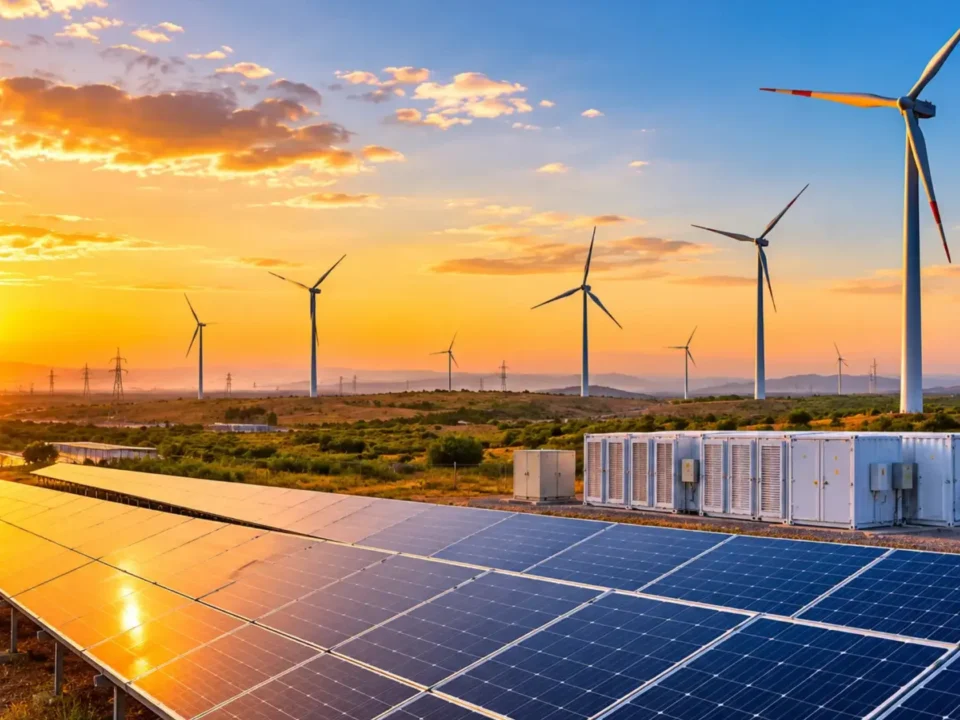
Geothermal power can also operate continuously. Solar generation decreases at night, while wind output varies with weather conditions. Properly developed geothermal facilities can provide steady generation, making them useful for supporting electricity grids.
This reliability can become particularly valuable as countries add larger amounts of variable renewable energy. Geothermal generation can complement solar and wind power and contribute to a more balanced electricity mix.
Geothermal Sources for Heating and Cooling
Geothermal energy is not limited to electricity generation. One of its most useful applications is direct heating.
Hot geothermal water can be used for district heating, greenhouse cultivation, aquaculture, industrial processes, and other thermal applications. In areas with suitable resources, direct geothermal heating can reduce the need for fossil fuels.
Ground-source heat pumps offer another application. They use the relatively stable temperature underground to provide heating in winter and cooling in summer. These systems can be installed in homes, commercial buildings, and other facilities.
Because heating and cooling account for a significant portion of energy consumption, using geothermal technology for thermal needs can contribute to energy efficiency and emissions reduction.
Benefits of Geothermal Sources
Geothermal sources offer several potential benefits.
First, geothermal energy is renewable when reservoirs are properly managed. Natural heat continues to move through the Earth’s interior, while geothermal fluids can be reinjected into suitable reservoirs.
Second, geothermal power can provide relatively stable energy output. This makes it different from many renewable technologies that experience significant short-term fluctuations.
Third, geothermal facilities can have a relatively small land footprint compared with some other large-scale energy developments, although land requirements vary by project and infrastructure.
Geothermal energy can also support local economic development. Exploration, drilling, plant construction, equipment manufacturing, operation, and maintenance can create employment opportunities and encourage investment in regions with suitable resources.
Challenges in Developing Geothermal Energy
Despite its advantages, geothermal development also presents challenges. The biggest limitation is geographical availability. High-quality geothermal resources are not evenly distributed around the world.
Exploration can also be expensive because developers need detailed geological information before drilling. Drilling deep wells can represent a major portion of project costs, and unsuccessful exploration wells can create financial risks.
Geothermal projects must also be carefully managed to prevent excessive pressure decline or resource depletion. Depending on the geology and chemistry of the underground fluids, developers may need to address issues such as mineral scaling, corrosion, and the management of geothermal fluids.
Some geothermal projects can also release small quantities of naturally occurring gases and minerals from underground reservoirs. Proper monitoring, engineering controls, and environmental management are therefore important.
Future Potential of Geothermal Sources
Advances in drilling, reservoir engineering, geological modeling, and geothermal technology could expand the use of geothermal energy. Enhanced geothermal systems, for example, are being explored as a way to access heat in areas where conventional reservoirs are not naturally suitable.
Improved exploration technologies may also help developers identify underground resources more accurately and reduce the risks associated with drilling. Better drilling techniques could potentially allow access to deeper and hotter resources.
As countries seek dependable low-carbon energy, geothermal sources may become increasingly valuable as part of diversified renewable energy systems. Their ability to provide both electricity and direct heat gives them applications across residential, commercial, agricultural, and industrial sectors.
Conclusion
Geothermal sources represent one of the Earth’s most promising forms of naturally available energy. By accessing heat beneath the Earth’s surface, geothermal technologies can produce electricity, provide heating and cooling, and support various industrial activities.
Although geothermal development faces challenges such as high exploration costs, geological uncertainty, and geographic limitations, technological progress is creating new opportunities. Conventional hydrothermal resources remain important, while emerging technologies could expand access to deeper and less conventional geothermal heat.
As the global energy system continues to move toward lower-carbon technologies, geothermal energy can complement solar, wind, hydro, and other renewable resources. With responsible planning, effective resource management, and continued innovation, geothermal sources can play a valuable role in building a cleaner, more reliable, and more sustainable energy future.