Fossil Fuels Non Renewable Energy and the Need for Clean Alternatives
Energy plays a central role in modern life. Homes, businesses, transportation systems, industries, and communication networks all depend on reliable energy supplies. For more than a century, fossil fuels have been among the primary sources of this energy. Coal, oil, and natural gas have powered economic growth and industrial development across the world. However, the fact that fossil fuels non renewable resources are available in finite quantities has created growing concerns about their long-term use. Their environmental impacts have also increased the need to develop cleaner and more sustainable energy alternatives.
What Are Fossil Fuels?
Fossil fuels are energy resources formed from the remains of plants and animals that lived millions of years ago. Over long periods, heat and pressure transformed this organic material into coal, crude oil, and natural gas. Because their formation takes millions of years, they cannot be replenished within a human lifetime.
Coal is widely used for electricity generation and industrial applications. Oil is an important fuel for cars, trucks, airplanes, ships, and many industrial processes. Natural gas is used for electricity generation, heating, cooking, and manufacturing.
These fuels contain stored chemical energy that is released when they are burned. Although fossil fuels have supported economic development, their limited availability means they are classified as non-renewable resources.
Why Are Fossil Fuels Non Renewable?
The term fossil fuels non renewable refers to the fact that these resources cannot be naturally replaced at the same rate at which humans consume them. The geological processes required to create fossil fuels take millions of years, while modern society can extract and use them within decades or centuries.
This difference between formation and consumption makes fossil fuels fundamentally different from renewable resources. Solar energy, wind energy, hydropower, and other renewable sources can naturally replenish themselves over relatively short periods.
As global energy demand continues to grow, dependence on finite fossil fuel reserves can create challenges. Resource availability, extraction costs, geopolitical conditions, and fluctuations in fuel prices can all affect energy security.
Environmental Impact of Fossil Fuels
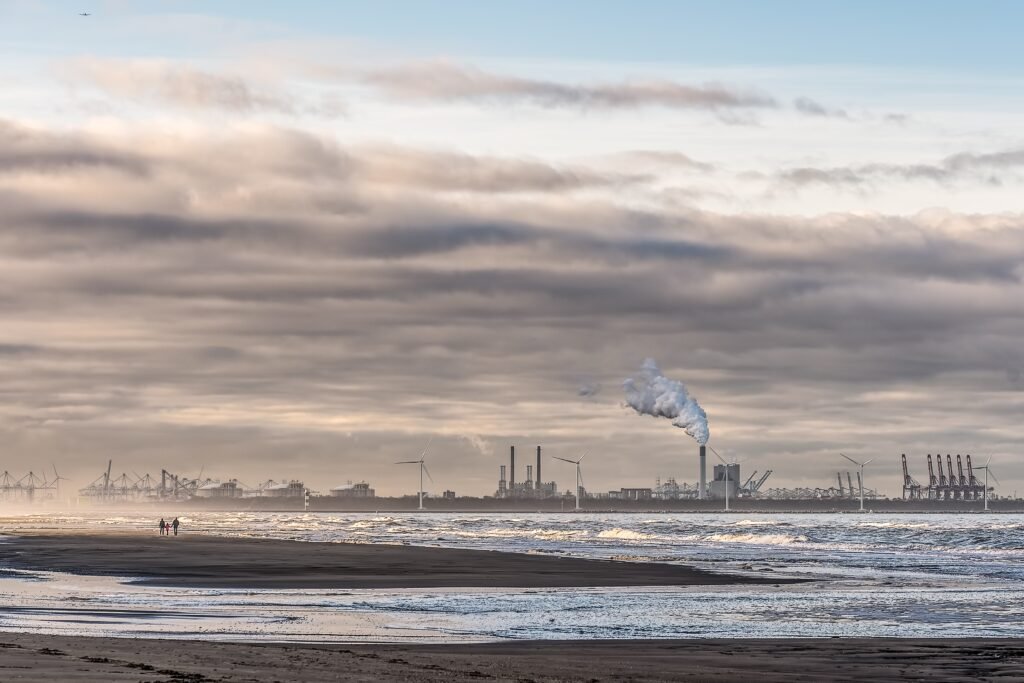
One of the biggest concerns surrounding fossil fuels is their environmental impact. Burning coal, oil, and natural gas releases carbon dioxide and other greenhouse gases into the atmosphere. These emissions contribute to global climate change.
Coal combustion can also produce pollutants such as sulfur dioxide, nitrogen oxides, and particulate matter. These pollutants can contribute to air pollution and create environmental and public health concerns.
Oil and gas production can have additional impacts. Extraction activities may disturb ecosystems, while accidental oil spills can damage marine and terrestrial environments. Natural gas production and transportation can also result in methane emissions if methane escapes into the atmosphere.
The environmental consequences demonstrate why reducing excessive dependence on fossil fuels is increasingly important.
Fossil Fuels and Energy Security
Fossil fuels have traditionally provided dependable energy for many countries. However, heavy dependence on imported fuels can expose economies to international price changes and supply disruptions.
Oil and natural gas markets are influenced by global demand, production levels, transportation infrastructure, and geopolitical events. Sudden changes in these factors can increase energy costs.
Developing domestic renewable energy resources can help countries diversify their energy systems. Solar panels, wind farms, hydropower facilities, and other renewable technologies can provide electricity using resources that are naturally replenished.
A diversified energy system can therefore improve resilience while reducing excessive reliance on finite fuel supplies.
The Need for Clean Energy Alternatives
The limitations associated with fossil fuels non renewable resources highlight the importance of clean energy alternatives. Renewable energy technologies can generate power with significantly lower operational greenhouse gas emissions than conventional fossil fuel generation.
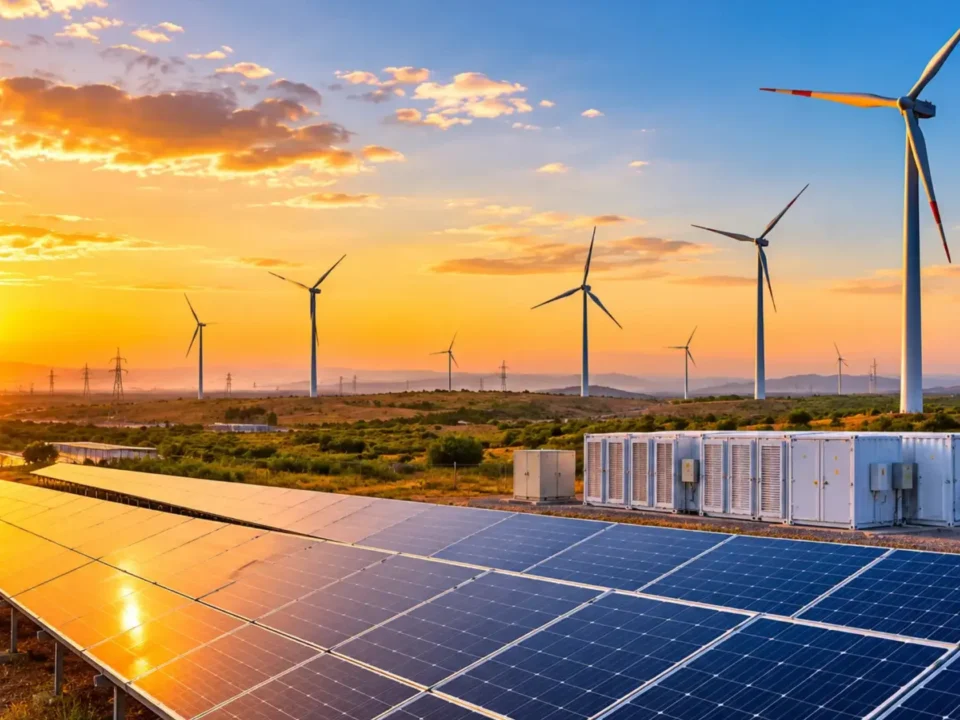
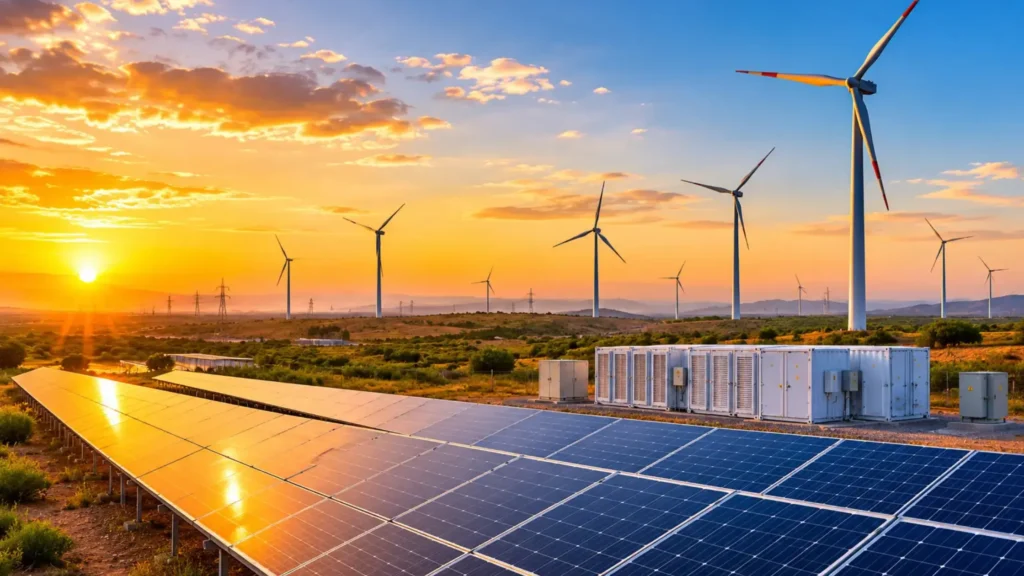
Solar energy is one of the most accessible renewable resources. Solar photovoltaic systems convert sunlight into electricity and can be installed on rooftops, commercial buildings, and large utility-scale projects.
Wind energy is another important alternative. Wind turbines convert the movement of air into electricity without burning fuel during operation. Large wind farms can generate substantial amounts of electricity for homes, businesses, and industries.
Hydropower uses flowing or falling water to generate electricity. In suitable locations, it can provide reliable renewable power and support grid stability.
Other technologies, including geothermal energy, biomass energy, and emerging green hydrogen systems, can also contribute to a cleaner energy mix.
Benefits of Moving Toward Renewable Energy
Transitioning away from excessive fossil fuel consumption can provide several benefits. Renewable resources are naturally replenished, making them suitable for long-term energy planning.
Clean energy can also help reduce greenhouse gas emissions when it replaces fossil-fuel-based electricity generation. Greater use of renewable electricity can support climate goals while improving energy diversification.
Renewable energy can create new economic opportunities as well. The development, installation, operation, and maintenance of solar and wind projects require skilled workers. Growth in clean energy can therefore support employment across engineering, manufacturing, construction, technology, and other sectors.
Distributed renewable systems can also improve energy access in remote areas. Solar home systems, mini-grids, and other decentralized technologies can provide electricity where traditional grid infrastructure may be difficult or expensive to develop.
The Role of Energy Efficiency
Replacing fossil fuels with renewable energy is important, but reducing unnecessary energy consumption is equally valuable. Energy efficiency allows homes, businesses, and industries to achieve the same outcomes while using less energy.
Efficient appliances, LED lighting, improved building insulation, smart energy management systems, and modern industrial equipment can reduce electricity demand.
Electric vehicles can also help reduce petroleum consumption when they are powered by increasingly renewable electricity. Similarly, electrification of heating and industrial processes can reduce direct dependence on fossil fuels when clean electricity is available.
Combining energy efficiency with renewable energy can make the transition more effective and affordable.
Challenges in the Clean Energy Transition
The transition away from fossil fuels is not without challenges. Renewable energy sources such as solar and wind can vary according to weather conditions and time of day. This creates a need for energy storage, flexible power systems, improved transmission networks, and effective grid management.
Battery storage is becoming increasingly important because it can store electricity when renewable generation is high and release it when demand increases.
Investment is another major requirement. Governments, businesses, and financial institutions need to support renewable energy infrastructure, research, workforce development, and grid modernization.
A successful transition also needs to consider workers and communities that currently depend on fossil fuel industries. Training and new employment opportunities can help support a fair transition.
The Future of Energy
The future energy system is likely to include a combination of renewable energy, energy storage, efficient technologies, modern transmission networks, and cleaner fuels. Fossil fuels may continue to play a role in some sectors during the transition, but reducing long-term dependence on finite resources is increasingly important.
Governments can encourage this transformation through supportive policies, renewable energy investments, emissions reduction programs, and research into emerging technologies. Businesses can contribute by adopting energy-efficient equipment and investing in clean power.
Individuals can also participate by improving household energy efficiency, choosing renewable electricity where available, using public transportation or electric vehicles, and considering rooftop solar systems.
Conclusion
The concept of fossil fuels non renewable resources is important for understanding the long-term challenges of the global energy system. Coal, oil, and natural gas have played a major role in modern development, but they are finite resources that take millions of years to form. Their extraction and combustion can also create significant environmental challenges.
Clean alternatives such as solar, wind, hydropower, geothermal energy, and green hydrogen offer opportunities to create a more sustainable energy future. Combined with energy efficiency, storage technologies, modern grids, and responsible energy policies, these solutions can reduce dependence on non-renewable resources.
Moving toward cleaner energy is not simply about replacing one fuel with another. It is about creating an energy system that is more sustainable, resilient, efficient, and capable of meeting the needs of future generations.