Non Renewable Energy Resources and Their Impact on a Sustainable Future
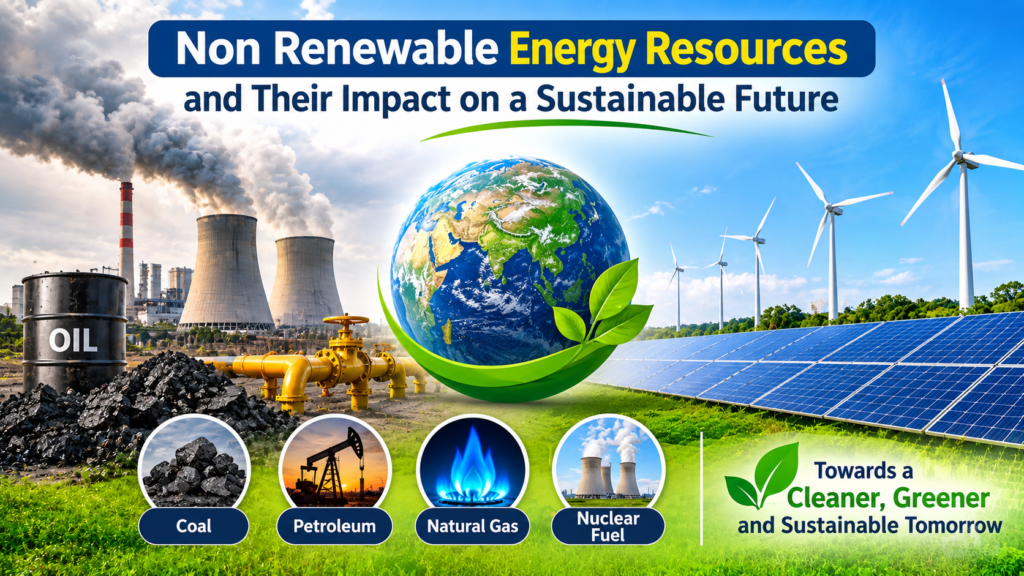
Non renewable energy resources have played an important role in powering the modern world. From electricity generation and transportation to manufacturing and industrial development, these energy sources have supported economic growth and technological progress for generations. Coal, petroleum, natural gas, and nuclear fuels are widely used to meet the growing energy requirements of countries around the world. However, increasing energy consumption, environmental pollution, and the limited availability of natural reserves have raised serious concerns about long-term energy sustainability.
Understanding non renewable energy resources is essential for recognising the challenges associated with conventional energy production and the importance of alternative energy solutions. Unlike renewable energy sources, which are naturally replenished, non renewable energy resources are available in limited quantities or take extremely long periods to form. Once consumed, they cannot be replaced within a practical human timescale.
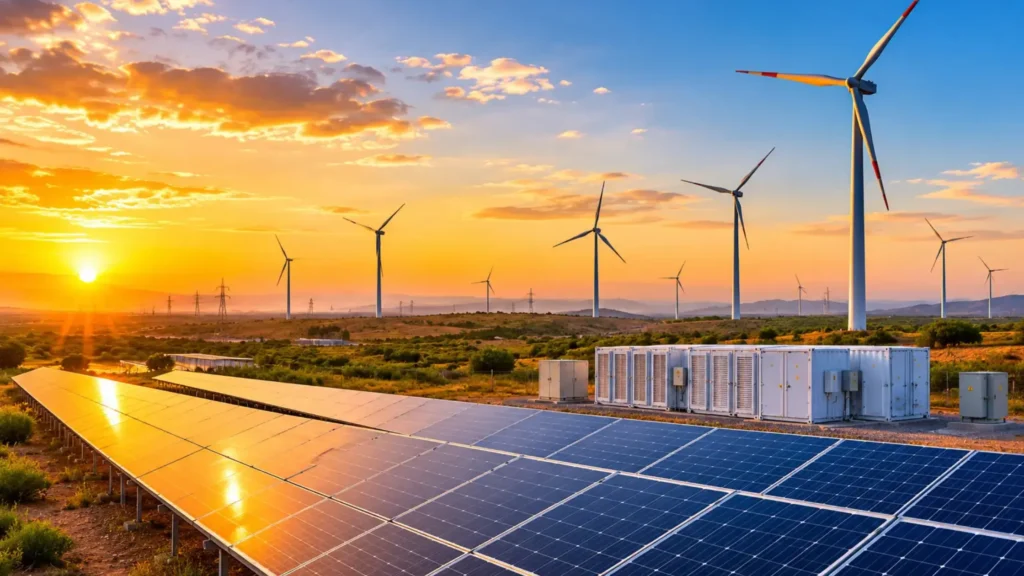
Today, the global energy industry is gradually moving towards cleaner electricity generation through solar power plants, wind farms, hydropower, and other renewable technologies. India is also expanding its renewable energy infrastructure to reduce dependence on conventional fuels and support its long-term sustainability objectives.
For companies such as Alfa Infraprop Pvt. Ltd., which focuses on utility-scale solar PV power plants and wind energy projects, understanding the limitations of non renewable energy resources highlights the importance of developing reliable and sustainable energy infrastructure.
This article explores the meaning, types, advantages, disadvantages, environmental impacts, and future of non renewable energy resources while explaining how renewable energy can contribute to a cleaner energy system.
What Are Non Renewable Energy Resources?
Non renewable energy resources are natural sources of energy that exist in limited quantities and cannot be replenished quickly after consumption. Most of these resources develop through geological processes that take thousands or millions of years. Because their formation takes significantly longer than the rate at which humans consume them, they are considered finite energy sources.
Common examples of non renewable energy resources include coal, crude oil, petroleum products, natural gas, and uranium. These resources are extracted from underground deposits, processed into usable fuels, and consumed to generate electricity, produce heat, or power vehicles and industrial machinery.
For example, coal is burned in thermal power plants to produce steam, which rotates turbines connected to electricity generators. Petroleum is refined into products such as petrol, diesel, and aviation fuel. Natural gas is used for electricity generation, industrial heating, cooking, and chemical production. Nuclear power plants use uranium fuel to generate heat through nuclear fission.
According to the U.S. Energy Information Administration, nonrenewable energy sources include petroleum, natural gas, coal, and nuclear energy. Their availability depends on economically recoverable reserves and extraction technologies.
Although non renewable energy resources remain important for global energy security, their environmental consequences and finite nature make energy diversification increasingly necessary.
Major Types of Non Renewable Energy Resources
There are several types of non renewable energy resources used across residential, commercial, transportation, and industrial sectors. Each resource has different properties, applications, extraction methods, and environmental impacts.
Understanding these categories helps explain why conventional energy systems developed and why countries are increasingly investing in renewable alternatives.
1. Coal
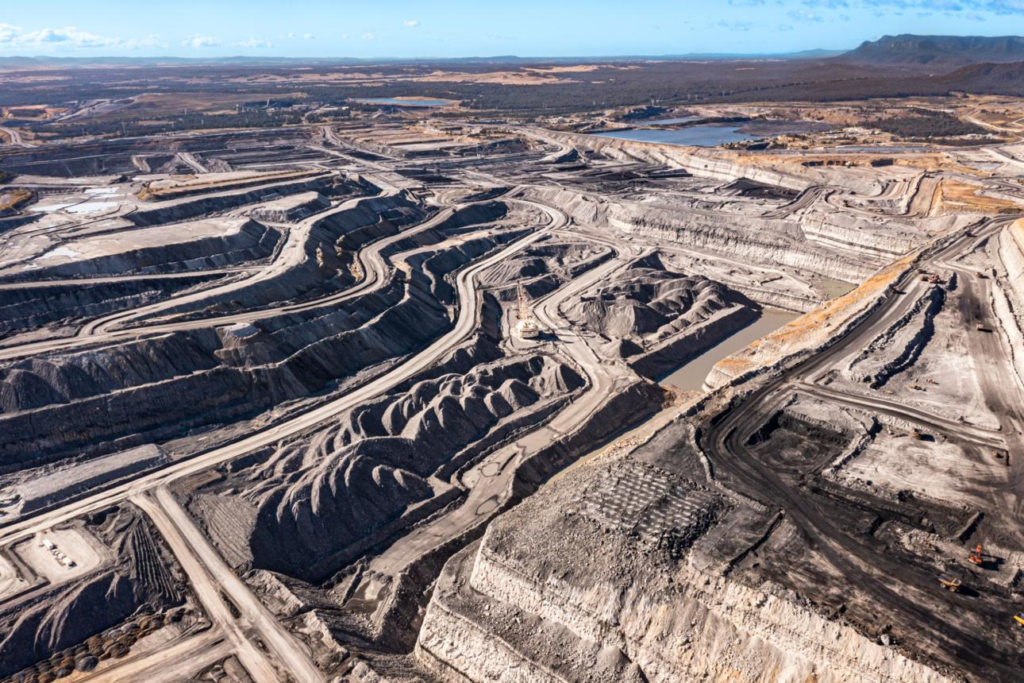
Coal is one of the oldest and most widely used non renewable energy resources. It is a combustible sedimentary rock formed from ancient plant material that was buried under layers of soil and rock and transformed by heat and pressure over millions of years.
Coal is mainly used for electricity generation, steel production, cement manufacturing, and industrial heating. Thermal power stations burn coal to produce heat, which converts water into high-pressure steam. The steam drives turbines that generate electricity.
There are different grades of coal, including:
- Anthracite: A high-carbon coal with relatively high energy content.
- Bituminous coal: Commonly used in electricity generation and steel manufacturing.
- Sub-bituminous coal: Frequently used in thermal power plants.
- Lignite: A lower-grade coal with relatively high moisture content.
Coal has historically supported industrial development because it is widely available in several countries and can be stored for continuous electricity generation.
However, coal combustion releases carbon dioxide, sulphur dioxide, nitrogen oxides, particulate matter, and other pollutants. Mining can also disturb landscapes, affect groundwater, and damage surrounding ecosystems.
These environmental challenges have encouraged countries to explore cleaner electricity generation technologies, particularly solar and wind power.
2. Petroleum and Crude Oil
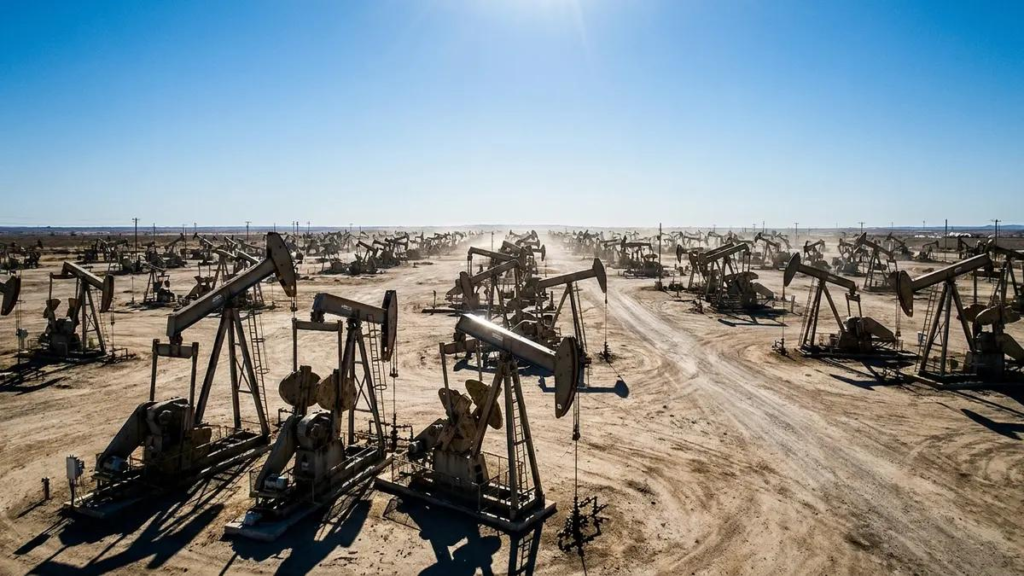
Petroleum, commonly known as crude oil, is another major category of non renewable energy resources. It develops from ancient marine organisms that were buried beneath sediments and transformed under geological pressure and temperature over millions of years.
Crude oil is extracted through drilling operations and transported to refineries, where it is processed into different petroleum products.
Important petroleum products include:
- Petrol and gasoline for automobiles.
- Diesel for trucks, buses, and industrial equipment.
- Aviation turbine fuel for aircraft.
- Kerosene for heating and other applications.
- Liquefied petroleum gas for cooking and heating.
- Lubricants and petrochemical feedstocks for industrial applications.
Petroleum plays a significant role in transportation, logistics, manufacturing, and international trade. Many economies continue to depend on petroleum products for their daily operations.
However, petroleum extraction, transportation, refining, and combustion create environmental risks. Oil spills can damage marine ecosystems, while burning petroleum products releases greenhouse gases and air pollutants.
The transportation sector is gradually exploring electric vehicles, renewable electricity, and alternative fuels to reduce its dependence on petroleum.
3. Natural Gas
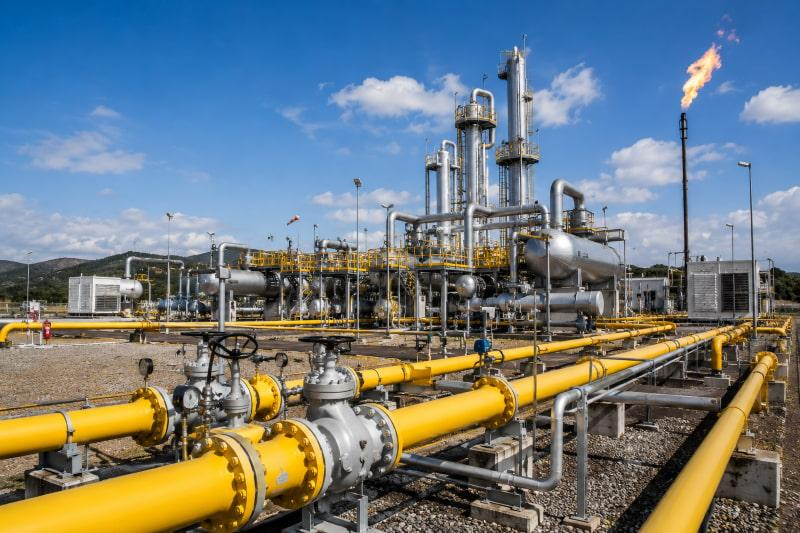
Natural gas is a fossil fuel primarily composed of methane. It develops through geological processes involving organic matter buried deep underground. Natural gas is extracted from underground reservoirs and transported through pipelines or in liquefied form.
Among non renewable energy resources, natural gas is often considered a flexible fuel because gas-fired power stations can adjust electricity generation according to demand.
Its common applications include:
- Electricity generation.
- Residential cooking and heating.
- Industrial heating processes.
- Fertiliser manufacturing.
- Chemical production.
- Commercial energy applications.
Natural gas generally produces less carbon dioxide during combustion than coal for an equivalent amount of energy generated. However, it is not a zero-emission energy source.
Methane leakage during extraction, processing, and transportation is a major environmental concern because methane is a powerful greenhouse gas.
The United Nations Climate Change explains that natural gas is a fossil fuel and that its production and use contribute to climate pollution.
Improving methane monitoring, reducing leakage, and expanding renewable electricity are important steps towards a more sustainable energy system.
4. Nuclear Energy and Uranium
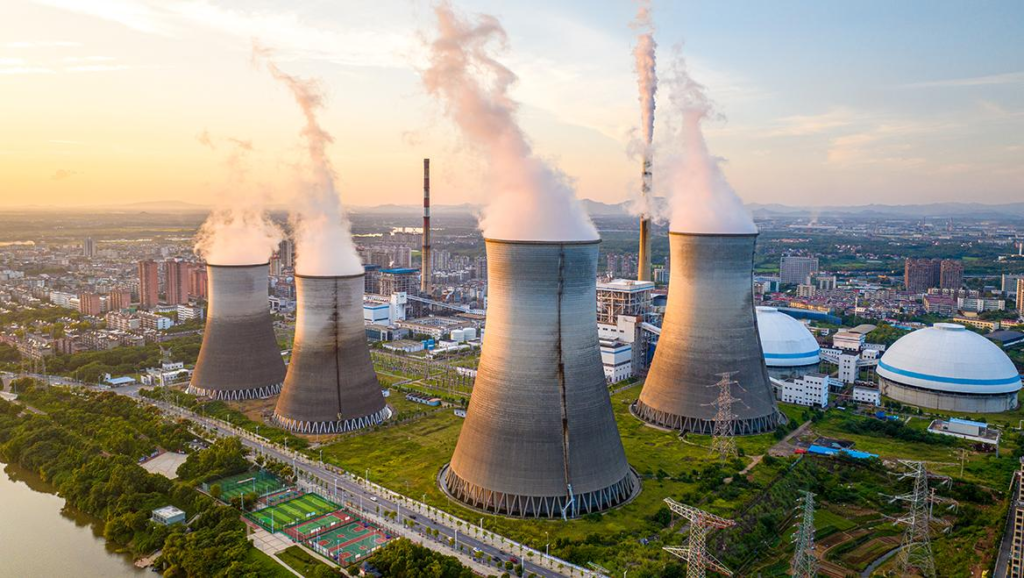
Nuclear energy is another important form of non renewable energy. Most commercial nuclear power plants use uranium as fuel to produce electricity through a process called nuclear fission.
During nuclear fission, uranium atoms are split into smaller atoms, releasing a large amount of heat. This heat is used to produce steam, which drives turbines connected to electricity generators.
Nuclear power plants can generate large amounts of electricity continuously and produce very low direct carbon dioxide emissions during operation.
However, nuclear energy has several challenges. Uranium is a finite resource, nuclear facilities require significant investment, and radioactive waste must be managed safely for long periods.
Nuclear power plants also require strict safety procedures, specialised infrastructure, and highly trained professionals.
Although nuclear energy differs from fossil fuels in its electricity-generation process, uranium remains a non renewable fuel because naturally available reserves are limited.
Key Characteristics of Non Renewable Energy Resources
Non renewable energy resources have several characteristics that distinguish them from renewable energy sources.
1. Limited availability: These resources exist in finite quantities. Although new reserves may be discovered, their availability is restricted by geological conditions and extraction costs.
2. Slow formation: Fossil fuels develop over millions of years. Their natural formation cannot keep pace with modern energy consumption.
3. High energy density: Many conventional fuels contain significant amounts of energy in relatively small quantities. This makes them useful for transportation, industrial heating, and electricity generation.
4. Established infrastructure: Many countries already have extensive infrastructure for extracting, processing, transporting, and consuming conventional fuels.
5. Environmental consequences: The extraction and use of many non renewable energy resources create air pollution, greenhouse gas emissions, land disturbance, and water contamination.
6. Price fluctuations: The prices of coal, petroleum, and natural gas can change because of international demand, supply disruptions, geopolitical conditions, and transportation costs.
These characteristics explain why non renewable energy resources continue to be used while governments and energy companies invest in cleaner alternatives.
How Are Non Renewable Energy Resources Used in Everyday Life?
Non renewable energy resources are closely connected to everyday activities. Even when people do not directly purchase fossil fuels, many products and services depend on energy generated from conventional sources.
Electricity Generation
Coal, natural gas, and nuclear fuel are used in power stations to generate electricity. This electricity supplies residential buildings, offices, hospitals, shopping centres, schools, and industrial facilities.
Thermal power plants remain an important part of electricity infrastructure in several countries. They help meet electricity demand and support grid operations.
However, electricity generation from fossil fuels creates environmental challenges. Expanding solar and wind generation can reduce the amount of conventional fuel required to meet electricity demand.
Transportation
Petroleum products such as petrol, diesel, and aviation fuel are widely used in cars, buses, trucks, ships, and aircraft.
Transportation systems depend heavily on these fuels because of their energy density and established distribution networks.
Electric vehicles offer an alternative for many road transportation applications. When charged using renewable electricity, they can help reduce dependence on petroleum and lower operational emissions.
Industrial Manufacturing
Industries require energy for manufacturing steel, cement, chemicals, glass, paper, and other essential products.
Coal, natural gas, and petroleum products are used as industrial fuels and feedstocks. Some industrial processes also require extremely high temperatures, making the transition to alternative energy more technically challenging.
Renewable electricity, green hydrogen, electrification, and energy efficiency improvements can help reduce industrial dependence on non renewable energy resources.
Residential and Commercial Applications
Many households use LPG, natural gas, and electricity generated from conventional power stations.
Commercial buildings also consume energy for lighting, heating, cooling, refrigeration, elevators, and electronic equipment.
Installing rooftop solar systems, adopting energy-efficient appliances, and purchasing renewable electricity can help households and businesses reduce their dependence on conventional energy.
Agriculture
Agriculture relies on diesel-powered tractors, irrigation pumps, transport vehicles, and processing machinery.
Natural gas is also an important feedstock for manufacturing nitrogen-based fertilisers.
Solar-powered irrigation pumps and renewable electricity can support agricultural operations while reducing reliance on conventional fuels.
Advantages of Non Renewable Energy Resources
Although non renewable energy resources create environmental challenges, they have historically provided several economic and operational benefits. Their widespread use is connected to their energy density, established infrastructure, and ability to supply energy when required.
1. Reliable Energy Supply
Conventional power stations can generate electricity according to operational requirements. Coal and nuclear power plants can operate for extended periods, while natural gas power stations can provide flexible electricity generation.
This ability to produce electricity independently of immediate sunlight or wind conditions has made conventional power stations important components of traditional electricity systems.
However, modern electricity systems can also achieve reliability through a combination of renewable energy, energy storage, transmission networks, flexible demand, and other generation technologies.
2. Established Infrastructure
Many countries have developed extensive infrastructure for extracting, refining, transporting, and consuming conventional fuels.
Oil pipelines, gas networks, refineries, thermal power stations, and fuel storage facilities support existing energy supply chains.
This established infrastructure makes conventional fuels convenient to distribute and use in many applications.
3. High Energy Production
Coal, petroleum, and natural gas provide substantial energy from relatively small quantities of fuel.
This characteristic is especially useful for heavy transportation, industrial manufacturing, and applications where energy storage space is limited.
4. Industrial and Economic Development
The conventional energy industry supports employment in mining, refining, transportation, power generation, engineering, construction, and maintenance.
It has also contributed to the development of manufacturing facilities, industrial centres, and transportation infrastructure.
5. Energy Storage and Transportation
Many fossil fuels can be stored and transported using established systems.
Coal can be stored at power stations, petroleum can be transported through pipelines and tankers, and natural gas can be distributed through pipeline networks or transported as liquefied natural gas.
This flexibility has historically helped countries manage changing energy demand.
Disadvantages of Non Renewable Energy Resources
Despite their advantages, non renewable energy resources have several disadvantages that make long-term dependence on them increasingly challenging.
1. Resource Depletion
The most important disadvantage is that many non renewable energy resources are finite.
Coal, oil, natural gas, and uranium reserves are limited by geological availability and the economics of extraction.
As consumption increases, easily accessible deposits may become depleted, potentially requiring more expensive and technically challenging extraction methods.
2. Greenhouse Gas Emissions
Burning fossil fuels releases carbon dioxide, which contributes to global warming and climate change.
Coal-fired electricity generation generally has particularly high carbon emissions, while petroleum and natural gas also contribute significantly to atmospheric greenhouse gas concentrations.
The Intergovernmental Panel on Climate Change explains that substantial reductions in fossil fuel use are necessary to achieve long-term climate objectives.
3. Air Pollution
Combustion of conventional fuels releases pollutants such as sulphur dioxide, nitrogen oxides, carbon monoxide, and particulate matter.
These pollutants can contribute to respiratory diseases, cardiovascular problems, smog, and poor air quality.
Reducing fossil fuel combustion is therefore important for improving environmental and public health outcomes.
4. Water Pollution
Mining, drilling, refining, and fuel transportation can affect water resources.
Oil spills can damage marine ecosystems, while certain mining activities can contaminate rivers and groundwater.
Thermal power stations may also require substantial amounts of water for cooling and other operations.
5. Environmental Damage from Extraction
Mining and drilling can disturb natural landscapes, destroy habitats, and affect local communities.
Coal mining can involve land degradation, while oil and gas extraction may require extensive infrastructure and transportation networks.
These activities can create long-term environmental challenges if they are not properly managed.
6. Dependence on International Markets
Countries that import large quantities of fossil fuels may become vulnerable to international price changes and supply disruptions.
Geopolitical tensions, trade restrictions, shipping problems, and changes in global demand can influence energy prices.
Expanding domestic renewable energy generation can help diversify energy supplies and improve energy security.
Environmental Impact of Non Renewable Energy Resources
The environmental impact of non renewable energy resources extends beyond the emissions produced when fuels are burned. Their entire lifecycle, including extraction, processing, transportation, electricity generation, and waste management, can affect the environment.
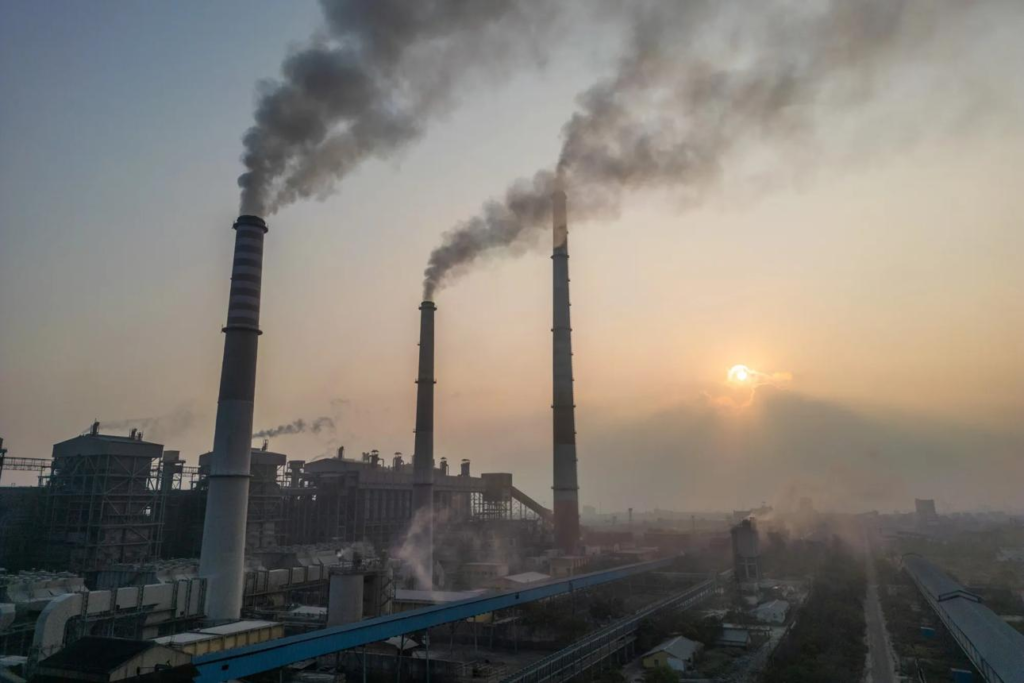
Climate Change
Fossil fuel combustion is a major source of human-caused greenhouse gas emissions.
Carbon dioxide remains in the atmosphere for a long time and contributes to increasing global temperatures. The resulting climate changes can influence rainfall patterns, agricultural productivity, sea levels, and extreme weather conditions.
Moving towards renewable electricity is one of the important strategies for reducing emissions from the power sector.
Ecosystem Destruction
Coal mining, oil extraction, and natural gas infrastructure can disturb forests, grasslands, wetlands, and other natural habitats.
Mining operations may remove vegetation, alter soil structures, and affect wildlife populations.
Environmental restoration and responsible land management can reduce some impacts, but preventing unnecessary damage remains essential.
Public Health Concerns
Air pollution from fossil fuel combustion can affect communities located near industrial facilities, power stations, transportation corridors, and extraction sites.
Exposure to particulate matter and harmful gases can increase health risks.
Cleaner energy technologies can help improve air quality by reducing pollution from electricity generation and transportation.
Waste Management
Different non renewable energy resources generate different forms of waste.
Coal-fired plants produce ash and other combustion residues. Petroleum refining generates industrial waste streams. Nuclear power generation creates radioactive waste that requires specialised handling, secure storage, and long-term management.
Responsible waste management is necessary to protect communities and the environment.
Why Is the World Moving Away from Non Renewable Energy Resources?
The global energy sector is changing because of increasing environmental awareness, technological development, energy security concerns, and the need to reduce greenhouse gas emissions.
Governments and businesses are increasingly investing in renewable electricity generation to diversify energy supplies and support sustainability objectives.
Several factors are encouraging this transition.
Climate commitments: Countries are introducing policies to reduce emissions and increase cleaner electricity generation.
Technological improvements: Solar panels, wind turbines, battery storage, and power management systems have improved significantly.
Energy security: Domestic renewable energy can reduce exposure to imported fossil fuel prices and supply disruptions.
Corporate sustainability: Businesses are increasingly considering renewable electricity to reduce the carbon footprint of their operations.
Long-term investment opportunities: Renewable power projects can provide long-term electricity generation opportunities when supported by appropriate infrastructure and commercial arrangements.
According to the International Renewable Energy Agency (IRENA), renewable energy technologies are important components of the global energy transition.
Renewable Energy as an Alternative to Non Renewable Energy Resources
Renewable energy sources offer an opportunity to reduce dependence on conventional fuels while supporting long-term energy requirements.
Unlike non renewable energy resources, renewable sources are naturally replenished. Their availability and output vary by location, climate, and technology, but they can provide electricity, heating, and other energy services.
The major renewable alternatives include solar, wind, hydropower, geothermal, and sustainable bioenergy.
1. Solar Energy
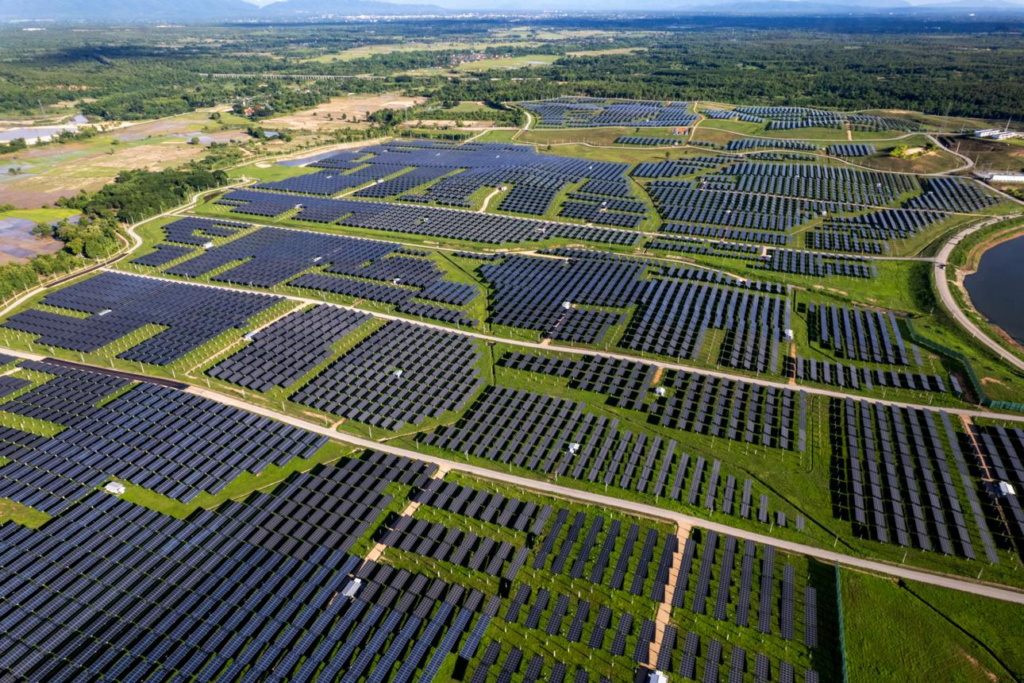
Solar energy is one of the most promising alternatives to non renewable energy resources. It uses sunlight to generate electricity through photovoltaic panels or to produce heat through solar thermal technologies.
Solar PV systems convert sunlight directly into electricity without requiring fuel combustion during operation.
Solar energy can be used for:
- Residential rooftop electricity generation.
- Utility-scale solar power plants.
- Commercial and industrial electricity supply.
- Solar-powered agricultural irrigation.
- Street lighting and remote applications.
India has considerable solar energy potential because of its geographical location and availability of sunlight across many regions.
Large-scale solar PV projects can supply electricity to the grid and support the country’s efforts to diversify its energy mix.
For Alfa Infraprop, solar PV power plant development represents an important opportunity to contribute to cleaner electricity generation and sustainable infrastructure.
2. Wind Energy
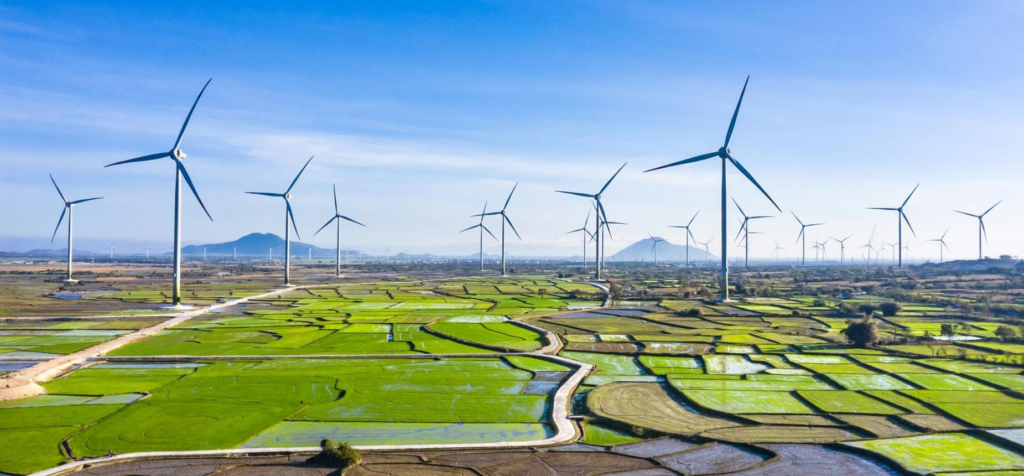
Wind energy is generated by converting the kinetic energy of moving air into electricity using wind turbines.
When wind rotates turbine blades, the rotor drives a generator that produces electrical power.
Wind farms can be installed on land or offshore, depending on wind conditions, available space, grid connectivity, and project economics.
Wind energy offers several advantages:
- No fuel combustion during electricity generation.
- Low operational greenhouse gas emissions.
- Renewable and naturally replenished energy.
- Large-scale electricity generation potential.
- Opportunities for agricultural land to continue supporting certain activities around turbines.
India has favourable wind energy potential in several states, making wind power an important part of its renewable energy development strategy.
Companies involved in wind farm development can support the transition away from non renewable energy resources by expanding clean electricity generation capacity.
3. Hydropower
Hydropower generates electricity using the movement of flowing or falling water.
Water passes through turbines, causing them to rotate and operate electricity generators.
Hydropower plants can provide renewable electricity and, in certain configurations, help balance electricity supply and demand.
Pumped-storage hydropower can also store energy by pumping water to a higher reservoir when electricity is available and releasing it to generate electricity when needed.
However, hydropower projects require careful planning because dams and reservoirs can affect river ecosystems, fish migration, and local communities.
4. Geothermal Energy
Geothermal energy uses heat from beneath the Earth’s surface to generate electricity or provide direct heating.
In suitable geological locations, underground heat can be accessed through wells and used to produce steam or heat working fluids that operate turbines.
Geothermal energy can provide relatively consistent output because it does not depend directly on daily sunlight or wind conditions.
Its development depends on local geological conditions, drilling costs, and resource availability.
5. Biomass Energy
Biomass energy is generated from organic materials such as agricultural residues, forestry waste, and certain biodegradable waste streams.
Depending on the technology, biomass can be converted into heat, electricity, biogas, or liquid biofuels.
Sustainably managed biomass can help utilise waste materials and diversify energy supplies.
However, biomass must be sourced responsibly. Excessive harvesting of forests or inefficient combustion can create environmental and air-quality problems.
Renewable alternatives should therefore be assessed according to their complete lifecycle impacts rather than assuming that every naturally derived fuel is automatically sustainable.
Non Renewable Energy Resources in India
India is one of the world’s major energy-consuming economies. Its growing population, industrial development, urbanisation, and infrastructure expansion continue to increase electricity and fuel requirements.
Traditionally, coal, petroleum, and natural gas have played important roles in meeting India’s energy demand. Coal has been particularly important for electricity generation, while petroleum products support transportation, agriculture, and industrial activities.
However, dependence on non renewable energy resources creates several challenges for India’s long-term energy security.
Some important challenges include:
- Import dependence: India imports a significant quantity of crude oil and other energy commodities, exposing the economy to international price fluctuations.
- Environmental pollution: Conventional fuel combustion contributes to air pollution and greenhouse gas emissions.
- Increasing energy demand: Economic development requires additional electricity generation and stronger transmission infrastructure.
- Resource limitations: Domestic fossil fuel reserves are finite and may become more expensive to extract.
- Climate objectives: Reducing emissions requires a gradual transition towards cleaner energy technologies.
India is responding through renewable energy policies, solar park development, wind power projects, energy storage initiatives, and improvements in electricity transmission infrastructure.
The Ministry of New and Renewable Energy (MNRE) provides information about India’s renewable energy programmes, policies, and development initiatives.
Expanding renewable electricity generation can help reduce the long-term dependence on non renewable energy resources while creating opportunities for investment, infrastructure development, and technological innovation.
Role of Solar and Wind Energy in Reducing Dependence on Fossil Fuels
Solar and wind energy are particularly important because they can generate electricity without burning conventional fossil fuels during operation.
Both technologies are suitable for large-scale deployment and can contribute to electricity generation across different geographical locations.
Solar power plants use photovoltaic modules to convert sunlight into electricity. Wind farms use turbines to convert wind energy into electrical power.
When integrated into the electricity grid, these technologies can reduce the amount of coal and natural gas required to meet electricity demand.
However, solar and wind generation are variable. Solar output changes with sunlight availability, while wind generation depends on local wind conditions.
Modern power systems address these challenges through:
- Battery energy storage systems.
- Pumped-storage hydropower.
- Improved electricity transmission.
- Forecasting and grid management.
- Flexible power generation.
- Demand-side management.
Combining these technologies creates a more flexible electricity system capable of accommodating increasing renewable energy generation.
For renewable energy developers, this creates opportunities to develop solar power plants, wind farms, and associated infrastructure that support India’s clean energy transition.
How Businesses Can Reduce Dependence on Non Renewable Energy Resources
Businesses and industrial organisations consume significant amounts of electricity and fuel. Reducing their dependence on non renewable energy resources can support sustainability goals and improve long-term energy management.
Companies can consider several practical approaches.
1. Install Solar Power Systems
Businesses with suitable rooftops or available land can install solar PV systems to generate electricity for their operations.
Larger organisations can also explore utility-scale renewable energy procurement arrangements.
2. Purchase Renewable Electricity
Businesses can investigate renewable electricity procurement options, including suitable power purchase agreements, depending on applicable regulations and market arrangements.
3. Improve Energy Efficiency
Energy-efficient motors, LED lighting, modern cooling systems, and automated energy management can reduce electricity consumption.
4. Monitor Energy Consumption
Regular energy audits help organisations identify unnecessary energy use and opportunities for improvement.
5. Adopt Long-Term Sustainability Strategies
Businesses can establish measurable targets for renewable electricity procurement, energy efficiency, and greenhouse gas emissions reduction.
These measures can gradually reduce dependence on non renewable energy resources while supporting more responsible business operations.
The Future of Non Renewable Energy Resources
Non renewable energy resources are expected to remain part of the global energy system during the transition towards cleaner technologies. Their future role will depend on energy demand, technological development, government policies, infrastructure investments, and environmental regulations.
Some industries may continue using conventional fuels where alternative technologies are difficult to implement immediately.
However, electricity generation is increasingly positioned for renewable energy expansion, supported by improvements in solar PV technology, wind turbines, battery storage, and grid infrastructure.
Several developments will influence the future energy landscape.
Growth of Solar Power
Solar energy is expected to remain an important part of electricity sector transformation. Better photovoltaic efficiency, improved manufacturing processes, and larger project developments can support further adoption.
Expansion of Wind Farms
Modern wind turbines are becoming more technologically advanced, allowing developers to explore suitable locations with different wind conditions.
Onshore and offshore wind projects can contribute to electricity diversification.
Battery Energy Storage
Battery storage systems can store surplus renewable electricity and release it when generation is lower or electricity demand is higher.
This technology can improve renewable energy integration and grid flexibility.
Smart Electricity Grids
Digital monitoring, automation, forecasting, and improved transmission infrastructure can help electricity systems manage different generation sources more effectively.
Green Hydrogen Development
Green hydrogen can be produced using renewable electricity through electrolysis. It has potential applications in industries where direct electrification may be challenging.
These developments demonstrate that the future of energy will involve a combination of technologies rather than dependence on a single energy source.
Why Renewable Energy Development Matters for Alfa Infraprop
The limitations of non renewable energy resources highlight the importance of companies that develop and operate renewable electricity infrastructure.
Alfa Infraprop Pvt. Ltd. focuses on utility-scale solar PV power plants and wind farms, contributing to India’s expanding renewable energy landscape.
The development of large-scale renewable energy projects requires careful planning, engineering, construction management, grid connectivity, and long-term operational monitoring.
Solar and wind projects can provide several important benefits:
- Supporting cleaner electricity generation.
- Reducing dependence on conventional fuel-based power.
- Contributing to greenhouse gas emissions reduction.
- Supporting India’s renewable energy infrastructure.
- Creating opportunities for sustainable investment.
- Encouraging technological development in the power sector.
For Alfa Infraprop, the broader energy transition represents an opportunity to support a more diversified electricity system through solar and wind energy development.
The transition away from non renewable energy resources does not happen overnight. It requires long-term investment, effective policies, reliable infrastructure, and cooperation between governments, energy developers, businesses, and communities.
By developing renewable electricity projects, companies can contribute to meeting future energy requirements while supporting environmental sustainability.
Conclusion
Non renewable energy resources have played a significant role in the development of modern economies. Coal, petroleum, natural gas, and uranium have supported electricity generation, transportation, industrial manufacturing, and residential energy consumption.
However, their limited availability, environmental consequences, greenhouse gas emissions, and resource extraction challenges make long-term dependence on conventional energy sources increasingly difficult.
The transition towards renewable energy offers an opportunity to build a cleaner, more diversified, and sustainable electricity system. Solar energy, wind power, hydropower, geothermal energy, and sustainable biomass can help reduce dependence on conventional fuels.
For India, expanding solar PV power plants and wind farms is particularly important for supporting future electricity requirements and strengthening domestic energy infrastructure.
Alfa Infraprop Pvt. Ltd. aims to contribute to this transformation through renewable energy project development, with a focus on solar and wind power.
As technology advances and renewable energy infrastructure expands, the global energy industry can gradually move towards a more sustainable future with reduced dependence on non renewable energy resources.
Frequently Asked Questions (FAQs)
1. What are non renewable energy resources?
Non renewable energy resources are natural energy sources that exist in limited quantities or take millions of years to form. Common examples include coal, petroleum, natural gas, and uranium.
2. What are the four main non renewable energy resources?
The four commonly discussed non renewable energy resources are coal, petroleum, natural gas, and nuclear fuels such as uranium.
3. Why are non renewable energy resources limited?
These resources form through geological processes over extremely long periods. Human consumption occurs much faster than their natural replacement.
4. What are the disadvantages of non renewable energy resources?
Their major disadvantages include resource depletion, greenhouse gas emissions, air pollution, environmental damage, water contamination, and dependence on international fuel markets.
5. How do renewable energy sources replace conventional fuels?
Solar, wind, hydropower, and other renewable technologies generate electricity without requiring fossil fuel combustion during operation. They can gradually reduce conventional fuel consumption when integrated into electricity systems.
6. Why is solar energy important for India?
India receives substantial sunlight across many regions, making solar energy an important opportunity for expanding domestic electricity generation and reducing dependence on conventional fuels.
7. How does wind energy help the environment?
Wind turbines generate electricity without burning fossil fuels during operation. Wind power can therefore help reduce greenhouse gas emissions and air pollution when it replaces fossil-fuel-based generation.
8. Can non renewable energy resources be completely replaced?
Replacing them is a long-term process. Renewable electricity, energy storage, electrification, energy efficiency, and alternative fuels can reduce dependence on conventional resources, although some applications require additional technological development.