2 Sources of Energy Every Student Should Know
Energy is one of the most important concepts in science and everyday life. Everything around us depends on energy in some way. We need energy to move, study, cook food, travel, operate machines, generate electricity, and power modern technology. As the world’s energy needs continue to increase, understanding where energy comes from has become increasingly important. Among the basic classifications taught in science, the 2 sources of energy are renewable and non-renewable sources.
Learning about these 2 sources of energy helps students understand how electricity and fuels are produced and why societies are increasingly interested in cleaner and more sustainable alternatives. Each source has different characteristics, advantages, limitations, and applications. By understanding both, students can develop a better awareness of energy conservation and environmental responsibility.
What Are Sources of Energy?
Sources of energy are natural or artificial resources from which usable energy can be obtained. Energy can exist in different forms, including heat, light, chemical energy, mechanical energy, and electrical energy. Natural resources such as sunlight, wind, coal, petroleum, and flowing water can be converted into useful energy for homes, businesses, transportation, agriculture, and industries.
The 2 sources of energy commonly discussed in basic science are renewable energy and non-renewable energy. The main difference between them is how quickly the resources are naturally replenished.
1. Renewable Sources of Energy
Renewable energy comes from natural resources that are replenished continuously or within a relatively short period. Sunlight, wind, water, biomass, and geothermal heat are common examples. Because these resources are naturally renewed, they can support energy production over long periods when managed properly.
Solar Energy
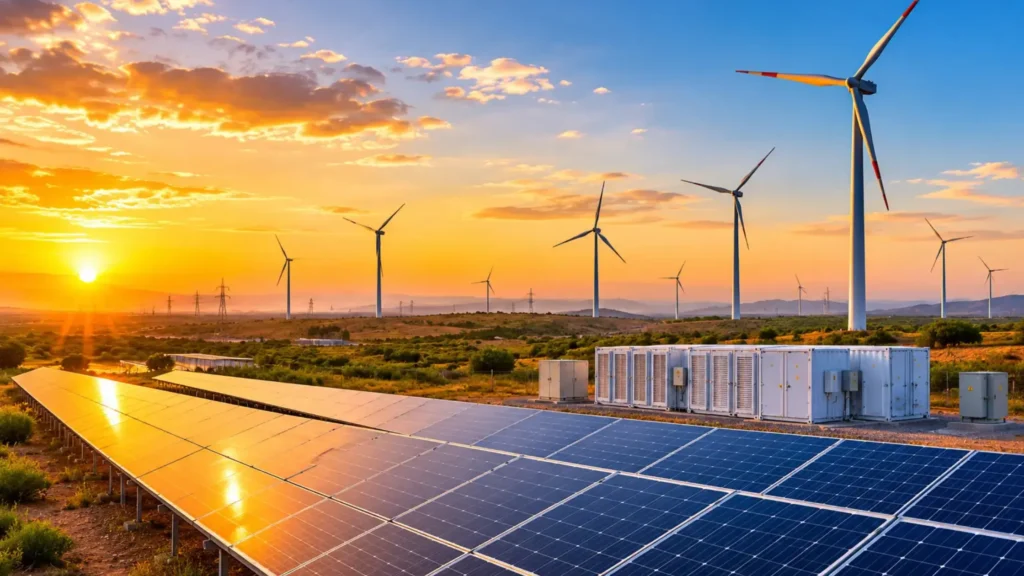
Solar energy comes from the Sun and is one of the most widely available renewable resources. Solar panels use photovoltaic cells to convert sunlight directly into electricity. Solar energy can also be used for water heating, space heating, and other applications.
For students, solar energy is a useful example of how natural energy can be transformed into electricity. Solar power systems can be installed on rooftops, in large solar farms, and in remote locations where access to conventional electricity may be limited.
Wind Energy
Wind energy uses the movement of air to produce electricity. Wind turbines contain blades connected to a rotor and generator. When wind turns the blades, mechanical energy is converted into electrical energy.
Wind farms can contain many turbines and are often developed in areas with strong and consistent winds. Wind power produces electricity without directly burning fossil fuels during operation.
Hydropower
Hydropower uses moving or falling water to generate electricity. Dams and reservoirs can store water and control its flow through turbines. Smaller hydropower systems can also operate using naturally flowing rivers and streams.
Hydropower has been used for many years and can provide a reliable source of electricity in regions with suitable water resources.
Biomass Energy
Biomass energy is produced from organic materials such as agricultural residues, wood, plant matter, and certain forms of organic waste. These materials can be converted into heat, electricity, biogas, or biofuels.
Using agricultural and organic waste for energy can also help reduce waste when appropriate technologies and sustainable practices are used.
Geothermal Energy
Geothermal energy comes from heat stored beneath Earth’s surface. Hot water and steam from underground reservoirs can be used to produce electricity or provide heating.
Although geothermal resources are location-dependent, they can provide a consistent source of energy because they are not directly dependent on daily weather conditions.
2. Non-Renewable Sources of Energy
The second major category among the 2 sources of energy is non-renewable energy. These resources exist in limited quantities and take millions of years to form. Once they are consumed, they cannot be replaced quickly on a human timescale.
The main examples include coal, petroleum, and natural gas. Nuclear fuels such as uranium are also generally classified as non-renewable because their naturally occurring resources are limited.
Coal
Coal is a fossil fuel formed from ancient plant material that was subjected to heat and pressure over millions of years. It has traditionally been used to generate electricity and provide energy for industrial processes.
Coal can produce large amounts of energy, but burning it releases carbon dioxide and other pollutants. This is one reason many countries are working to reduce their dependence on coal and increase the use of cleaner energy technologies.
Petroleum
Petroleum, also known as crude oil, is another important non-renewable resource. It is processed into fuels such as petrol, diesel, and aviation fuel. Petroleum products are widely used in transportation and industry.
Because petroleum reserves are finite and its combustion contributes to greenhouse gas emissions, there is growing interest in electric vehicles, biofuels, hydrogen, and other alternatives.
Natural Gas
Natural gas is primarily composed of methane and is used for electricity generation, heating, cooking, and industrial applications. Compared with coal, natural gas generally produces fewer carbon emissions per unit of energy when burned. However, it remains a fossil fuel and still contributes to greenhouse gas emissions.
Nuclear Energy
Nuclear power uses energy released from nuclear reactions, most commonly through the splitting of uranium atoms. Nuclear power plants can generate large amounts of electricity from relatively small quantities of fuel.
Nuclear energy produces very low direct carbon emissions during electricity generation, but it involves challenges such as radioactive waste management, high construction costs, and strict safety requirements.
Why Students Should Understand the 2 Sources of Energy
Learning about the 2 sources of energy is important because energy influences almost every part of modern life. Students who understand renewable and non-renewable resources can better understand environmental issues, climate change, energy security, and technological development.
This knowledge can also encourage responsible energy use. Simple actions such as switching off unnecessary lights, using energy-efficient appliances, reducing waste, and choosing public transportation when practical can contribute to energy conservation.
Students may also become future engineers, scientists, entrepreneurs, policymakers, or environmental professionals. A strong understanding of energy sources can help them participate in developing solutions for future energy challenges.
Renewable vs Non-Renewable Energy
The two categories have several important differences. Renewable resources are naturally replenished, while non-renewable resources are limited. Renewable technologies generally produce fewer greenhouse gas emissions during operation, although their equipment still requires materials and energy to manufacture.
Non-renewable resources have historically provided dependable and energy-dense supplies for industries and transportation. However, their extraction and use can cause environmental impacts and contribute to resource depletion.
Renewable energy technologies are expanding rapidly because they can help diversify energy supplies and reduce dependence on fossil fuels. At the same time, challenges such as energy storage, grid infrastructure, land use, and variable generation need to be addressed.
The Future of Energy
The future energy system is likely to include a combination of technologies rather than relying on one resource alone. Solar and wind power can provide large amounts of electricity, while batteries and other storage technologies can help balance supply and demand. Hydropower, geothermal energy, sustainable biomass, nuclear power, and other technologies may also contribute depending on local conditions and energy policies.
Improving energy efficiency will be equally important. Using less energy to perform the same task can reduce costs, conserve resources, and lower environmental impacts.
Students can play an important role in this transition by learning about energy technologies and developing innovative ideas. School science projects, energy-saving campaigns, solar experiments, and environmental activities can make energy education practical and engaging.
Conclusion
Understanding the 2 sources of energy—renewable and non-renewable—is an essential foundation for every student. Renewable sources such as solar, wind, hydropower, biomass, and geothermal energy are naturally replenished, while non-renewable sources such as coal, petroleum, natural gas, and uranium are limited.
Both categories have played important roles in human development, but their environmental and economic impacts differ significantly. As energy demand grows, societies must find ways to provide reliable, affordable, and sustainable energy.
By learning about the 2 sources of energy, students can better understand how the world is powered and why the transition toward cleaner energy matters. This knowledge can inspire them to conserve energy today and contribute to innovative energy solutions for a more sustainable future.