Why Countries Must Develop Renewable Energy for a Greener Future

The world is facing growing environmental challenges, rising energy demands, and increasing concerns about climate change. Governments, businesses, and communities across the globe are now realizing the importance of sustainable solutions that can provide long-term benefits. One of the most effective strategies is to develop renewable energy systems that reduce dependence on fossil fuels while supporting economic growth and environmental protection.
Renewable energy has become more than just an alternative source of power. It has evolved into a necessity for countries aiming to create a cleaner, safer, and more sustainable future. As populations grow and industrial activities expand, nations must take immediate action to develop renewable energy infrastructure that supports both current and future generations.
Understanding Renewable Energy
develop renewable energy refers to power generated from naturally replenishing sources such as sunlight, wind, water, biomass, and geothermal heat. Unlike coal, oil, and natural gas, these resources do not run out and produce significantly lower emissions.
Common renewable energy sources include:
- Solar energy
- Wind energy
- Hydropower
- Biomass energy
- Geothermal energy
The ability to develop renewable energy technologies gives countries an opportunity to meet growing electricity demands while minimizing environmental damage.
Reducing Carbon Emissions and Fighting Climate Change
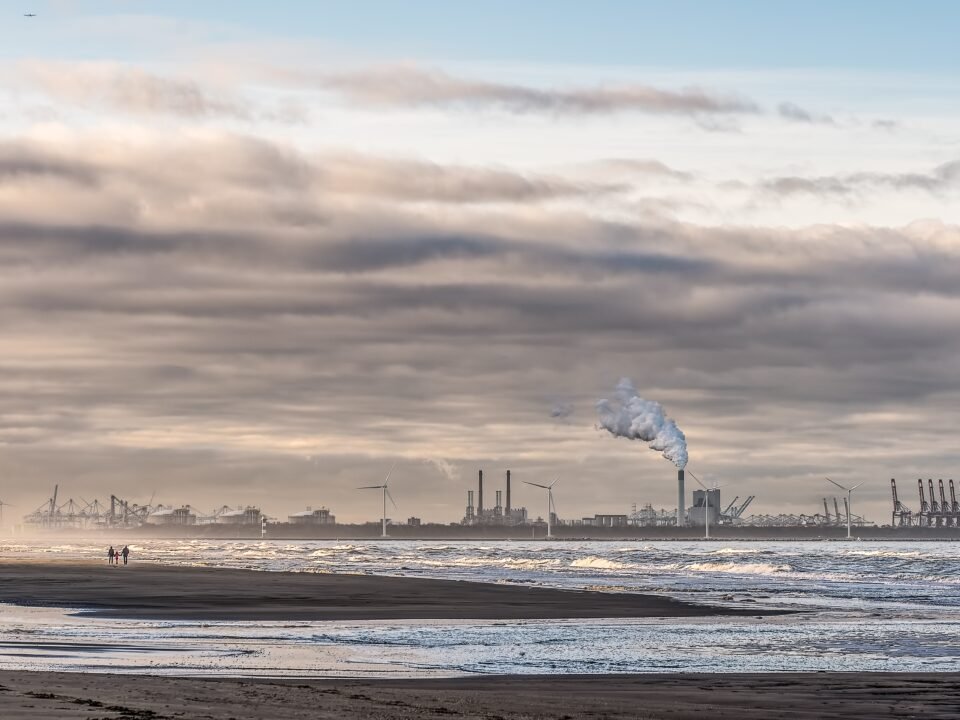
One of the biggest reasons countries should develop renewable energy is to reduce greenhouse gas emissions. Traditional energy production heavily relies on fossil fuels, which release large amounts of carbon dioxide into the atmosphere.
Carbon emissions contribute significantly to:
- Global warming
- Extreme weather conditions
- Rising sea levels
- Air pollution
- Environmental degradation
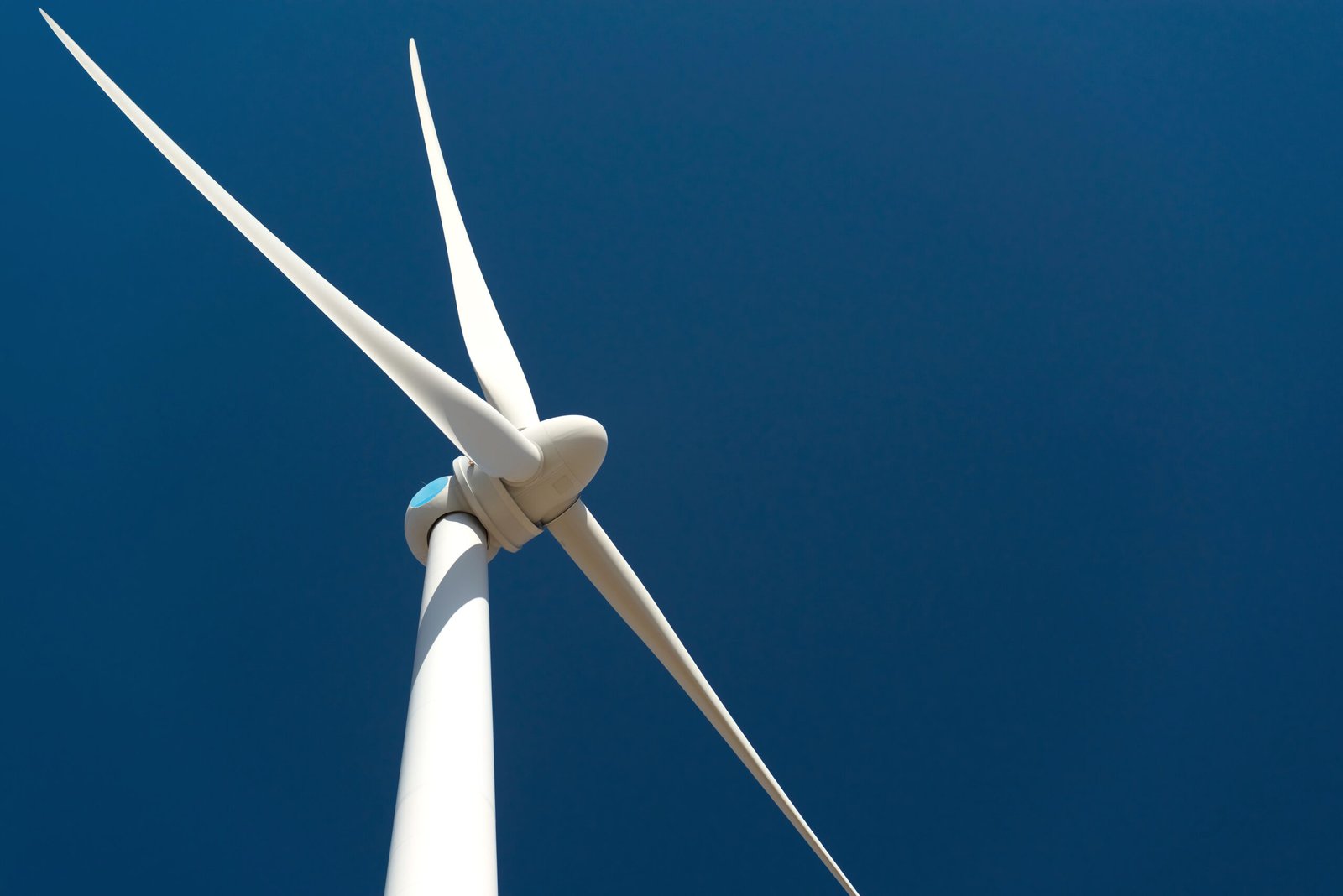
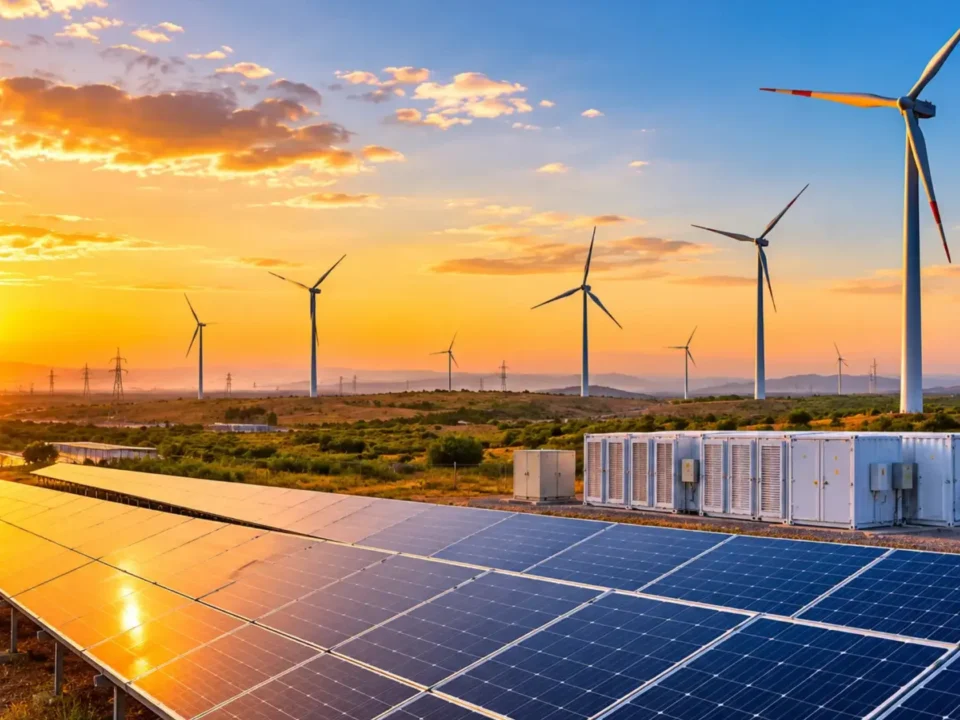
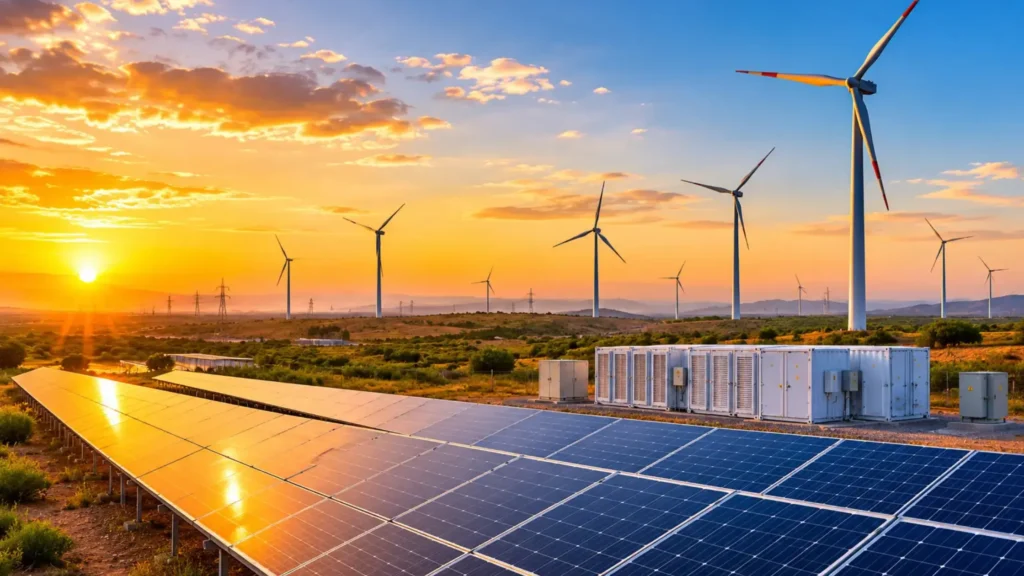
By switching to renewable sources, countries can reduce their carbon footprint and move closer toward climate goals. Solar farms, wind turbines, and hydroelectric systems generate electricity with far fewer emissions compared to conventional power plants.
Developing renewable energy infrastructure today can create a cleaner environment for future generations.
Improving Energy Security
Many countries rely heavily on imported fossil fuels to meet their energy needs. This dependence creates vulnerabilities because energy prices can fluctuate due to political conflicts, supply shortages, and global market changes.
When countries develop renewable energy resources locally, they become less dependent on external suppliers.
Benefits of improved energy security include:
- Reduced dependence on imports
- Greater price stability
- Better control over national energy supply
- Increased resilience during global crises
Renewable energy allows nations to produce electricity using resources already available within their borders.
Creating New Jobs and Economic Growth
The renewable energy sector has become a major source of employment worldwide. Building, operating, and maintaining renewable infrastructure creates millions of jobs across multiple industries.
Countries that develop renewable energy often experience growth in sectors such as:
- Manufacturing
- Engineering
- Construction
- Research and development
- Maintenance services
Investments in renewable technologies also encourage innovation and create new business opportunities.
As governments increase funding for clean energy projects, economies can benefit from increased productivity and industrial expansion.
Lowering Long-Term Energy Costs
Although renewable projects may require large initial investments, operating costs are generally lower compared to traditional energy systems.
Solar panels and wind turbines use free natural resources, which means fuel costs are minimal.
Long-term benefits include:
- Lower electricity generation costs
- Reduced fuel expenses
- Stable energy pricing
- Less exposure to global fuel market volatility
Countries that develop renewable energy systems now may save significant amounts of money over time while protecting consumers from fluctuating energy prices.
Supporting Sustainable Development Goals
Sustainability has become a central focus for governments worldwide. Renewable energy supports multiple economic, social, and environmental goals simultaneously.
Developing renewable energy contributes to:
- Clean energy access
- Reduced poverty
- Improved public health
- Sustainable cities
- Responsible consumption
Access to affordable and reliable electricity can transform rural communities, improve healthcare systems, and support educational development.
Countries that prioritize renewable energy are better positioned to achieve long-term sustainable growth.
Improving Public Health
Burning fossil fuels releases pollutants that contribute to respiratory diseases, cardiovascular problems, and other health issues.
Air pollution from conventional energy sources can lead to:
- Asthma
- Lung disease
- Heart conditions
- Premature deaths
When countries develop renewable energy systems, they reduce harmful emissions and improve air quality.
Cleaner air leads to healthier populations, lower healthcare costs, and improved overall quality of life.
Encouraging Technological Innovation
Renewable energy drives innovation across many industries. Governments investing in clean technologies often stimulate research that produces new solutions for energy production, storage, and efficiency.
Examples include:
- Advanced battery systems
- Smart electrical grids
- Energy storage technologies
- Efficient solar panels
- Improved wind turbine designs
Countries that develop renewable energy industries often become leaders in technological advancement and attract international investment.
Supporting Rural Development
Renewable energy projects can significantly benefit rural and remote areas.
Solar farms, wind projects, and small hydro systems can provide electricity to communities that previously lacked reliable power access.
Rural benefits include:
- Increased employment opportunities
- Better infrastructure
- Improved agricultural productivity
- Enhanced local business growth
Developing renewable energy creates opportunities for communities that may otherwise face economic limitations.
Challenges Countries Must Overcome
While renewable energy offers many advantages, governments must address several challenges during implementation.
Common obstacles include:
- High initial investment costs
- Infrastructure limitations
- Energy storage requirements
- Policy uncertainties
- Grid modernization needs
However, technological improvements and declining equipment costs continue to make renewable energy more accessible.
Strong government policies, financial incentives, and private-sector participation can help overcome these barriers.
The Future Depends on Renewable Energy Development
The global energy transition is already underway. Countries that invest early in renewable infrastructure are positioning themselves for long-term success.
Developing renewable energy is no longer simply an environmental decision—it is an economic, social, and strategic necessity.
Governments that delay renewable investments risk:
- Higher future energy costs
- Increased climate impacts
- Reduced economic competitiveness
- Greater energy insecurity
Taking action today creates opportunities for stronger economies, healthier populations, and more sustainable environments.
Conclusion
The need to develop renewable energy has never been more urgent. Climate change, energy security concerns, and rising electricity demand require immediate action from governments worldwide.
Renewable energy provides a path toward cleaner environments, stronger economies, improved public health, and sustainable development.
Countries that prioritize renewable investments today will create lasting benefits for future generations while building more resilient and competitive economies.
The transition may require investment and planning, but the long-term rewards make renewable energy development one of the most important priorities for the future.