Energy and Sources Explained for Clean and Renewable Living
Energy powers every aspect of modern life. From lighting our homes and charging our devices to running industries and transportation systems, energy is essential for daily living and economic growth. As the world faces climate change and rising fuel demands, understanding energy and sources has become more important than ever. Clean and renewable energy solutions are now shaping the future of sustainable living.
This blog explains the concept of energy, different types of energy sources, and how renewable alternatives are helping create a cleaner and healthier planet.
What Is Energy?
Energy is the ability to do work or produce change. It exists in many forms, including heat, light, electricity, chemical energy, and mechanical energy. Humans rely on energy for cooking, heating, transportation, communication, manufacturing, and countless other activities.
In simple terms, energy allows machines to run, homes to stay comfortable, and societies to function efficiently. Without energy, modern civilization would not exist as we know it today.
Understanding Energy and Sources
The phrase energy and sources refers to where energy comes from and how it is produced. Energy sources can be divided into two main categories:
- Non-renewable energy sources
- Renewable energy sources
Both categories play a role in global energy production, but their environmental impacts and sustainability differ greatly.
Non-Renewable Energy Sources
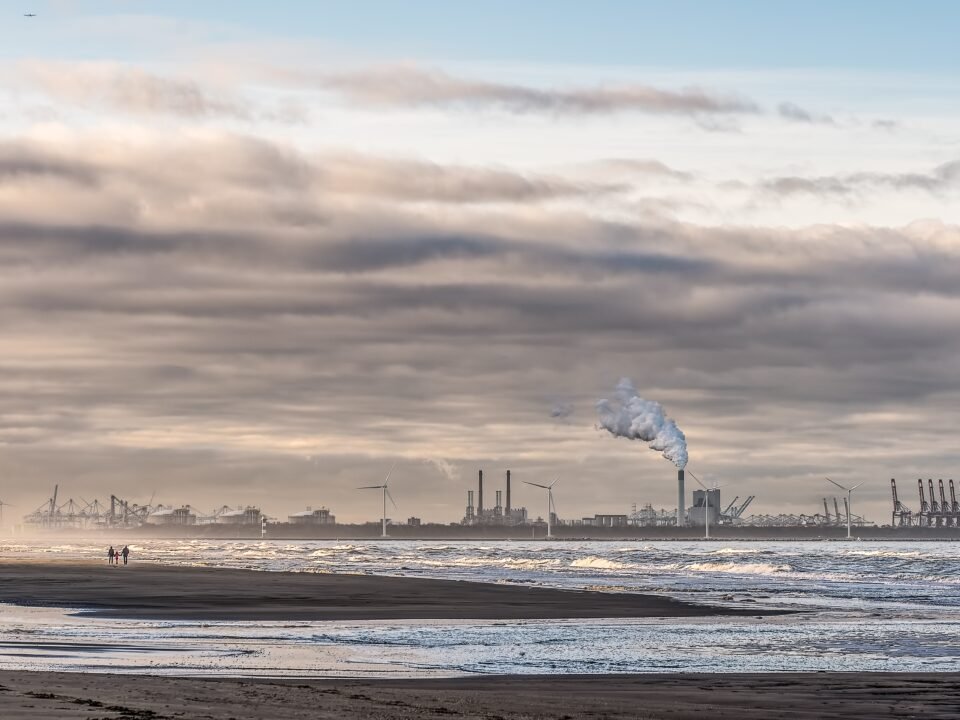
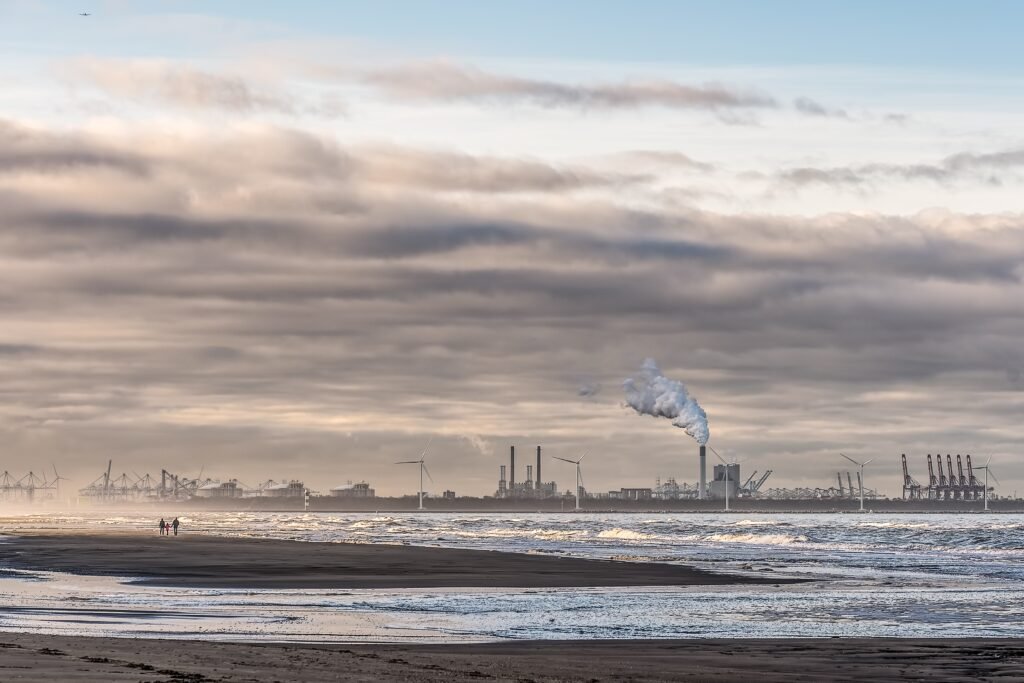
energy and sources Non-renewable energy sources are finite resources that take millions of years to form. Once used, they cannot be quickly replaced. These sources have powered industrial development for centuries but also contribute heavily to pollution and climate change.
1. Coal
Coal is one of the oldest and most widely used fossil fuels. It is burned to generate electricity and power industries.
Advantages:
- Cheap and abundant
- Reliable energy production
Disadvantages:
- Produces high carbon emissions
- Causes air pollution
- Mining damages ecosystems
Coal remains a major energy source in many countries, but governments are increasingly reducing its use due to environmental concerns.
2. Oil
Oil, also called petroleum, is used mainly for transportation fuels such as petrol and diesel.
Advantages:
- High energy output
- Easy transportation and storage
Disadvantages:
- Major contributor to greenhouse gases
- Oil spills harm marine life
- Limited supply
The global economy has long depended on oil, but renewable energy is gradually reducing that dependence.
3. Natural Gas
energy and sources Natural gas burns cleaner than coal and oil, making it a transitional fuel in many energy systems.Advantages:
- Lower emissions compared to coal
- Efficient electricity generation
Disadvantages:
- Still releases carbon dioxide
- Methane leaks can harm the environment
Although natural gas is considered cleaner, it is still a fossil fuel and not fully sustainable.
Renewable Energy Sources
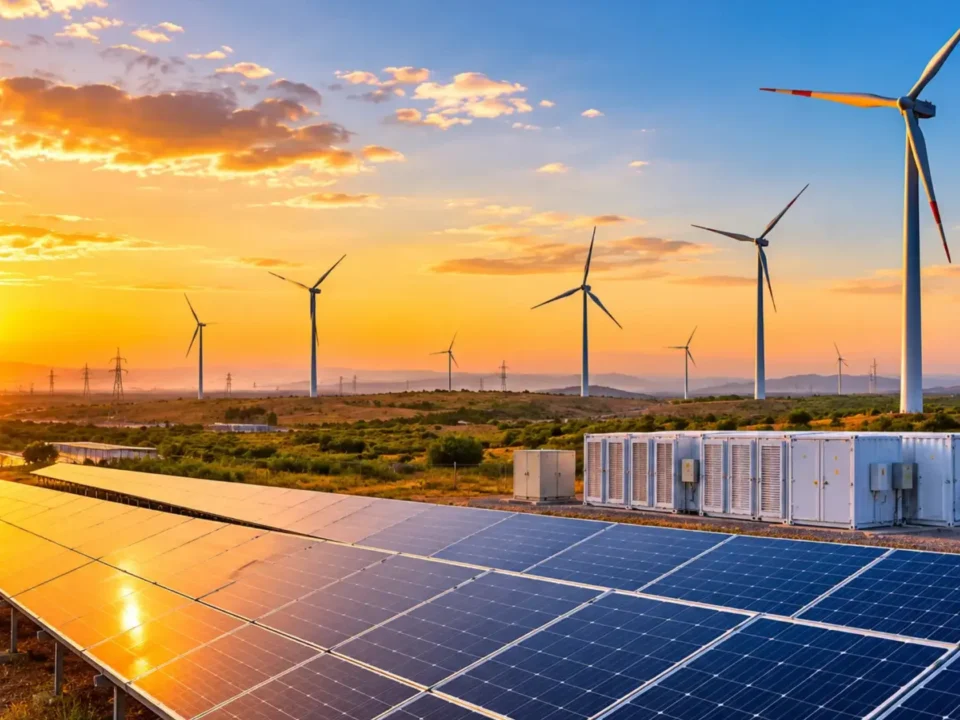
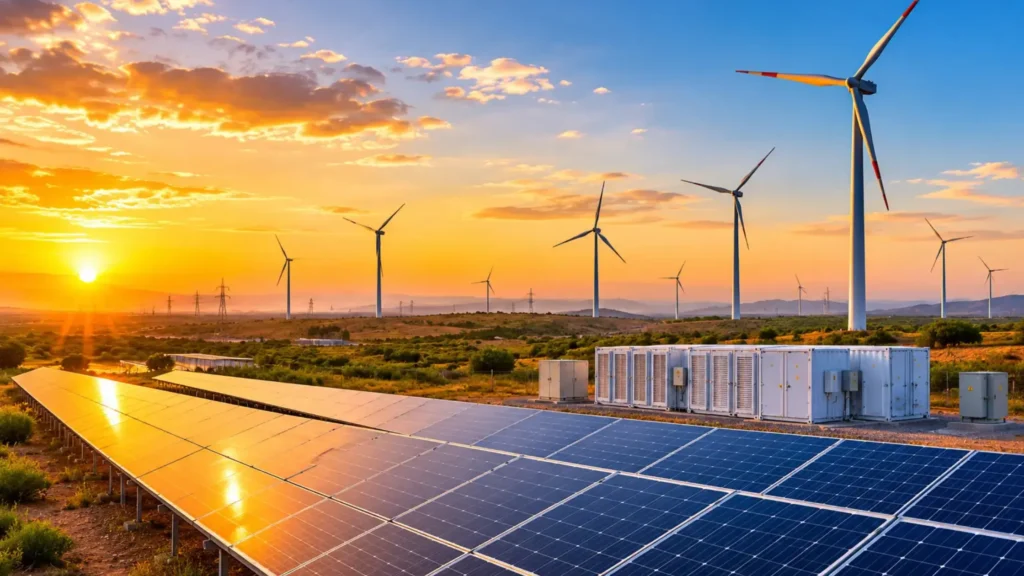
Renewable energy sources naturally replenish themselves and produce less pollution. These sources are becoming central to clean and renewable living.
1. Solar Energy
Solar energy comes from sunlight and is captured using solar panels.
Benefits:
- Unlimited energy source
- Reduces electricity bills
- Environmentally friendly
Challenges:
- Requires sunlight
- Initial installation cost can be high
Solar power is one of the fastest-growing renewable technologies worldwide.
2. Wind Energy
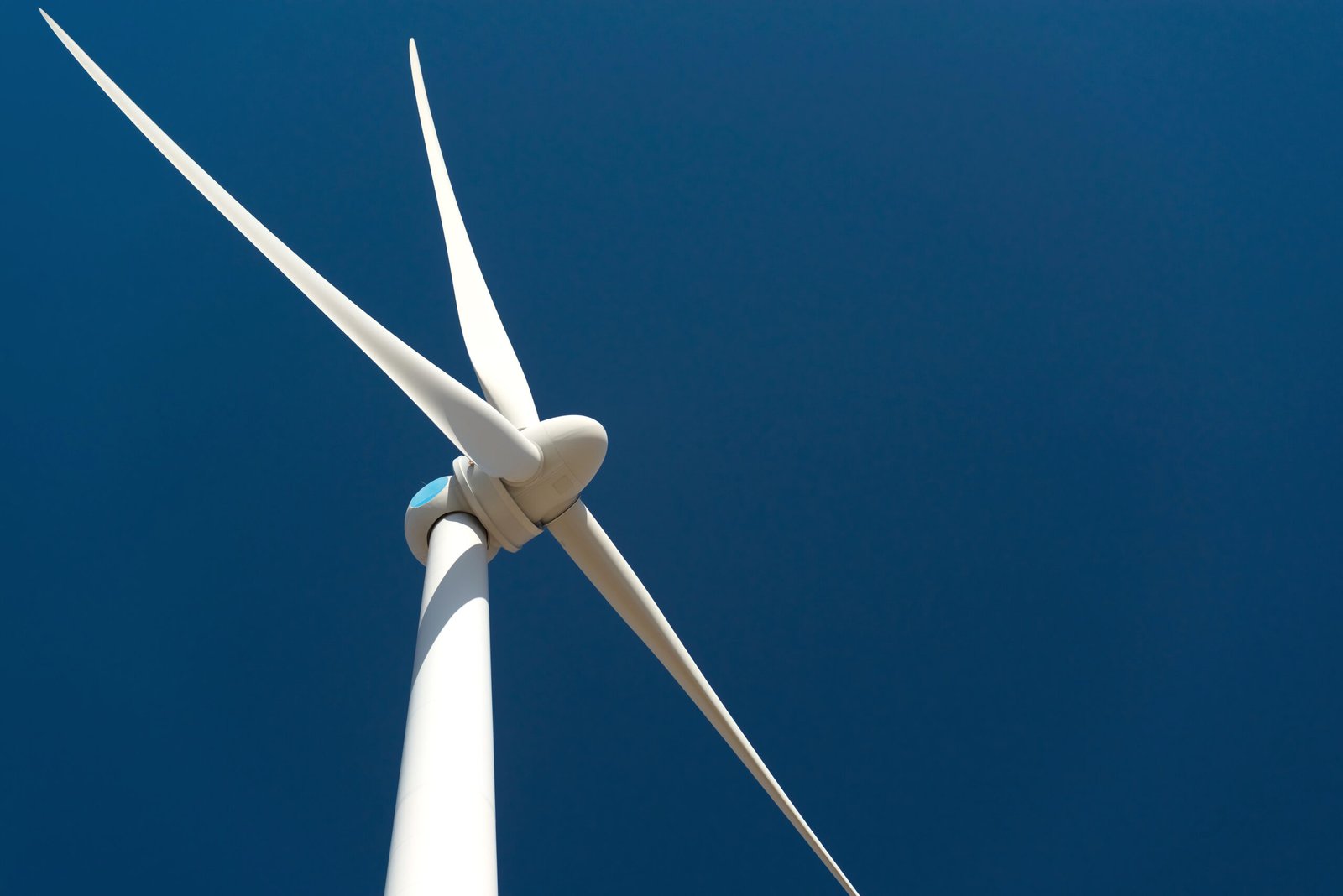
Wind turbines convert moving air into electricity.
Benefits:
- Clean electricity production
- Low operating costs
- Reduces fossil fuel dependence
Challenges:
- Wind availability varies
- Turbines require large spaces
Many countries are investing heavily in wind farms to meet sustainability goals.
3. Hydropower
Hydropower uses flowing water to generate electricity.
Benefits:
- Reliable renewable energy
- Low operational emissions
- Long-lasting infrastructure
Challenges:
- Dams may affect ecosystems
- High construction costs
Hydropower remains one of the largest renewable electricity sources globally.
4. Biomass Energy
Biomass energy comes from organic materials such as crop waste, wood, and animal waste.
Benefits:
- Uses agricultural waste efficiently
- Can reduce landfill waste
Challenges:
- Burning biomass may release emissions
- Requires sustainable management
Biomass is often used in rural areas and agricultural industries.
5. Geothermal Energy
Geothermal energy uses heat from beneath the Earth’s surface.
Benefits:
- Reliable and consistent
- Low emissions
- Small land footprint
Challenges:
- Limited to certain regions
- Expensive drilling operations
Geothermal systems are especially useful in volcanic regions.
Why Renewable Energy Matters
The transition toward renewable energy is essential for environmental and economic reasons.
Reducing Climate Change
Fossil fuels release greenhouse gases that trap heat in the atmosphere. Renewable energy produces little or no emissions, helping combat global warming.
Improving Air Quality
Clean energy reduces pollutants that cause respiratory diseases and environmental damage.
Energy Security
Renewable sources decrease dependence on imported fuels and improve national energy independence.
Job Creation
The renewable energy industry creates jobs in manufacturing, installation, maintenance, and research.
Energy Efficiency and Sustainable Living
Understanding energy and sources also means learning how to use energy wisely. Sustainable living is not only about producing clean energy but also reducing unnecessary consumption.
Simple Ways to Save Energy
- Use LED lighting
- Install energy-efficient appliances
- Turn off unused devices
- Improve home insulation
- Use public transport or electric vehicles
- Adopt solar-powered systems
These small actions can significantly reduce energy waste and lower utility costs.
The Role of Technology in Clean Energy
Technology is rapidly transforming the energy sector. Innovations are making renewable energy more affordable and efficient.
Smart Grids
Smart grids improve electricity distribution and reduce energy loss.
Battery Storage
Advanced batteries store solar and wind energy for later use, increasing reliability.
Electric Vehicles
Electric vehicles reduce dependence on gasoline and lower transportation emissions.
Artificial Intelligence
AI helps optimize energy production and consumption for greater efficiency.
Technological advancements are accelerating the global shift toward sustainable energy systems.
Challenges Facing Renewable Energy
Despite its advantages, renewable energy still faces several obstacles.
High Initial Costs
Installing renewable systems often requires significant upfront investment.
Infrastructure Limitations
Many regions need updated power grids to support renewable electricity.
Weather Dependence
Solar and wind energy depend on natural conditions, which can vary.
Storage Issues
Efficient large-scale energy storage remains a developing technology.
However, continuous innovation and government support are helping overcome these challenges.
The Future of Energy and Sources
The future of energy and sources is increasingly renewable. Governments, businesses, and individuals are investing in sustainable technologies to reduce emissions and create a greener future.
Countries worldwide are setting ambitious clean energy goals, including:
- Expanding solar and wind power
- Phasing out coal plants
- Promoting electric vehicles
- Improving energy efficiency standards
As renewable technologies become more affordable, clean energy adoption will continue to grow.
Conclusion
Understanding energy and sources is essential for building a sustainable future. While fossil fuels have powered human progress for centuries, their environmental impact has made renewable alternatives more important than ever.
Solar, wind, hydropower, biomass, and geothermal energy offer cleaner and more sustainable solutions for modern living. Combined with energy-efficient habits and technological innovation, renewable energy can reduce pollution, fight climate change, and improve quality of life.
The shift toward clean and renewable living is no longer just an option—it is a necessity for protecting the planet for future generations.