Energy Associations and Their Impact on Global Energy Development
sxThe global energy sector is undergoing a significant transformation as countries seek sustainable, reliable, and affordable energy solutions. In this evolving landscape, energy associations play a crucial role in shaping policies, promoting innovation, and fostering collaboration among governments, businesses, and stakeholders. These organizations serve as a bridge between industry participants and policymakers, helping drive advancements that support economic growth and environmental sustainability.
As the demand for clean energy continues to rise, energy associations have become increasingly important in influencing global energy development. Their efforts contribute to technological progress, regulatory improvements, and the adoption of renewable energy sources worldwide.
What Are Energy Associations?
Energy associations are organizations that represent companies, professionals, researchers, and stakeholders involved in the energy sector. They work to promote the interests of their members while supporting the growth and development of the energy industry.
These associations can focus on various segments of the energy market, including:
- Renewable energy
- Oil and gas
- Nuclear energy
- Hydropower
- Wind energy
- Solar energy
- Energy efficiency
- Electricity generation and distribution
By bringing together industry experts and decision-makers, energy associations create opportunities for knowledge sharing, collaboration, and strategic planning.
The Role of Energy Associations in Policy Development
One of the most significant contributions of energy associations is their involvement in energy policy development. Governments often rely on industry expertise when designing regulations and energy strategies. Energy associations provide valuable insights based on market trends, technological advancements, and operational challenges.
Through research reports, policy recommendations, and stakeholder engagement, these organizations help create regulations that encourage investment while ensuring energy security and environmental protection.
For example, many energy associations advocate for policies that support renewable energy adoption, carbon reduction targets, and infrastructure modernization. Their expertise helps governments balance economic growth with sustainability goals.
Supporting Renewable Energy Expansion
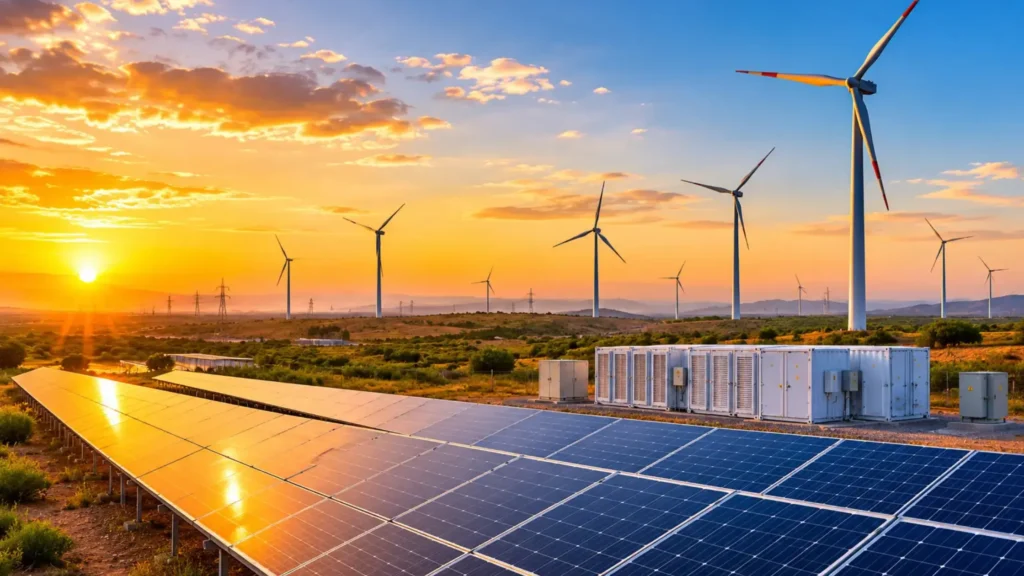
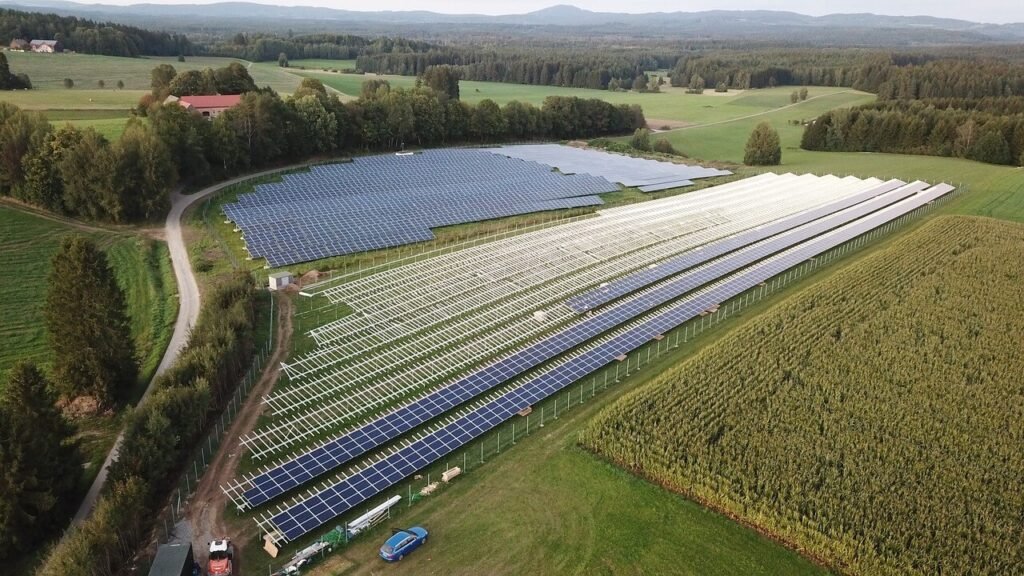
The transition toward cleaner energy sources is a global priority. Energy associations play a key role in accelerating this transition by promoting renewable energy technologies and encouraging investment in sustainable projects.
Many associations organize conferences, workshops, and educational programs that highlight the benefits of solar, wind, hydroelectric, and geothermal energy. These initiatives help businesses and governments understand emerging technologies and identify opportunities for implementation.
Energy associations also advocate for incentives such as tax credits, grants, and favorable regulations that make renewable energy projects more financially viable. Their efforts contribute to increased adoption of clean energy solutions across the world.
Encouraging Innovation and Research
Innovation is essential for meeting future energy demands while reducing environmental impact. Energy associations support research and development by connecting industry leaders, academic institutions, and technology providers.
These organizations often fund research projects, publish technical studies, and facilitate collaboration among experts. By sharing knowledge and best practices, they help accelerate the development of advanced energy technologies.
Areas of innovation supported by energy associations include:
- Energy storage systems
- Smart grids
- Hydrogen energy
- Carbon capture technologies
- Electric vehicle infrastructure
- Energy efficiency solutions
Such advancements are critical for creating a more resilient and sustainable global energy system.
Promoting Industry Standards and Best Practices
Consistency and safety are fundamental to the energy sector. Energy associations help establish industry standards that improve operational efficiency, safety, and environmental performance.
By developing guidelines and certification programs, these organizations ensure that companies follow best practices in energy production, transmission, and consumption. Standardization also helps facilitate international trade and cooperation by creating common frameworks for energy projects.
In addition, energy associations provide training programs that enhance workforce skills and prepare professionals for emerging technologies and industry requirements.
Facilitating International Collaboration
Global energy challenges require international cooperation. Energy associations serve as platforms where stakeholders from different countries can collaborate on shared objectives.
Through global forums and partnerships, these organizations encourage the exchange of ideas, technologies, and expertise. They help countries learn from one another’s successes and challenges in areas such as renewable energy deployment, grid modernization, and emissions reduction.
International collaboration supported by energy associations can lead to:
- Cross-border energy projects
- Technology transfer initiatives
- Joint research programs
- Harmonized energy policies
- Improved energy security
Such cooperation strengthens global efforts to build a sustainable energy future.
Enhancing Energy Security
Energy security remains a major concern for governments worldwide. Reliable access to energy is essential for economic stability, industrial growth, and public well-being.
Energy associations contribute to energy security by promoting diversification of energy sources, infrastructure investment, and risk management strategies. They help identify vulnerabilities within energy systems and recommend solutions to improve resilience.
For example, many associations support the integration of renewable energy sources alongside traditional energy systems. This diversified approach reduces dependence on a single energy source and improves overall reliability.
Driving Economic Growth
The energy sector is a significant contributor to global economic development. Energy associations support growth by creating opportunities for investment, job creation, and technological advancement.
By advocating for favorable business environments, these organizations encourage companies to invest in energy infrastructure and innovation. Their activities help stimulate economic activity across multiple industries, including manufacturing, construction, transportation, and technology.
Furthermore, energy associations often provide networking opportunities that connect investors, entrepreneurs, and industry leaders, leading to new partnerships and business opportunities.
Addressing Environmental Challenges
Climate change and environmental sustainability are among the most pressing issues facing the world today. Energy associations are increasingly focused on helping the industry reduce its environmental impact.
Many organizations promote clean energy solutions, emissions reduction strategies, and sustainable resource management practices. They also support research into technologies that can minimize greenhouse gas emissions while maintaining reliable energy supplies.
By encouraging environmentally responsible practices, energy associations help industries meet regulatory requirements and contribute to global climate goals.
Challenges Facing Energy Associations
Despite their significant contributions, energy associations face several challenges. Rapid technological changes, shifting regulatory environments, and geopolitical uncertainties require continuous adaptation.
Some key challenges include:
- Balancing diverse member interests
- Addressing evolving climate policies
- Managing energy transition complexities
- Securing funding for research initiatives
- Navigating global market fluctuations
To remain effective, energy associations must continue evolving and developing innovative approaches to industry collaboration and advocacy.
The Future of Energy Associations
The future of energy associations will be closely tied to the global energy transition. As countries work toward net-zero emissions and greater sustainability, these organizations will play an even more influential role.
Emerging technologies such as artificial intelligence, advanced energy storage, smart grids, and green hydrogen will create new opportunities for collaboration and innovation. Energy associations will help guide the adoption of these technologies while ensuring that industry standards and policies evolve accordingly.
Their ability to unite stakeholders, promote knowledge sharing, and support sustainable development will remain essential in addressing future energy challenges.
Conclusion
Energy associations are vital contributors to global energy development. Through policy advocacy, research support, industry standardization, and international collaboration, they help shape the future of the energy sector. Their efforts promote innovation, strengthen energy security, encourage renewable energy adoption, and support economic growth.
As the world continues its transition toward cleaner and more sustainable energy systems, the role of energy associations will become increasingly important. By fostering cooperation among governments, businesses, and researchers, these organizations help create a more resilient, efficient, and environmentally responsible global energy landscape.