How Geothermal Heat and Air Technology Reduces Heating and Cooling Costs
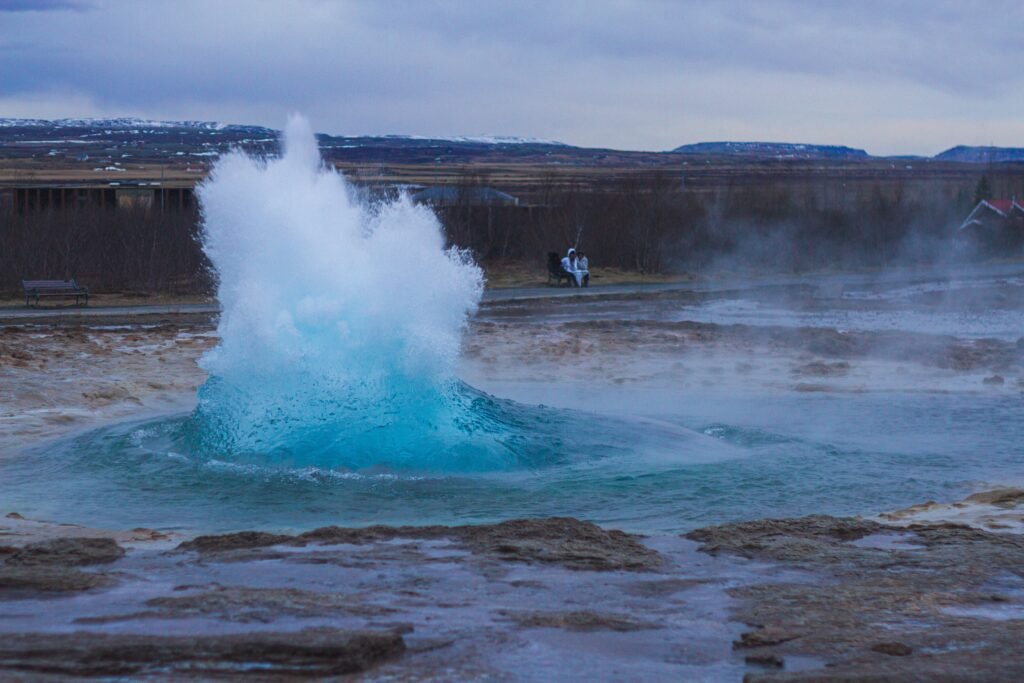
As energy prices continue to rise, homeowners and businesses are searching for efficient ways to reduce utility bills without sacrificing comfort. One of the most effective and sustainable solutions available today is geothermal heat and air technology. By using the stable temperatures beneath the earth’s surface, geothermal systems provide reliable heating and cooling while significantly lowering energy consumption.
Unlike traditional HVAC systems that rely on outdoor air temperatures, geothermal systems use the earth’s natural heat to maintain comfortable indoor conditions year-round. This innovative technology offers long-term savings, environmental benefits, and improved efficiency, making it an increasingly popular choice for residential and commercial properties.
What Is Geothermal Heat and Air?
Geothermal heat and air systems use underground pipes, known as ground loops, to transfer heat between a building and the earth. The temperature below the ground remains relatively constant throughout the year, usually between 45°F and 75°F depending on location.
During winter, the system extracts heat from the ground and transfers it indoors. In summer, the process reverses, removing heat from the building and transferring it back into the earth. This efficient heat exchange process allows geothermal systems to provide both heating and cooling from a single system.
A typical geothermal setup includes:
- Ground loop system
- Heat pump unit
- Air distribution system
- Thermostat and controls
Together, these components create an energy-efficient alternative to traditional furnaces and air conditioners.
Why Geothermal Systems Are More Efficient
Traditional HVAC systems must work harder during extreme weather conditions because they depend on outdoor air temperatures. In contrast, geothermal heat and air systems take advantage of the earth’s stable underground temperatures.
Because the temperature underground remains relatively consistent, geothermal heat pumps require less energy to heat or cool a building. This results in efficiency ratings that are significantly higher than conventional systems.
Many geothermal heat pumps can deliver three to five units of heating or cooling energy for every unit of electricity they consume. This remarkable efficiency helps property owners reduce energy use while maintaining indoor comfort throughout the year.
Significant Reduction in Heating Costs
One of the primary benefits of geothermal heat and air technology is its ability to reduce heating expenses. Traditional heating systems often rely on natural gas, propane, heating oil, or electric resistance heating, all of which can become expensive during colder months.
Geothermal systems use renewable energy stored in the earth, dramatically reducing the amount of electricity required to generate heat. As a result, homeowners can often save between 30% and 70% on heating costs compared to conventional systems.
These savings become even more noticeable in regions with long winters, where heating demands remain high for extended periods.
Lower Cooling Expenses During Summer
Cooling costs can also place a significant burden on household and business budgets. Air conditioners consume large amounts of electricity, especially during hot summer months.
With geothermal heat and air technology, cooling becomes much more efficient. Instead of generating cool air from scratch, the system transfers unwanted heat from the building into the cooler ground below.
This process requires less energy than traditional air conditioning systems, often reducing cooling costs by 20% to 50%. Additionally, geothermal cooling systems provide consistent indoor temperatures without the fluctuations often experienced with standard HVAC units.
Long-Term Financial Savings
Although the initial installation cost of a geothermal system may be higher than that of a conventional HVAC system, the long-term savings can be substantial.
Property owners benefit from:
- Lower monthly utility bills
- Reduced maintenance costs
- Longer equipment lifespan
- Potential tax incentives and rebates
Most geothermal heat pumps can last 20 to 25 years, while underground loop systems may function efficiently for 50 years or more. Because of their durability and efficiency, many homeowners recover their installation investment through energy savings over time.
When viewed as a long-term investment, geothermal heat and air systems often provide an excellent return on investment.
Reduced Maintenance Requirements
Another factor contributing to cost savings is reduced maintenance. Traditional HVAC systems are exposed to outdoor weather conditions, which can lead to wear and tear on external components.
Geothermal systems have fewer exposed parts and are protected from harsh environmental conditions. This design reduces the likelihood of breakdowns and extends equipment life.
Routine maintenance generally includes:
- Filter replacement
- System inspections
- Ground loop monitoring
- Heat pump servicing
Because the equipment operates under stable conditions, maintenance costs are typically lower than those associated with conventional heating and cooling systems.
Environmental Benefits of Geothermal Technology
In addition to reducing utility expenses, geothermal heat and air systems help decrease environmental impact.
Since geothermal systems use renewable energy from the earth, they produce fewer greenhouse gas emissions than fossil-fuel-based heating systems. Reduced electricity consumption also lowers the demand placed on power plants.
Environmental advantages include:
- Lower carbon emissions
- Reduced fossil fuel dependence
- Improved energy efficiency
- Sustainable energy usage
For environmentally conscious homeowners and businesses, geothermal technology offers a practical way to support sustainability goals while saving money.
Improved Indoor Comfort
Cost savings are important, but comfort remains a major consideration when choosing a heating and cooling system.
Geothermal systems provide consistent temperatures throughout the building, eliminating many of the hot and cold spots common with traditional HVAC equipment. They also operate quietly, creating a more comfortable indoor environment.
Additional comfort benefits include:
- Better humidity control
- Improved air quality
- Consistent airflow
- Quiet operation
These features make geothermal heat and air systems attractive for homes, offices, schools, and commercial buildings.
Applications for Residential and Commercial Properties
Geothermal technology is versatile and can be installed in various property types.
Residential applications include:
- Single-family homes
- Multi-family housing
- New construction projects
- Existing home upgrades
Commercial applications include:
- Office buildings
- Schools
- Hospitals
- Retail centers
- Government facilities
As awareness of energy efficiency continues to grow, more property owners are recognizing the value of geothermal systems for both cost reduction and sustainability.
Is Geothermal Heat and Air Right for You?
While geothermal systems offer numerous advantages, several factors should be considered before installation.
These include:
- Property size
- Available land area
- Soil conditions
- Climate
- Installation budget
A professional geothermal contractor can evaluate the site and determine the most suitable system design. Many regions also offer incentives, rebates, and tax credits that can help offset installation costs.
Conclusion
The growing demand for energy-efficient solutions has made geothermal heat and air technology one of the most effective alternatives to traditional heating and cooling systems. By utilizing the stable temperatures beneath the earth’s surface, geothermal systems provide exceptional efficiency, lower utility bills, and reliable year-round comfort.
From reducing heating and cooling expenses to minimizing environmental impact, geothermal technology offers benefits that extend far beyond simple energy savings. Although the initial investment may be higher, the long-term financial and environmental advantages make geothermal systems a smart choice for homeowners and businesses seeking sustainable comfort.
As energy costs continue to rise, investing in geothermal heat and air technology can provide lasting savings, increased property value, and a cleaner future for generations to come.