Green Energy in India Government Policies and Market Impact
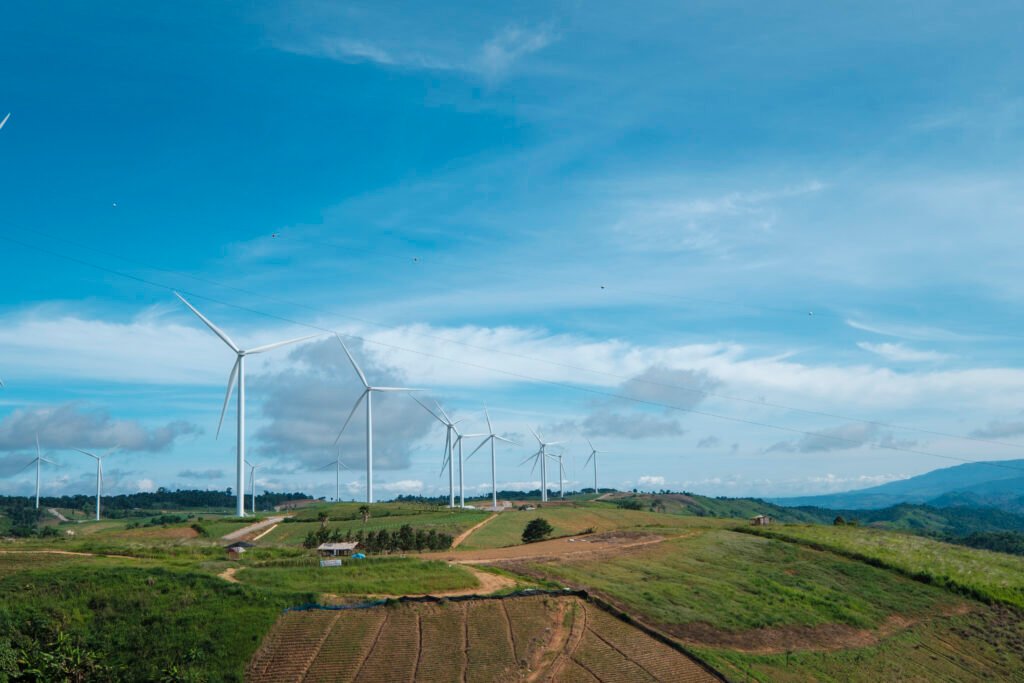
Green energy in India has become a cornerstone of the nation’s economic and environmental strategy. As one of the fastest-growing economies in the world, India faces the dual challenge of meeting rising energy demands while reducing carbon emissions. Over the past decade, the government has introduced ambitious policies and incentives to accelerate the adoption of renewable energy sources such as solar, wind, hydro, and bioenergy. These initiatives are not only reshaping the country’s energy landscape but also creating significant opportunities in the market.
The Rise of Green Energy in India
Green energy in India has witnessed remarkable growth, driven by increasing awareness about climate change and the need for sustainable development. India is now among the top countries globally in renewable energy capacity, with solar and wind energy leading the transition.
The shift toward green energy is not just an environmental necessity but also an economic opportunity. With declining costs of renewable technologies and increased investment from both domestic and international players, India is moving steadily toward a cleaner energy mix.
Key Government Policies Driving Green Energy
The rapid expansion of green energy in India is largely fueled by proactive government policies. These initiatives aim to promote renewable energy adoption, attract investment, and reduce dependence on fossil fuels.
1. National Solar Mission
The National Solar Mission is one of the most significant initiatives aimed at promoting solar energy. It focuses on increasing solar power capacity through large-scale solar parks, rooftop solar systems, and off-grid solutions. The mission has played a crucial role in making solar energy more affordable and accessible across the country.
2. Renewable Purchase Obligations (RPO)
Renewable Purchase Obligations require electricity distribution companies and large consumers to source a certain percentage of their power from renewable sources. This policy ensures a steady demand for green energy in India and encourages utilities to invest in renewable projects.
3. Production-Linked Incentive (PLI) Scheme
The PLI scheme supports domestic manufacturing of solar panels and other renewable energy components. By boosting local production, the government aims to reduce import dependency and strengthen India’s position in the global renewable energy supply chain.
4. Green Energy Corridor Project
The Green Energy Corridor project focuses on improving transmission infrastructure to efficiently integrate renewable energy into the grid. This initiative addresses one of the major challenges of green energy in India—ensuring reliable power distribution from renewable sources.
5. Net Metering Policies
Net metering allows consumers to generate their own electricity using rooftop solar systems and feed excess power back into the grid. This policy has significantly encouraged residential and commercial adoption of solar energy, making green energy more decentralized.
Market Impact of Green Energy in India
The expansion of green energy in India has had a profound impact on various sectors of the economy.
1. Growth of Renewable Energy Investments
India has become a major destination for renewable energy investments. Both public and private sector players are actively investing in solar and wind projects. Foreign direct investment (FDI) in the renewable sector has also increased significantly, driven by favorable policies and long-term growth prospects.
2. Job Creation and Economic Growth
The green energy sector has emerged as a major source of employment. From manufacturing and installation to maintenance and research, renewable energy projects are creating jobs across multiple skill levels. This contributes to economic growth while supporting sustainable development goals.
3. Declining Cost of Renewable Energy
Technological advancements and economies of scale have led to a significant reduction in the cost of renewable energy. Solar and wind power are now among the cheapest sources of electricity in India, making green energy a viable alternative to traditional fossil fuels.
4. Boost to Domestic Manufacturing
Government initiatives like the PLI scheme have encouraged the growth of domestic manufacturing in the renewable sector. This not only reduces reliance on imports but also strengthens the overall industrial ecosystem.
5. Increased Energy Access
Green energy in India is playing a crucial role in improving energy access, especially in rural and remote areas. Off-grid solar solutions and mini-grids are providing electricity to communities that were previously underserved.
Challenges Facing Green Energy in India
Despite the progress, there are several challenges that need to be addressed to fully realize the potential of green energy in India.
1. Infrastructure Limitations
The integration of renewable energy into the grid requires robust infrastructure. Inadequate transmission capacity and grid instability can hinder the growth of renewable energy projects.
2. Policy Implementation Gaps
While the government has introduced several policies, inconsistent implementation across states can create uncertainties for investors and developers.
3. Land Acquisition Issues
Large-scale renewable projects often require significant land, which can lead to challenges related to land acquisition and environmental clearances.
4. Financial Constraints
Access to affordable financing remains a challenge for smaller developers. High upfront costs can also deter adoption among residential consumers.
Future Outlook for Green Energy in India
The future of green energy in India looks promising. The government has set ambitious targets to achieve a significant share of renewable energy in the overall energy mix. Emerging technologies such as energy storage, green hydrogen, and smart grids are expected to play a key role in the next phase of growth.
Private sector participation, coupled with continued policy support, will be crucial in achieving these goals. As the global focus on sustainability intensifies, India is well-positioned to become a leader in renewable energy.
Conclusion
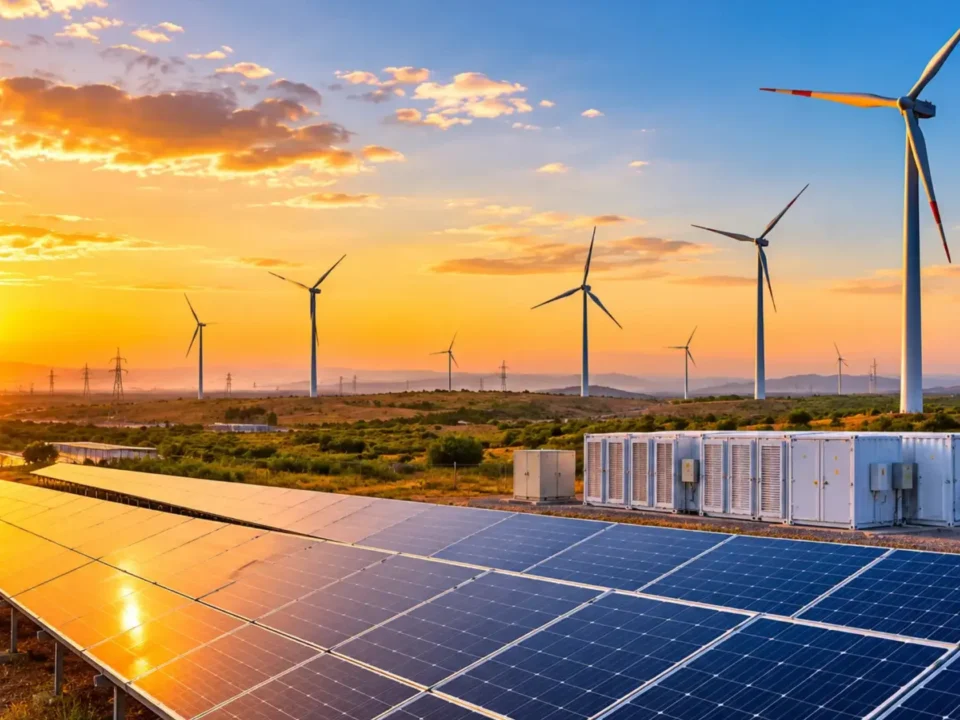
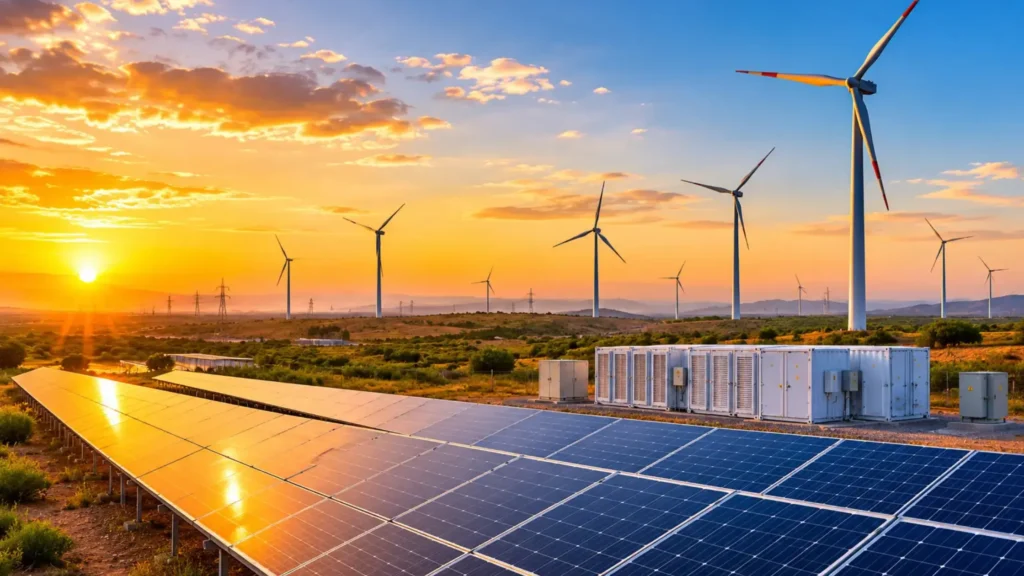
Green energy in India is transforming the country’s energy landscape through strong government policies and growing market opportunities. From solar parks to wind farms and rooftop installations, renewable energy is becoming an integral part of India’s development strategy.
While challenges remain, the combined efforts of the government, industry, and consumers are driving a steady transition toward a cleaner and more sustainable future. As investments continue to rise and technologies evolve, green energy in India will play a pivotal role in shaping the nation’s economic growth and environmental sustainability in the years to come.