Practical Uses of Windmill for Reducing Energy Costs and Emissions
As energy prices continue to rise and environmental concerns become more important, many businesses, farms, and homeowners are looking for cleaner and more affordable power solutions. One technology that has remained highly effective for decades is the windmill. Today, the uses of windmill extend far beyond traditional farming applications. Modern windmills play a major role in generating renewable energy, reducing electricity expenses, and lowering carbon emissions.
Understanding the practical uses of windmill can help individuals and organizations make smarter energy decisions while contributing to a more sustainable future.
Understanding How Windmills Work
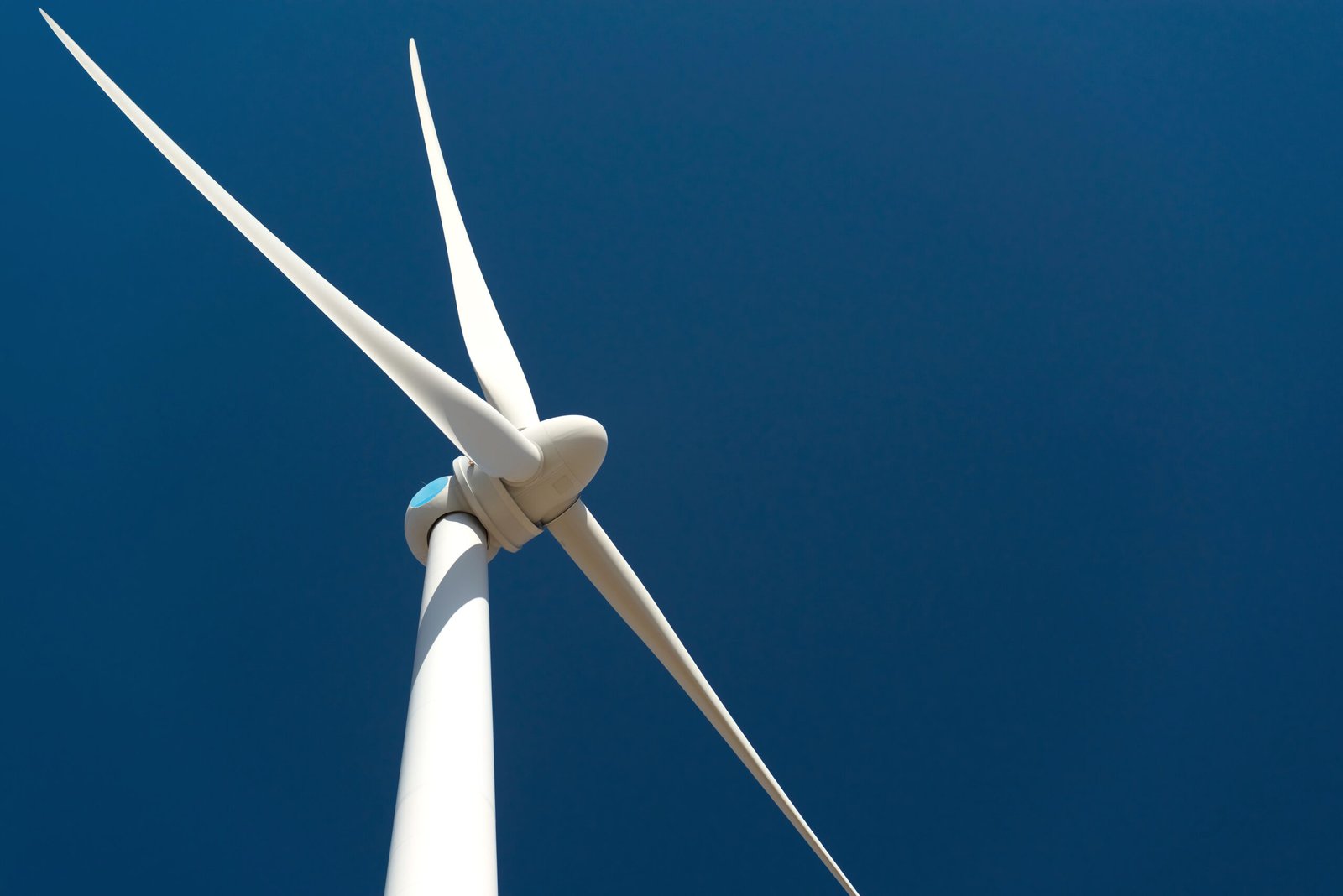
A windmill converts the kinetic energy from moving air into useful mechanical or electrical energy. Traditional windmills were designed mainly for mechanical work such as grinding grain or pumping water. Modern wind turbines, however, generate electricity using rotating blades connected to generators.
As wind rotates the blades, energy is captured and transformed into usable power. This renewable process requires no fuel consumption, making wind energy one of the cleanest power sources available today.
Uses of Windmill in Electricity Generation
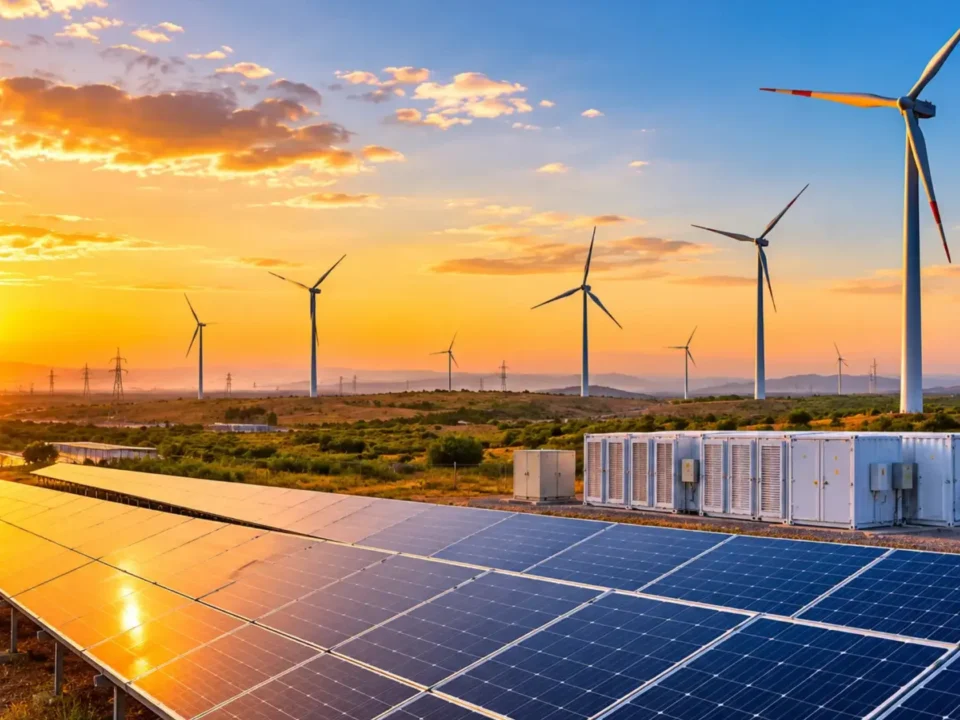
One of the most important uses of windmill is electricity generation. Wind turbines installed on farms, commercial properties, and residential land can produce significant amounts of power.
Small windmills can provide electricity for homes and remote properties, while large wind farms generate power for thousands of households. Since wind is free, operating costs remain relatively low after installation.
Electricity generated from windmills can be used directly or stored in batteries for future use, creating greater energy independence.
Reducing Residential Energy Costs
Homeowners are increasingly exploring the uses of windmill as a way to reduce electricity expenses. Small-scale wind systems can power lighting, appliances, heating systems, and other household equipment.
Installing a windmill system allows homeowners to:
- Reduce monthly electricity bills
- Lower dependence on grid power
- Increase energy security during outages
- Produce clean energy for daily consumption
Over time, the savings generated by reduced utility bills can help offset installation costs.
Agricultural Applications of Windmills
Agriculture remains one of the oldest and most practical areas for the uses of windmill. Farmers use windmills for multiple tasks that reduce operational expenses and improve productivity.
Common agricultural applications include:
Water Pumping
Wind-powered water pumps help move groundwater for irrigation and livestock. In remote agricultural areas where electricity access is limited, windmills provide a cost-effective solution.
Irrigation Support
Large farms require constant water supply systems. Wind-powered pumping systems can reduce energy consumption while supporting sustainable farming practices.
Livestock Operations
Windmills provide energy for lighting, fencing systems, and water distribution across large agricultural properties.
These practical applications make wind energy particularly valuable in rural environments.
Industrial Uses of Windmill
Industrial facilities consume significant amounts of energy. Many businesses are exploring the uses of windmill to lower operational costs and achieve sustainability goals.
Industrial wind systems can:
- Offset manufacturing energy consumption
- Support warehouse operations
- Reduce dependence on fossil fuels
- Improve long-term energy stability
Businesses investing in renewable technologies often experience reduced exposure to fluctuating energy prices.
Supporting Remote and Off-Grid Locations
Remote communities often struggle with reliable electricity access. One of the most valuable uses of windmill involves powering locations that lack traditional infrastructure.
Windmills can support:
- Rural homes
- Remote telecommunications towers
- Research stations
- Small island communities
- Emergency power systems
By generating local electricity, remote areas reduce dependence on expensive fuel transportation and diesel generators.
Environmental Benefits and Emission Reduction
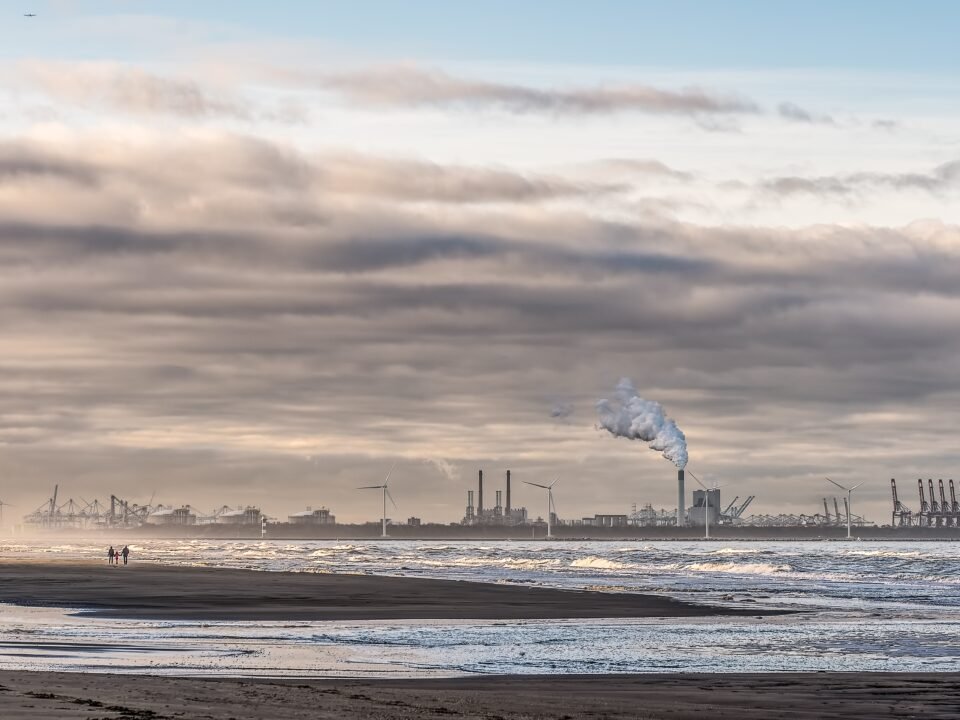
Reducing carbon emissions is one of the biggest reasons organizations invest in renewable technologies. The uses of windmill directly contribute to cleaner energy production because wind power generates electricity without burning fossil fuels.
Major environmental benefits include:
Lower Carbon Emissions
Wind-generated electricity produces minimal greenhouse gases during operation.
Reduced Air Pollution
Unlike coal or gas power plants, wind systems produce no harmful combustion emissions.
Lower Water Consumption
Traditional power plants require large amounts of water for cooling processes. Wind systems operate with minimal water requirements.
These advantages make wind energy an important tool in global climate strategies.
Windmills for Community Energy Projects
Many local communities are investing in shared renewable projects. Community wind systems allow multiple users to benefit from a single installation.
Community-based uses of windmill include:
- Shared electricity generation
- Public infrastructure support
- Community-owned energy cooperatives
- Rural development programs
These projects create local jobs while increasing access to renewable energy.
Economic Advantages of Wind Energy
Although initial installation costs can be significant, long-term financial benefits often make wind projects economically attractive.
Financial advantages include:
Lower Operating Costs
Wind energy systems require no fuel purchases, reducing ongoing expenses.
Predictable Energy Pricing
Wind-generated electricity helps protect users from rising utility costs.
Potential Revenue Opportunities
Excess electricity production can sometimes be sold back to energy providers depending on local regulations.
These economic benefits explain why businesses and homeowners continue expanding their investment in renewable technologies.
Challenges to Consider
While there are many uses of windmill, proper planning remains essential.
Some challenges include:
- Initial installation expenses
- Variable wind availability
- Land requirements
- Maintenance needs
- Local permitting requirements
Careful site assessment helps determine whether wind energy is practical for a specific location.
The Future of Windmill Technology
Wind technology continues evolving rapidly. Improvements in blade design, storage systems, and efficiency are making modern windmills more productive and affordable.
Future developments may include:
- Higher efficiency turbines
- Better battery integration
- Smarter grid connectivity
- Smaller systems for residential use
- Enhanced offshore wind projects
As technology improves, the uses of windmill will continue expanding across residential, agricultural, and industrial sectors.
Conclusion
The practical uses of windmill extend far beyond traditional images of old rural machinery. Modern wind systems provide affordable electricity, reduce emissions, support agriculture, and help businesses control energy costs.
As demand for sustainable energy solutions grows, windmills offer a proven method for generating cleaner power while creating long-term financial benefits. Whether for homes, farms, industries, or communities, wind energy remains one of the most practical renewable resources available today.
Understanding the uses of windmill allows individuals and organizations to make informed decisions that support both economic savings and environmental responsibility.