Sustainable Energy Management Best Practices for Homes and Industries
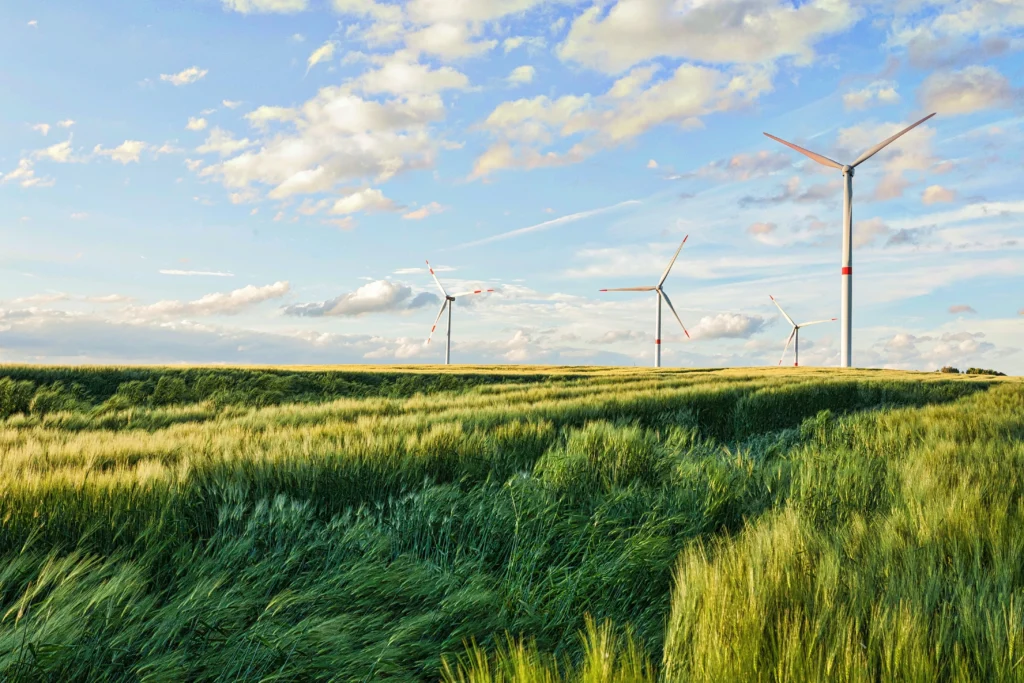
In today’s rapidly evolving world, sustainable energy management has become more than just a trend—it is a necessity. Rising energy costs, environmental concerns, and the urgent need to reduce carbon emissions have pushed both homeowners and industries to adopt smarter, more efficient energy practices. By optimizing energy consumption and integrating renewable sources, sustainable energy management not only lowers costs but also contributes to a greener future.
This blog explores the best practices for implementing sustainable energy management in homes and industries, along with practical strategies that can make a real difference.
What is Sustainable Energy Management?
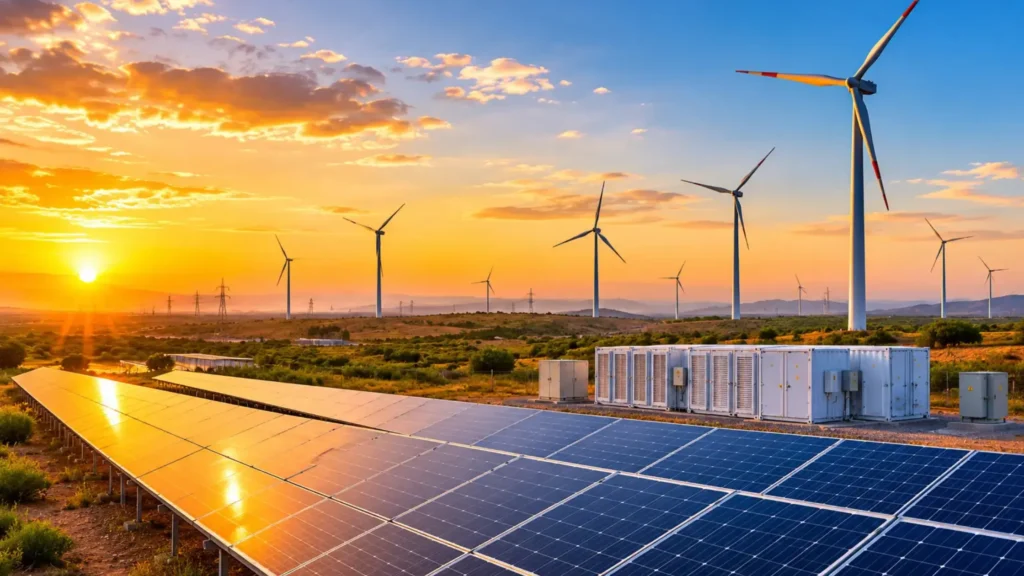
Sustainable energy management refers to the systematic monitoring, controlling, and conserving of energy in a building or organization. It focuses on improving energy efficiency, reducing waste, and incorporating renewable energy sources like solar and wind power.
Organizations such as the International Energy Agency emphasize that efficient energy management is one of the most cost-effective ways to combat climate change while maintaining economic growth.
Importance of Sustainable Energy Management
Before diving into best practices, it’s essential to understand why sustainable energy management matters:
- Cost Savings: Reduced energy bills through efficient usage
- Environmental Protection: Lower greenhouse gas emissions
- Energy Security: Reduced dependence on fossil fuels
- Regulatory Compliance: Meeting government energy standards
- Enhanced Property Value: Energy-efficient buildings attract higher market value
Best Practices for Sustainable Energy Management in Homes
1. Conduct an Energy Audit
An energy audit helps identify areas where energy is being wasted. Homeowners can either perform a basic audit themselves or hire professionals to assess insulation, appliances, and energy usage patterns.
2. Switch to Energy-Efficient Appliances
Replacing old appliances with energy-efficient models can significantly reduce electricity consumption. Look for appliances with high energy ratings to maximize savings.
3. Adopt Smart Home Technologies
Smart thermostats, lighting systems, and energy monitors allow homeowners to control and optimize energy usage in real time. These technologies can automatically adjust settings based on occupancy and usage patterns.
4. Improve Insulation and Ventilation
Proper insulation reduces the need for excessive heating and cooling. Sealing leaks in doors and windows ensures that energy is not wasted.
5. Install Renewable Energy Systems
Solar panels are one of the most popular options for sustainable energy management in homes. Countries like India are rapidly promoting rooftop solar installations through subsidies and incentives.
6. Practice Energy-Conscious Habits
Simple habits like turning off lights when not in use, unplugging devices, and using natural lighting can collectively make a significant impact.
Best Practices for Sustainable Energy Management in Industries
Industries consume a substantial portion of global energy, making sustainable energy management crucial at a larger scale.
1. Implement Energy Management Systems (EMS)
An Energy Management System helps industries track, analyze, and optimize energy usage. These systems provide real-time insights and enable data-driven decisions.
2. Upgrade to Energy-Efficient Machinery
Outdated machinery often consumes more energy and delivers lower productivity. Investing in modern, energy-efficient equipment improves both performance and sustainability.
3. Utilize Waste Heat Recovery
Many industrial processes generate excess heat, which often goes unused. Waste heat recovery systems capture and reuse this energy, improving overall efficiency.
4. Shift to Renewable Energy Sources
Industries can significantly reduce their carbon footprint by integrating renewable energy sources such as solar, wind, or biomass into their operations.
5. Optimize Lighting Systems
Switching to LED lighting and installing motion sensors in industrial facilities can drastically cut energy consumption.
6. Employee Training and Awareness
Energy efficiency is not just about technology—it also involves people. Training employees to follow energy-saving practices can lead to substantial long-term benefits.
Role of Technology in Sustainable Energy Management
Technology plays a critical role in advancing sustainable energy management practices.
- IoT (Internet of Things): Enables real-time monitoring of energy usage
- Artificial Intelligence: Predicts energy demand and optimizes consumption
- Big Data Analytics: Provides insights for better decision-making
- Automation Systems: Reduce human error and improve efficiency
These innovations help both homes and industries transition toward smarter energy systems.
Government Policies and Support
Governments around the world are actively promoting sustainable energy management through policies, incentives, and regulations. In India, initiatives like rooftop solar schemes, energy efficiency labeling, and smart grid development are encouraging adoption at all levels.
Programs supported by the Bureau of Energy Efficiency play a key role in spreading awareness and setting standards for energy efficiency.
Challenges in Implementing Sustainable Energy Management
While the benefits are clear, there are certain challenges:
- High Initial Investment: Renewable systems and efficient technologies require upfront costs
- Lack of Awareness: Many individuals and businesses are unaware of energy-saving opportunities
- Technical Complexity: Implementation of advanced systems may require expertise
- Maintenance Costs: Some systems require ongoing maintenance
However, these challenges are gradually being overcome through technological advancements and government support.
Future of Sustainable Energy Management
The future of sustainable energy management looks promising. With increasing global focus on climate change, the adoption of renewable energy and efficient systems is expected to grow rapidly.
Emerging trends include:
- Smart grids and decentralized energy systems
- Increased use of battery storage solutions
- Integration of electric vehicles with energy systems
- Net-zero energy buildings
As these innovations evolve, sustainable energy management will become more accessible and efficient for both homes and industries.
Conclusion
Sustainable energy management is no longer optional—it is essential for a sustainable future. By adopting best practices such as energy audits, efficient appliances, renewable energy integration, and advanced technologies, both homeowners and industries can significantly reduce their energy consumption and environmental impact.
While challenges exist, the long-term benefits of cost savings, environmental protection, and energy security far outweigh the initial hurdles. With continued support from governments, organizations, and technological advancements, sustainable energy management will play a vital role in shaping a cleaner and more energy-efficient world.
Now is the right time to embrace sustainable energy management and take meaningful steps toward a greener future.