Siemens Gamesa and the Future of Wind Energy
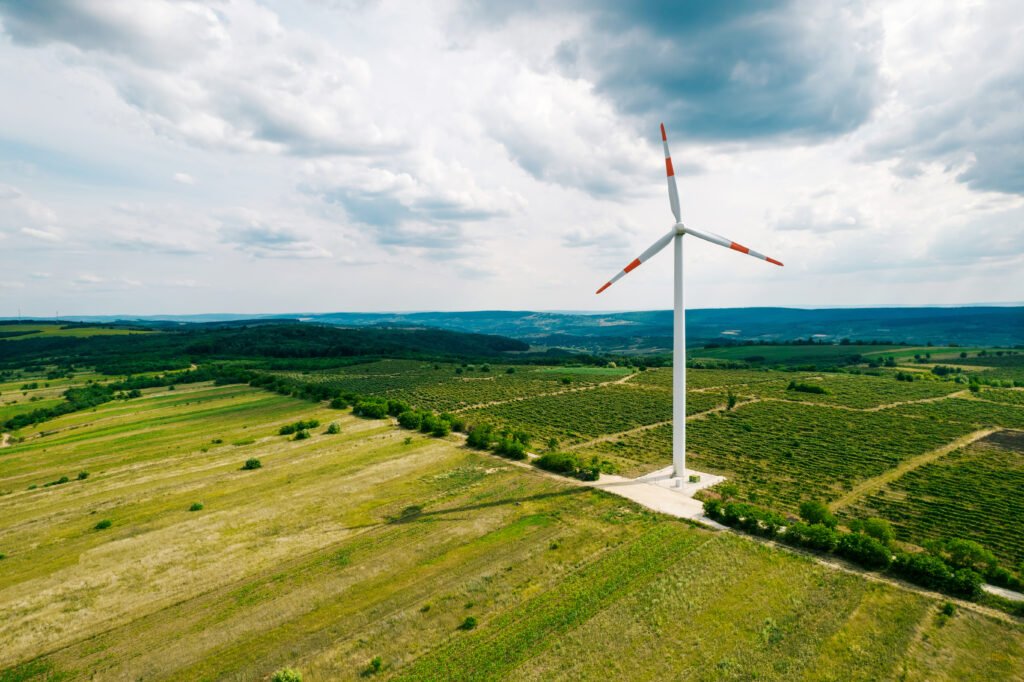
Wind energy has become one of the most important sources of renewable electricity in the global transition toward a cleaner energy system. As countries seek to reduce carbon emissions, improve energy security, and increase the share of renewable power, wind farms are expanding across both land and sea. At the center of this transformation are companies developing advanced turbines, digital technologies, and large-scale wind power solutions. Siemens Gamesa is one of the prominent names contributing to this rapidly changing industry.
With expertise in onshore and offshore wind technology, Siemens Gamesa has played an important role in advancing turbine design, efficiency, reliability, and renewable energy integration. Its technologies demonstrate how modern wind power can become a major part of the future electricity mix.
What Is Siemens Gamesa?
Siemens Gamesa is a global wind energy company formed through the combination of Siemens Wind Power and Gamesa. The company has developed wind turbines and renewable energy solutions for projects around the world. Its activities have included onshore wind, offshore wind, and associated services designed to support the long-term performance of wind farms.
The company operates within the broader Siemens Energy organization and focuses specifically on wind energy technology. Its experience across different markets has helped it develop solutions for a wide range of environmental and operating conditions.
The growth of Siemens Gamesa reflects the increasing importance of specialized renewable energy companies in supporting the global transition from fossil fuels to cleaner sources of electricity.
The Role of Siemens Gamesa in Wind Energy
Modern wind energy is much more than installing turbines in windy locations. Developers and manufacturers must consider turbine size, wind conditions, grid requirements, maintenance, environmental factors, and the cost of producing electricity.
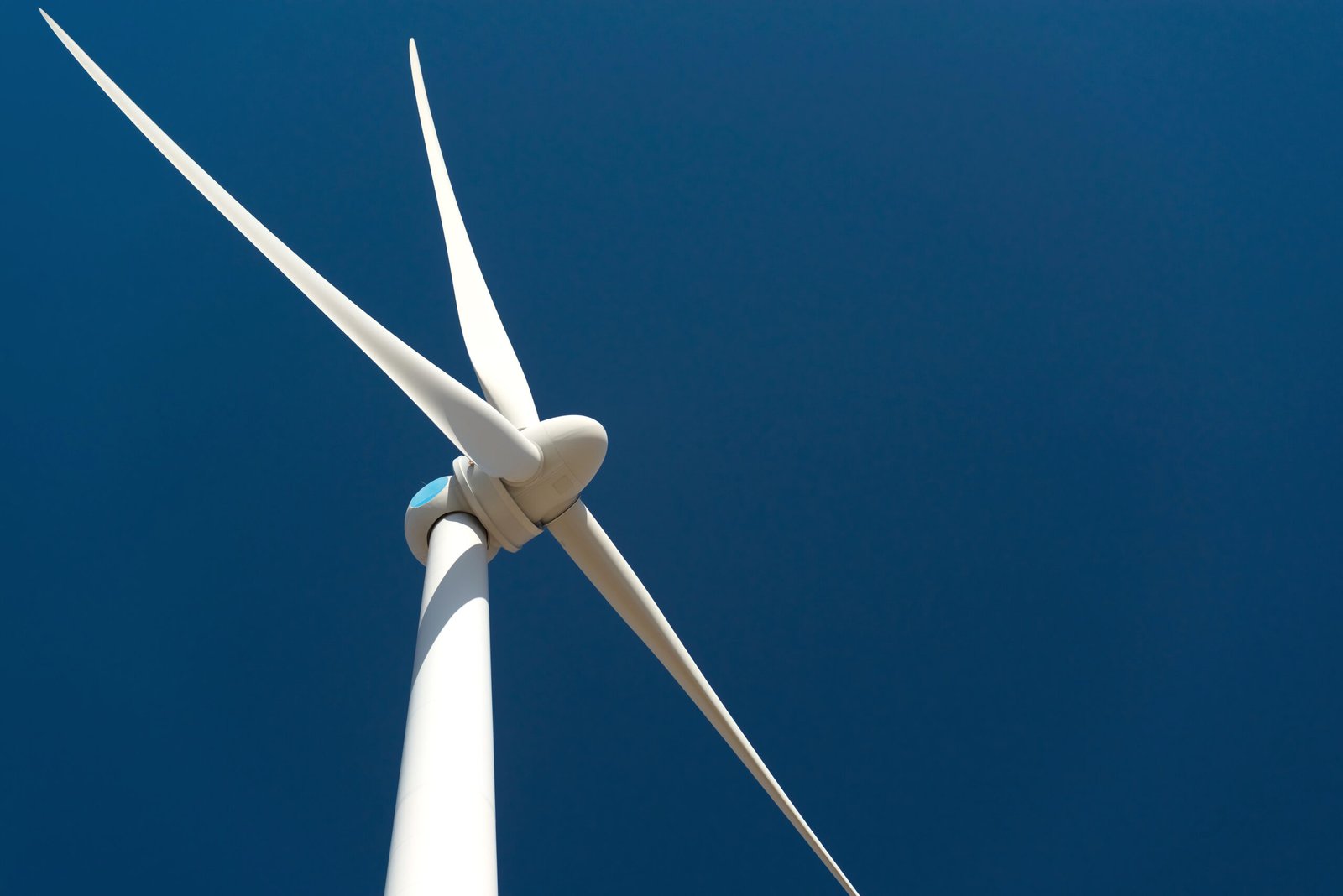
Siemens Gamesa contributes to this process through turbine engineering and technology development. Its wind turbines are designed to capture kinetic energy from moving air and convert it into electricity through a generator. Improvements in turbine blades, rotor dimensions, generators, control systems, and digital monitoring can increase the amount of electricity generated from available wind resources.
These developments are particularly important as the wind industry moves toward larger turbines and more challenging project locations.
Siemens Gamesa and Offshore Wind
Offshore wind is expected to play an increasingly significant role in the future of renewable energy. Oceans provide large areas with strong and relatively consistent winds, creating opportunities for utility-scale electricity generation.
Siemens Gamesa has been a major participant in offshore wind development, producing some of the world’s largest wind turbine platforms. Larger offshore turbines can generate substantial amounts of electricity while requiring fewer turbines for a project with a given capacity.
The development of increasingly powerful offshore turbines can also help reduce project costs over time. Larger rotors can capture more wind, while improved engineering and installation methods can contribute to greater project efficiency.
Offshore wind is therefore an important area where Siemens Gamesa technology can support the expansion of clean electricity generation.
Advancements in Wind Turbine Technology
One of the biggest trends in the wind industry is the development of larger and more efficient turbines. Turbine manufacturers are continually working to increase energy output while improving reliability and reducing maintenance requirements.
Siemens Gamesa has invested in technologies involving longer blades, larger rotors, advanced generators, and sophisticated control systems. These improvements allow turbines to capture more energy from available wind conditions.
Longer blades can sweep a larger area, enabling the turbine to capture more wind energy. Modern control systems can adjust turbine operation according to changing wind conditions, helping optimize performance.
At the same time, digital technologies can provide valuable information about turbine operation. Sensors and monitoring systems can identify changes in performance and help operators plan maintenance before minor issues become major problems.
Supporting a More Sustainable Energy System
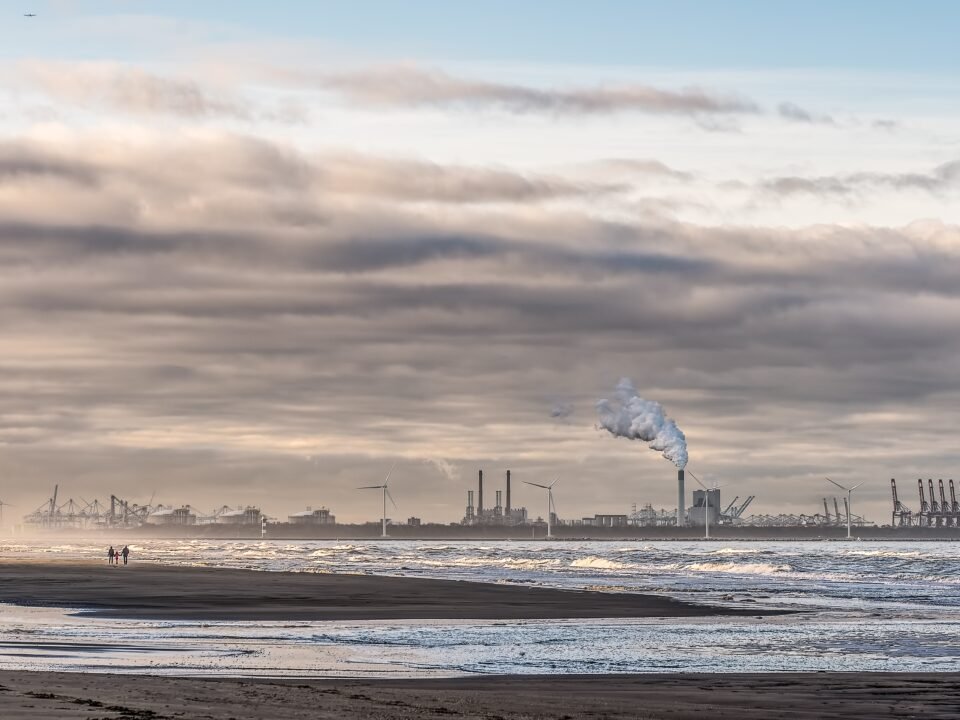
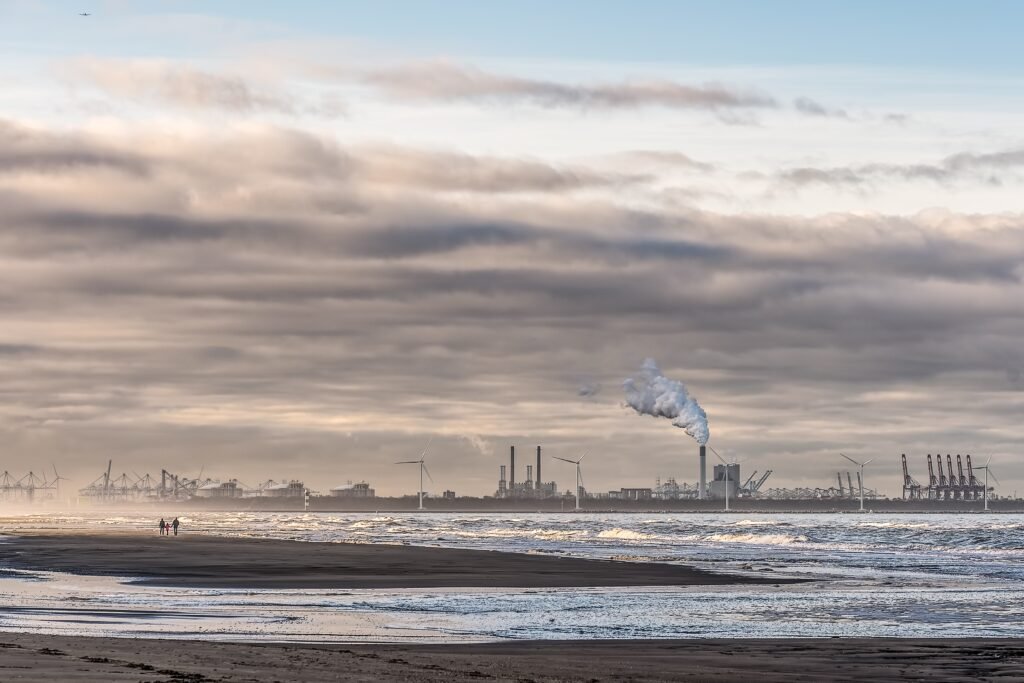
The expansion of wind power is closely connected with global sustainability goals. Electricity generated by wind does not require the combustion of coal, oil, or natural gas during operation. As more wind capacity is added to electricity grids, it can help reduce dependence on fossil-fuel-based generation.
Siemens Gamesa is part of this broader renewable energy ecosystem. By developing wind turbine technology and providing services throughout the operational life of wind farms, the company contributes to efforts to increase renewable electricity generation.
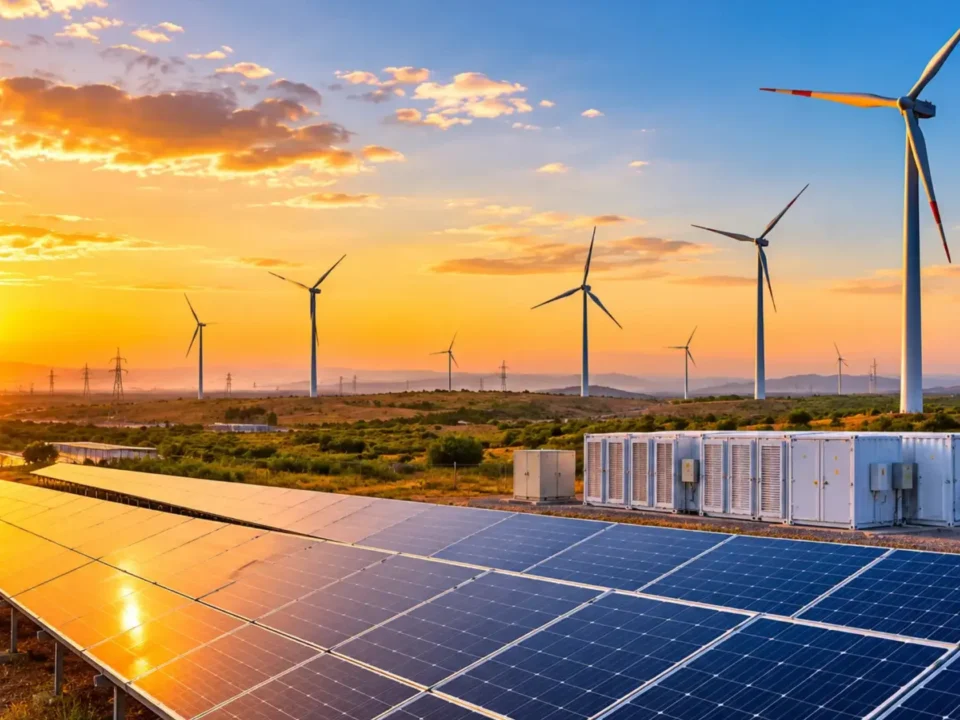
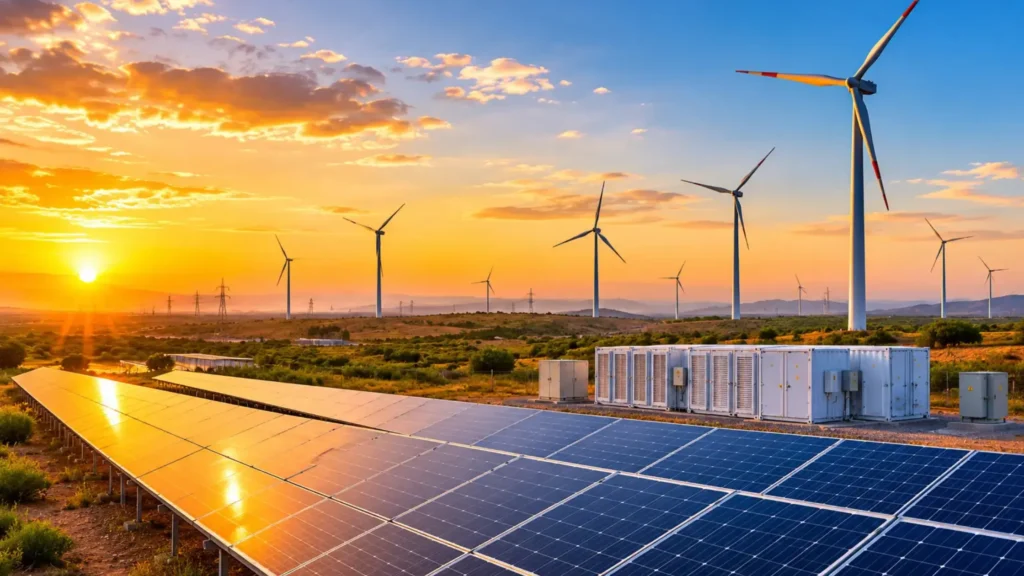
However, wind energy must work together with other technologies. Solar power, hydropower, energy storage, transmission infrastructure, flexible generation, and smart-grid systems can all help manage the variable nature of renewable electricity.
Digitalization and Wind Farm Performance
Digitalization is becoming increasingly important in renewable energy. Modern wind turbines generate large quantities of operational data, including information about wind speed, temperature, vibration, power production, and component performance.
Advanced software and analytics can use this information to monitor turbine health and improve maintenance planning. Predictive maintenance can potentially reduce unexpected downtime and improve the overall availability of wind turbines.
For operators, better data can also support decisions about turbine performance, maintenance schedules, and long-term asset management. These digital capabilities are likely to become even more important as wind farms become larger and more complex.
Challenges Facing the Wind Industry
Despite its strong growth potential, the wind energy industry faces several challenges. Manufacturing costs, supply-chain pressures, interest rates, permitting procedures, grid connections, and project development timelines can influence the success of wind projects.
Offshore wind projects can face additional challenges because construction and maintenance activities take place in marine environments. Specialized vessels, subsea infrastructure, weather conditions, and complex installation processes can increase project requirements.
Wind turbine manufacturers must therefore balance technological innovation with affordability and reliability. The future success of the industry will depend not only on producing larger turbines but also on creating commercially sustainable projects.
The Future of Wind Energy
The future of wind power is likely to involve larger turbines, better digital systems, improved materials, floating offshore wind, and more efficient project development. Floating wind technology could eventually make it possible to develop wind farms in deeper waters where traditional fixed-bottom foundations are difficult to use.
Another important trend will be greater integration between wind generation and energy storage. Batteries and other storage technologies can help manage variations in renewable electricity production and support grid stability.
As electricity demand increases due to electrification, electric vehicles, data centers, industrial development, and other applications, additional renewable generation will be required. Wind power can provide a significant portion of this new electricity supply.
Companies such as Siemens Gamesa will continue to have an important role in developing the technology required for this transition. Continued research, investment, and collaboration across the energy industry can help make wind power more efficient and economically competitive.
Conclusion
Wind energy is becoming an increasingly important part of the global move toward sustainable electricity. From larger turbines and advanced blades to digital monitoring and offshore wind farms, technological progress is transforming how electricity is generated from moving air.
Siemens Gamesa represents an important part of this transformation through its experience in wind turbine technology and renewable energy projects. Its work in onshore and offshore wind demonstrates the industry’s progress toward larger, smarter, and more efficient renewable power systems.
As countries continue investing in clean electricity and reducing dependence on fossil fuels, wind energy is expected to remain a major component of the future energy mix. Continued innovation from turbine manufacturers, combined with stronger grids, energy storage, supportive policies, and responsible project development, can help unlock the full potential of wind power for generations to come.