The Science Behind the Working Model on Renewable Sources of Energy

Renewable energy has become one of the most important pillars of sustainable development in the modern world. As concerns about climate change, fossil fuel depletion, and environmental pollution continue to rise, renewable energy technologies offer a cleaner and more reliable alternative. One of the most effective ways to understand how these technologies function is through a working model on renewable sources of energy. Such models explain complex scientific principles in a simple, visual, and practical manner, making them valuable for education, innovation, and awareness.
Understanding Renewable Sources of Energy
Renewable sources of energy are derived from natural processes that are continuously replenished. These include solar energy, wind energy, hydropower, biomass energy, and geothermal energy. Unlike fossil fuels, renewable sources do not run out over time and produce significantly lower greenhouse gas emissions. A working model on renewable sources of energy helps demonstrate how these natural resources are converted into usable electrical or mechanical energy.
The science behind renewable energy models is rooted in physics, chemistry, and engineering. Each renewable source operates on a distinct principle, yet all share the common goal of harnessing nature’s power efficiently and sustainably.
Importance of a Working Model on Renewable Sources of Energy
A working model on renewable sources of energy serves as a bridge between theoretical knowledge and real-world application. For students, it transforms abstract concepts into tangible demonstrations. For researchers and policymakers, it provides insights into feasibility, efficiency, and scalability. Such models are often used in science exhibitions, classrooms, and training programs to showcase the potential of clean energy solutions.
These models also play a critical role in spreading awareness. When people can visually see how sunlight turns into electricity or how wind spins a turbine, renewable energy becomes less complex and more accessible. This understanding encourages wider adoption and innovation.
Solar Energy Working Model
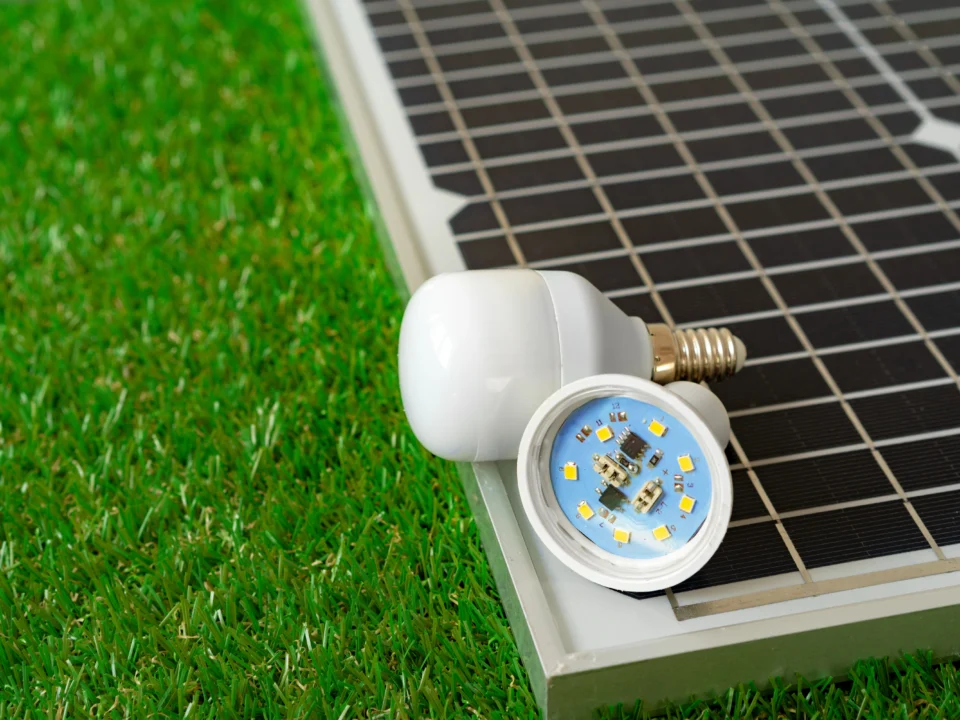
Solar energy is one of the most popular renewable sources, and its working model is relatively simple yet powerful. The science behind a solar working model is based on the photovoltaic effect. Solar panels contain photovoltaic cells made from semiconductor materials like silicon. When sunlight strikes these cells, it excites electrons, creating an electric current.
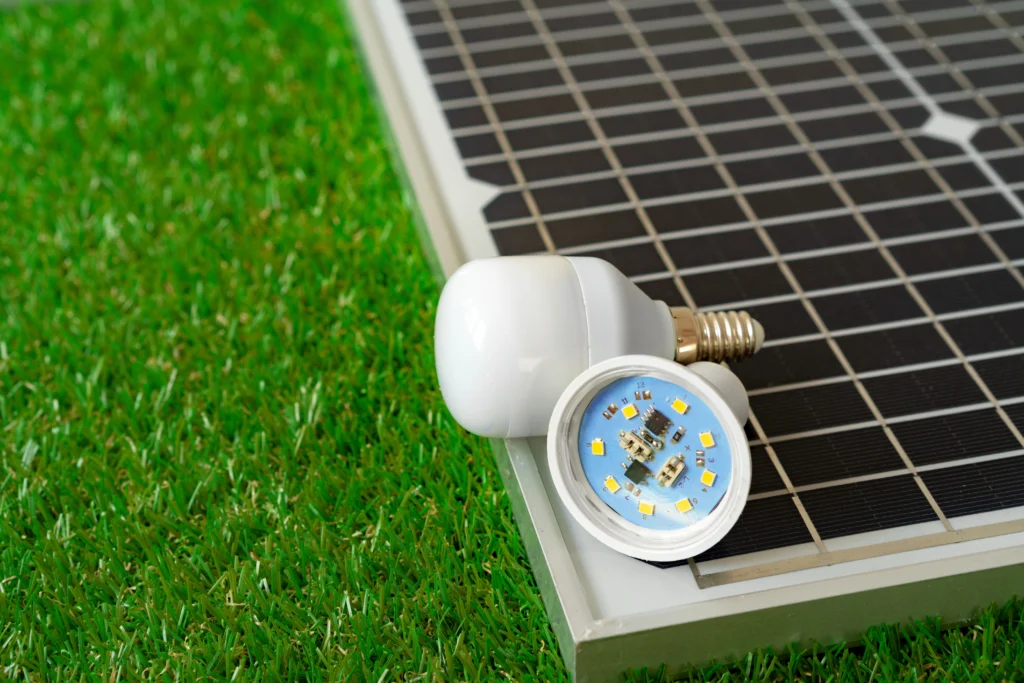
In a working model on renewable sources of energy focused on solar power, solar panels are connected to a battery or LED lights. As sunlight or artificial light falls on the panel, electricity is generated and stored or directly used. This model demonstrates how solar energy can power homes, streetlights, and even large-scale solar plants.
Wind Energy Working Model
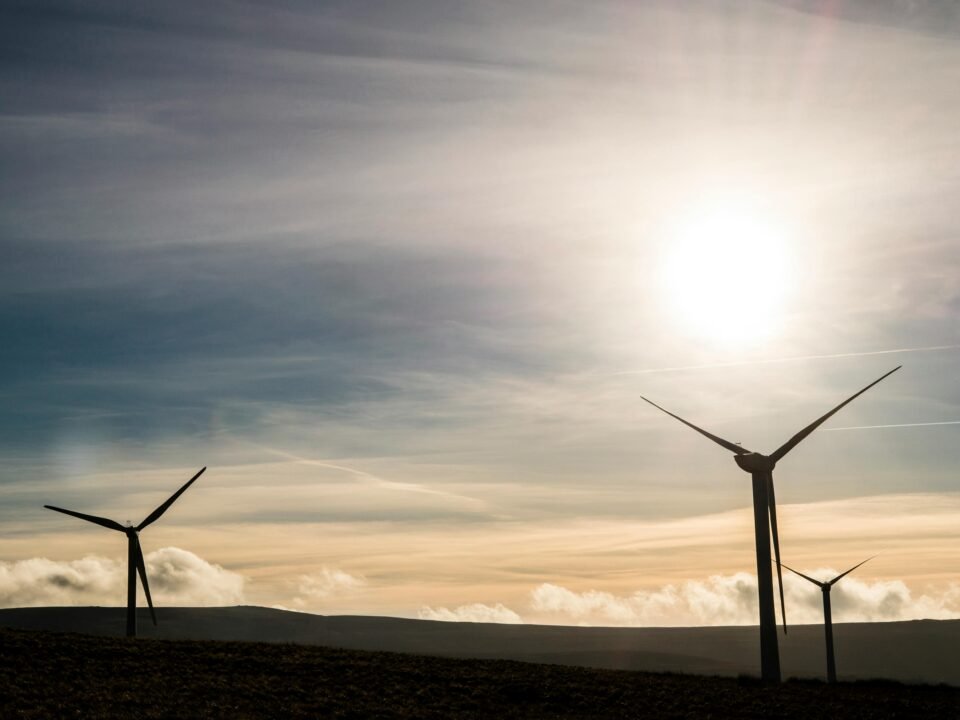
Wind energy works on the principle of converting kinetic energy into mechanical and then electrical energy. A wind energy working model typically consists of a small wind turbine with blades connected to a generator. When wind flows across the blades, it causes them to rotate. This rotation drives the generator, producing electricity.
A working model on renewable sources of energy that includes wind power highlights the importance of wind speed, blade design, and turbine placement. It also explains why wind farms are usually located in open plains, coastal regions, or hilltops where wind flow is strong and consistent.
Hydropower Working Model
Hydropower is one of the oldest and most reliable renewable energy sources. Its working model demonstrates how flowing or falling water generates electricity. The science behind hydropower lies in the conversion of potential and kinetic energy of water into mechanical energy using turbines.
In a hydropower working model, water is allowed to flow from a height through a pipe or channel onto a turbine. As the turbine spins, it drives a generator that produces electricity. This working model on renewable sources of energy clearly shows why dams and reservoirs are essential for large-scale hydropower projects.
Biomass Energy Working Model
Biomass energy is derived from organic materials such as agricultural waste, wood, and animal dung. The science behind biomass energy involves converting chemical energy stored in organic matter into heat or electricity through combustion or biogas production.
A biomass working model often demonstrates biogas generation using organic waste placed in a digester. Microorganisms break down the waste in the absence of oxygen, producing biogas that can be used for cooking or electricity generation. This working model on renewable sources of energy highlights waste-to-energy concepts and promotes sustainable waste management.
Geothermal Energy Working Model
Geothermal energy taps into the Earth’s internal heat. Although geothermal working models are less common, they effectively explain how heat from beneath the Earth’s surface can be converted into electricity. The principle involves using steam or hot water from underground reservoirs to spin turbines.
A simplified geothermal working model may use heated water to produce steam that rotates a small turbine. This working model on renewable sources of energy emphasizes the reliability of geothermal power, as it is not dependent on weather conditions like solar or wind energy.
Scientific Principles Behind Renewable Energy Models
The science behind renewable energy models includes energy conversion, thermodynamics, electromagnetism, and material science. Generators work on electromagnetic induction, where rotating coils in a magnetic field produce electricity. Turbines convert kinetic energy into mechanical energy, while photovoltaic cells rely on semiconductor physics.
A working model on renewable sources of energy integrates these scientific principles into a practical framework, helping learners understand how energy transformations occur in real-world systems.
Educational and Environmental Impact
Working models on renewable sources of energy play a significant role in education by fostering curiosity and innovation. They encourage students to think critically about energy challenges and solutions. Environmentally, these models promote cleaner alternatives and highlight the importance of reducing carbon footprints.
By demonstrating renewable energy in action, such models inspire communities to invest in sustainable technologies and adopt energy-efficient practices.
Conclusion
The science behind the working model on renewable sources of energy reveals how nature’s resources can be harnessed responsibly to meet growing energy demands. From solar panels and wind turbines to hydropower systems and biomass digesters, each model showcases the potential of renewable energy in a simple and effective way. As the world moves toward a greener future, understanding these working models becomes essential for education, innovation, and sustainable development.