Powering Energy Systems That Will Shape the Future of Electricity
The global energy landscape is changing rapidly as the demand for cleaner, smarter, and more reliable electricity continues to grow. Traditional power generation methods are gradually being replaced or supplemented by innovative technologies designed to improve efficiency and reduce environmental impact. At the center of this transformation is the concept of powering energy systems—advanced solutions that enable sustainable and efficient electricity production, distribution, and consumption.
Powering energy technologies are not just about generating electricity. They involve a complete ecosystem that includes renewable energy sources, smart grids, energy storage systems, and intelligent energy management. Together, these innovations are shaping the future of electricity and helping societies transition toward a more sustainable energy infrastructure.
The Need for Advanced Powering Energy Systems
Electricity demand worldwide is increasing due to rapid urbanization, industrial growth, and the expansion of digital technologies. At the same time, concerns about climate change and environmental sustainability are pushing governments and industries to rethink how electricity is produced.
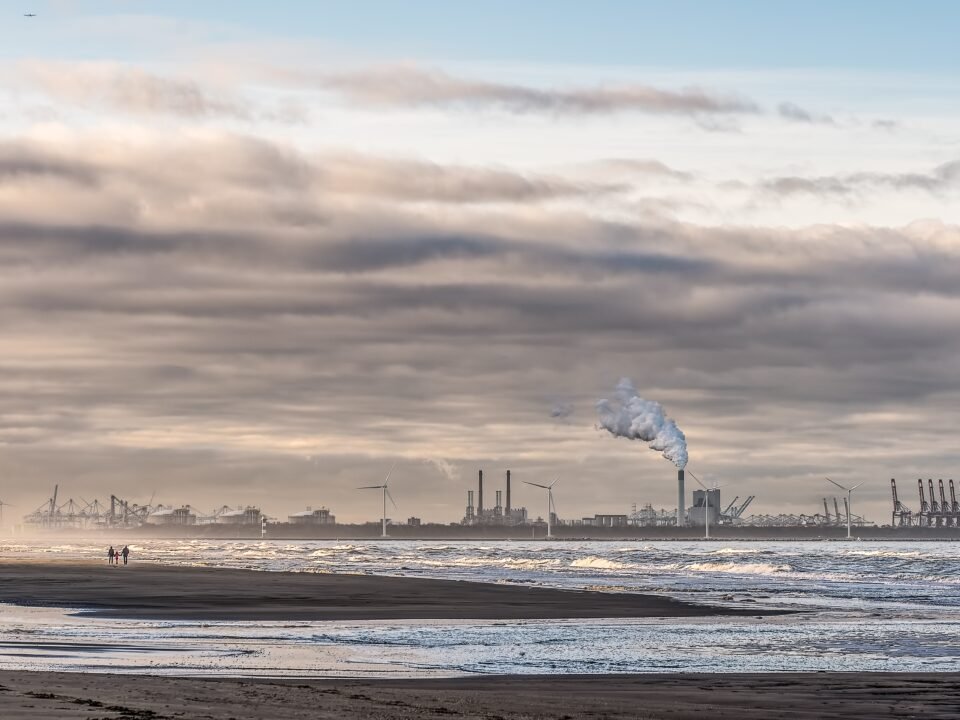
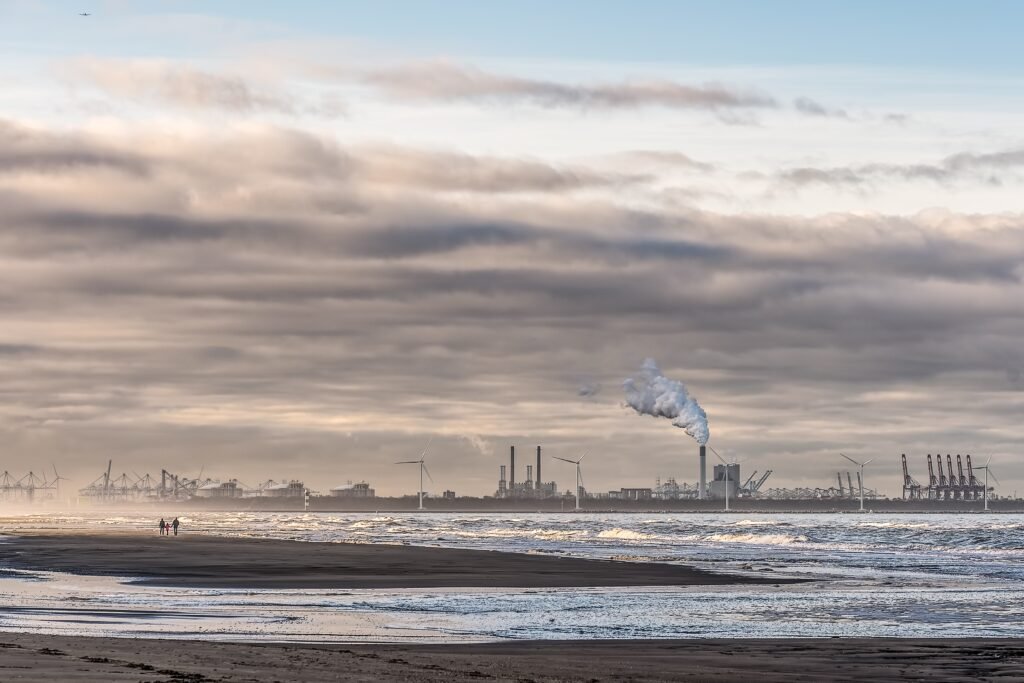
Traditional energy sources such as coal and oil have long powered global economies, but they come with significant environmental costs. Carbon emissions, air pollution, and resource depletion have highlighted the need for cleaner alternatives. This is where powering energy systems come into play.
Modern powering energy solutions focus on maximizing efficiency while minimizing environmental impact. They integrate renewable energy sources, advanced infrastructure, and smart technologies to create a more resilient and sustainable energy ecosystem.
Renewable Energy as the Backbone of Future Power Systems
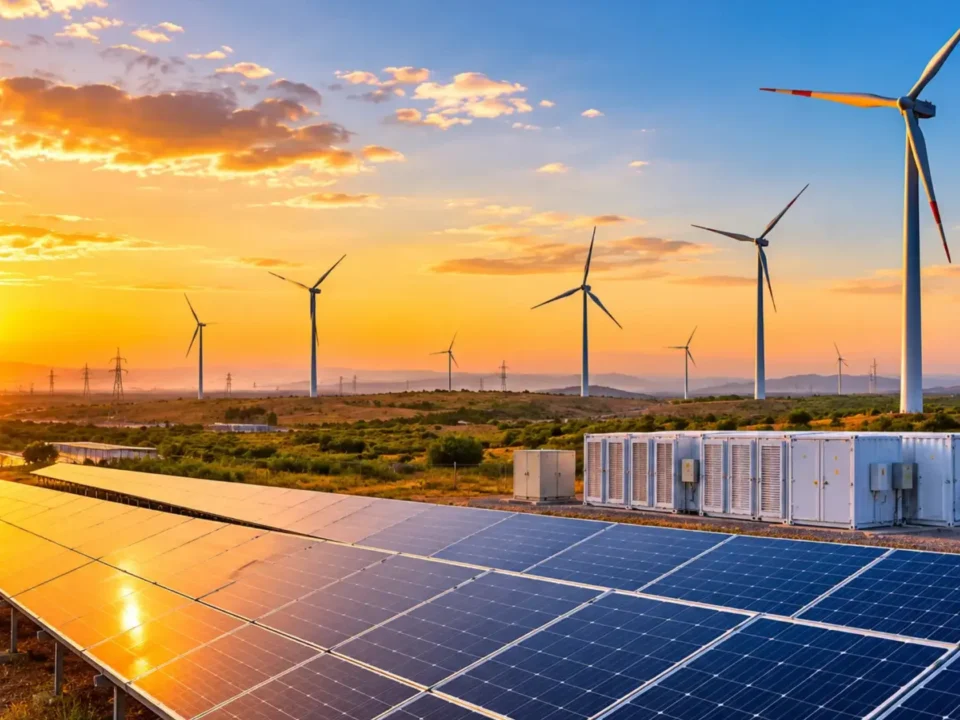
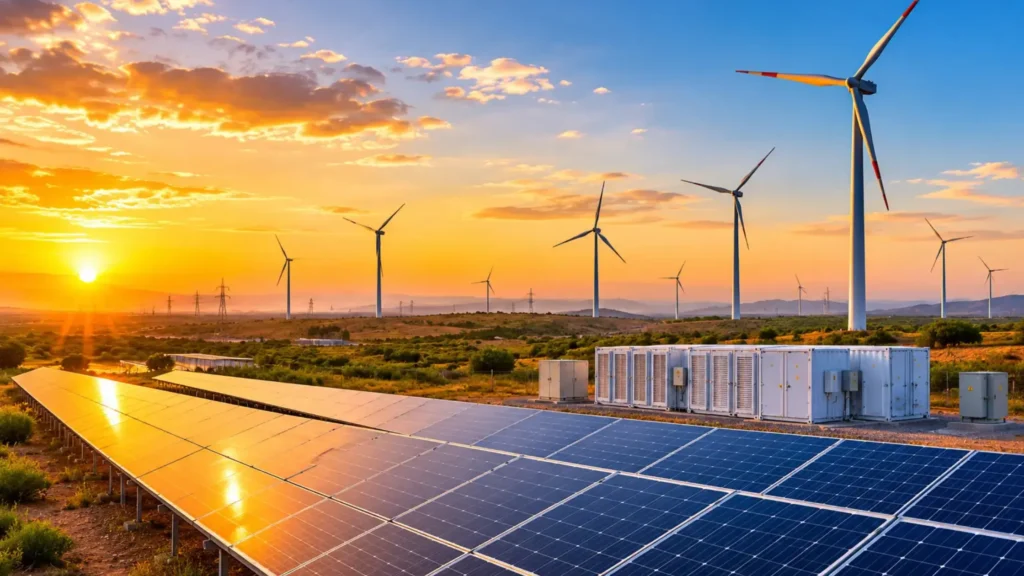
Renewable energy sources are the foundation of modern powering energy systems. Solar, wind, hydro, and geothermal power are increasingly being used to generate electricity without producing harmful emissions.
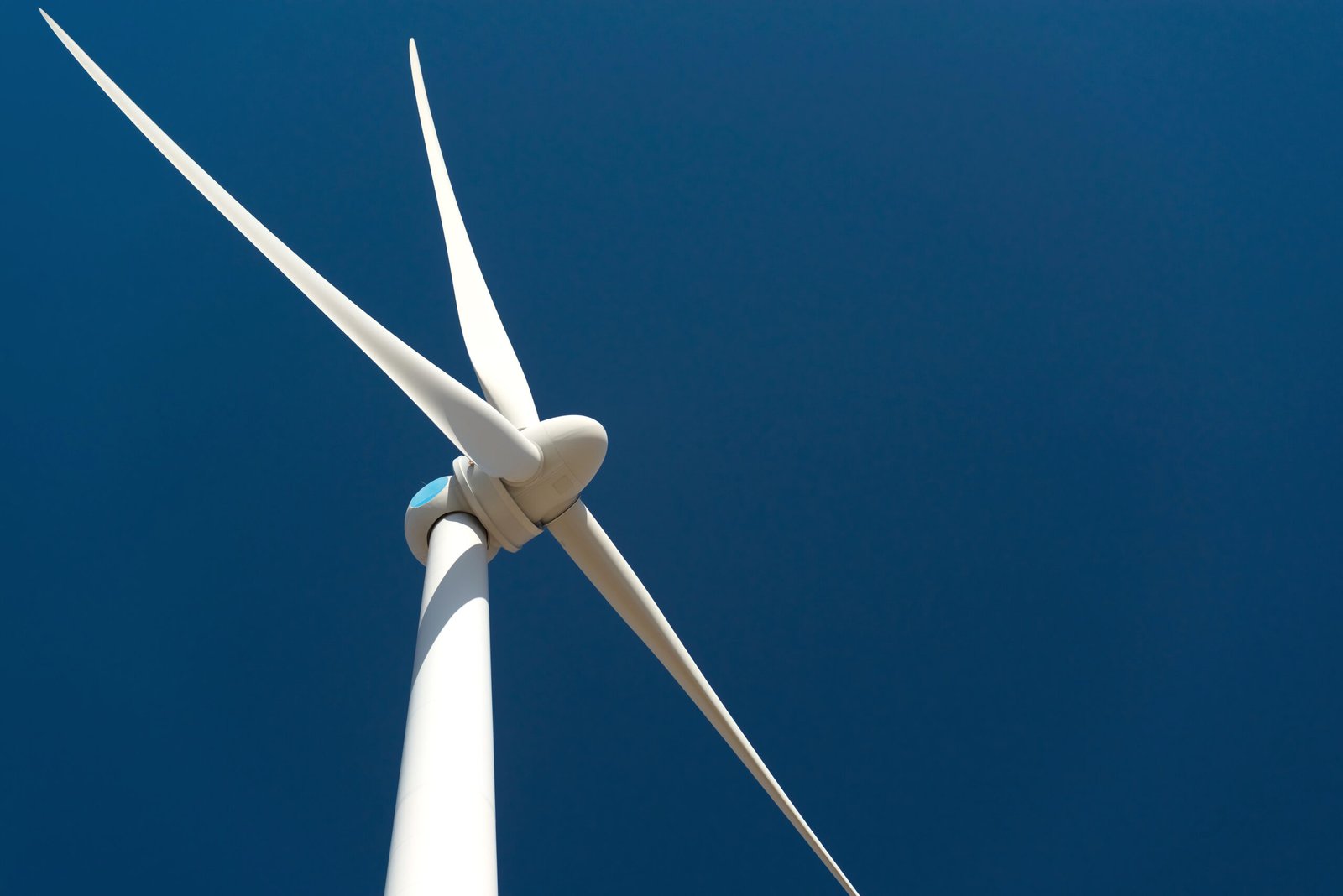
Solar energy, for example, has become one of the fastest-growing sources of electricity worldwide. Solar panels convert sunlight into electricity, making it possible to generate power even in remote areas. Wind energy also plays a significant role, with large wind farms producing substantial amounts of electricity for national grids.
Hydropower and geothermal energy provide stable and consistent electricity generation, making them valuable components of future powering energy systems. These renewable technologies help reduce dependence on fossil fuels and contribute to a cleaner energy mix.
Smart Grids Transforming Energy Distribution
One of the most important innovations in powering energy systems is the development of smart grids. Unlike traditional power grids, which operate in a one-way flow from power plants to consumers, smart grids use digital technologies to enable two-way communication.
Smart grids allow utilities to monitor electricity usage in real time, detect faults quickly, and manage energy distribution more efficiently. They also enable consumers to play a more active role in managing their energy consumption.
For example, households with solar panels can feed excess electricity back into the grid. This decentralized approach to powering energy makes the electricity system more flexible and resilient.
Smart grids also support the integration of renewable energy sources, which can be variable depending on weather conditions. By balancing supply and demand in real time, smart grids ensure that electricity remains reliable and stable.
Energy Storage: Solving the Intermittency Challenge
One of the challenges of renewable energy is intermittency. Solar panels only produce electricity when the sun shines, and wind turbines only generate power when the wind blows. To ensure a consistent supply of electricity, advanced energy storage systems are essential.
Battery technologies have made significant progress in recent years. Large-scale battery storage systems can store excess electricity generated during peak production periods and release it when demand is high.
Energy storage plays a crucial role in powering energy systems by stabilizing electricity supply and improving grid reliability. It also allows renewable energy to be used more effectively, reducing the need for backup fossil fuel power plants.
In addition to batteries, other storage technologies such as pumped hydro storage and hydrogen energy storage are being developed to support the future of electricity.
Decentralized Energy Generation
Another major trend in powering energy systems is the shift toward decentralized energy generation. Instead of relying solely on large centralized power plants, electricity can now be generated closer to where it is consumed.
Rooftop solar panels, community wind projects, and microgrids are examples of decentralized energy solutions. These systems allow communities, businesses, and households to generate their own electricity.
Decentralized powering energy systems offer several benefits. They reduce transmission losses, improve energy security, and make electricity systems more resilient to disruptions.
Microgrids, for example, can operate independently from the main grid during emergencies, ensuring that critical facilities such as hospitals and data centers continue to receive electricity.
Digital Technologies and Energy Management
Digital innovation is another key driver of modern powering energy systems. Artificial intelligence, big data, and Internet of Things (IoT) technologies are helping utilities optimize electricity production and consumption.
Smart meters, for instance, provide real-time information about electricity usage. This data allows consumers to adjust their energy habits and reduce waste. Utilities can also use this information to forecast demand more accurately.
AI-powered energy management systems can automatically adjust energy distribution to maintain grid stability. These technologies make powering energy systems more efficient, reliable, and responsive.
Digitalization also enables predictive maintenance of power infrastructure, reducing downtime and improving overall system performance.
The Role of Electrification in Future Energy Systems
Electrification is another important aspect of powering energy systems. Many sectors that traditionally relied on fossil fuels are now shifting toward electricity.
Electric vehicles are a prime example. As EV adoption increases, electricity demand will rise, requiring more efficient and sustainable powering energy infrastructure. Charging networks, smart charging technologies, and grid integration will all play crucial roles.
Similarly, industries and buildings are increasingly adopting electric heating and cooling systems powered by renewable energy. This transition helps reduce carbon emissions and supports global climate goals.
Challenges Facing Powering Energy Systems
Despite the rapid progress in powering energy technologies, several challenges remain. Infrastructure upgrades are necessary to accommodate new energy systems and increased electricity demand.
Integrating large amounts of renewable energy into existing grids can be complex. Energy storage solutions, grid modernization, and regulatory support are essential to address these challenges.
Investment is another critical factor. Developing advanced powering energy infrastructure requires significant financial resources. Governments, private companies, and international organizations must work together to support these investments.
Policy frameworks and incentives also play a vital role in encouraging the adoption of clean energy technologies.
The Future of Powering Energy
The future of electricity depends on how effectively powering energy systems are developed and implemented. As renewable energy technologies continue to advance and digital innovations reshape the energy sector, the global electricity system will become more sustainable, flexible, and efficient.
Powering energy solutions will not only reduce environmental impact but also improve energy access worldwide. In many developing regions, decentralized renewable energy systems can provide electricity to communities that previously lacked reliable power.
Over the coming decades, the integration of renewable energy, smart grids, advanced storage technologies, and digital energy management will redefine how electricity is generated and consumed.
Conclusion
Powering energy systems are transforming the way the world produces and uses electricity. By combining renewable energy sources, smart grid technologies, advanced energy storage, and digital innovations, these systems are paving the way for a cleaner and more resilient energy future.
As global electricity demand continues to grow, investing in modern powering energy infrastructure will be essential. Governments, businesses, and communities must work together to accelerate the transition toward sustainable energy systems.
The future of electricity will be shaped by innovation, collaboration, and a shared commitment to building smarter and greener powering energy solutions for generations to come.