How Businesses Can Benefit from the Transition to Clean Energy

The global transition to clean energy is no longer just an environmental movement. It has become a major business strategy that helps companies reduce costs, improve brand reputation, and stay competitive in a rapidly changing market. From small startups to multinational corporations, organizations across industries are embracing renewable energy solutions to create long-term value and sustainable growth.
As governments introduce stricter environmental regulations and consumers become more environmentally conscious, businesses that adapt early to the transition to clean energy gain a significant advantage. Clean energy technologies such as solar power, wind energy, electric mobility, and energy-efficient systems are transforming how companies operate and generate profits.
In this blog, we will explore how businesses can benefit from the transition to clean energy and why it is becoming essential for future success.
Understanding the Transition to Clean Energy
The transition to clean energy refers to the shift from fossil fuel-based energy systems to renewable and sustainable energy sources. Traditional energy sources like coal, oil, and natural gas contribute heavily to greenhouse gas emissions and environmental pollution. Clean energy alternatives, on the other hand, produce little to no harmful emissions.
Some common clean energy sources include:
- Solar energy
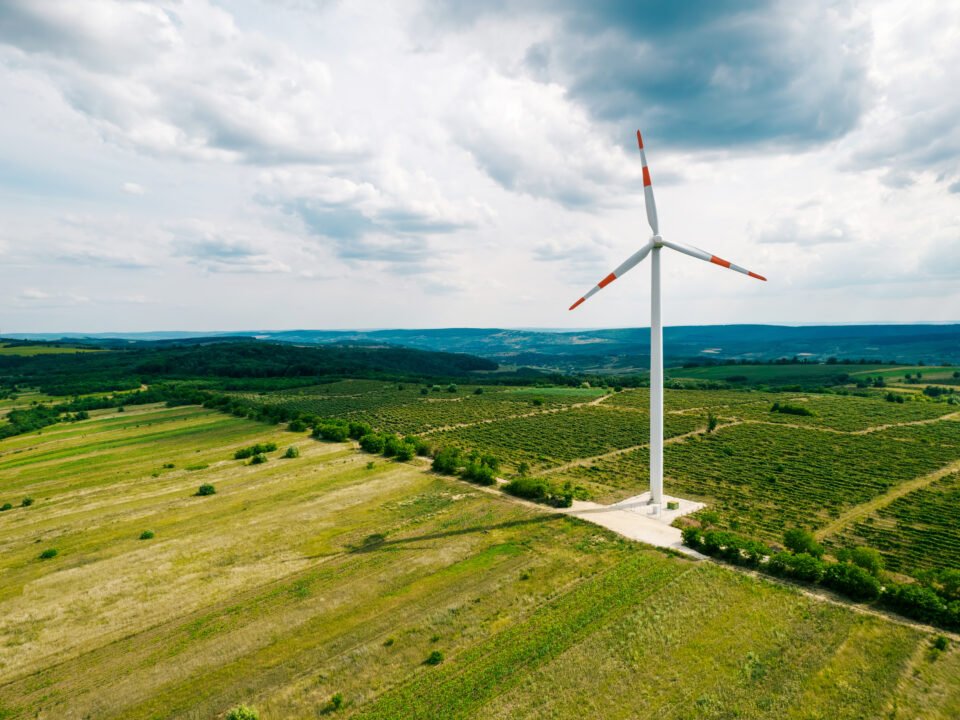
- Wind energy
- Hydropower
- Biomass energy
- Geothermal energy
Businesses are increasingly investing in these technologies to lower their environmental impact and achieve sustainability goals.
Reduced Operational Costs
One of the biggest advantages of the transition to clean energy is lower operational expenses. Energy costs represent a significant portion of business expenditures, especially for manufacturing industries, warehouses, hotels, and commercial buildings.
Renewable energy systems like solar panels can dramatically reduce electricity bills. Once installed, these systems provide long-term energy generation with relatively low maintenance costs. Businesses can also protect themselves from rising fuel prices and electricity rate fluctuations.
For example, companies that install rooftop solar systems can generate their own electricity during peak business hours, reducing dependency on the grid and cutting monthly utility expenses.
Energy-efficient equipment such as LED lighting, smart HVAC systems, and energy management software further help businesses optimize energy consumption and improve savings.
Improved Brand Reputation
Modern consumers prefer brands that demonstrate environmental responsibility. Businesses that actively participate in the transition to clean energy often gain stronger customer trust and loyalty.
A sustainable business image helps companies stand out in competitive markets. Customers are more likely to support organizations that reduce carbon emissions, minimize waste, and invest in renewable energy solutions.
Sustainability initiatives can also improve public relations and attract positive media attention. Companies that publish sustainability reports and showcase clean energy projects often build stronger connections with environmentally conscious audiences.
This improved reputation can directly influence sales, customer retention, and long-term business growth.
Compliance with Environmental Regulations
Governments around the world are implementing stricter climate policies and carbon reduction targets. Businesses that delay sustainability efforts may face penalties, higher taxes, or regulatory challenges in the future.
The transition to clean energy helps organizations comply with environmental regulations more effectively. By reducing greenhouse gas emissions and improving energy efficiency, businesses can meet legal requirements while avoiding potential fines.
In many regions, governments also offer incentives such as tax credits, subsidies, and grants for companies adopting renewable energy technologies. These financial benefits make clean energy investments even more attractive.
Increased Energy Independence
Traditional energy markets are often affected by geopolitical tensions, supply chain disruptions, and fuel shortages. Businesses that rely heavily on fossil fuels may experience unpredictable energy costs and operational risks.
The transition to clean energy provides greater energy independence and stability. Companies that generate renewable energy onsite become less dependent on external energy suppliers.
For instance, businesses using solar power with battery storage systems can continue operations during grid outages or energy disruptions. This reliability is especially valuable for industries where uninterrupted operations are critical.
Energy independence also improves long-term business planning by reducing uncertainty related to energy pricing.
Attraction of Investors and Partners
Sustainability has become a major factor in investment decisions. Many investors now evaluate companies based on Environmental, Social, and Governance (ESG) criteria before providing funding.
Businesses involved in the transition to clean energy are often viewed as forward-thinking and lower-risk investments. Clean energy adoption demonstrates long-term planning, innovation, and corporate responsibility.
Companies with strong sustainability initiatives may attract:
- ESG-focused investors
- Green financing opportunities
- Strategic partnerships
- International business collaborations
Financial institutions are increasingly supporting renewable energy projects because they align with global sustainability goals.
Enhanced Employee Satisfaction
Employees today want to work for organizations that align with their values. Businesses committed to sustainability often experience higher employee engagement and satisfaction.
The transition to clean energy can improve workplace morale by showing employees that the company cares about environmental and social responsibility. Workers are more likely to feel proud of contributing to a sustainable future.
In addition, energy-efficient buildings with better lighting, air quality, and temperature control create healthier and more productive work environments.
Companies that prioritize sustainability may also find it easier to attract skilled professionals, especially younger employees who value eco-conscious employers.
Competitive Market Advantage
Businesses that embrace the transition to clean energy early often gain a competitive edge. As sustainability becomes a key purchasing factor, companies with clean energy initiatives can differentiate themselves from competitors.
Many global corporations now require suppliers and partners to meet sustainability standards. Businesses that fail to adopt clean energy solutions may lose valuable contracts and market opportunities.
Sustainable operations can also open doors to new markets, including environmentally conscious consumers and international clients seeking green business partnerships.
Being recognized as an environmentally responsible company strengthens market positioning and supports long-term growth.
Innovation and Technological Advancement
The transition to clean energy encourages businesses to adopt innovative technologies and modern operational practices.
Renewable energy systems often work alongside advanced technologies such as:
- Smart grids
- Internet of Things (IoT) devices
- Artificial intelligence energy management
- Electric vehicle fleets
- Automated energy monitoring systems
These technologies improve operational efficiency and provide valuable insights into energy usage patterns.
Businesses that invest in innovation are better prepared for future industry changes and evolving customer expectations.
Contribution to Climate Goals
Climate change remains one of the most pressing global challenges. Businesses play a major role in reducing carbon emissions and supporting environmental sustainability.
The transition to clean energy helps companies contribute to global climate goals by lowering dependence on fossil fuels and reducing pollution.
Organizations that take climate action demonstrate corporate leadership and social responsibility. These efforts not only benefit the environment but also create positive economic and community impacts.
Consumers, investors, and governments increasingly expect businesses to participate in climate solutions, making sustainability a business necessity rather than an optional initiative.
Steps Businesses Can Take Toward Clean Energy
Businesses looking to begin the transition to clean energy can follow several practical steps:
Conduct an Energy Audit
An energy audit helps identify areas where energy is wasted and opportunities for efficiency improvements.
Invest in Renewable Energy Systems
Installing solar panels or purchasing renewable electricity can significantly reduce carbon emissions and energy costs.
Upgrade to Energy-Efficient Equipment
Replacing outdated systems with energy-efficient alternatives improves operational performance and lowers utility expenses.
Set Sustainability Goals
Businesses should establish measurable sustainability targets and track progress regularly.
Educate Employees
Employee participation is essential for successful sustainability initiatives. Training programs can encourage energy-saving behaviors across the organization.
Conclusion
The transition to clean energy is transforming the future of business. Companies that embrace renewable energy and sustainable practices gain financial, operational, and reputational benefits while contributing to environmental protection.
From reducing operational costs and improving energy independence to attracting investors and enhancing brand value, clean energy adoption offers long-term advantages across industries.
As global demand for sustainability continues to rise, businesses that invest in clean energy today will be better positioned for future success. The transition to clean energy is not just an environmental responsibility — it is a smart business strategy that drives innovation, resilience, and sustainable growth.