Nonrenewable Renewable Resources Key Differences and Real-World Examples
Energy powers every aspect of modern life, from homes and businesses to transportation and manufacturing. As the world shifts toward sustainable development, understanding nonrenewable renewable resources has become increasingly important. These two categories of resources play distinct roles in meeting global energy demands, influencing environmental policies, and shaping future energy strategies.
nonrenewable renewable resources In this article, we will explore what nonrenewable and renewable resources are, their key differences, real-world examples, advantages, disadvantages, and why balancing both is essential for a sustainable future.
What Are Nonrenewable Renewable Resources?
The term nonrenewable renewable resources refers to the comparison between two major categories of natural resources used for energy production and industrial development.
- Nonrenewable resources are finite resources that take millions of years to form. Once they are depleted, they cannot be replaced within a human lifetime.
- Renewable resources are naturally replenished over relatively short periods, making them sustainable when managed responsibly.
Understanding nonrenewable renewable resources helps governments, businesses, and individuals make informed decisions about energy consumption and environmental conservation.
What Are Nonrenewable Resources?
Nonrenewable resources exist in limited quantities beneath the Earth’s surface. Their formation requires geological processes that occur over millions of years.
Common examples include:
- Coal
- Crude oil (petroleum)
- Natural gas
- Uranium (used in nuclear power)
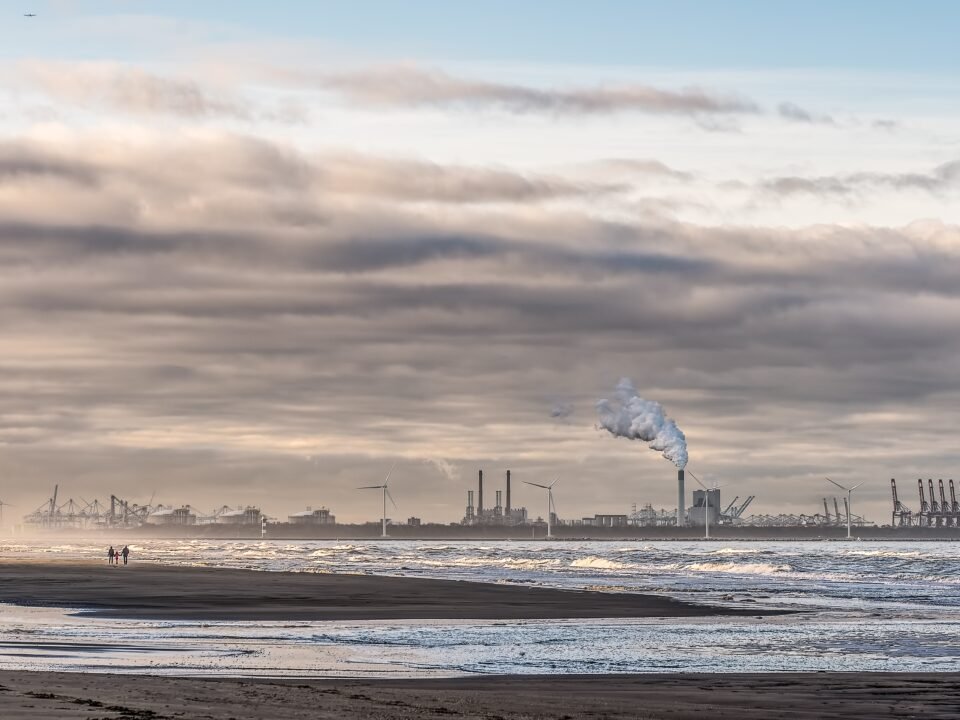
These resources have powered industrial growth for centuries because they provide high energy output and reliable supply. However, extracting and burning fossil fuels releases greenhouse gases that contribute to climate change.
Advantages of Nonrenewable Resources
Some key benefits include:
- High energy density
- Reliable electricity generation
- Established infrastructure
- Easy transportation and storage
- Supports major industries worldwide
Disadvantages
Despite their benefits, nonrenewable resources have several drawbacks:
- Limited availability
- Air pollution
- Carbon dioxide emissions
- Environmental damage from mining and drilling
- Price fluctuations due to market demand
These challenges encourage countries to invest more in renewable alternatives.
What Are Renewable Resources?
nonrenewable renewable resources Renewable resources are naturally replenished through environmental processes. They can continue producing energy without being permanently depleted when used responsibly.
Popular renewable energy sources include:
- Solar energy
- Wind energy
- Hydropower
- Geothermal energy
- Biomass energy
Unlike fossil fuels, renewable energy systems generate little or no greenhouse gas emissions during operation.
The growing adoption of nonrenewable renewable resources comparisons highlights how renewable technologies are transforming the global energy sector.
Advantages of Renewable Resources
Renewable resources offer several environmental and economic benefits.
Environmentally Friendly
Most renewable energy systems produce very low emissions, helping reduce climate change.
Sustainable Supply
Sunlight, wind, and water cycles naturally replenish these resources.
Lower Operating Costs
Although installation costs may be high, maintenance and operating expenses are often lower over time.
Energy Independence
Countries can reduce dependence on imported fossil fuels by developing local renewable energy projects.
Job Creation
Renewable industries create employment opportunities in manufacturing, installation, maintenance, and research.
Disadvantages of Renewable Resources
Renewable energy also faces certain limitations.
- Weather-dependent generation
- High initial installation costs
- Land requirements for large projects
- Energy storage challenges
- Grid integration complexities
Advancements in battery storage and smart grids continue to address these issues.
Key Differences Between Nonrenewable and Renewable Resources
Understanding nonrenewable renewable resources becomes easier by comparing their major characteristics.
| Feature | Nonrenewable Resources | Renewable Resources |
|---|---|---|
| Availability | Limited | Naturally replenished |
| Formation Time | Millions of years | Days to decades |
| Environmental Impact | Higher pollution | Lower pollution |
| Sustainability | Finite | Sustainable |
| Carbon Emissions | High | Low |
| Examples | Coal, oil, gas | Solar, wind, hydro |
These differences influence how nations design their long-term energy strategies.
Real-World Examples of Nonrenewable Resources
Coal Power Plants
Many countries still rely on coal-fired power stations to produce electricity due to their consistent output.
Oil for Transportation
Petroleum fuels cars, trucks, ships, and airplanes across the globe.
Natural Gas Heating
Natural gas provides heating for homes and industries while generating electricity.
Nuclear Energy
Uranium powers nuclear reactors that produce large amounts of electricity with relatively low operational carbon emissions, though uranium itself is nonrenewable.
These examples demonstrate the continued importance of nonrenewable renewable resources in modern economies.
Real-World Examples of Renewable Resources
Solar Farms
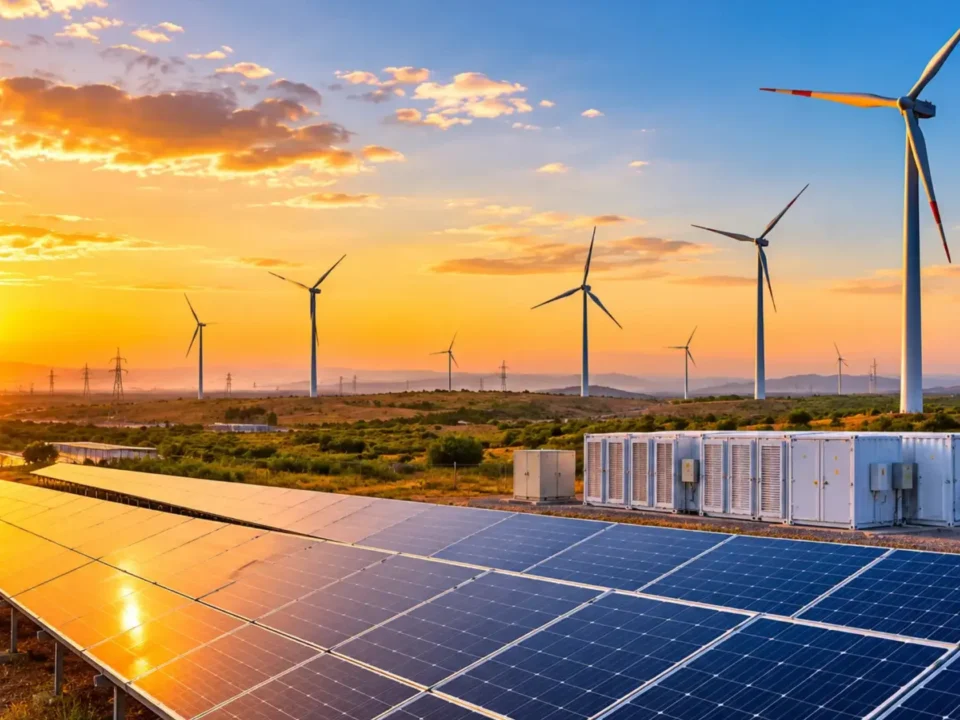
Large-scale solar photovoltaic plants generate clean electricity from sunlight.
Wind Farms
Onshore and offshore wind turbines convert wind into electrical energy.
Hydroelectric Dams
Flowing water spins turbines to generate renewable electricity.
Geothermal Plants
These facilities harness heat from beneath the Earth’s surface for electricity and heating.
Biomass Facilities
Agricultural waste, wood residues, and organic materials are converted into usable energy.
These projects show how renewable energy is becoming an increasingly significant part of global electricity generation.
Why Both Resource Types Matter
Although renewable energy is expanding rapidly, nonrenewable resources still supply a large share of global energy demand. Industries such as aviation, heavy manufacturing, and shipping continue to depend heavily on fossil fuels.
At the same time, governments worldwide are investing in renewable technologies to reduce emissions, improve energy security, and meet climate goals.
The discussion around nonrenewable renewable resources is therefore not about replacing one overnight but managing a gradual transition toward cleaner energy systems.
The Future of Energy Resources
The future energy landscape will likely involve a balanced combination of both resource types.
Emerging technologies are making renewable energy more efficient through:
- Advanced battery storage
- Smart electrical grids
- Hydrogen energy
- Carbon capture technologies
- Improved solar panels
- More efficient wind turbines
Meanwhile, industries are exploring cleaner ways to use nonrenewable fuels by reducing emissions and improving energy efficiency.
Innovation, government policies, and public awareness will determine how quickly the global energy transition progresses.
How Individuals Can Support Sustainable Energy
Everyone can contribute to a cleaner future by making informed energy choices.
Simple actions include:
- Installing rooftop solar panels where feasible
- Using energy-efficient appliances
- Conserving electricity
- Supporting renewable energy programs
- Choosing electric or hybrid vehicles
- Recycling materials to reduce resource extraction
Small changes, when adopted collectively, can significantly reduce dependence on finite resources.
Conclusion
Understanding nonrenewable renewable resources is essential for making informed decisions about energy use and environmental sustainability. Nonrenewable resources such as coal, oil, natural gas, and uranium have fueled economic growth for generations but are limited and contribute to environmental challenges. Renewable resources, including solar, wind, hydro, geothermal, and biomass, offer cleaner and more sustainable alternatives for the future.
Rather than viewing these energy sources as direct competitors, it is more practical to recognize that both currently play important roles in the global energy mix. Continued investment in renewable technologies, improved energy efficiency, and responsible management of nonrenewable resources will help create a more secure, affordable, and sustainable energy future for generations to come.