Smarten Inverter for Better Energy Management and Savings
As energy costs continue to rise, homeowners and businesses are looking for smarter ways to manage electricity consumption. An inverter plays an important role in modern energy systems by converting and controlling electrical power efficiently. A smarten inverter can help improve energy management, support backup power needs, and make renewable energy systems more practical for everyday use.
Whether used with solar panels, batteries, or conventional electrical systems, an intelligent inverter can provide better control over energy usage. By combining advanced technology with efficient power conversion, it can contribute to lower electricity waste and improved savings.
What Is a Smarten Inverter?
A smarten inverter is an advanced inverter designed to manage electrical energy efficiently while providing useful control and monitoring features. Like conventional inverters, it converts direct current (DC) into alternating current (AC) for use by household or commercial appliances. However, modern smart inverters can offer additional functions that improve energy management.
Depending on the model and application, these systems may support battery storage, solar power integration, grid connectivity, monitoring, and automatic power management. This makes them useful for consumers who want greater control over how electricity is generated, stored, and consumed.
How Does a Smarten Inverter Work?
The basic function of an inverter is to convert electricity from one form to another. Solar panels, for example, generate DC electricity, while most household appliances operate using AC electricity. The inverter converts the electricity into a usable form.
A smarten inverter can go beyond this basic conversion. It can monitor power conditions, manage energy flows, and coordinate electricity from different sources. In a solar-plus-battery system, it may help determine when solar energy should power appliances, charge batteries, or supply electricity to the grid, depending on the system configuration.
Advanced monitoring features can also provide information about energy production and consumption. This information helps users understand their electricity patterns and make more informed decisions.
Better Energy Management
One of the biggest advantages of a smarten inverter is improved energy management. Energy management involves using available electricity efficiently and reducing unnecessary consumption.
Smart inverter technology can help users monitor electricity generation, battery status, and energy consumption. With better visibility, homeowners can identify high-consumption appliances and adjust their usage accordingly.
For businesses, effective energy management can be particularly valuable. Commercial buildings often have significant electricity requirements, and improved monitoring can help organizations identify opportunities to reduce waste and control operating expenses.
Supporting Solar Energy Systems
Solar power is becoming an increasingly popular way to generate clean electricity. However, solar panels alone cannot supply usable AC electricity to most appliances. An inverter is therefore an essential component of a solar power system.
A smarten inverter can improve the functionality of solar installations by managing the electricity generated by photovoltaic panels. It can help convert solar energy into usable electricity while coordinating with batteries or the electrical grid where applicable.
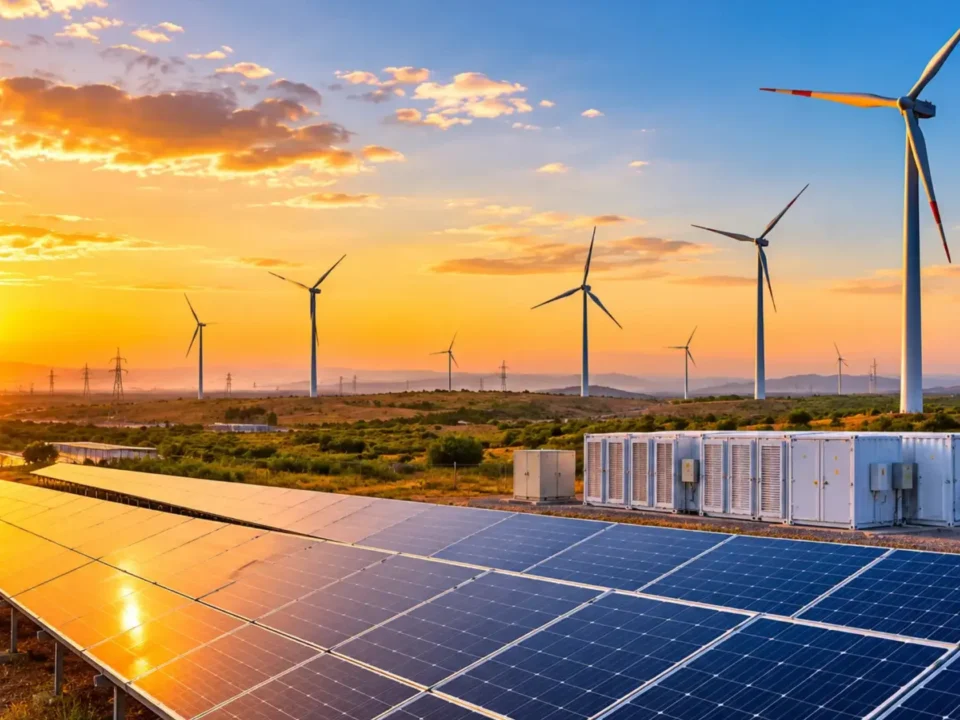
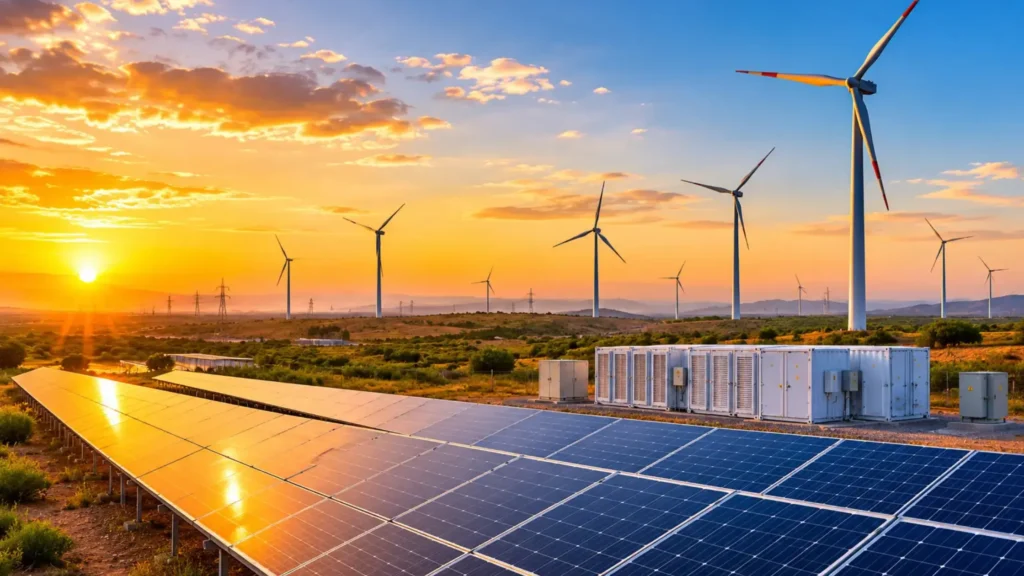
During periods of strong sunlight, solar electricity can be used to power appliances. Depending on the system design, excess energy can also be stored in batteries or exported to the grid. When solar production decreases, stored energy or grid electricity can be used to meet demand.
Battery Storage and Backup Power
Energy storage is another important application of modern inverter technology. Batteries allow electricity generated at one time to be used later. This is especially useful for solar energy systems because solar production is generally highest during daylight hours, while electricity demand may continue after sunset.
A smarten inverter can work with compatible battery systems to manage charging and discharging. This can help households use stored electricity when it is most useful.
Battery-backed systems can also provide backup power during certain grid interruptions, depending on the inverter and installation. This can be valuable for maintaining essential appliances, lighting, communication equipment, and other critical loads.
Reducing Energy Costs
Energy savings depend on the overall system, electricity rates, consumption habits, and local regulations. However, smarter control over electricity can create opportunities to reduce costs.
For example, users with solar panels and battery storage may be able to use more self-generated electricity rather than purchasing as much power from the grid. A smarten inverter can help coordinate these energy flows according to system settings and available power.
Monitoring features can also encourage better energy habits. When users can see how much electricity their system generates and consumes, they may become more aware of unnecessary consumption and adjust their daily routines.
Real-Time Monitoring
Energy monitoring is one of the most useful features associated with intelligent inverter systems. Traditional systems may provide limited information, while newer solutions can offer detailed performance data through digital displays, mobile applications, or web-based platforms.
Users may be able to monitor solar generation, electricity consumption, battery levels, and system performance. This information can make it easier to identify unusual energy usage or potential performance issues.
For businesses and larger installations, monitoring can also support energy planning and operational decisions.
Advantages for Homes and Businesses
A smarten inverter can provide several benefits when appropriately matched to an energy system. Key advantages include:
- Efficient DC-to-AC power conversion
- Improved energy monitoring
- Compatibility with renewable energy systems
- Support for battery storage
- Better control of electricity usage
- Potential reduction in grid electricity consumption
- Backup power capabilities in compatible systems
- Greater visibility into energy performance
For homeowners, these features can make energy systems easier to manage. For businesses, they can support more structured energy management and potentially reduce operational costs.
Choosing the Right Smarten Inverter
Selecting the right inverter requires careful consideration of the complete energy system. Users should evaluate power capacity, efficiency, battery compatibility, solar compatibility, monitoring options, warranty coverage, and installation requirements.
It is also important to consider whether the inverter is intended for an on-grid, off-grid, or hybrid application. A qualified installer can help determine the appropriate system configuration based on electricity demand and available renewable energy resources.
Users should avoid selecting an inverter based solely on its purchase price. Long-term reliability, efficiency, compatibility, maintenance requirements, and available support can have a significant impact on overall value.
The Future of Smart Energy Management
As renewable energy adoption and battery storage continue to grow, intelligent energy management is likely to become increasingly important. Modern inverters can serve as a central component connecting solar panels, batteries, appliances, and the electrical grid.
Future developments may bring more sophisticated monitoring, automation, energy optimization, and integration with smart-home technologies. These capabilities could help consumers use electricity more efficiently while increasing the value of renewable energy systems.
Conclusion
A smarten inverter can play an important role in improving energy management, supporting renewable energy adoption, and creating opportunities for electricity savings. By converting power efficiently and managing energy from sources such as solar panels and batteries, smart inverter technology provides greater control over electricity use.
For homeowners and businesses considering solar power or energy storage, choosing a suitable intelligent inverter can be an important step toward building a more efficient energy system. With proper installation, monitoring, and responsible energy consumption, inverter technology can help users make better use of available electricity and move toward a smarter and more sustainable energy future.