Key Benefits of Developing Energy from Clean Sources

The global energy landscape is changing rapidly as countries, businesses, and communities look for cleaner and more sustainable ways to meet growing energy demands. Develop energy from clean sources is becoming an important goal for reducing environmental damage while supporting economic and social development. Clean energy sources such as solar, wind, hydropower, geothermal, and sustainable biomass can provide reliable electricity while producing significantly fewer greenhouse gas emissions than conventional fossil fuels.
As concerns about climate change, air pollution, energy security, and rising fuel costs continue to increase, developing clean energy infrastructure has become a strategic priority. Understanding the benefits of develop energy solutions can help governments, organizations, and consumers make better decisions about the future of power generation.
What Does It Mean to Develop Energy from Clean Sources?
To develop energy from clean sources means creating, expanding, and improving energy systems that rely on renewable or low-emission resources. Unlike coal, oil, and natural gas, many renewable resources are naturally replenished and can be used repeatedly without exhausting finite reserves.
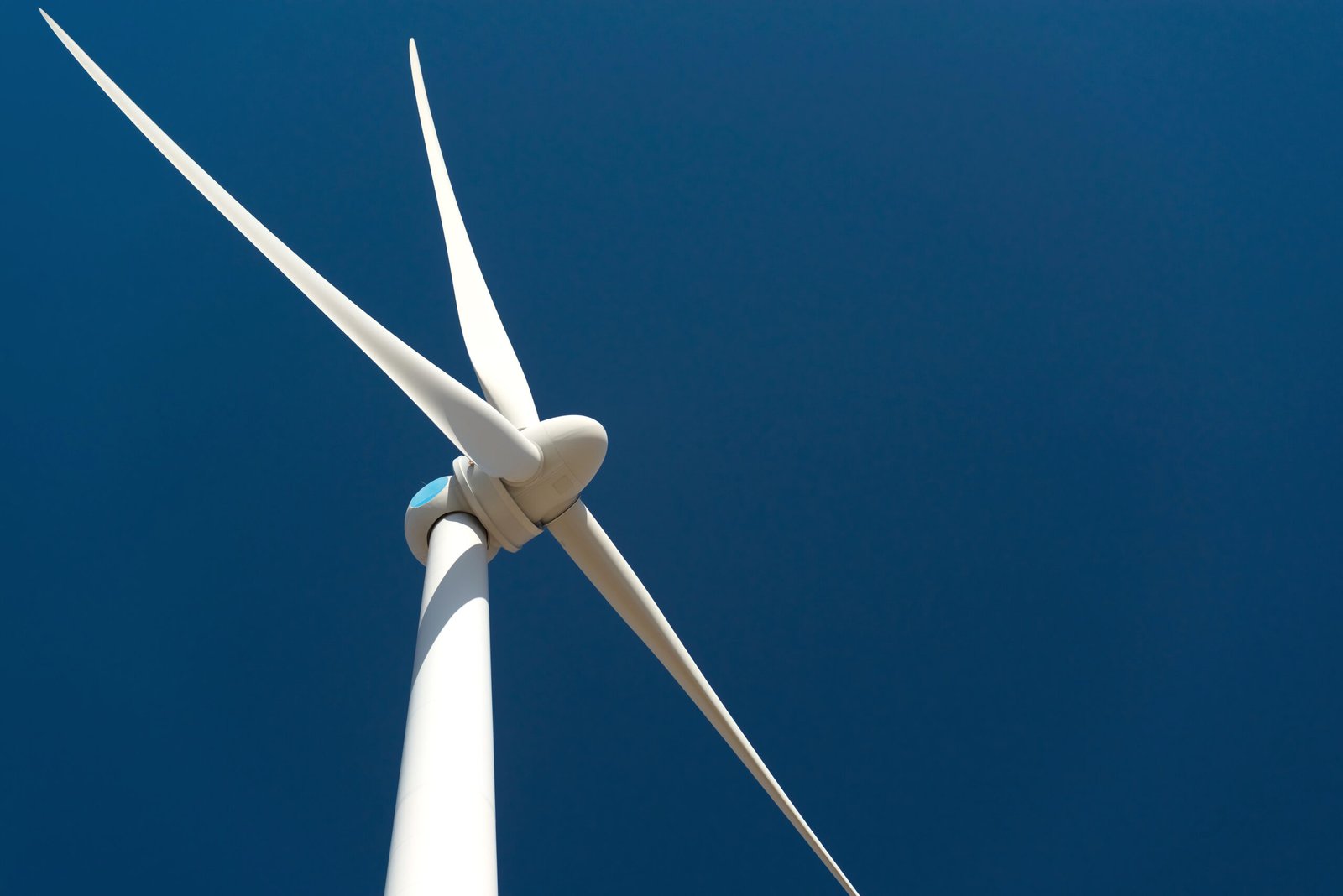
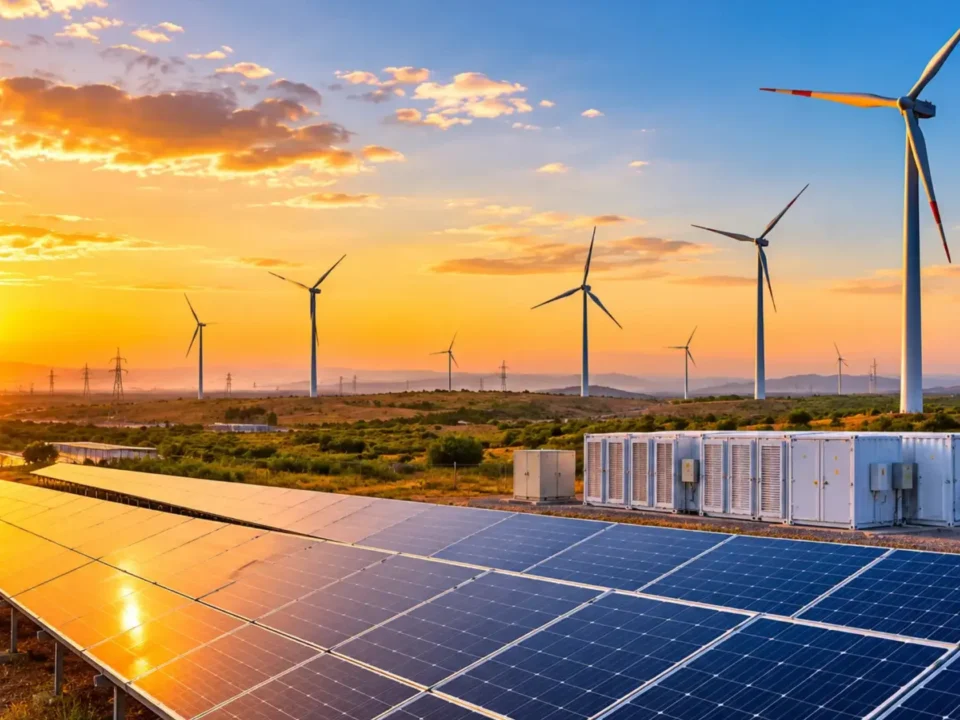
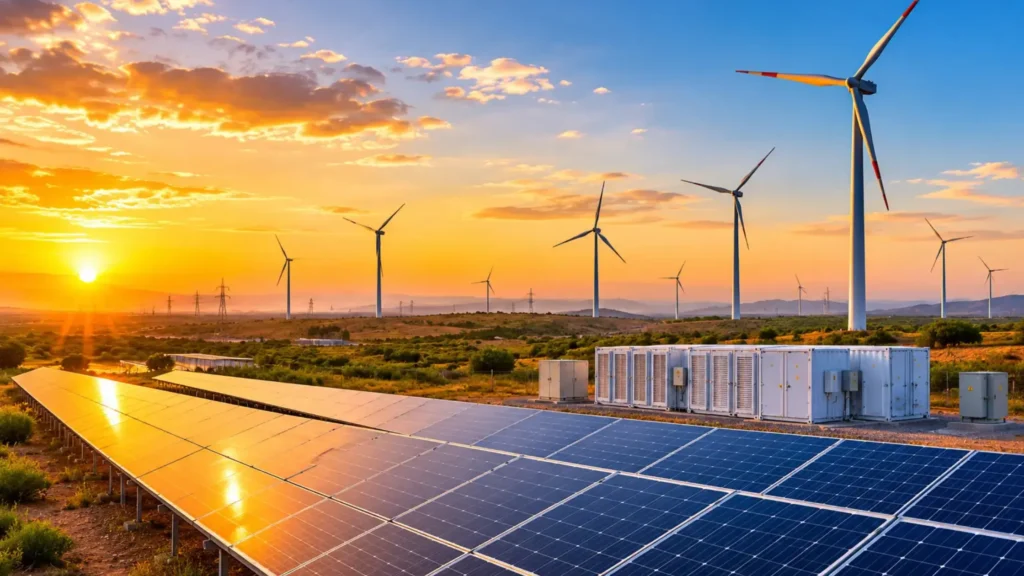
Solar panels convert sunlight into electricity, wind turbines use moving air to generate power, hydropower plants utilize flowing water, and geothermal systems use heat from beneath the Earth’s surface. Sustainable biomass can also contribute to energy production when organic materials are responsibly sourced and managed.
The goal is not simply to generate more electricity but to develop energy systems that are cleaner, more resilient, affordable, and capable of meeting future demand.
1. Reduces Greenhouse Gas Emissions
One of the most important reasons to develop energy from clean sources is the potential to reduce greenhouse gas emissions. Traditional fossil fuel power plants release substantial amounts of carbon dioxide and other pollutants when coal, oil, or natural gas is burned.
Renewable energy technologies generally produce little or no direct carbon emissions during electricity generation. Increasing the use of solar, wind, hydropower, and other clean technologies can therefore help countries reduce the carbon intensity of their electricity systems.
A cleaner energy mix can contribute to long-term climate goals while supporting efforts to create a healthier and more sustainable planet.
2. Improves Air Quality
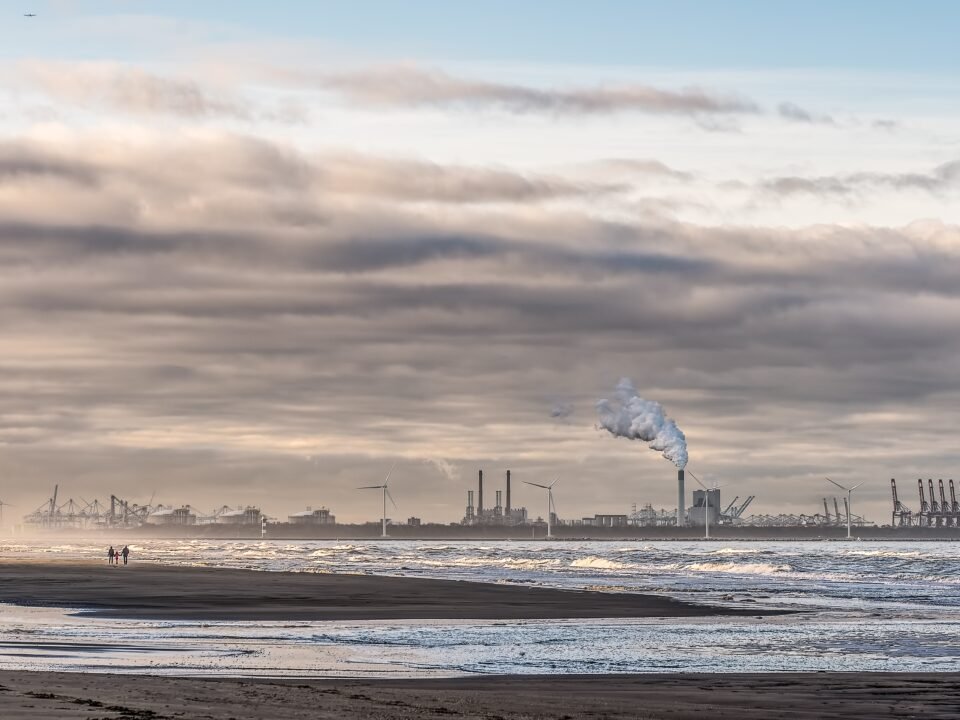
Fossil fuel combustion can release pollutants such as sulfur dioxide, nitrogen oxides, and particulate matter. These pollutants can contribute to poor air quality and create environmental and public health concerns.
When communities develop energy projects based on renewable sources, they can reduce dependence on combustion-based electricity generation. Solar and wind power, for example, generate electricity without burning fuel during operation.
Greater adoption of clean energy can therefore support cleaner air, particularly in areas where conventional power generation contributes significantly to local pollution.
3. Strengthens Energy Security
Energy security is another major reason to develop energy from domestic renewable resources. Countries that depend heavily on imported fossil fuels can be vulnerable to international price changes, supply disruptions, and geopolitical instability.
Renewable resources are available in different forms across many regions. Sunlight, wind, water, and geothermal heat can provide local or regional energy opportunities. By expanding these resources, countries can diversify their energy mix and reduce excessive dependence on imported fuels.
A diversified energy system can make economies more resilient to changes in global energy markets.
4. Creates Economic Opportunities
The clean energy transition can generate significant economic opportunities. When governments and private organizations develop energy infrastructure, they create demand for equipment manufacturing, construction, engineering, installation, maintenance, research, and other services.
Solar farms, wind projects, hydropower facilities, battery storage systems, and modern electricity networks require skilled workers and specialized businesses. As the clean energy industry expands, it can support new jobs and encourage investment in local communities.
Clean energy development can also stimulate innovation by encouraging companies to create more efficient technologies and better energy-management solutions.
5. Supports Long-Term Sustainable Development
Sustainable development requires economic progress while protecting natural resources for future generations. Clean energy can help achieve this balance by providing power without relying entirely on finite fossil fuel reserves.
To develop energy sustainably, planners can combine renewable generation with energy efficiency, storage, smart grids, and responsible land and resource management. This approach can help communities meet current electricity needs while preparing for future demand.
Clean energy can also support sustainable development in rural and remote areas where traditional grid infrastructure may be expensive or difficult to establish.
6. Encourages Technological Innovation
The need to develop energy from cleaner sources is encouraging rapid technological advancement. Solar panels are becoming more efficient, wind turbines are growing more capable, and battery storage technologies are improving.
Digital technologies are also transforming energy management. Smart meters, automated controls, energy forecasting, and advanced grid systems can help balance electricity supply and demand.
As innovation continues, clean energy technologies can become more practical and competitive for households, businesses, utilities, and industries.
7. Reduces Dependence on Finite Resources
Coal, petroleum, and natural gas are finite resources that take millions of years to form. Continuous consumption can reduce available reserves and expose economies to changing extraction costs.
Renewable resources provide an alternative pathway. Sunlight and wind, for example, are naturally replenished. By continuing to develop energy from renewable resources, societies can reduce their dependence on limited fuel reserves.
This shift can contribute to a more sustainable energy system that is better suited to long-term global development.
8. Supports Reliable and Diverse Energy Systems
Some people associate renewable energy with intermittency, but modern energy systems can address this challenge through diversification and advanced technologies. Solar power can be combined with wind, hydropower, geothermal resources, energy storage, and flexible demand.
When planners develop energy systems using multiple complementary sources, they can improve resilience and reduce reliance on any single generation technology.
Battery storage and smart grids can further support reliability by storing electricity when production is high and delivering it when demand increases.
9. Benefits Communities and Businesses
Clean energy can provide direct benefits to communities and businesses. Rooftop solar systems, renewable power purchase agreements, and energy-efficiency programs can help organizations manage electricity costs and reduce environmental impacts.
Businesses that develop energy strategies around clean technologies may also strengthen their sustainability credentials and respond to growing customer and investor interest in responsible business practices.
At the community level, renewable projects can create local employment, infrastructure investment, and new sources of economic activity when projects are carefully planned.
10. Builds a Cleaner Energy Future
The long-term benefit of choosing to develop energy from clean sources is the creation of a more sustainable energy future. The transition will require investment, planning, skilled professionals, supportive policies, and continued technological innovation.
No single energy source can solve every challenge. A successful transition will depend on combining renewable generation with energy storage, efficient infrastructure, modern transmission networks, responsible resource management, and effective energy policies.
Conclusion
The decision to develop energy from clean sources offers environmental, economic, technological, and social advantages. Renewable energy can help reduce greenhouse gas emissions, improve air quality, strengthen energy security, create employment, encourage innovation, and reduce dependence on finite resources.
As global electricity demand continues to grow, clean energy development will play an increasingly important role in meeting that demand responsibly. Governments, businesses, investors, and communities all have opportunities to support this transition.
By continuing to develop energy solutions that prioritize sustainability, efficiency, and resilience, the world can move toward a cleaner and more secure energy system. Clean energy is not only an environmental choice; it is also an important foundation for long-term economic growth and a sustainable future.