Key Benefits of Renewable Development for Global Sustainability
The world is facing growing challenges related to climate change, energy security, environmental degradation, and rising energy demand. As countries search for reliable and sustainable ways to meet their energy needs, renewable development has become an important part of the global energy transition. By expanding the use of naturally replenished energy sources such as solar, wind, hydropower, geothermal, and biomass, nations can reduce their dependence on fossil fuels while supporting long-term economic and environmental goals.
Renewable development involves more than simply installing renewable energy projects. It includes improving clean energy technologies, developing modern electricity infrastructure, encouraging investment, creating skilled employment, and establishing policies that support sustainable energy systems. These efforts can deliver significant benefits for communities, businesses, governments, and the environment.
1. Reduces Greenhouse Gas Emissions
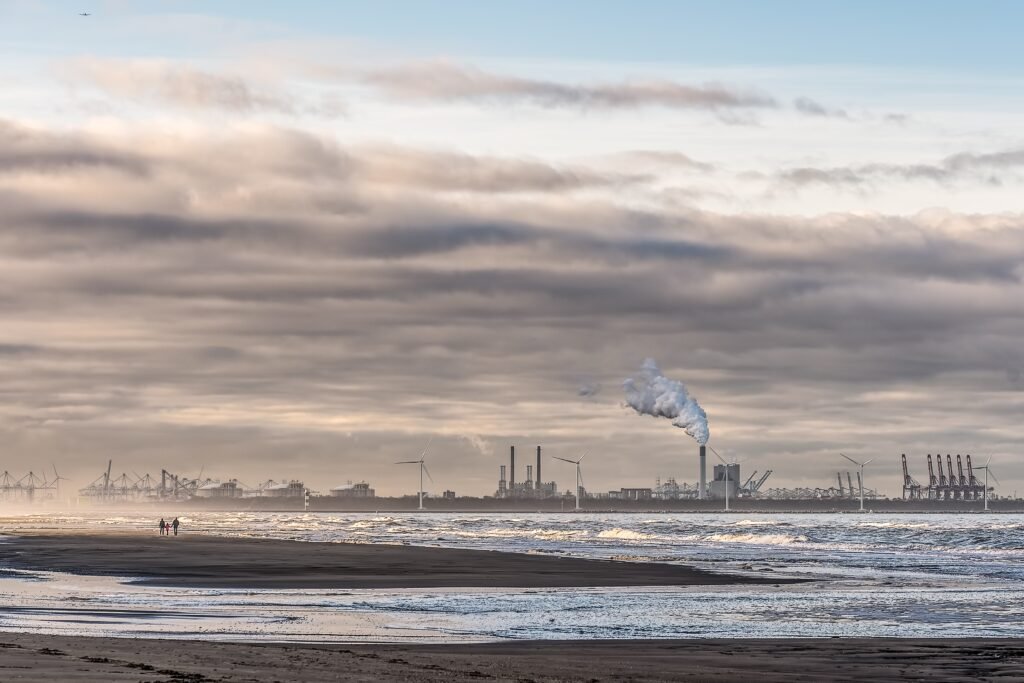
One of the most important benefits of renewable development is its potential to reduce greenhouse gas emissions. Traditional energy systems that rely heavily on coal, oil, and natural gas release substantial amounts of carbon dioxide and other pollutants into the atmosphere.
Renewable energy sources generally produce far fewer operational emissions than fossil fuel-based power generation. Solar panels, wind turbines, and hydropower facilities can generate electricity without directly burning fossil fuels. Increasing their contribution to the energy mix can therefore help countries reduce the carbon intensity of electricity production.
A cleaner energy system can support global efforts to address climate change while encouraging industries to adopt more sustainable production methods.
2. Supports Energy Security
Energy security is another major advantage of renewable development. Many countries depend on imported fossil fuels to satisfy their electricity, transportation, and industrial energy requirements. Changes in global fuel prices, supply disruptions, and geopolitical conflicts can create significant economic challenges.
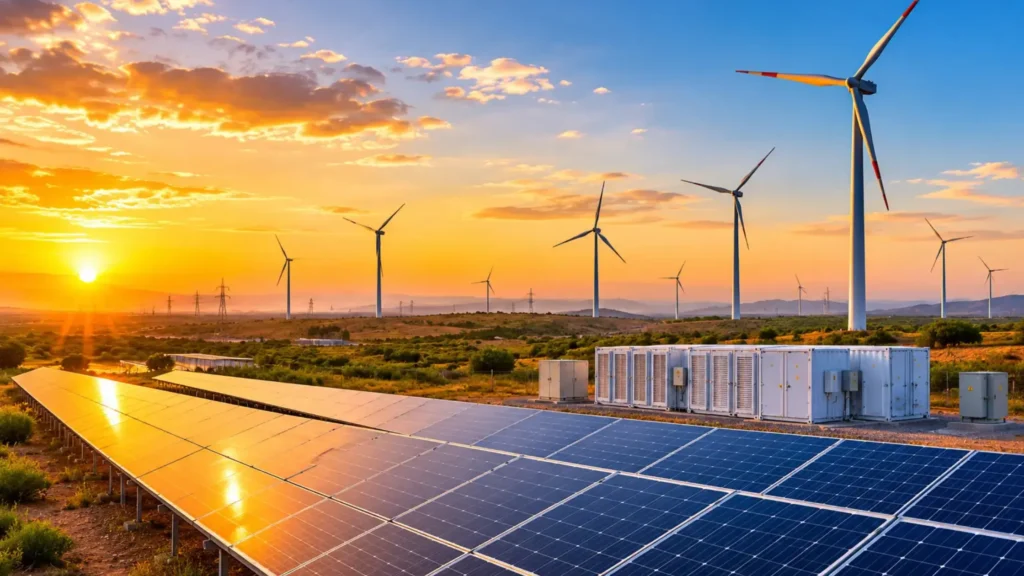
Renewable resources are available in many regions and can help diversify energy supplies. Solar energy can be developed in areas with strong sunlight, while wind projects can be established in suitable coastal, rural, or high-wind locations. Hydropower and geothermal resources can provide additional options depending on local conditions.
By developing a broader portfolio of domestic renewable resources, countries can reduce their exposure to international fuel market fluctuations.
3. Creates New Employment Opportunities
The transition toward cleaner energy can also contribute to job creation. Renewable development requires workers across multiple stages of the energy value chain, including research, manufacturing, engineering, construction, installation, operation, maintenance, and project management.
Solar and wind projects, for example, require technicians, engineers, construction workers, electrical specialists, and other professionals. As the industry expands, demand for training and specialized skills can increase.
This growth can support local employment, particularly when renewable projects are developed in rural and developing regions. Workforce development programs can further help workers transition into emerging clean energy occupations.
4. Encourages Economic Growth
Investment in renewable energy can stimulate economic activity by supporting new businesses, infrastructure projects, and technological innovation. Companies involved in renewable power generation, equipment manufacturing, energy storage, grid development, and energy efficiency can benefit from increasing demand.
Large-scale projects can attract investment and contribute to local economic development. Smaller distributed systems, such as rooftop solar installations, can also create opportunities for households and small businesses to participate in the clean energy transition.
As renewable technologies become more efficient and affordable, their economic value can extend beyond electricity generation into transportation, manufacturing, agriculture, and other sectors.
5. Improves Environmental Quality
Fossil fuel combustion can contribute to air pollution, water contamination, and environmental damage. Renewable energy can help reduce some of these impacts by providing alternatives to conventional fuel-based electricity generation.
For example, solar and wind power do not require combustion during electricity generation. Reducing the use of fossil fuels can therefore contribute to cleaner air and healthier communities, particularly in areas affected by emissions from conventional power plants.
Responsible renewable development should nevertheless consider land use, biodiversity, water resources, and local ecosystems. Careful project planning and environmental assessments are important for ensuring that clean energy expansion remains environmentally responsible.
6. Promotes Technological Innovation
Innovation is a major component of renewable development. Researchers and companies are continuously working to improve solar cells, wind turbines, batteries, smart grids, power electronics, and energy management systems.
Energy storage is particularly important because some renewable sources, such as solar and wind, vary according to weather and time of day. Advances in battery technology and other storage solutions can help balance electricity supply and demand.
Digital technologies, artificial intelligence, forecasting systems, and smart-grid solutions can also improve the management of renewable electricity. Continued innovation can make clean energy systems more flexible, reliable, and cost-effective.
7. Supports Rural and Local Development
Many renewable energy projects are located outside major cities because suitable land and natural resources are often available in rural areas. This can create opportunities for local communities.
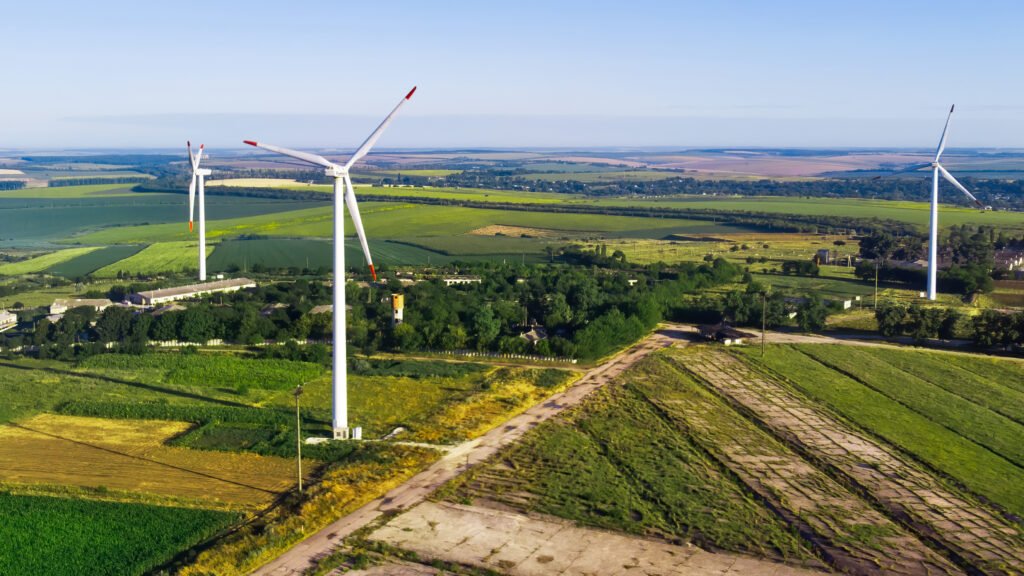
Wind farms and solar parks can generate lease payments, local employment, infrastructure investment, and tax revenues depending on the project structure and local policies. Small renewable systems can also help provide electricity to communities that have limited access to centralized power networks.
When projects are planned with meaningful community participation, renewable development can contribute to inclusive economic growth and improve access to modern energy services.
8. Reduces Dependence on Finite Resources
Fossil fuels are finite resources formed over very long periods. Although they remain important to many economies, their extraction and consumption present long-term environmental and resource challenges.
Renewable resources, by contrast, are naturally replenished. Sunlight, wind, flowing water, and organic materials can continue to provide energy when managed appropriately. This does not mean renewable resources are unlimited or impact-free, but they provide a more sustainable foundation for long-term energy planning.
Greater use of renewable resources can therefore help countries move toward energy systems that are less dependent on finite fuel reserves.
9. Supports Sustainable Development Goals
Renewable development can contribute to several broader sustainable development objectives. Reliable and affordable clean energy can improve living standards, support economic activity, and strengthen essential services such as education, healthcare, and communications.
Renewable energy can also support climate action and encourage cleaner industrial development. In developing regions, decentralized renewable systems can help expand electricity access where traditional grid infrastructure is difficult or expensive to establish.
As a result, renewable energy can serve not only as an environmental solution but also as a tool for social and economic progress.
10. Builds a More Sustainable Future
The long-term value of renewable development lies in its ability to connect environmental protection with economic and social progress. A successful energy transition requires more than replacing one power source with another. It requires modern infrastructure, supportive government policies, private investment, skilled workers, research, responsible land management, and cooperation among different stakeholders.
Governments can encourage renewable investment through appropriate policies and incentives. Businesses can adopt clean technologies and improve energy efficiency. Communities can participate in local projects and support responsible development. Consumers can also contribute by adopting energy-efficient appliances and renewable energy systems where practical.
Conclusion
Renewable development is becoming increasingly important as the world seeks solutions to climate change, energy insecurity, environmental pollution, and growing energy demand. Its benefits extend from reducing greenhouse gas emissions and improving energy security to creating jobs, encouraging innovation, supporting local economies, and promoting sustainable development.
The transition will require continued investment, technological progress, effective policies, and collaboration across governments, businesses, communities, and individuals. With responsible planning and long-term commitment, renewable energy can become a central part of a cleaner, more resilient, and sustainable global energy system.