The Growing Role of Power Renewable Energy
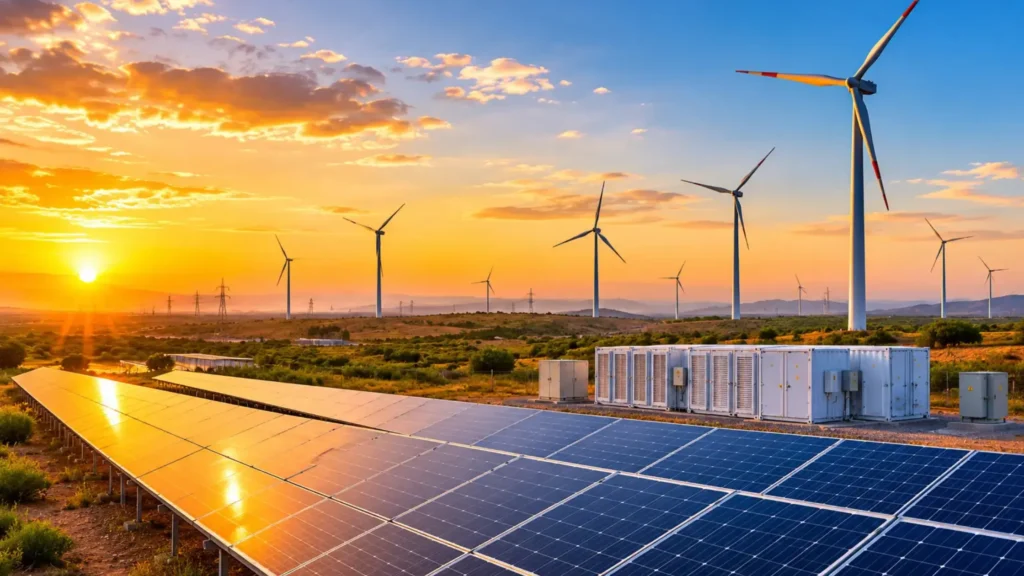
The global energy landscape is changing rapidly as countries, businesses, and communities look for cleaner and more sustainable ways to meet rising electricity demand. Traditional energy sources such as coal, oil, and natural gas have supported economic development for decades, but their environmental impact and finite nature have encouraged a transition toward cleaner alternatives. In this changing environment, power renewable energy is becoming increasingly important. It offers an opportunity to produce electricity from naturally replenished resources while supporting environmental protection, energy security, and long-term economic growth.
Understanding Power Renewable Energy
Power renewable energy refers to electricity generated from renewable resources that are naturally replenished. These resources include sunlight, wind, flowing water, biomass, and geothermal heat. Unlike fossil fuels, renewable resources do not depend on limited underground reserves. Their availability makes them an important part of strategies designed to create a more sustainable energy system.
Solar power is one of the most widely adopted forms of renewable electricity. Solar panels convert sunlight into electricity and can be installed on rooftops, commercial properties, industrial facilities, and large solar farms. Wind energy is another major source, using wind turbines to generate electricity. Hydropower uses moving water, while biomass and geothermal systems provide additional renewable generation options.
Why Power Renewable Energy Is Growing
One of the primary reasons for the growth of power renewable energy is the increasing need to reduce environmental impacts associated with conventional electricity generation. Fossil-fuel-based power plants can produce significant greenhouse gas emissions and air pollutants. Renewable energy technologies generally produce little or no direct carbon emissions during electricity generation.
Governments around the world are therefore introducing policies and incentives that encourage renewable energy development. Investments in solar parks, wind farms, transmission infrastructure, energy storage, and modern electricity grids are helping renewable generation become an increasingly important part of the power sector.
Technology improvements have also contributed to this growth. Solar panels have become more efficient, wind turbines have increased in size and performance, and battery storage technology continues to improve. These developments can make renewable electricity more practical and competitive across different markets.
Supporting Energy Security
Energy security is another major advantage of power renewable energy. Countries that depend heavily on imported fossil fuels can face challenges when international fuel prices rise or supply chains are disrupted. Renewable resources, by comparison, are available locally in many regions.
Solar energy can be developed in areas with strong sunlight, while wind projects can be established in regions with suitable wind conditions. Hydropower can utilize available water resources, and biomass can make productive use of agricultural and organic waste. Developing a diverse portfolio of renewable resources can reduce dependence on imported fuels and strengthen the resilience of national energy systems.
Economic Opportunities and Job Creation
The expansion of power renewable energy is also creating new economic opportunities. Renewable energy projects require professionals in engineering, construction, manufacturing, project management, operations, maintenance, finance, and environmental assessment.
Solar panel manufacturing, wind turbine production, installation services, energy consulting, and equipment maintenance can support businesses at both local and national levels. Large renewable projects can also contribute to infrastructure development and generate employment during construction and operation.
As renewable energy adoption expands, new industries and specialized services are likely to develop. This can support economic diversification while creating opportunities for skilled workers and entrepreneurs.
The Role of Solar and Wind Power
Solar and wind energy are expected to remain central to the future of power renewable electricity. Solar photovoltaic systems can be deployed at different scales, from small residential installations to utility-scale projects. Their modular nature allows capacity to be expanded as electricity requirements increase.
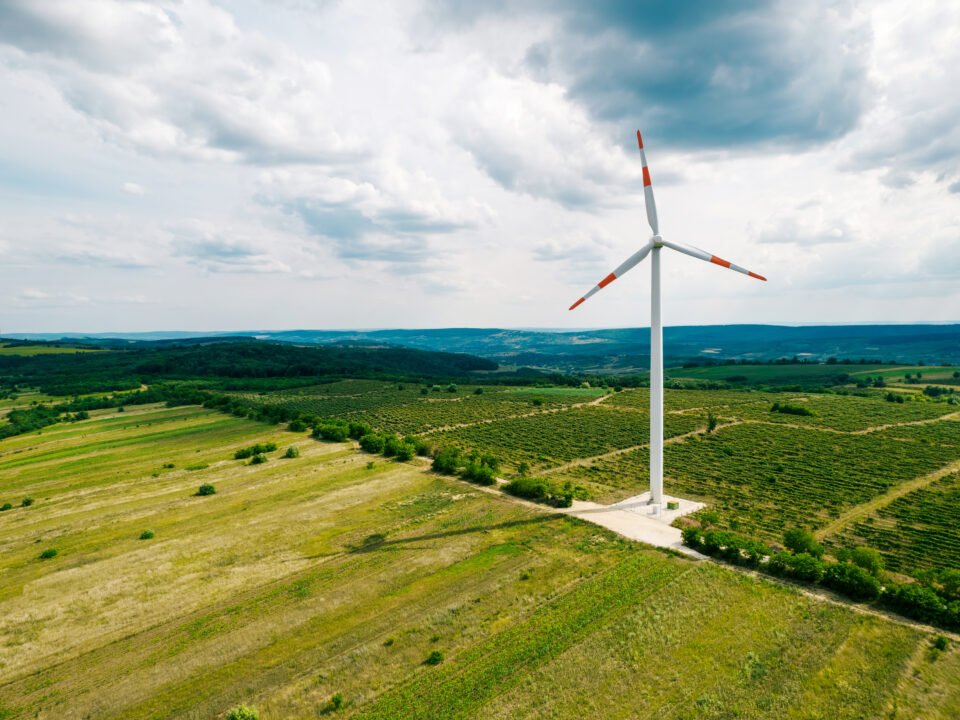
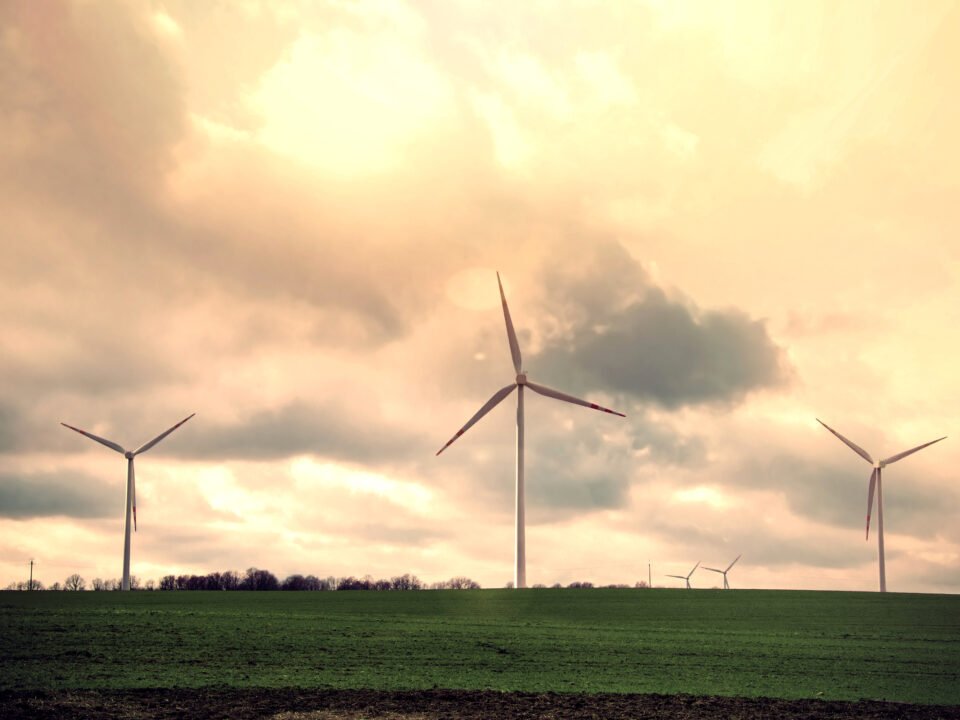
Wind power is particularly valuable in areas with consistent wind resources. Modern turbines can generate substantial amounts of electricity and can be installed both onshore and offshore. Offshore wind has attracted attention because stronger and more consistent winds over oceans can provide significant generation potential.
However, solar and wind generation can vary according to weather conditions. This makes energy storage, flexible power generation, improved transmission networks, and demand management increasingly important.
Energy Storage and Modern Grids
Energy storage is becoming a crucial part of the renewable energy transition. Batteries can store electricity generated when renewable resources are abundant and release it when generation declines or demand increases. This can help improve grid stability and make renewable electricity more flexible.
Modern electricity grids are also being developed to manage increasingly diverse sources of generation. Digital technologies, smart meters, advanced forecasting systems, and automated grid controls can help utilities balance electricity supply and demand.
Combining renewable generation with storage and smart-grid technologies can create a more reliable and adaptable energy system.
Power Renewable Energy for Businesses and Homes
The growth of power renewable energy is not limited to large utility companies. Homes and businesses can also participate in the transition. Rooftop solar systems allow property owners to generate electricity on-site and potentially reduce their dependence on grid electricity.
Businesses with large electricity requirements can install renewable systems or purchase electricity from renewable energy projects. This can help organizations manage long-term energy costs while supporting environmental objectives.
For households, renewable energy can provide greater control over electricity consumption. When combined with batteries and energy-efficient appliances, residential renewable systems can improve energy management and resilience.
Challenges to Consider
Although power renewable energy offers many benefits, its expansion also presents challenges. Renewable projects require suitable land, financing, transmission infrastructure, and careful environmental planning. Solar and wind generation can be intermittent, requiring appropriate storage and grid-management solutions.
Initial installation costs can also be a barrier for some consumers and businesses. While technology costs have generally become more competitive, access to financing and supportive policies remains important.
Another challenge is the responsible management of renewable energy equipment at the end of its useful life. Recycling and responsible disposal of solar panels, batteries, wind turbine components, and other equipment will become increasingly important as deployment grows.
The Future of Power Renewable Energy
The future of power renewable energy is closely connected to advances in technology, policy, investment, and infrastructure. Emerging technologies such as green hydrogen, long-duration energy storage, floating solar, advanced geothermal systems, and offshore wind could expand the range of renewable electricity applications.
Artificial intelligence and data analytics may also improve renewable energy forecasting, maintenance, and grid management. These technologies can help operators predict solar and wind generation more accurately and identify equipment problems before they lead to significant disruptions.
As electricity demand grows because of transportation electrification, digital infrastructure, industrial development, and other applications, renewable energy will have an increasingly important role in meeting that demand.
Conclusion
The growing role of power renewable energy reflects a major transformation in the global electricity sector. Renewable resources can support cleaner electricity generation, improve energy security, create economic opportunities, and contribute to long-term sustainability.
Solar, wind, hydropower, biomass, and geothermal energy each have an important place in a diversified renewable energy system. Although challenges related to intermittency, infrastructure, financing, and equipment recycling remain, continuing innovation is helping address these issues.
With appropriate investment, effective policies, modern grids, and improved storage technologies, power renewable energy can become an increasingly important foundation of the future electricity system. Its continued development can help create a cleaner, more resilient, and sustainable energy future for communities, businesses, and economies around the world.